
9 Everyday Manners Kids Used To Have That Are Now Basically Obsolete With Younger Generations
 Suzy Hazelwood | Pexels
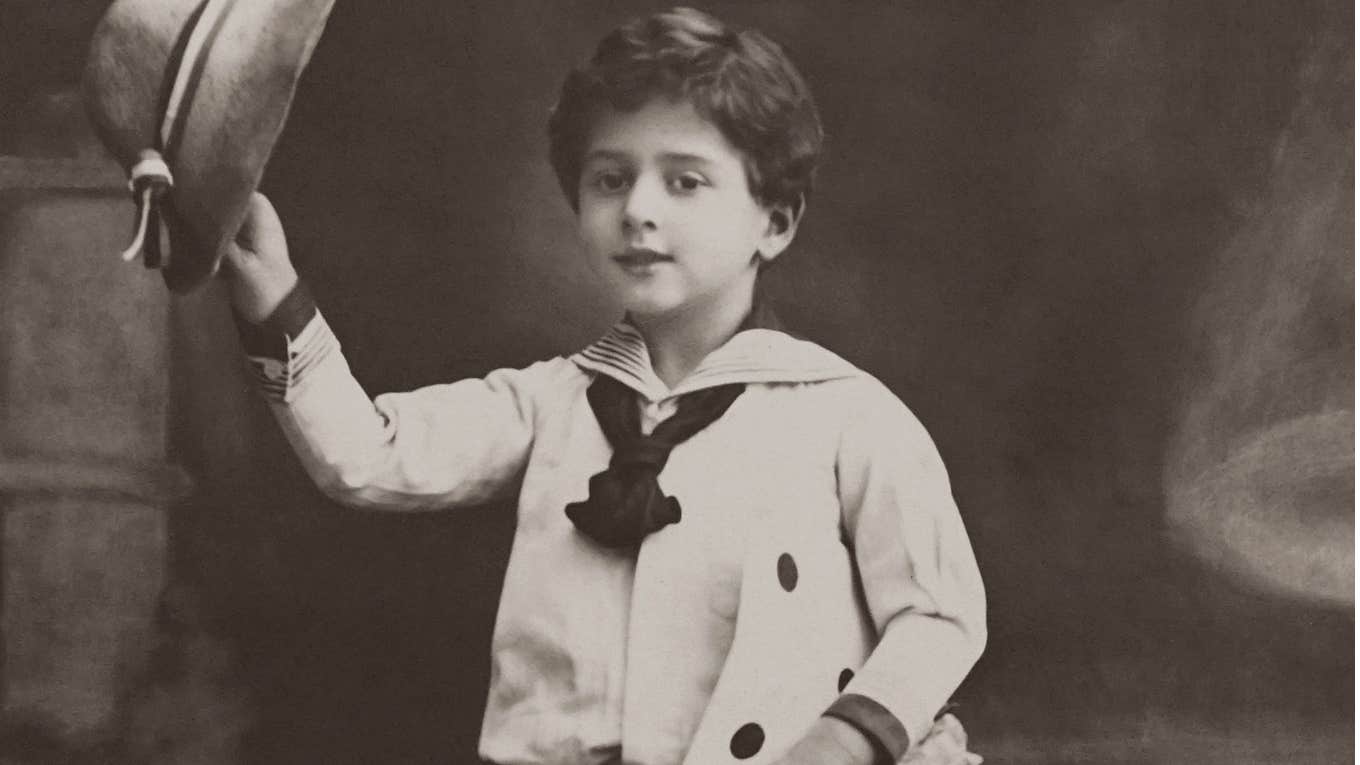
 While some complaints about kids these days are exaggerated, there are certain everyday manners that genuinely seem less common than they once were. In fact, an ABC News poll found 73% of people surveyed believe basic manners are much worse today than they were 20 or 30 years ago.
This isn't necessarily because younger generations are rude. Society has changed, and technology has changed how people communicate, so parenting styles no longer emphasize Emily Post-like behaviors that were second-nature in generations past. Still, some of these habits served an important purpose. Maybe it's time to bring some of it back.
These everyday manners that kids seemed to have naturally back in the day now seem pretty much obsolete:
1. Looking adults in the eye when speaking
 cottonbro studio | Pexels
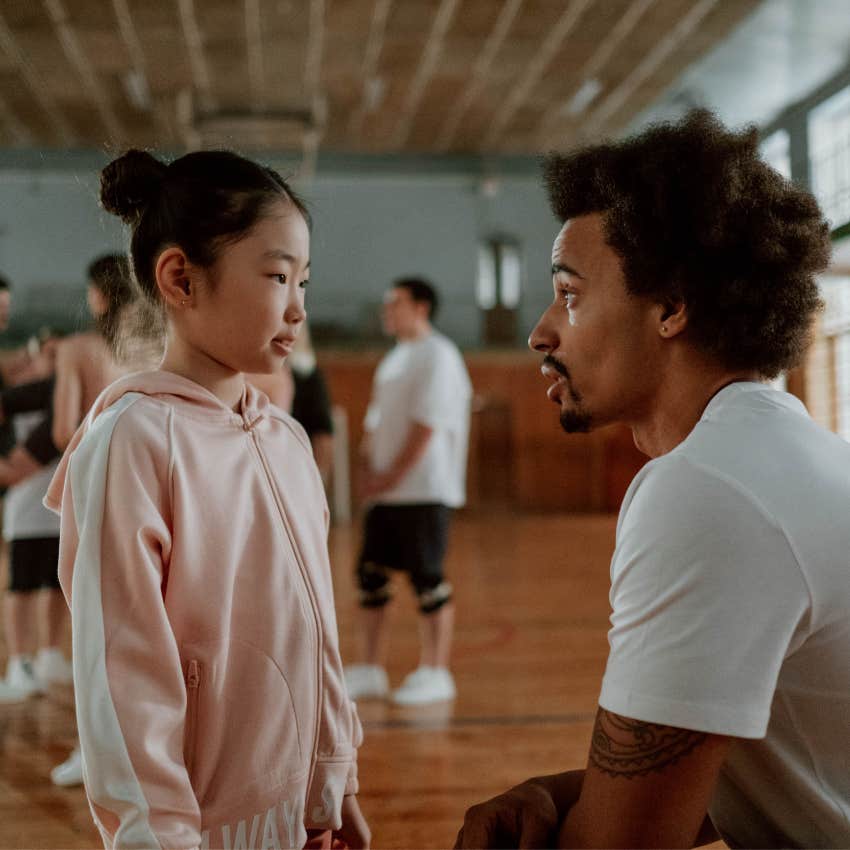
Eye contact naturally shows attentiveness, which in turn shows confidence and respect. Those emotions go both ways. When parents and adults prioritize eye contact with kids, it teaches them that they are a priority and that gives them confidence.
Many parents and grandparents consider it a basic part of good manners. If an adult were speaking to you, you would look up, listen, and engage with them. Today, most conversations happen through screens instead of face-to-face. These disconnected forms of communication are why kids are struggling with basic communication skills.
Texting is convenient; no one can deny that. But it means some young people have fewer opportunities to practice interpersonal skills in everyday life. In modern times, people like me get nervous when they have to introduce themselves, participate in a job interview, give a presentation to a crowd, or have a conversation with someone they don't know well. The good news is that eye contact can be developed and become second nature with practice.
And contrary to popular belief, eye contact doesn't mean staring intensely at someone without blinking. Healthy eye contact is simply about showing engagement. It's looking at the person you're speaking with often enough to communicate that you're listening and interested in what they're saying.
2. Greeting adults without being prompted
Kids were once expected to say hello when entering a room or meeting someone new. If you walked into a gathering or visited a relative's house, you acknowledged the people around you.
Sometimes that reminder came in the form of the classic, "What do you say?" after a child quietly walked into a room without speaking. Today, greetings can be optional because of distractions and habit. I've noticed that a lot of people underestimate how a simple greeting can show friendliness and confidence, while also making others feel seen and respected.
Think about how different it feels when someone walks into a room without acknowledging anyone at all. A simple greeting doesn't require someone to be outgoing or naturally extroverted. A smile and a "Hi, how are you?" are good enough.
3. Saying 'yes, ma'am' and 'no, sir'
For many people, especially for those of us who grew up in the South or in more traditional families, "yes, ma'am," "no, ma'am," "yes, sir," and "no, sir" weren't optional. Children were taught to use them when speaking to any adult as a sign of respect.
I can still remember adults gently correcting kids who answered with a simple "yeah" or "uh-huh." Now people view the formality as old-fashioned or unnecessary. Neither approach is inherently right or wrong. A lot depends on regional culture, family traditions, setting, and personal preference.
The value behind these phrases matters more than the phrases themselves. The specific language may vary from one generation or community to another, but the principle remains largely the same. Respect is important.
4. Writing thank-you notes
There was a time when receiving a gift meant sitting down with a pen and paper afterward. Children were expected to write thank-you notes to relatives, family friends, teachers, and anyone who had taken the time to give them a present. This taught kids that gratitude is important.
Today, a call or email is preferred. Most people appreciate hearing thanks in any form. Digital communication is faster and more convenient. However, there is a different level of intentionality.
When someone sits down to write a handwritten note, they're usually putting more thought into the process. They have to slow down and reflect. I've heard many older adults say they still keep handwritten notes they received years ago. Very few people save old text messages or emails the same way. In a culture that moves quickly, gratitude can sometimes become rushed and overlooked.
5. Waiting patiently without constant entertainment
 Lindsay Neuenschwander | Pixels
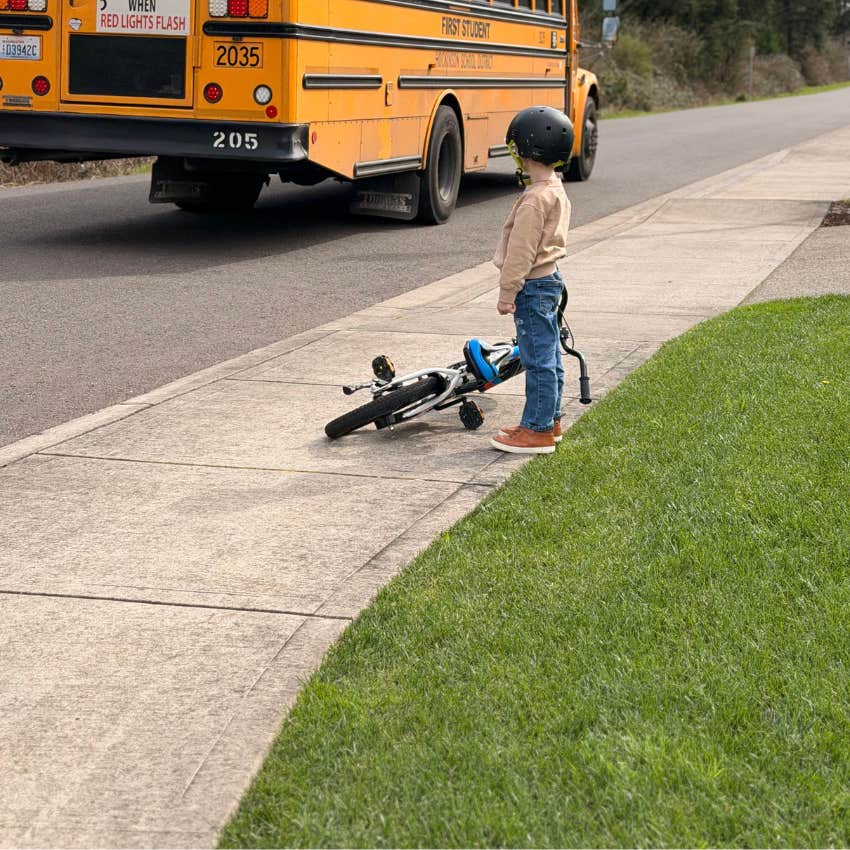
Before technology, there simply weren't as many options for quick entertainment. If you were stuck waiting somewhere, you had to figure out how to pass the time on your own. Looking back, those moments taught valuable skills like patience.
Children gradually learned that not every moment needed to be exciting or stimulating. It helped build tolerance for delayed gratification and discomfort. Creativity was also more common because having nothing to do allowed your brain to wander. Today, the moment people get bored, they pull out their devices. Again, there's nothing inherently wrong with technology. It can be educational and entertaining.
The challenge is that we rarely get opportunities to practice being bored anymore. To help with this, kids can try to resist the urge to check their phones immediately and allow themselves to sit with a little boredom instead of rushing to eliminate it.
6. Offering their seat to older adults
Many children were taught to stand up and offer their seat to anyone who appeared to need it more. For previous generations, this was considered a basic act of courtesy. It taught kids about developing awareness. Parents and grandparents wanted children to learn how to notice other people's needs rather than focusing only on their own. Offering a seat was a simple way to practice empathy in everyday life.
Part of that may be because people are usually more distracted than they used to be. I've seen situations where people weren't intentionally being rude, but they simply weren't paying attention. Standing for a few minutes is rarely a major inconvenience.
I've always thought that small acts of consideration tend to have a ripple effect. When someone experiences kindness, they're often more likely to show kindness to someone else. The good news is that this isn't really tied to a particular generation; it's something anyone can practice.
7. Answering the family phone politely
Before everyone had personal cell phones, kids sometimes answered household calls. Unlike today, you usually had no idea who was on the other end of the line until you answered. Because of that, many children learned specific phrases such as "Hello, this is the Smith residence" or "May I ask who's calling?" They were expected to speak clearly and respectfully, even to strangers.
This taught kids basic communication and social etiquette. I've noticed that phone anxiety has become increasingly common, especially among younger adults. For people who grew up communicating mostly through text, face-to-face conversations can feel intimidating because there's no time to carefully think of a response. Luckily, phone communication is just like any other skill, in the sense that it gets easier with practice.
8. Introducing themselves to guests
Are you sensing a theme? Communication in all its forms, whether greetings or thank-you notes, has changed in recent years, and a lot of that has to do with what kids see every day. If parents communicate through screens, that's what kids learn.
Back before cell phones, if relatives, neighbors, family friends, or other visitors came to the house (who even drops by anymore?), children used to be expected to come out, say hello, shake hands if appropriate, and engage in at least a brief conversation before returning to whatever they were doing. Each introduction helped build conversation skills and social comfort.
Kids became accustomed to interacting with adults instead of only speaking with people their own age. Today, family expectations have changed, but avoiding these interactions can make them feel even more intimidating over time.
A brief conversation with a guest may seem insignificant, but it teaches kids how to deal with situations they'll encounter throughout adulthood, such as job interviews and even going out on dates.
9. Waiting for everyone to be served before eating
 cottonbro studio / Pexels
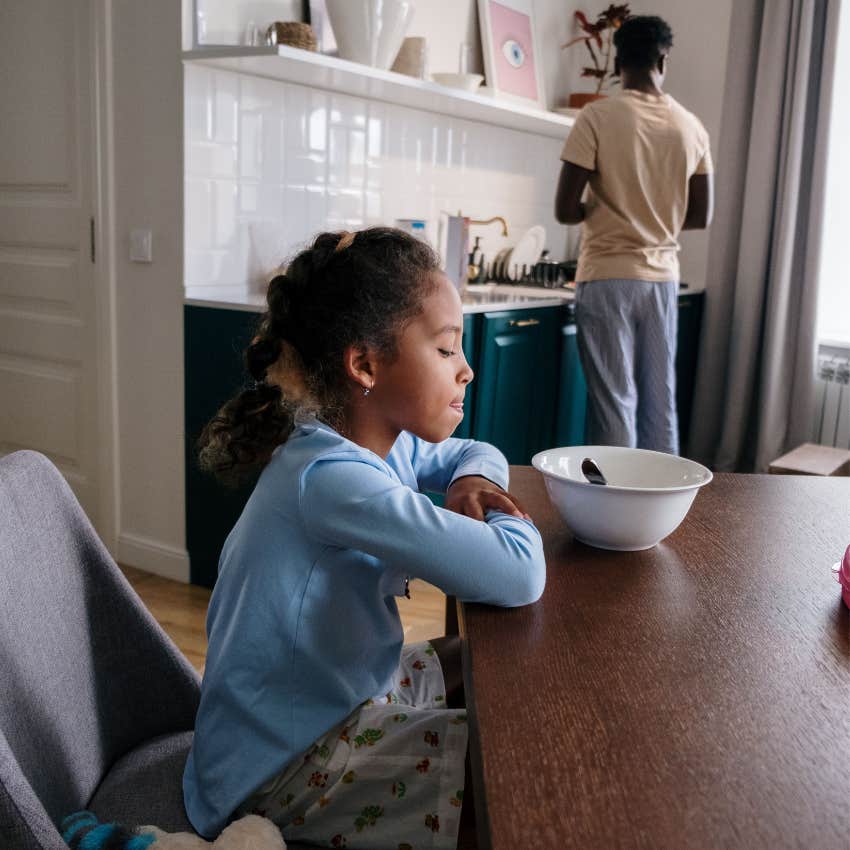
Dinner used to work like this: you sat down, waited for everyone to get served, and only started eating once everyone was seated and ready to dig in. It was easy to be tempted by the food in front of you, but learning patience and consideration for the people around you was more important.
It also taught kids that meals were meant to be shared experiences instead of individual ones. Waiting sends a subtle message that the gathering matters, not just the food itself. Modern routines have slightly altered this sense of togetherness.
Nowadays, only about 30% of families eat dinner together every night. With so many activities and two parents working, it almost becomes impossible. That doesn't mean it isn't important, though.
Some traditions naturally fade as lifestyles change, while others adapt to fit modern life. Manners might not be as ingrained in kids today, but parents can still teach that courtesy thrives and blooms in the tiny moments when we pause, think about someone else, reflect, and choose consideration over convenience.
MeShanda Deason is a writer with a BFA in Creative Writing from Stephen F. Austin State University who covers psychology, culture, and human connection.
