
10 Old-Fashioned Hobbies From The 1980s That Genuinely Protected People's Mental Health
 ElenaEmiliya | Shutterstock
 From watching makeup tutorials on social media to binge-watching Netflix, modern forms of entertainment are all about shutting our brains off. As a result, everyone's mental health has gone down the drain. Mindless does not mean mindful after all.
Life has changed since the '80s. Back then, birdwatching and film photography were among the many go-to hobbies. We've shifted as a society, and although the tech advances are impressive, finding pleasure in the hobbies of yesteryear might be better for our mental health than staring at screens all day.
It's time to bring back these old-fashioned hobbies from the '80s that protected people's mental health:
1. Playing arcade games
 WildSnap |Shutterstock
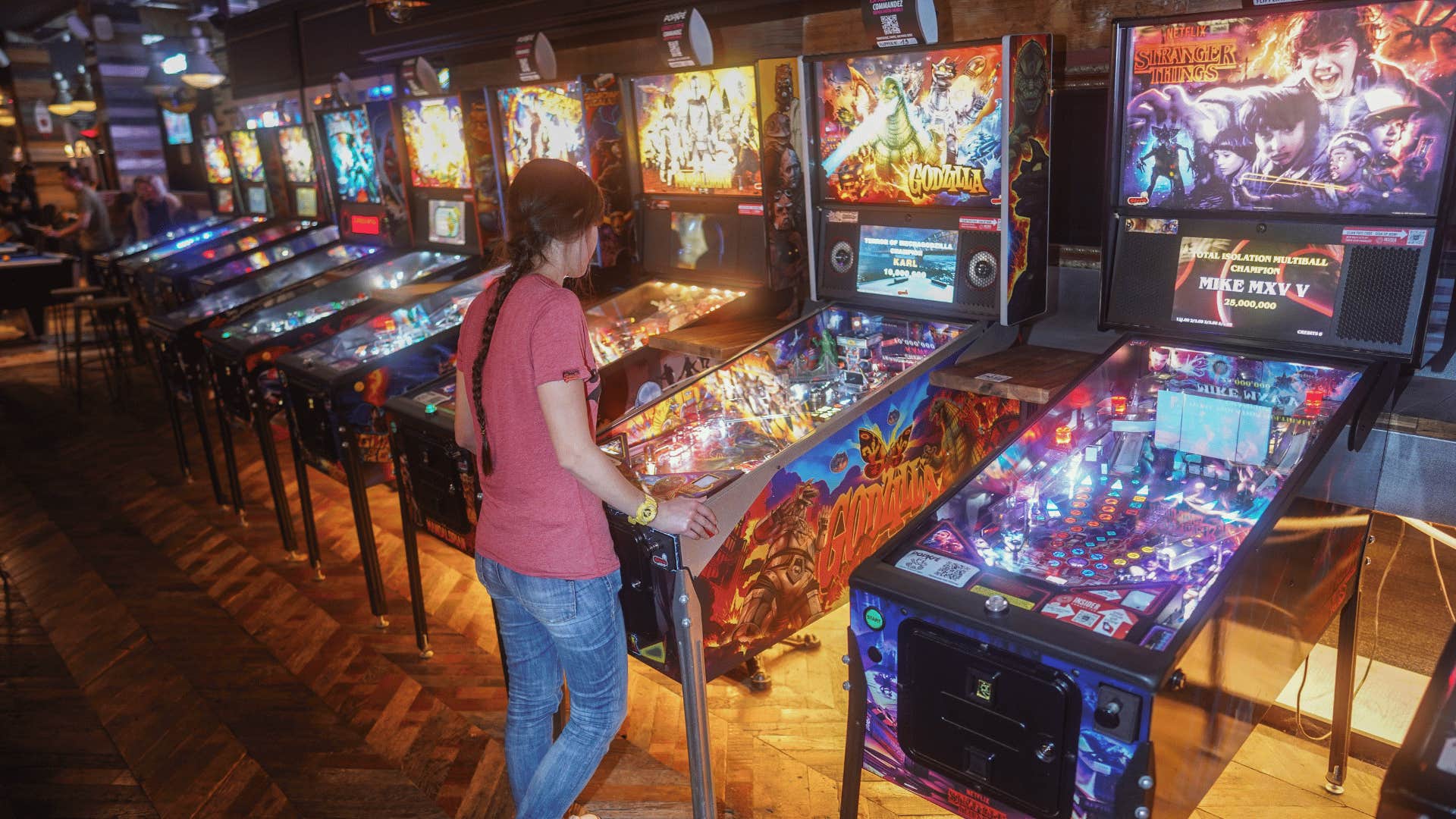
Once upon a time, kids went to the arcade with their friends to play pinball and hang out. The arcade was a place for socialization, and the games were secondary entertainment
Getting out of the house and reconnecting with others was the main reason why people's mental health in the '80s was so good. According to Antelope Valley Medical Center, "social interactions play a crucial role in mental health, influencing everything from mood regulation to stress management."
This is why it's important to encourage kids nowadays to go out and have fun with friends. Even if hitting up the arcade is slightly old-fashioned, there's no denying that it's beneficial.
2. Rollerblading
 ElenaYakimova | Shutterstock
Back in the '80s, kids would spend hours rollerblading as a form of entertainment. What made it so beneficial was that it encouraged physical activity and promoted coordination.
Rather than spending hours staring at screens, kids were encouraged to be active. Kids could meet up with friends or skate their worries away.
3. Making mixtapes
 MPIX | Shutterstock
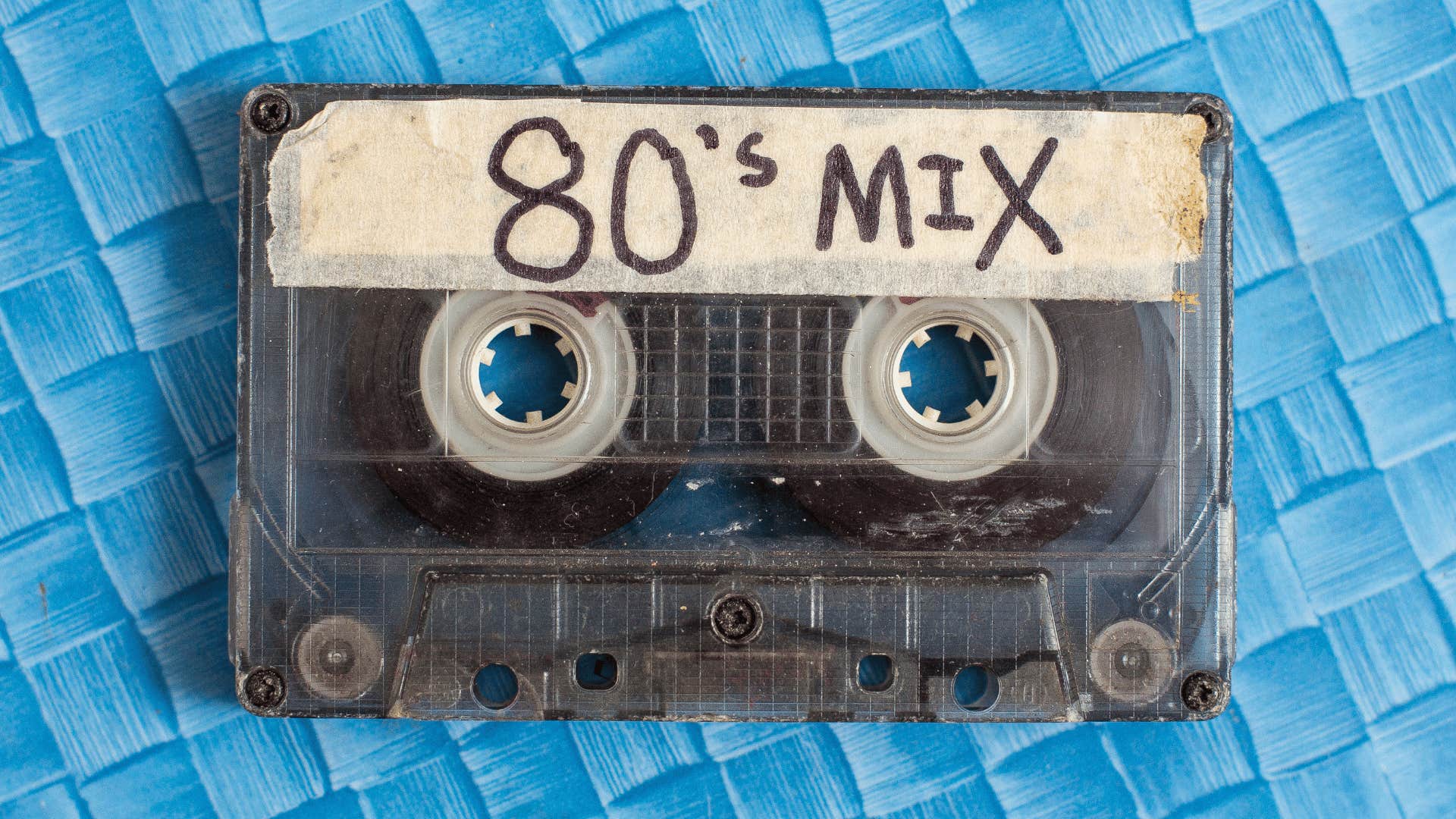
Curating the perfect mixtape was an art form in the 1980s. There were times when you had to wait for the perfect song to play on the radio so you could record it live. There was no immediate stream or download. It took patience and time.
It required creativity too. And creative pursuits are good for brain health. Those mixtapes were decorated and curated with great care, and were often made with particular people in mind as gifts.
This is why making mixtapes was such a well-done hobby. It was time-consuming, but rewarding. According to a study published in Health Psychology Review, music was found to lower stress hormones and heart rate.
4. Hanging out at the mall
 Rob Crandall | Shutterstock
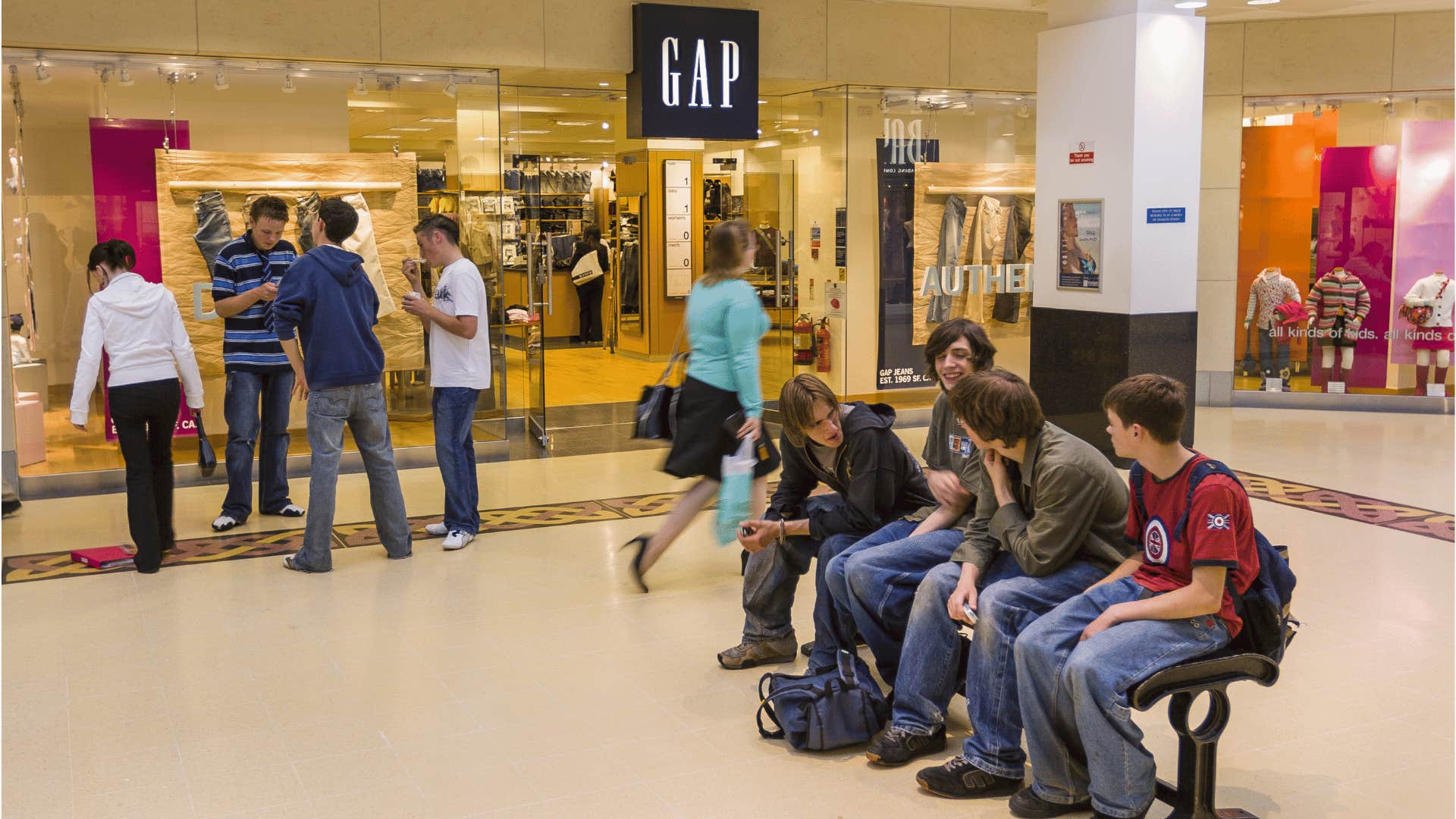
With no distractions like TikTok, kids hung out at malls. Teenagers could meet up with friends, get cheap food, and even check out the latest trends and styles at their favorite stores.
While it might seem odd to us now, according to Rewind 94.3, "Malls in the 1980s became social hubs for teenagers and young adults. They offered a place where young people could gather, hang out, and engage in various activities."
5. Tie-dying shirts
 Krakenimages.com | Shutterstock
Tie-dye wasn't invented in the '80s, but it was extremely popular. According to the Adair Group, "The new types of dye that hit the market during the 1980s had much greater staying power, and they offered a greater variety of shades and colors."
This is probably why kids were so encouraged to go crazy and tie-dye. From using multiple colors to making it a group activity, the push to be creative and detach from everything around them is one of the many reasons we should bring this old-fashioned hobby back. It's not much different than knitting in that it allows creativity to shine while doing an activity that is slow and relaxing. It's an activity that has been proven to lower stress.
In a chaotic world, finding something simple is what everyone needs to protect their mental health a little more.
6. Going to concerts
 Drazen Zigic | Shutterstock
Music in the '80s was so varied; it's understandable why it appealed to everyone. Outside of pop icons like Madonna, glam rock was born. And don't forget the electronic surge.
Despite their parents' protests, teens couldn't help but scrimp and save to go to concerts with their friends. And it was something affordable they could actually do.
Did it blow their eardrums a little? Sure, but it was fun! Dancing, listening to music, meeting new people, and even being a little wild was all good for the soul and mental health.
While big-name shows have gotten pricey, there are still great local artists performing in bars and coffee shops that will give you the same benefit.
7. Building Models
 Ann in the uk | Shutterstock
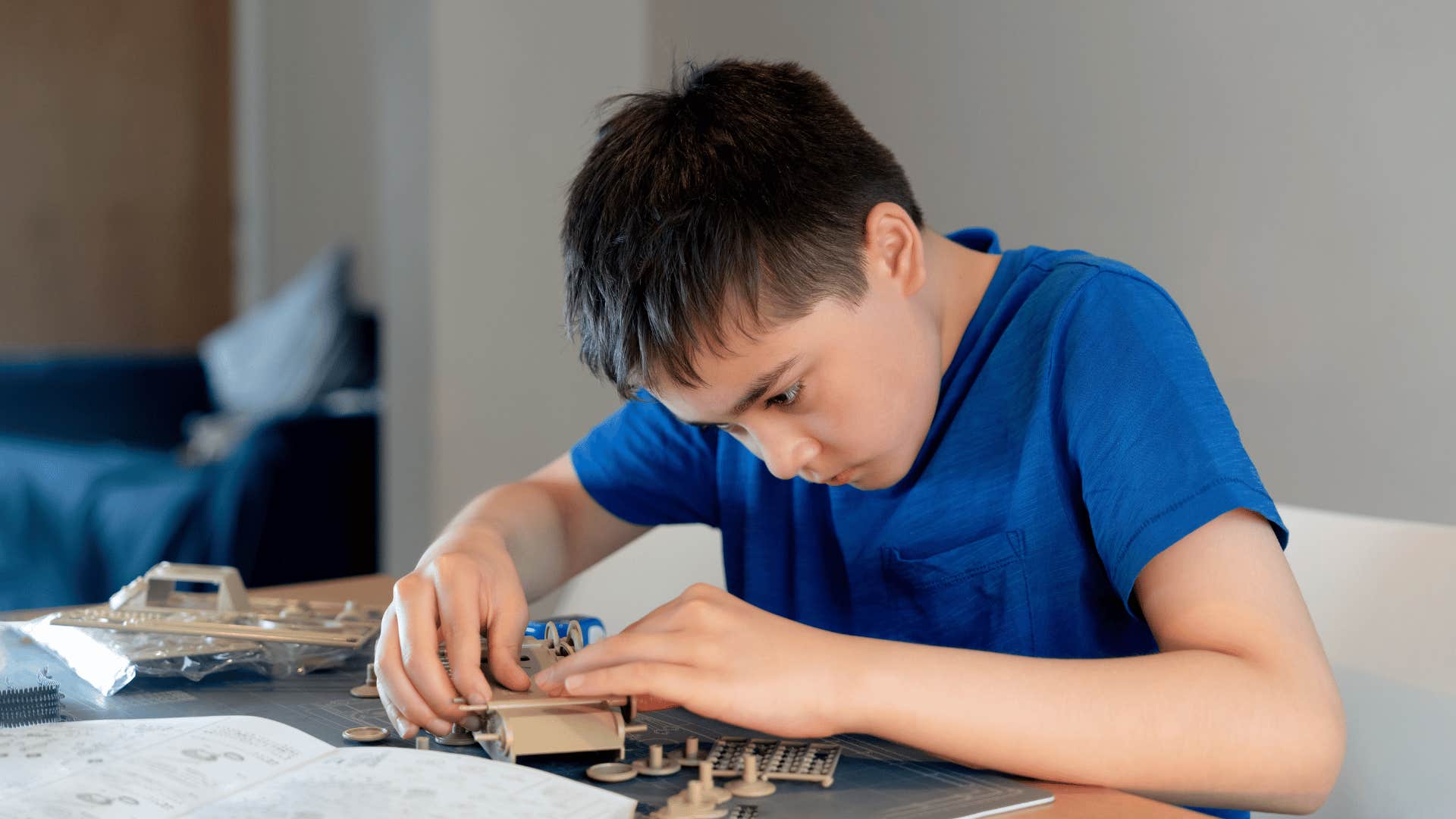
It wasn't just music that was a huge source of joy in the '80s. While it's an extremely underrated hobby, model building has been and remains great for the brain. Whether it was rockets or buildings, model building was a time-consuming hobby that challenged kids.
By focusing on motor skills and creative problem-solving, the art of model building offered numerous benefits, one of which was helping kids develop a greater sense of accomplishment and self-esteem, thereby boosting their long-term mental health.
So, even if it is time-consuming, don't be afraid to push yourself. It's frustrating, but once you get the hang of it, model building can truly boost your mental health like never before.
8. Camping
 Jacob Lund | Shutterstock
There are plenty of people who get antsy at just the thought of camping, even though being out in nature offers countless health benefits.
From weather concerns to bugs, camping isn't exactly glamorous. But it shouldn't be dismissed as a great vacation if you're a nature lover. According to psychiatrist Debora Moreira, MD, when it comes to spending time in the great outdoors, "EEGs and MRIs showed a change in brain wave areas that are associated with stress and attention restoration. This shows that spending time in green spaces will increase cognitive flexibility and reduce mental fatigue.”
9. Tabletop role playing games
 dodotone | Shutterstock
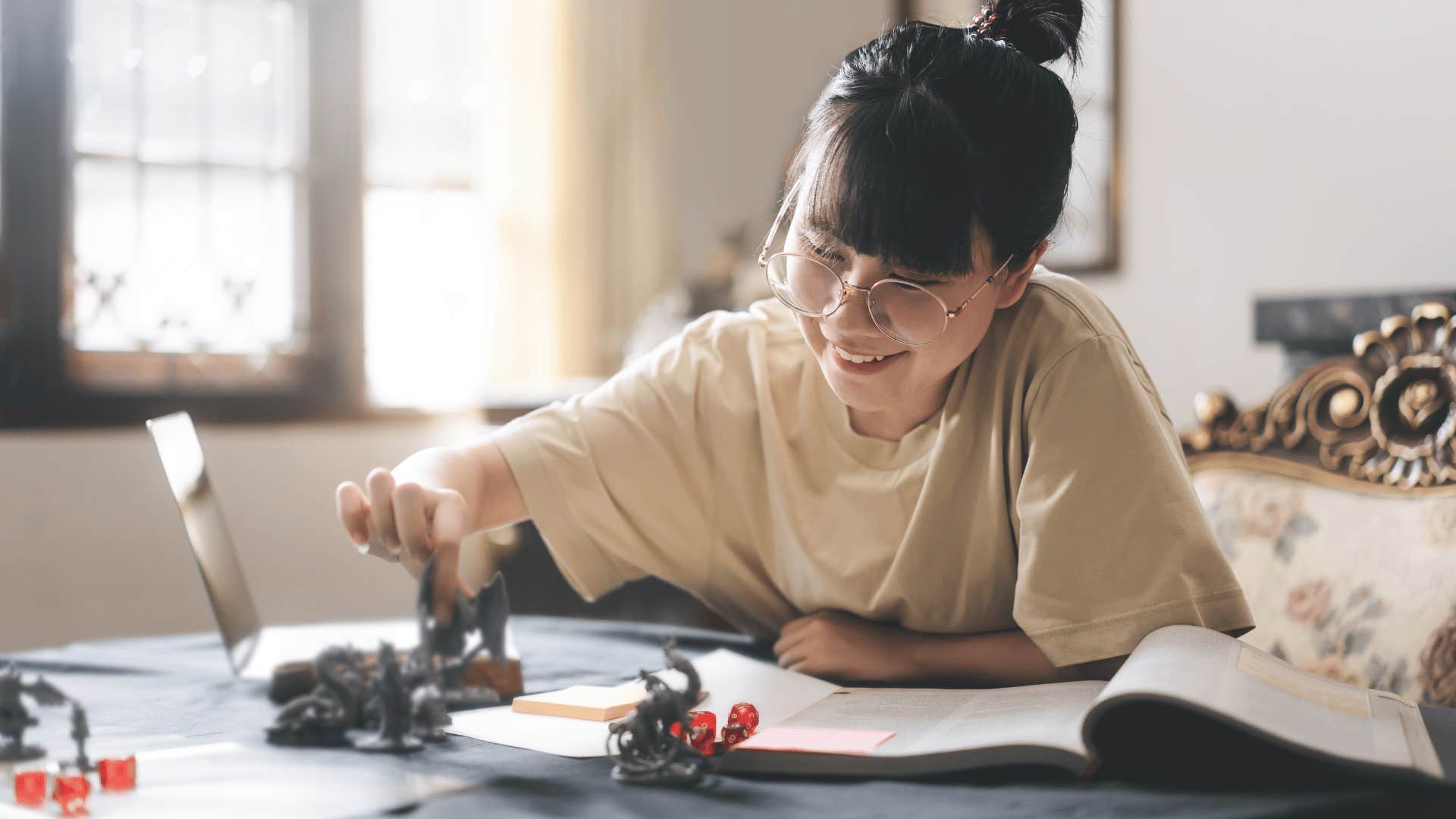
Tabletop role-playing games such as Dungeons & Dragons became a huge sensation in the 1980s. Roleplaying was novel, and there weren't video games like we have today with huge worlds and countless adventures.
The difference was that these tabletop games boosted creativity and a sense of community. As clinical psychologist Joel Frank, PhD, explained, Dungeons & Dragons can have a huge therapeutic benefit by providing a healthy amount of escapism and social support.
10. Collecting records
 Akaberka | Shutterstock
If you're into thrifting or any kind of collecting, this one totally makes sense. There's something about the thrill of the hunt that sparks joy in every collector.
As a matter of fact, according to board-certified neurologist and psychiatrist Shirley M. Mueller, M.D., "Far from being a frivolous pastime, collecting engages cognitive, emotional, and social processes that can yield benefits for mental health." It might sound crazy, but according to Mueller, collecting in general can improve stress and relaxation.
This is especially true when it comes to collecting music. After a long day at work, being taken back to the time when things were much easier is exactly what people need to turn a bad day around.
Marielisa Reyes is a writer with a bachelor's in psychology who covers self-help, relationships, career, family, and trending topics.
