
11 Basic 'Good Human' Manners That Most People Today Don't Live By Anymore
 PeopleImages | Shutterstock
 As social isolation grows and basic interactions with others become more sparse in our society, it’s not surprising that the traditional norms and manners that defined communication are dwindling. Many younger generations are struggling with social anxiety for a myriad of reasons, creating strained interactions that lack basic respect, decency, and consideration.
We’re all so caught up in our own problems, needs, and anxiety to make space for the basic “good human” manners that most people today don’t live by anymore, that other generations curated as second nature. It’s not because we’re inherently “bad” by any means, we’ve just forgotten how to balance empathy and social connectedness with personal fulfillment and comfort.
Here are 11 basic ‘good human’ manners that most people today don’t live by anymore
1. Saying ‘please’
 DC Studio | Shutterstock
Across all age groups and demographics, saying “please” is becoming a less common daily practice and manner, according to a study from Social Psychology Quarterly. Even if it seems like such a small daily practice, these are the tiny word choices that make a difference in sharing respect and decency with each other. They’re the guardrails in conversations that make people feel valued, seen, and heard.
Whether it’s online or in-person, saying “please” isn’t just about making someone else feel secure. Another study from the University of Connecticut found that other people also perceive us as more credible and polite when we make the space and time for these kinds of basic manners.
2. Being an active listener
 JLco Julia Amaral | Shutterstock
Good conversations and connections with other people start with feeling heard and having a safe space to express ourselves. Being around an active listener is a huge part of that, sparking the reward center in our brains and prompting a better feeling of closeness and understanding.
However, in our culture that’s becoming more centered on competition, “winning,” and status, most people are too caught up in amplifying their own success and voices to care about creating a space for honest conversations. They’d prefer to speak over and dominate the spotlight with people than actively listen and understand another experience.
Not only do interruptions hurt the flow of a conversation, but they consistently signal disrespect to the people we’re around, isolating and disconnecting us from truly positive interactions.
3. Saying ‘sorry’
 Mladen Mitrinovic | Shutterstock
Many people today are struggling to take accountability for mistakes, largely because they’re operating from a place of misguided superiority or sheer insecurity. As narcissistic tendencies rise in our culture, small basic manners like saying “I’m sorry” also dwindle.
Even if it’s bumping into a stranger on the street, “sorry” is powerful for considering and respecting others. We’re not so powerful or entitled as humans that we can’t take a few seconds to offer basic decency, and yet, with new childhood experiences and parenting styles prompting selfishness, it’s no surprise people refuse to.
4. Putting their phone away around other people
 VesnaArt | Shutterstock
The mere presence of a phone in a conversation, even if it’s not being actively used, interrupts the attention and connection people experience together, at least according to a study from Scientific Reports.
Even a few decades ago, when nobody had phones to distract them from conversations, it wasn’t always easy to be present. However, it was an expectation and an exercise in respect to being an active listener, even when it was easier to lean into personal comfort and convenience.
5. Holding a door for a stranger
 voronaman | Shutterstock
Opening and holding a door for a stranger is a low-effort, easy way to signal respect to people that we don’t know, according to a study from Psychological Science. Even if it’s easier to get caught in our own heads and seek convenience for ourselves, these small moments of connection and interaction with others make our lives more meaningful.
Individuality and personal ambition are great, but they don’t have to come at the expense of other people.
6. Letting people be excited
 iona didishvili | Shutterstock
In our current world, pessimism feels like the default. We struggle to allow people to thrive in their lives without jealousy or let people be excited in conversations without shutting their happiness down with a misguided sense of “realism.”
However, the truth is that good manners often stem from optimism and making the best of a bad situation. Not only does it boost our personal health and well-being, as a 2010 study suggests, but it also fosters stronger social connections and interactions that enrich our lives.
7. Asking before offering advice
 PeopleImages | Shutterstock
Even though it’s much easier to feel comfortable offering unsolicited advice when you’re close with someone, it almost always comes across as intrusive and unwarranted. Assuming that someone can’t solve their own problems or wants to “fix” away their emotions is bad manners, especially when they’re only looking for support and love.
Instead, try asking something like, “Are you looking for advice or do you just want support right now?” Be there to support people, even if it’s a stranger, with kindness and respect.
8. Letting people appreciate silence
 Irene Miller | Shutterstock
Being able to appreciate “awkward” silences in a conversation and pauses for reflection make for the best interactions. When someone’s trying to seek the spotlight and jump in to fill all the lulls in conversation, someone always ends up feeling overwhelmed or left out.
That’s why forcing people to talk or pushing people to “overcome” perceived shyness is so misguided. Someone might justify this behavior as trying to get someone “out of their comfort zone,” but it’s actually incredibly disrespectful to make someone feel like their only worth comes from contributions of loudness, rather than intentional silence and listening.
9. Acknowledging people’s kindness
 phM2019 | Shutterstock
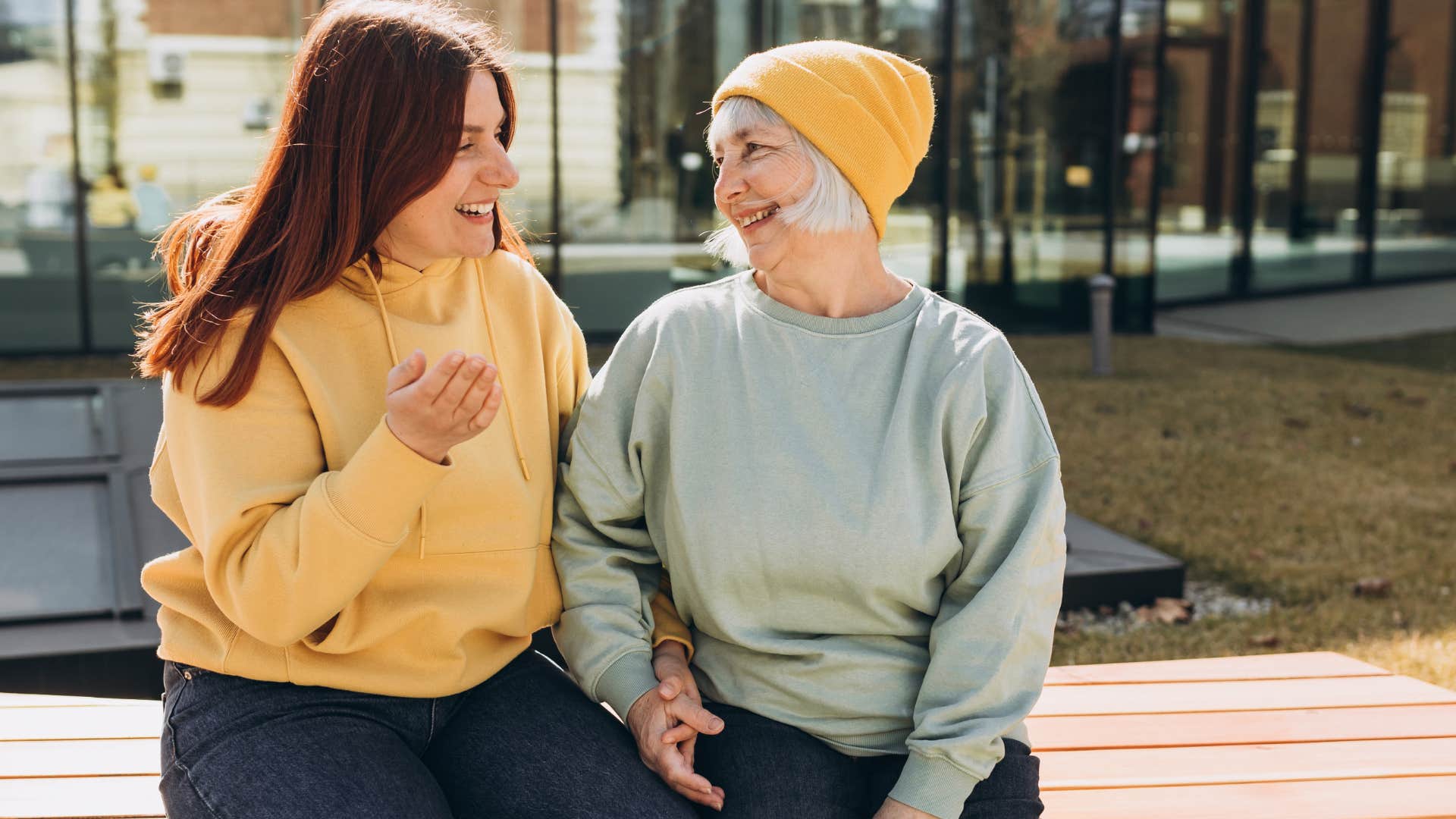
Happy people can boost their well-being and general happiness by leveraging kindness through small acts and manners. However, acknowledging those small acts of kindness and appreciating someone for making the time for them can also spread that contagious good energy to more than just the two of you. You’re making the world a better place by creating space for kindness, even if it’s just with a “thank you.”
In powerful ways, gratitude practices also boost our own personal health and happiness, according to Harvard Health experts. So, even if you feel somewhat entitled to ease and convenience from others, breaking that habit with gratitude can powerfully add value and connection to your life.
10. Remembering people’s names
 AYO Production | Shutterstock
Even though it’s not always easy to remember people’s names, especially when we’ve just met for the first time, coming back to a conversation and being able to address someone by name makes them feel valued and seen. It’s a small part of a big conversation or connection, but is also a powerful way to get off on the right foot.
Whether you need to play a mental game with yourself to learn someone’s name or simply ask a friend before entering a conversation, getting back into the habit of exerting effort on this small habit could make your social life more interesting and fun.
11. Greeting everyone in a room
 PeopleImages | Shutterstock
Especially in our culture that’s growing more isolated and socially anxious at the hands of convenience and screen time, it’s not surprising that basic manners in social settings, like greeting everyone in a room you just entered, are becoming less common. People don’t know how to manage their own anxiety while still offering respect to others, and it’s usually manners that go overlooked.
Even if it’s just greeting neighbors when you make eye contact and leave the house, these micro-interactions boost our well-being and happiness in powerful ways. It’s not just about using our own energy and time to offer respect. It’s a cycle of good that also impacts us in profound ways.
Zayda Slabbekoorn is a senior editorial strategist with a bachelor’s degree in social relations & policy and gender studies who focuses on psychology, relationships, self-help, and human interest stories.
