
Parents Who Don't Let Their Kids Learn From Their Own Mistakes Usually Do These 11 Things Without Realizing It
 Cira123 / Shutterstock
 Most parents step in when their kids seem to be at risk of failure because they care. It’s instinctive to want to protect your kid from anything that might set them back, so parents often do several things without realizing it that actually prevent their kids from learning from their own mistakes.
In the moment, helping can feel like the right move, especially when the solution seems obvious and the outcome matters. The challenge is that constant intervention can quietly change how a child learns to navigate the world. When every misstep gets corrected too quickly, the opportunity to figure things out on their own starts to shrink. Over time, that shapes how they approach responsibility, decision-making, and even confidence in ways that aren’t always easy to see right away.
Parents who don’t let their kids learn from their own mistakes usually do these 11 things without realizing it
1. They step in before their child has time to struggle with something
 Jelena Zelen / Shutterstock
When parents don't let their kids learn from their own mistakes, they don't allow their children to sit with discomfort long enough for it to become a problem-solving opportunity. A child might be working through something slowly, only to have the solution handed to them mid-process. The task gets completed, but the learning behind it stays incomplete.
Small moments like tying shoes and finishing homework are when independence begins to build. When those moments are interrupted, the focus shifts from figuring things out to waiting for help. The habit of relying on intervention can start to feel normal.
2. They fix problems quietly in the background
 BearFotos / Shutterstock
Some help happens out of sight. A parent might correct a mistake, smooth over an issue with a teacher, or handle something that the child never even realizes went wrong. On the surface, everything looks like it worked out.
What’s missing is the connection between the mistake and the resolution. Without seeing how something gets fixed, it becomes harder to understand how to handle it next time. The learning opportunity disappears before it fully forms.
3. They avoid letting their child experience natural consequences
 Evgeny Atamanenko / Shutterstock
Certain outcomes feel uncomfortable to watch, especially when they could have been prevented. Missing a deadline, forgetting something important, or making a poor choice can all lead to consequences that are part of learning.
When those outcomes are consistently softened or removed, the lesson doesn’t land the same way. The connection between action and result becomes less clear. Over time, it can make responsibility feel more abstract than real.
4. They over-explain instead of letting experience do the teaching
 Tatyana_Cheremukhina / Shutterstock
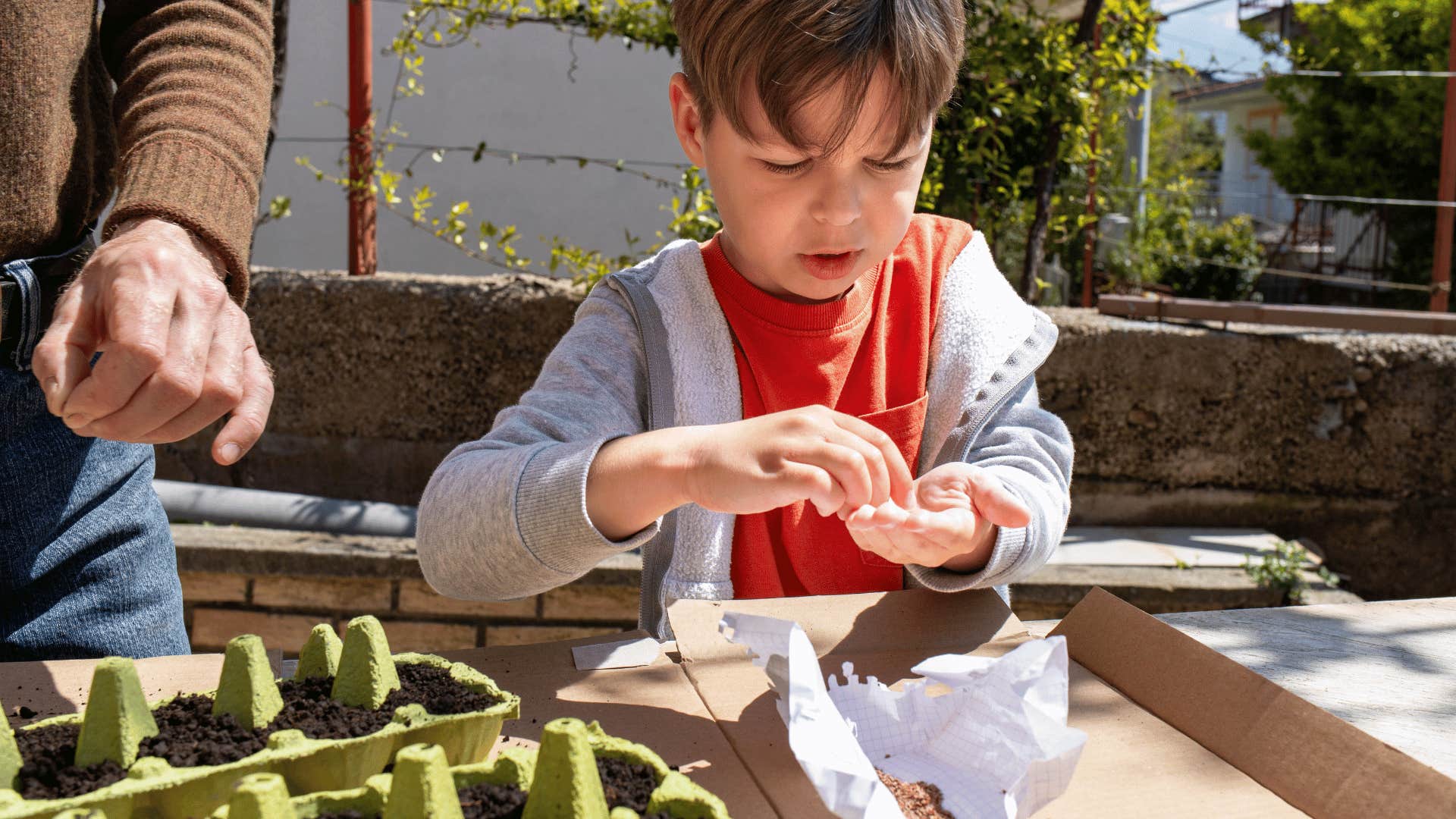
Advice is given in detail, often with the intention of helping the child avoid making the same mistake. While guidance has its place, too much explanation can replace direct experience. A child may understand what they’re supposed to do without fully understanding why it matters.
The difference becomes clear when they’re in a situation that wasn’t covered by the explanation. Learning through doing creates a different kind of understanding. It stays with them in a way that instructions alone often don’t.
5. They correct small mistakes immediately instead of letting them play out
 Dan Gutu / Shutterstock
Not every mistake needs an instant response. When every small error is pointed out right away, it can interrupt the process of figuring things out independently. A child may start looking for correction instead of checking their own work or thinking through what happened.
This shows up in situations where they pause and wait instead of continuing. The rhythm of learning shifts from internal to external. Over time, it becomes harder for them to trust their own judgment.
6. They step in during social situations to manage interactions
 Geber86 / Shutterstock
Social missteps can feel especially uncomfortable to watch. A parent might intervene during a disagreement, speak on behalf of their child, or redirect the interaction quickly. The situation gets resolved, but the child doesn’t get to practice navigating it themselves.
Moments like sharing, apologizing, or working through conflict are learned through repetition. When those moments are shortened or redirected, the experience doesn’t fully register. Social confidence develops through handling those interactions directly.
7. They prioritize immediate comfort over long-term growth
 yamasan0708 / Shutterstock
Helping often removes discomfort in the short term, which can feel like the right choice in the moment. A difficult task gets easier, a frustrating situation gets smoothed out, and things move forward without tension.
The tradeoff shows up later, when similar situations feel harder to handle independently. Growth usually comes with some level of challenge. When that challenge is consistently reduced, the process of building resilience becomes less consistent.
8. They give solutions instead of asking questions that guide thinking
 fast-stock / Shutterstock
Offering the answer is often faster and more efficient. Asking questions takes more time, but it invites the child to think through the situation on their own. When solutions are given right away, the thinking part of the process gets skipped.
This can show up in schoolwork, decisions, or everyday problems that have multiple possible outcomes. Guiding someone to an answer builds a different kind of confidence than providing it directly. It shifts the focus from getting it right to understanding how to get there.
9. They anticipate problems and remove them before they happen
 Dejan Dundjerski / Shutterstock
Planning ahead can prevent issues, but doing it constantly leaves little room for learning through experience. A parent might pack everything, double-check every detail, or handle situations before the child even encounters them.
The day goes smoothly, but the child doesn’t get to practice preparing on their own. Awareness of what could go wrong is something that develops through trial and error. Without that process, it becomes harder to build independence in new situations.
10. They hesitate to let their child make decisions that could lead to mistakes
 Dragon Images / Shutterstock
Choice involves risk, even in small ways. When decisions are consistently guided or limited, the opportunity to make and learn from mistakes becomes narrower. A child might get used to having options filtered for them rather than thinking through them independently.
This can show up in everyday choices like how to spend time, what to prioritize, or how to approach a task. Decision-making improves through practice, not just direction. Without that practice, confidence in making choices can take longer to develop.
11. They see mistakes as something to prevent rather than something to work through
 NDAB Creativity / Shutterstock
The overall approach shapes everything else. When mistakes are treated as problems to eliminate, the focus stays on avoiding them. When they’re seen as part of learning, the focus shifts toward understanding and improvement.
That difference influences how both the parent and the child respond in everyday situations. A child who is allowed to work through mistakes builds a clearer sense of how to handle them in the future. The experience becomes part of how they learn, not something to be avoided.
Sloane Bradshaw is a writer and essayist who frequently contributes to YourTango.
