
11 Behaviors That Reveal Someone Is Afraid Of Losing Their Independence In Love
 Jose Calsina / Shutterstock
 Most of us want to find love. Having a genuine connection with someone special can change our view of the world. We find comfort in companionship. However, some people struggle to adjust in romantic relationships.
Independence is important. In a healthy relationship, finding a balance between independence and companionship is achievable. Some relationships can blur the lines. The idea that someone has to give everything to their partner rather than taking time for themselves as well has become a stereotype. Some people may believe that finding love with someone means they are losing their sense of self. This can impact their romantic relationships. Even when something positive is happening, they may push the person away to maintain their independence.
These are 11 behaviors that reveal someone is afraid of losing their independence in love
1. They keep a safe distance
 francescoridolfi.com from Rido via Canva
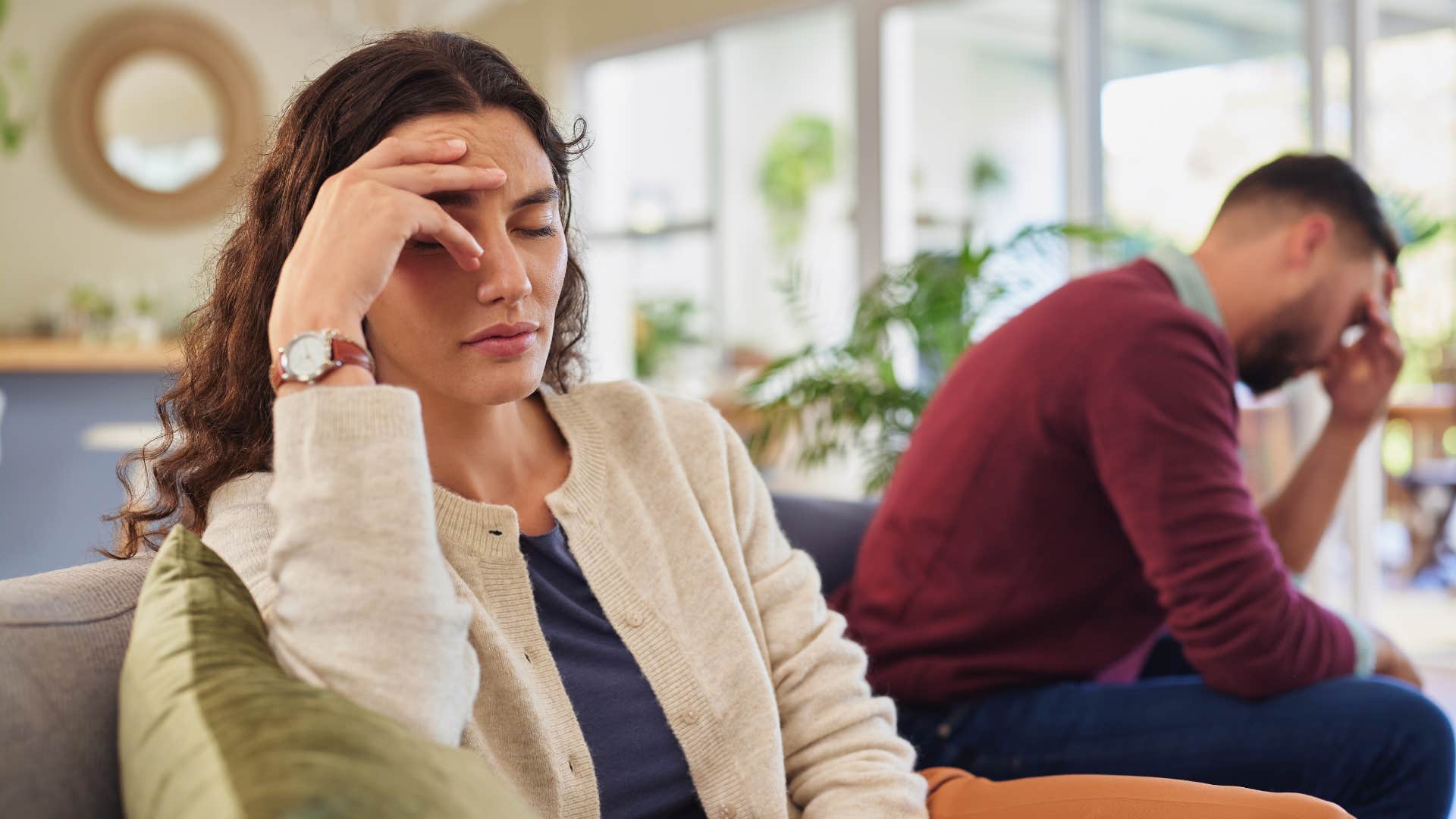
When someone is afraid of losing their independence in a loving relationship, they may choose to keep a safe distance. Getting too close to someone may make them feel like they are losing their sense of self. They enjoy their time with that person, but at a distance. They may not want to get too close. By keeping that distance, they may find an opportunity to keep their independence.
To maintain a healthy relationship, it’s important to practice interdependence. Instead of going all-or-nothing as a team or as individuals, this is a healthy balance. When someone deeply fears losing their independence in love, they may keep the other person at a distance, when there is a happy medium in interdependence.
2. They avoid commitment
 SolStock from Getty Images Signature via Canva
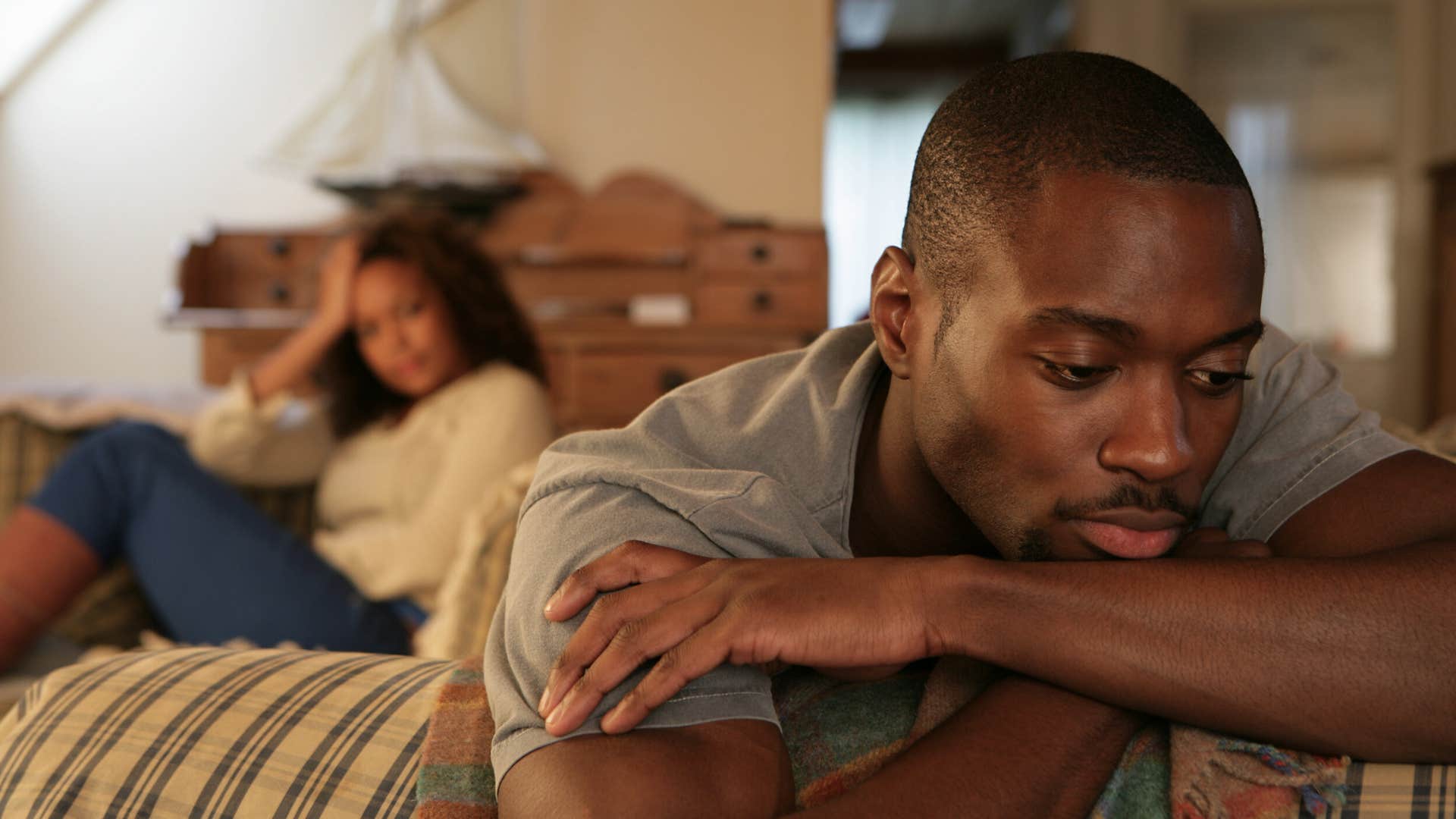
Someone afraid of losing their independence may still want to have someone special in their life. They can have relationships, but they prefer to keep a distance. Instead of giving in to love, they put up a wall. It scares them to think of their life being shared with another person. They’d prefer to keep their life in their own hands. Instead of sharing, they’d rather stay on their own path.
We’ve all heard of or even experienced commitment issues. Devoting ourselves to someone else can feel like we’re closing the book on ourselves. Someone afraid of losing their independence in love may choose to avoid getting into a committed relationship altogether.
3. They self-sabotage
 pixelshot via Canva
Have you ever been afraid of something, so instead of working towards it, you do everything in your power to force it away? This can be at work or in our personal relationships. When something seems new and scary, we can try to prevent it from happening. Even if it is in our best interest, we can self-sabotage. It’s the easiest way to keep ourselves safe from the unknown.
Someone afraid of losing their independence in love may engage in behaviors, whether intentional or not, that set their relationship up for failure. It could be second-guessing the other person’s intentions or convincing themselves that they are better off alone. Whatever the reason, self-sabotaging behaviors can be a coping mechanism when someone fears they are losing themselves in a relationship.
4. They put themselves first
 dimaberlinphotos via Canva
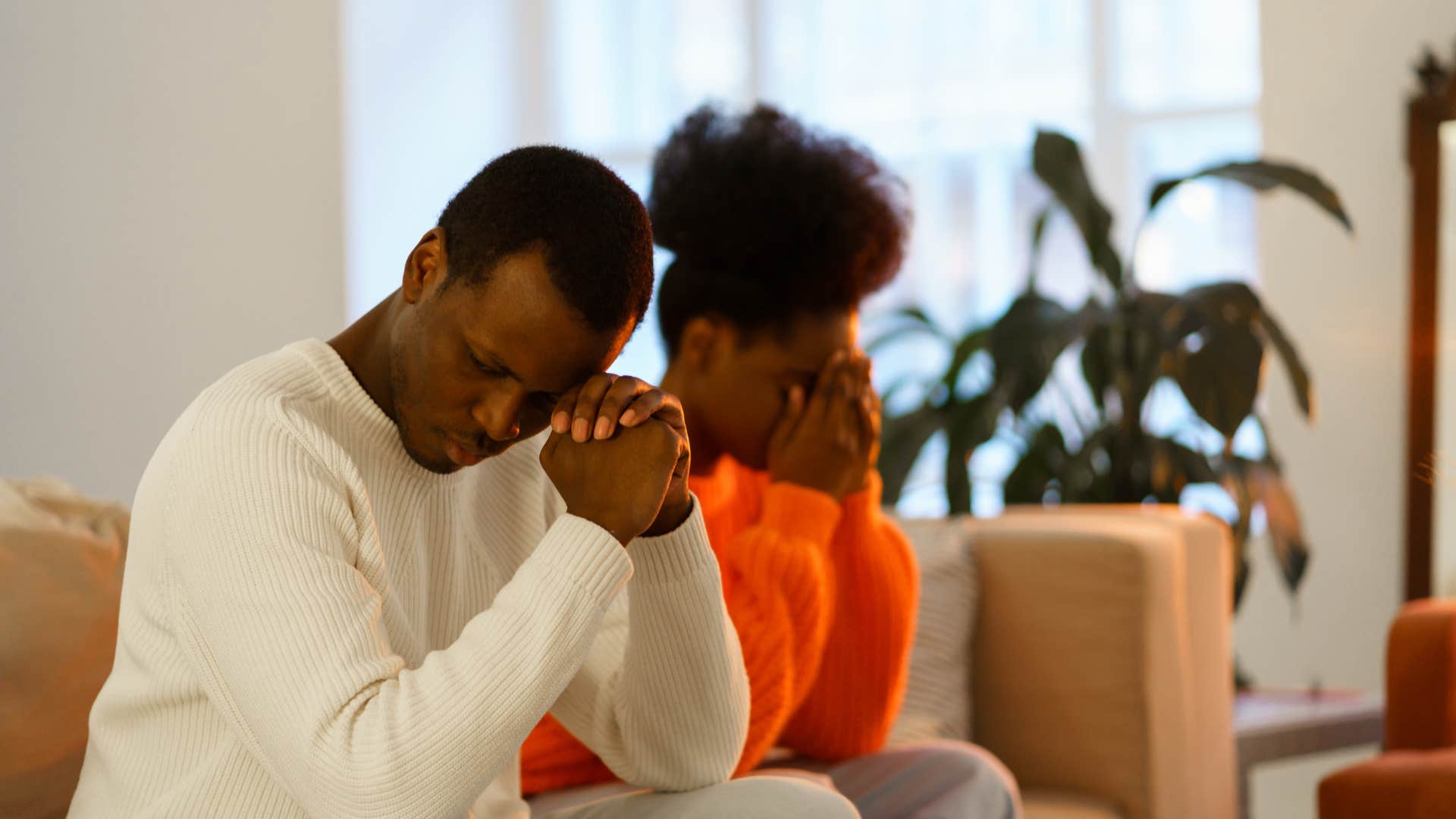
It’s not easy to put others before ourselves. While we can be naturally caring people, it’s not always simple to put someone else ahead of our needs. Independence can make us feel like we need to take care of ourselves and only ourselves. Some people may have been forced to take accountability for themselves at a young age. Not only can they be afraid of losing their independence, but they may be afraid of letting someone else in.
Instead of finding comfort in becoming a team with someone, a person who fears losing their independence in love may continue to put themselves first. If they have spent years taking care of themselves, letting another person in may be overwhelming. While they likely care about the other person, they put themselves first, out of necessity. Someone who is traumatized may take on hyper-independent behaviors.
5. They pull away when they begin to feel close
 Vasyl Dolmatov from Getty Images Pro via Canva
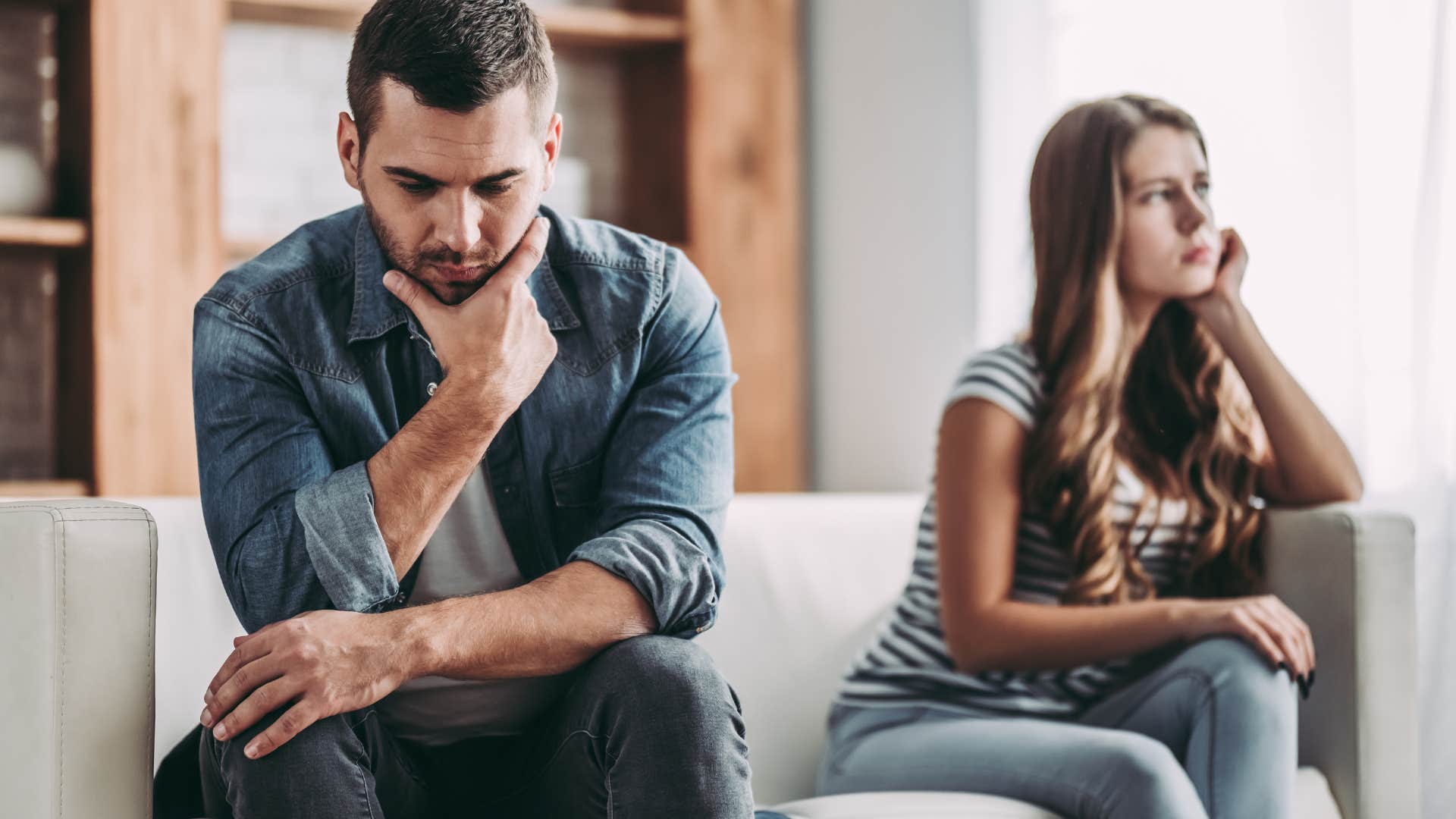
When someone fears losing their independence, they may pull away when they start to feel close to someone in a relationship. This can be a sign of avoidant attachment. A person with this type of attachment is known to be independent and self-reliant. They can have a hard time allowing themselves to be close to others. This can take shape in childhood. If someone endured an abusive or traumatizing relationship with their parents, they may feel the only person they can rely on is themselves.
They may pull away when they begin to feel close to someone because they fear losing their independence. Often, this type of person is used to relying on themselves for everything. When they pull away, it can be a way to maintain their independence, but it can also impact their romantic relationships.
6. They find flaws in everything
 shisuka via Canva
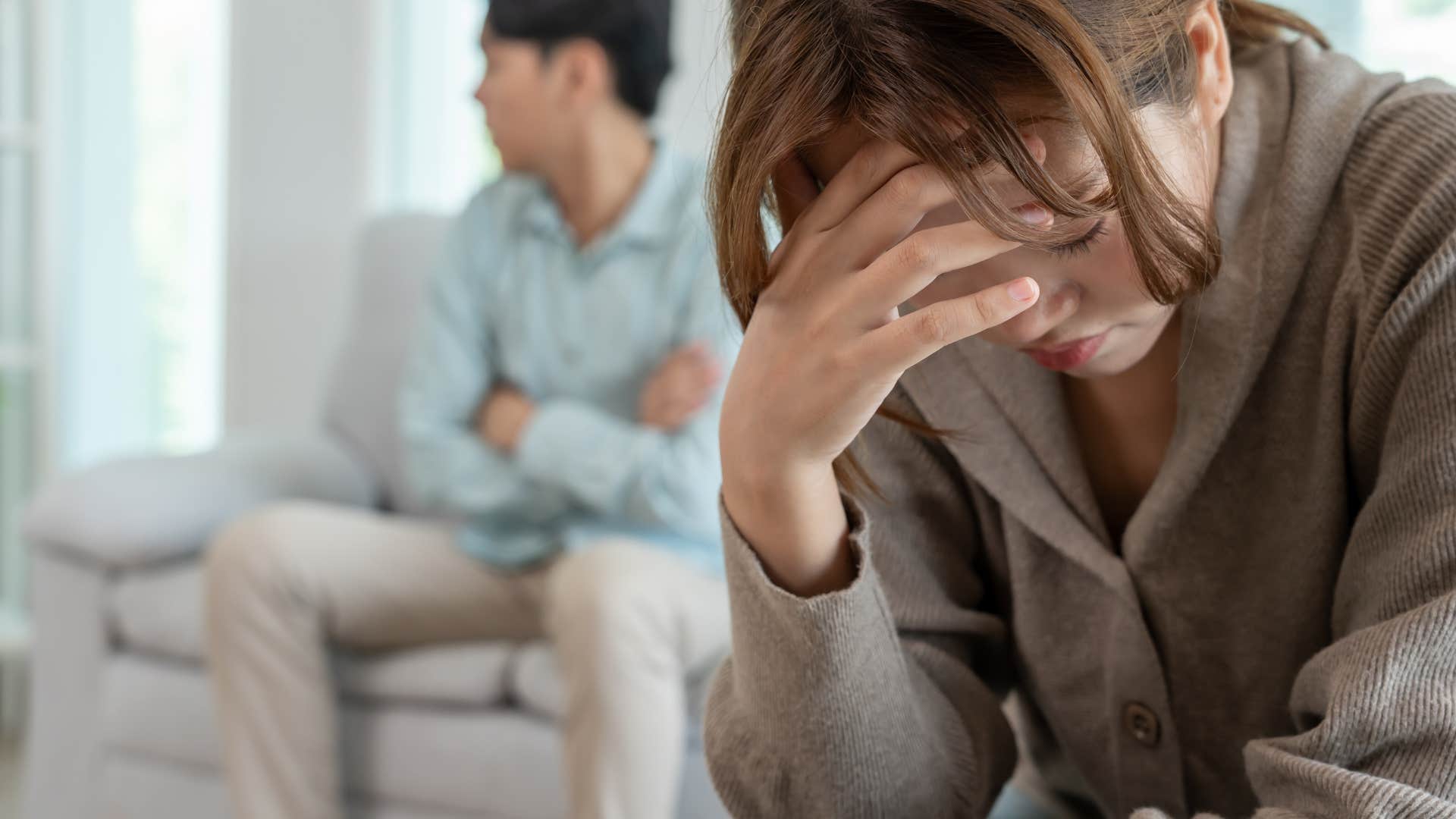
If someone is afraid of losing their independence in a loving relationship, they may choose to see the flaws in everything. To keep a distance from someone, they can try to avoid seeing the good in that person. They may think that by convincing themselves that the person or relationship was heavily flawed, they won’t have to feel guilty about leaving to maintain their independence. By finding excuses to stay away from them, they are reuniting with their independence. It may be the most important thing to them.
Finding flaws makes it easier to walk away. In most relationships, we have to come to terms with what we see as ‘flaws’ in our partners and work through them. If someone is more committed to their independence, they might avoid a relationship entirely if they notice anything off.
7. They avoid genuine connection
 Aflo Images from アフロ(Aflo)via Canva
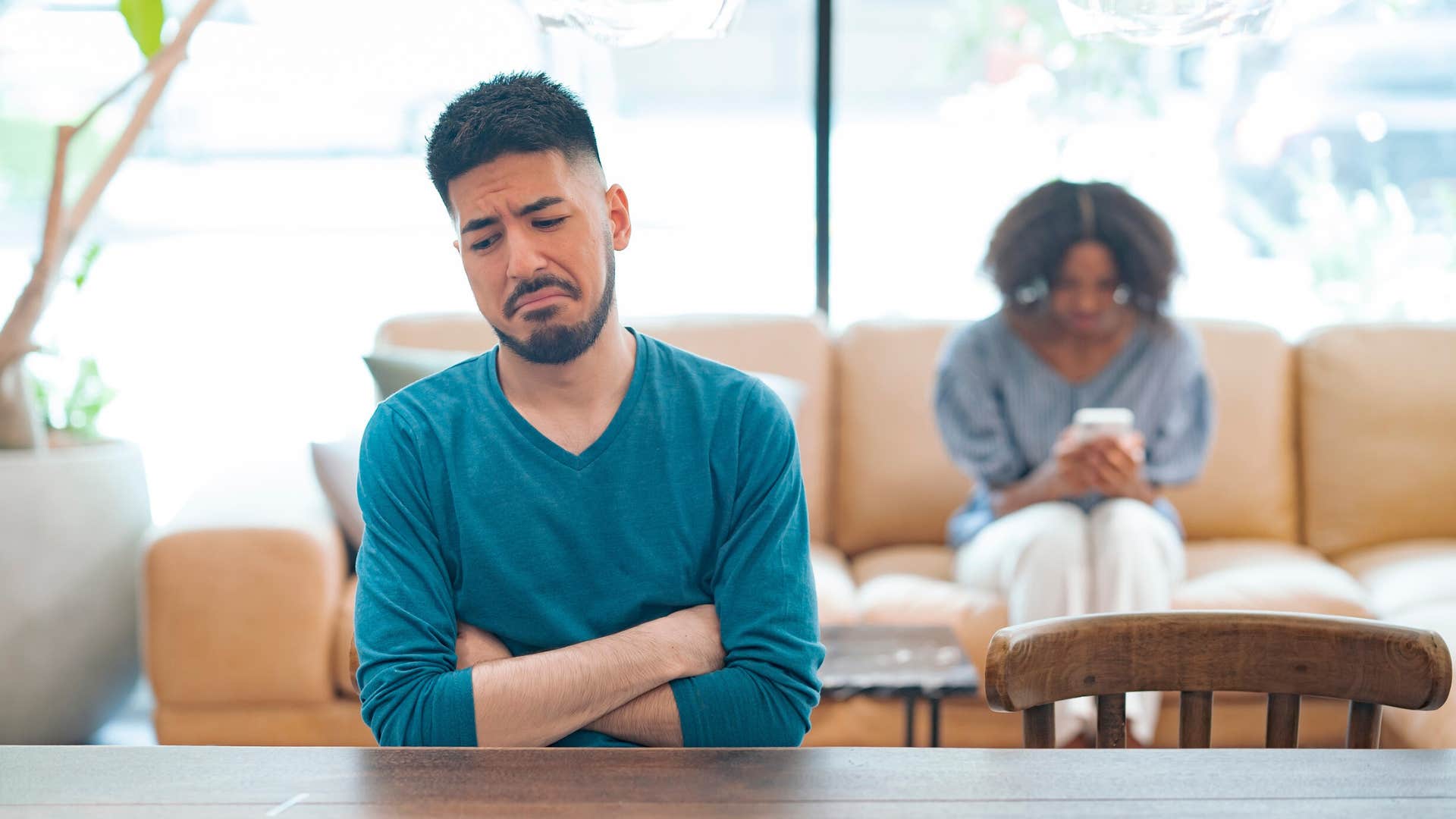
Every relationship needs a healthy, genuine connection. Both partners need to be on the same page. With genuine connection comes understanding. When someone is more committed to their independence than to finding a loving relationship, they may try to avoid connecting with people altogether. They may even tell you up front that they can’t connect with others.’ It can be an excuse they use to maintain their independence and escape any connection that could change their lives.
"Connecting with others is something that's good for everyone but it's especially helpful for those who tend to isolate themselves from others. Social relationships help fend off the damaging effects of isolation and loneliness," says Kendra Cherry, MSEd. Overly independent people may choose to isolate themselves from others to avoid losing their self-reliance.
8. They are not vulnerable
 Aflo Images from アフロ(Aflo) via Canva
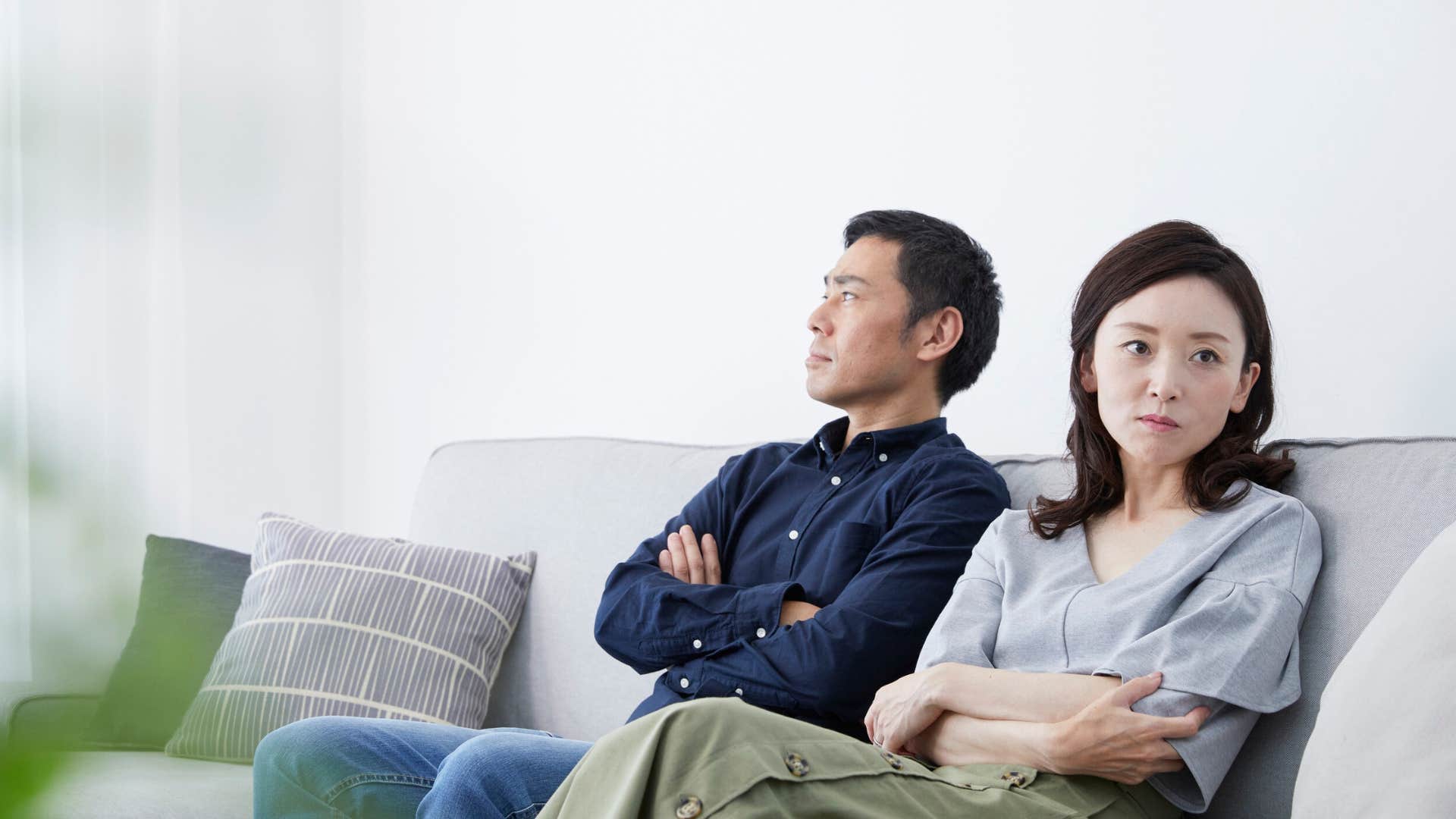
Vulnerability is important in loving relationships. Opening up and showing your true self to someone can be scary, but it is worth it. If someone values their independence and fears losing it in love, they may bottle up their emotions entirely. They may believe that keeping someone from knowing the true them will keep a relationship away. By not engaging with them emotionally, they can stay at a distance.
Being vulnerable builds connection. If someone is afraid of losing their independence, it may be easy to avoid showing this side of themselves to their partner. They likely care about this person, but they are more concerned with their sense of self.
9. They prefer short-term relationships
 Peopleimages.com - YuriArcurs via Canva
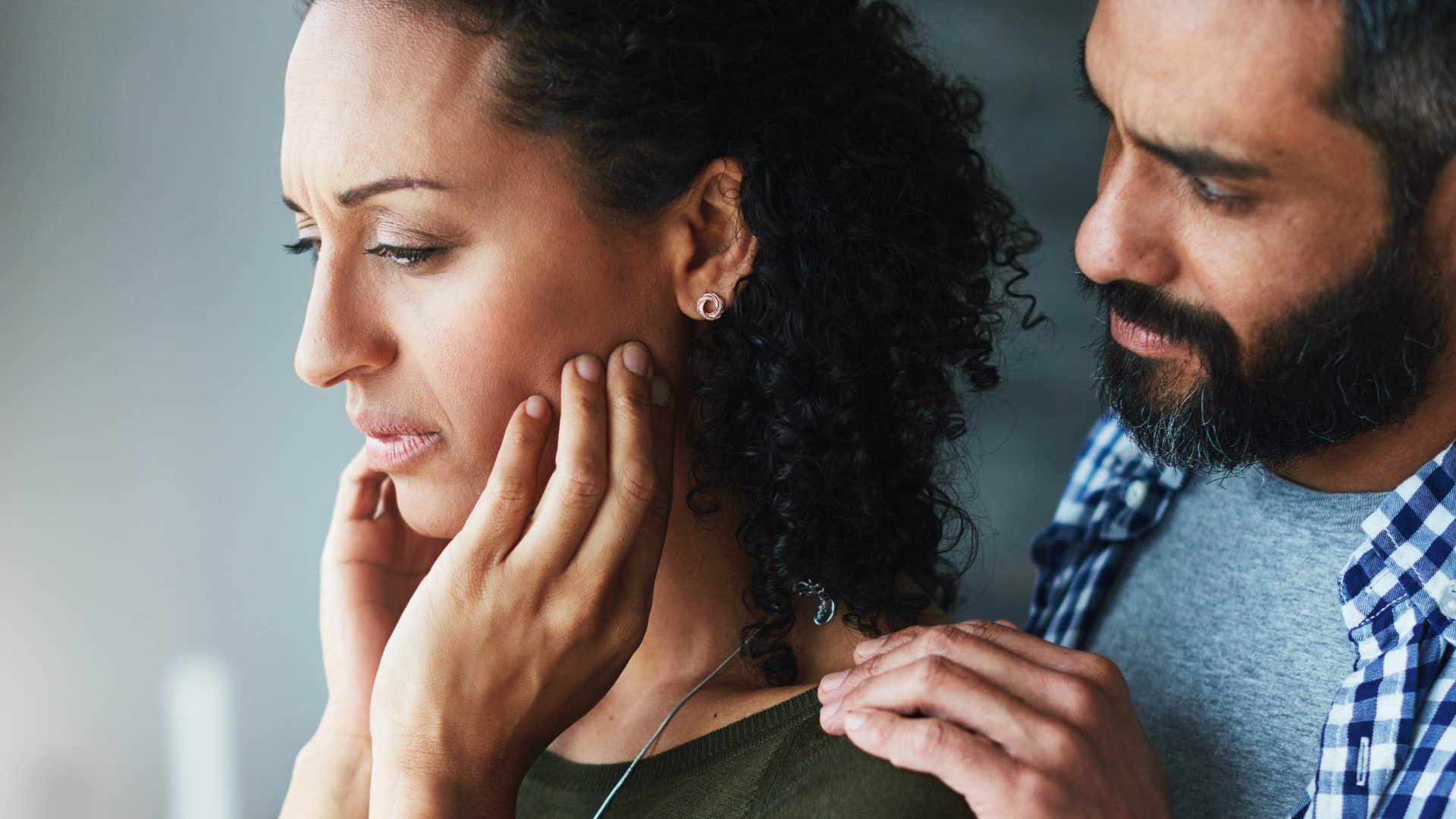
We all know someone who has never been in a true long-term relationship. We’ve seen them date often, but never have the same partner for a prolonged period. It’s easy to assume they have commitment issues, or they’d rather ‘play the field’ than settle down. The truth may have a deeper reasoning. It could be that while they want a happy relationship, they are afraid of losing their independence. Instead, they may walk away when things start to get serious and move on to the next option.
When someone chooses to stay in short-term relationships, it may be because they feel they have full independence. If it begins to feel serious at any point, they may walk away to avoid developing true, loving feelings for this person. They believe this is a way to keep their independence.
10. They blame their past partners
 EmirMemedovski from Getty Images Signature via Canva
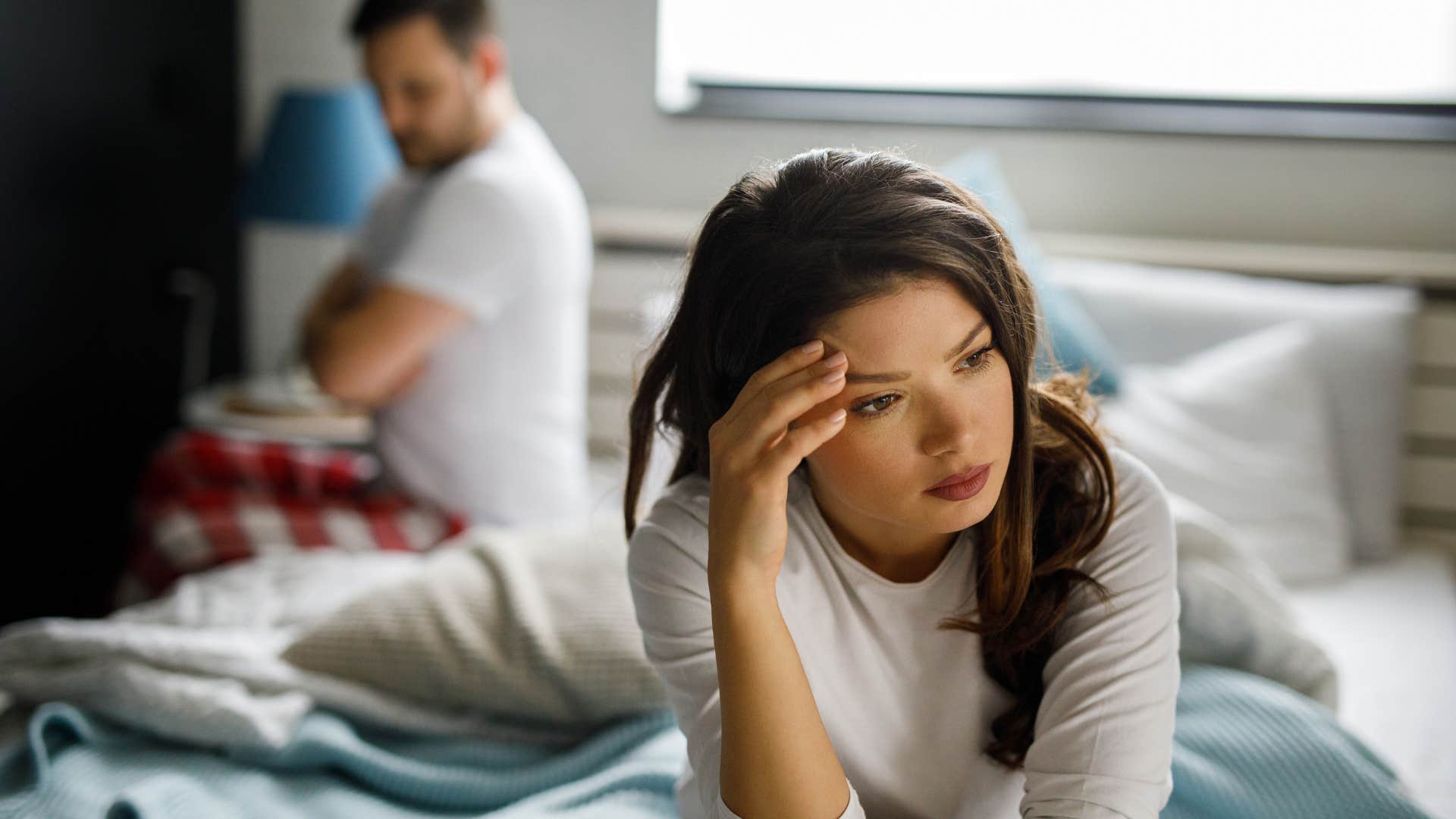
Instead of being honest about their need for independence, a person like this may blame their past partners for their current dating preferences. It may be easy for them to point the finger at someone else. Maybe they’ve shared how ‘crazy’ their exes were, or how they were lied to or cheated on. While these are all serious issues if true, someone who cares about their independence may be looking for any reasons to avoid committed relationships. Instead of being vulnerable and honest, they may try to cover their tracks.
They may say their past partners ruined their ability to give everything to a relationship. While this may be true, it can be frustrating to hear that they are afraid of losing their independence in a loving relationship.
11. They take control
 TITOVA ILONA from ilonakozhevnikova via Canva
When someone wants to maintain their independence in a relationship, they may try to take control. By holding the reins in a relationship, they are influencing its pace. They will look to avoid becoming fully committed and may do so easily if they are in the driver's seat. They may never give their partner the chance to become fully close to them. It’s all a coping mechanism to maintain their independence.
This person may make the relationship one-sided. You may notice you are making all the sacrifices and committing most of your time and yourself. Being in control of the relationship allows them to maintain their independence while keeping you around in the way they like.
Haley Van Horn is a freelance writer with a master’s degree in Humanities, living in Los Angeles. Her focus includes entertainment and lifestyle stories.
