
11 Things People Born In The 1960s Were Raised To Do That Make Their Lives Way Better Than Everyone Else
 Tatiana Gordievskaia | Shutterstock
 Of course, everyone's childhood experiences play a role in impacting their adult relationships, well-being, and health, especially for kids from the 1960s, who existed within a very specific socioeconomic and political context. Even though there are certainly parenting styles and family dynamic norms that are more than controversial today, there are still things people born in the 1960s were raised to do that make their lives way better than everyone else.
From independence to maturity without an option to rely on parents to solve all their problems, it's this generation of adults who had to learn to be resilient without a "Plan B." That's just how they were raised, and it's taken them quite far.
Here are 11 things people born in the 1960s were raised to do that make their lives way better than everyone else
1. Appreciate their alone time
 Irina WS | Shutterstock
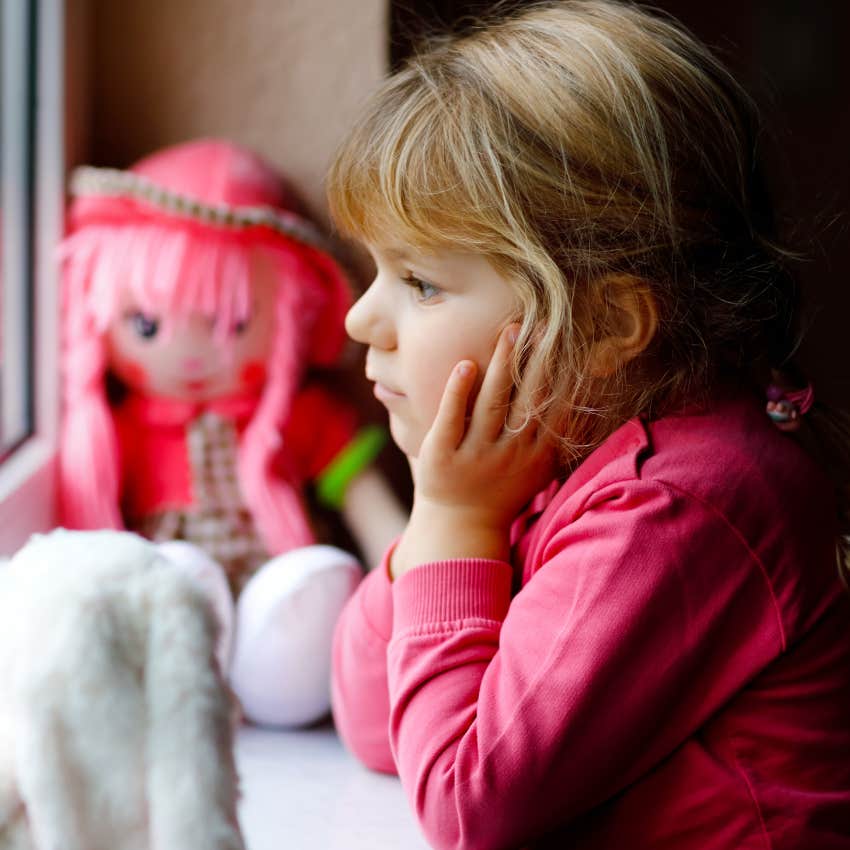
Without a cell phone to entertain them after school or the internet to ask a question when they were bored, many kids in the 1960s had to learn to appreciate their alone time and work through boredom without constant stimulation. Their parents weren't spending hours appeasing their need for entertainment. They were expected to cultivate their own interests, solve their own problems, and cure their own boredom.
It's this alone time that built their emotional resilience, independence, self-reliance, and creativity. These are all of the things that truly boost their well-being and happiness as adults.
2. Try before asking for help
Kids who were born in the 1960s often grew up needing to solve their own problems and manage their own responsibilities without a ton of parental oversight. An "overbearing parent," that many modern kids face every day, was an anomaly.
They were expected to fix things, or at least try, before asking for help. They needed to have hard conversations with friends and teachers themselves before asking a parent to come in. They had to learn things from watching, practicing, and making mistakes, often without immediately appealing to a parent to ease their discomfort.
3. Wait for things
Compared to our comfort-and-convenience culture today, where most people seek instant gratification and stimulation, kids born in the 1960s were taught the power of waiting. Whether it was saving their own money for a toy they wanted or finding ways to entertain themselves when they felt bored, these are the things that truly make their lives better than everyone else's today.
According to psychology professor Bobby Hoffman, this kind of appreciation for delayed gratification also improves brain health and function, protecting people from developing struggles with concentration and memory.
4. Say 'sorry'
With the expectation to be independent and responsible from a young age, many kids born in the 1960s learned small habits, like apologizing and taking accountability, that we overlook today. Especially amid gentle parenting trends in the modern world, which tend to address kids' emotions, but sometimes also justify them and invalidate the people they hurt, it's not surprising that their adult relationships are negatively affected.
Kids from this time period were expected to handle conflict on their own, even if it was only with friends or siblings at home. They had to mature through practice and learn to get comfortable with accountability in the face of discipline, so they're much less likely to run from it as adults.
5. Spend time outside
 FamVeld | Shutterstock
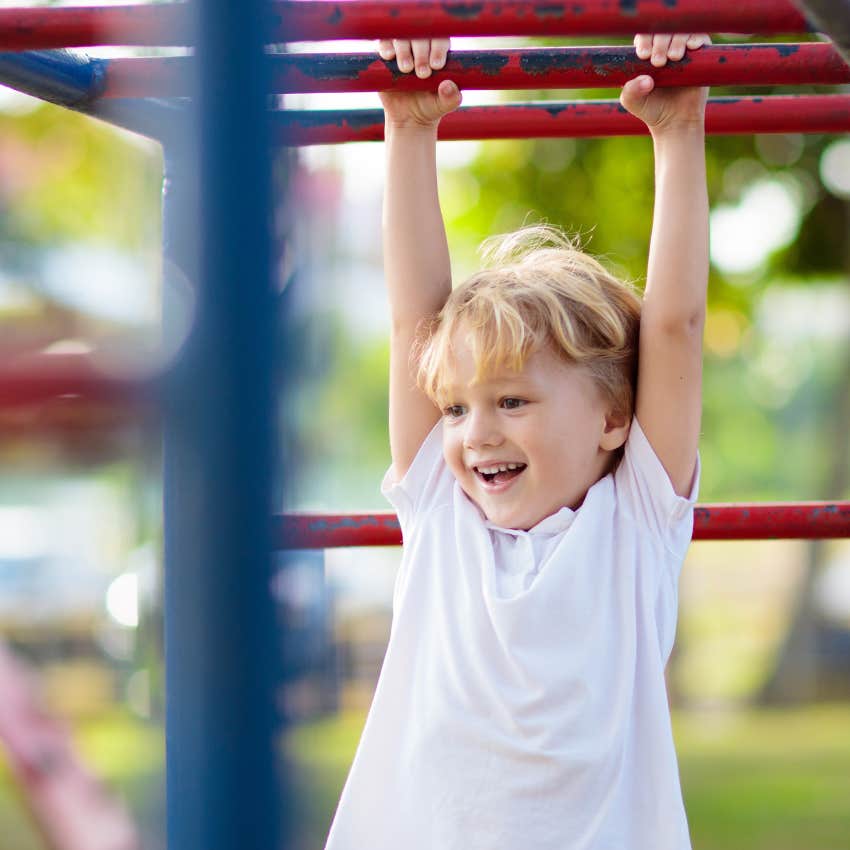
From spending unsupervised time playing in the woods or appreciating the art of movement outside, this mindfulness and relationship with nature is one of the things people born in the 1960s were raised to do that makes their lives way better than everyone else today.
According to a 2023 study, spending more time outside in nature is important for kids. Not only is it often associated with better physical health, but also a number of mental, socio-emotional factors. As adults, it's these children who know how to make space for a relationship with nature, but also who likely have better relationships with themselves and others.
6. Respect privacy
While there are certainly things today that we've revealed are important to talk about that were once taboo, from mental health to money, there is a certain level of privacy that contributes to happiness and well-being. From keeping personal goals to yourself before sharing them with the world to focusing on your happiness before appealing to external validation, it's these small decisions that make people happier.
Of course, talking to strangers and being somewhat open in the world is also important for well-being and happiness. But for the most part, privacy is one of the things people born in the 1960s were raised to do that makes their lives way better than everyone else.
7. Use their hands
Whether it was helping with woodworking projects with their fathers or going outside and spending hours managing their boredom in the woods, working with their hands and connecting back to their bodies are things people born in the 1960s were raised to do that make their lives way better than everyone else today.
Of course, in the 60s, the sentiment behind these hobbies and habits wasn't necessarily framed in the "mindfulness" or "alignment" way, but they were still powerful for making people feel more grounded and powerful.
8. Show up on time
While many people today consider chronic lateness or poor time management to be a "quirky" personality trait, showing up on time was one of the things people born in the 1960s were raised to prioritize that makes their lives better than everyone else today.
Whether it was getting to school on time without parental supervision, or getting jobs from a young age and learning how to value being timely, their success in adulthood is largely tied to and dependent on their punctuality.
9. Be respectful toward people
 MISTER DIN | Shutterstock
Despite being relatively old-school in manners and social norms, respect toward elders and families are things people born in the 1960s were raised to embrace, which makes their lives way better than everyone else. Of course, there's a certain level of pushback to these respect expectations today, encouraging people to avoid tolerating misbehavior from people who don't deserve their respect; but for most, it taught them how to be respectful.
Not only is mutual respect important and necessary in their adult relationships today, it's also important for their own self-esteem. Learning how to respect yourself with healthy habits, conflict resolution, and direct communication is key to their well-being today.
10. Be resourceful
Especially in the 1960s, when kids were often operating from very specific socioeconomic contexts in their world, it's not surprising that they were taught to be resourceful. They were expected to face adversity and hardship head-on, in ways that often built their resilience, as a study from Frontiers in Psychiatry explains.
Independence and maturity were grown through practice for these kids. The generation of kids that played outside unsupervised, helped their parents without allowances with household labor, and watched their siblings from a younger age than might be socially acceptable today. As adults, they're naturally resilient and resourceful, because they've been practicing the skill forever.
11. Build personal identity
Without social media trends and internet accessibility to fill all of their boredom with constant stimulation and pressure to compare themselves with others, building personal identity was one of the things people born in the 1960s were raised to do, which makes their lives way better than everyone else today.
Their self-esteem, identity, and personal interests were based on reality. Whatever they were facing or experiencing in their real life was what formed who they are as a person, compared to many kids today who build community and learn to "be themselves" based on what they're seeing online and coming across on social media.
Zayda Slabbekoorn is a senior editorial strategist with a bachelor's degree in social relations & policy and gender studies who focuses on psychology, relationships, self-help, and human interest stories.
