
Boomers Seriously Judge Millennials Who Parent Their Kids In These 11 Soft Ways
 Pressmaster / Shutterstock
 A parent is the most influential person in a child’s life. It’s no surprise that they mold them into the people they want them to be. The boomer generation grew up with more hands-off parents. The Greatest Generation was more stoic than other generations. As a result, they were less affectionate to the boomers.
Boomers took what they learned from their parents and brought it into their own parenting style. They were also stoic and raised Gen X often as latchkey kids. They spent time alone at home while their parents worked. They believed in children taking accountability for themselves. Now, they’re watching millennials step in as parents and are seriously judging them. Boomers believe these parents are too soft on their kids and need to enforce stricter boundaries, similar to the ones they set for their own children.
Boomers seriously judge millennials who parent their kids in these 11 soft ways
1. They believe millennial parents shouldn't put their kids' feelings first
 blackCAT from Getty Images Signature via Canva
Gen X struggled to feel heard by their boomer parents. When they were coming of age, emotions were not taken into consideration. As they were raising children, they prioritized behavior over emotions. They encouraged their children to act a certain way, rather than trying to understand how they felt.
Millennial parents have a softer approach with their children. They encourage them to share how they feel in moments of stress. When their child is misbehaving, they understand that their child is feeling a certain way, which causes them to act that way. All boomers see is how the child is acting, and think it’s soft to put their feelings before enforcing behavior control.
2. They don't agree with gentle discipline
 Karola G from Pexels via Canva
One study found that 73% of millennials believe their parenting techniques are better than those of the prior generations. 3 in 4 of those parents said they practice gentle parenting. Instead of harsh punishments, they believe in gentle discipline. They prefer having a conversation and hearing their children’s point of view. However, boomers are not happy with this.
"Gentle parenting should not be confused with permissiveness and accommodation of behavior,” says Miller Shivers, PhD, pediatric psychologist in The Pritzker Department of Psychiatry and Behavioral Health at Lurie Children’s. “Children need limits and a certain amount of structure to best function. I worry that the emphasis on gentle parenting leads parents to believe that they have to be ok with all kinds of negative behavior from their children and that they cannot set limits and have consequences.”
3. They think they listen to their kids’ opinions too much
 Aflo Images from アフロ(Aflo)via Canva
We’ve all heard the term ‘OK, boomer.’ It’s a reflection of how some believe they cannot have an open conversation with the generation. Many Gen Xers felt that they were told to sit down and be quiet. They were never asked for their opinion because, in the end, their boomer parents would make the decisions. Boomers encouraged their children to be agreeable.
Millennials, however, are giving their children the chance to speak up. Gentle parents are more open to hearing their child’s thoughts on things as individuals. They allow them to participate in decisions. Boomers think this is too soft and that children's opinions shouldn’t come before parents’ decisions.
4. They believe they are too protective
 Yuganov Konstantin via Canva
Overprotective parents impact their children. Without letting them experience things to prevent them from getting hurt, they are denying them the ability to think independently and problem-solve. Millennials have been called ‘helicopter parents,’ where they are constantly keeping an eye on them and controlling the situations they experience. Boomers find this form of parenting to be too soft.
Boomers raised their children with less supervision. Usually, both parents would work, and their Gen X kids grew up spending time alone at home. They allowed them to walk home from school on their own and granted them the independence to go outside and play until it got dark. They think millennial parents are depriving their children of this opportunity.
5. They think they are afraid to raise their voices
 kate_sept2004 from Getty Images Signature via Canva
There is a good chance that we’ve all been yelled at by our parents at some point. Older generations chose coarse words as a way to discipline their children. Since that behavior was mirrored, generations following have also taken this approach. Whether they wanted to or not, it is learned behavior. Boomers think a raised voice prevents bad behavior, but millennials think the opposite.
There are times when raising your voice can be necessary. It could be cheering them on at a sports game or telling them to get out of the way of danger. However, in a discipline setting, some experts are on the side of millennials. “But when it comes to correcting behavior or compelling children to do something… maybe not so much,” says UConn Health assistant professor of psychiatry Damion Grasso. Boomers may think it is soft, but there is evidence otherwise.
6. They think they put too much emphasis on mental health
 digitalskillet from Getty Images Signature via Canva
Research shows that there is a generation gap when it comes to mental health awareness. Younger generations are more likely to take their mental health seriously, while the older ones neglect theirs entirely. Boomers stigmatized conditions like depression and anxiety. When they were growing up, these illnesses were painted in a negative light. They had a shallower understanding of mental health.
Millennials grew up with more awareness. While some of their parents may not have nurtured their mental health, there was more understanding about the importance. Millennials are prioritizing mental health in their children, but boomers may see it as soft and unnecessary.
7. They believe they allow their children to say no to them
 Mütecevvil from corelens via Canva
Boomers believe in children complying with the wishes of the adults in their lives. They were strict, often demanding them to follow their rules. When they were giving directions, they expected their children to listen. There was no space for their kids to share how they felt. Saying ‘no’ just wasn’t an option. They believe that modern parents giving their children a chance to say no to things they do not want to do is making them weak.
Millennial parents treat their children as individuals. They want to hear what they have to say. Sometimes, they may have a good reason why they say no to something asked of them. Millennials allow them a chance to explain, while boomers believe that is making them soft.
8. They use 'therapy language'
 kate_sept2004 from Getty Images Signature via Canva
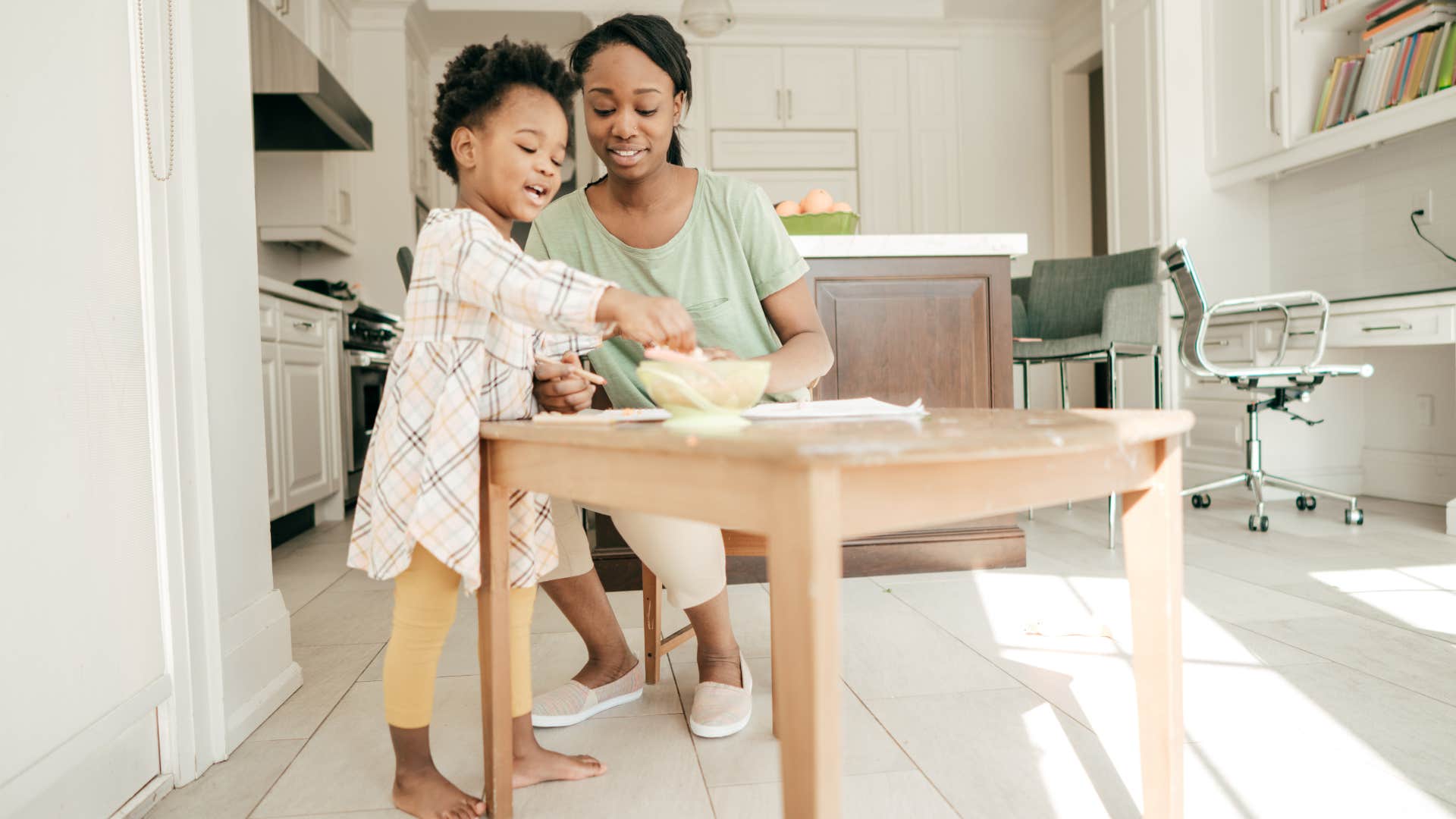
‘Therapy-speak’ has become a phenomenon. It’s the idea that someone speaks about serious subjects in a thoughtful manner. Instead of giving their children a firm talking to, they use open dialogue to have a genuine conversation. This encourages emotional intelligence. However, it is not a universal form of parenting. Boomer parents might not understand this form of conversation, especially when a child is in trouble.
Asking how their child feels and what they need in the middle of a stressful situation can bring mixed feelings. Millennial parents see the positives, while boomers may think it’s making children weaker. They could believe that a firm conversation teaches lessons, while therapy language makes them soft.
9. They think they don't hold their children responsible
 FatCamera from Getty Images Signature via Canva
I’ve seen videos on social media of children acting out in public. Instead of being told to improve their behavior, their millennial parents are encouraging it. They find it funny and want to share it online for engagement. It’s frustrating to see. I can understand why boomers feel they are not holding their children responsible for their behavior.
If their children acted poorly, boomers held them accountable. They didn’t allow them the opportunity to challenge the rules. While there is some evidence to show that children who have a say in their rules are more likely to follow them, boomer parents believe this is out of line. They do not think they are setting their children up for success.
10. They think millennial parents are too highly involved
 kate_sept2004 from Getty Images Signature via Canva
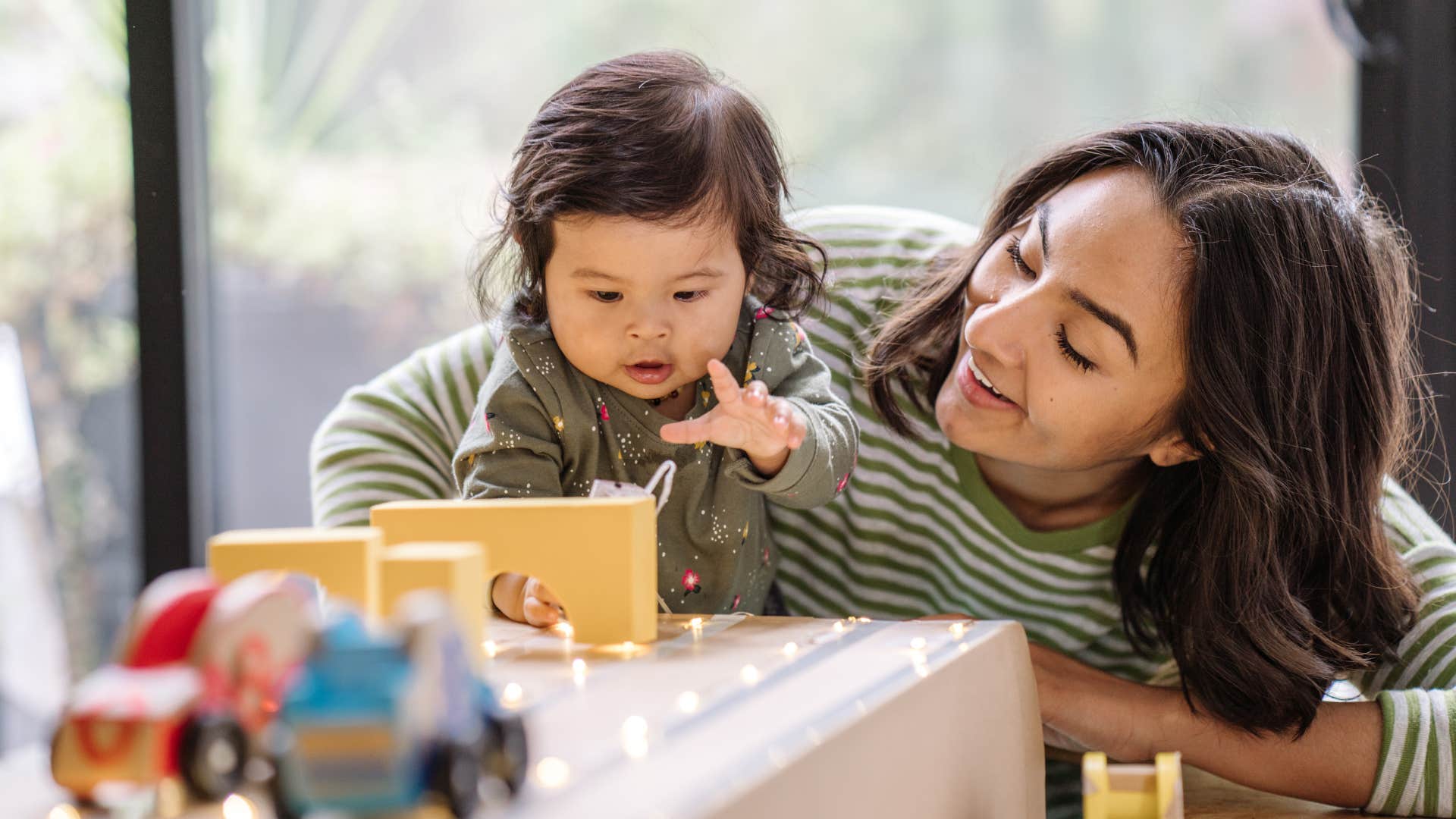
Some boomers could not be involved in their children’s lives. They prioritized work and their household chores ahead of their children, feeling that they were independent enough to care for themselves. Millennial parents, on the other hand, are overly involved in their children's lives. They want to attend every school event and meet all of their children's friends.
Boomers and millennials are clashing over this. Although they are juggling career and personal lives, studies show that today’s parents spend more time with their children than they did 50 years ago. Boomers may think they are making their children soft by being highly involved.
11. They think their kids aren't tough enough
 Vlada Karpovich from Pexels via Canva
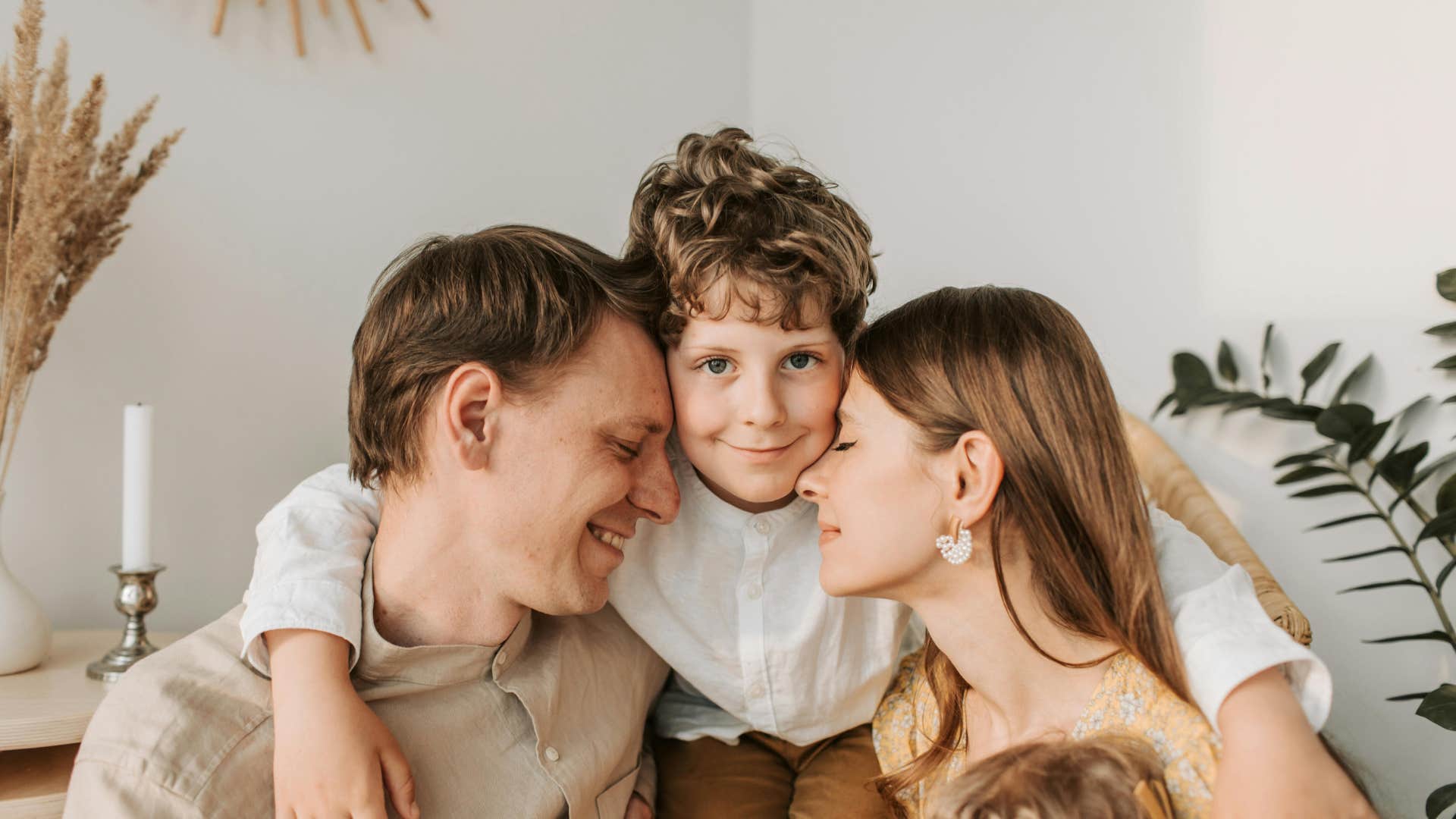
We’ve all been told by our parents or grandchildren to ‘toughen up’ at some point. Whether it’s how we handle our emotions or the way we give in to pain when we fall on the play structure, they encourage us to be strong. Of course, there is a positive side to being encouraged to have thick skin. It can prevent over-sensitivity in the future. However, with children being more in touch with their emotions and encouraged to share them, they may think they are softer than the children they raised.
Boomers may believe that kids these days require more attention. They find that their parents and other caretakers are quick to give in when they are upset, making them, in their opinion, weaker.
Haley Van Horn is a freelance writer with a master’s degree in Humanities, living in Los Angeles. Her focus includes entertainment and lifestyle stories.
