
People With Actual Morals Almost Always Say These 11 Phrases When They Talk To You
 Krakenimages.com | Shutterstock
 Morality existed long before influential philosophers, such as Aristotle and Immanuel Kant, developed their own moral theories. It has existed alongside humanity since the beginning of time. Despite its deep-seated impact on all societies, not everyone lives by their moral compass.
People who do have actual morals almost always say certain phrases when they talk to you that convey their high standards and values. When you hear a person speaking this way, you can learn a good deal about what they consider right or wrong and how they translate those beliefs into action in their daily lives.
People with actual morals almost always say these 11 phrases when they talk to you
1. 'I'm sorry I did that to you'
 fizkes / Shutterstock
People who have morals will want to show their respect and care for other individuals. When they have wronged someone, their initial reaction to this will be to apologize for what they have done.
A 2019 study found that the main correlation between sincere apologies and a person’s morals is the understanding that without correcting wrongdoings and taking accountability for them, relationships begin to deteriorate, and an individual's reputation can be greatly damaged if they feel as though they never do wrong. This makes a person realize the moral goodness and importance of apologies and seeking forgiveness for their bad behaviors.
2. 'I was wrong'
 PeopleImages / Shutterstock
A person understanding when they are right and when they are wrong alone does not always show that they have a selfless moral compass. If someone claims to understand and take responsibility for being wrong in a certain situation, what guides their moral reasoning typically determines whether they actually have morals.
A study published by the National Library of Medicine found that individuals who are morally guided by reputation management motives will typically be more morally harsh toward other people than they are to themselves. However, when someone chooses to do what is morally right because they use it to define their self-identity, they usually act in a much less selfish manner. These individuals will be more likely to show compassion toward others. Because they seek self-validation to determine their identity, they will own up to their actions without being hypocritical.
3. 'That's not right'
 fizkes / Shutterstock
When a person has moral reasoning, they are able to identify when something is not right or is unfair. This person will typically be vocal about these things and will not hesitate to call others out if they feel that they are treating someone else poorly.
Research shows that individuals who develop moral reasoning usually call for societal change when they recognize that something is unjust and wrong. It allows these individuals to understand when things become unacceptable and when there is a definite need for change.
4. 'You can count on me'
 fizkes / Shutterstock
When a person has actual morals, they will want to be supportive in group settings and act in ways that benefit the group overall and themselves. This will typically be shown through the way that these certain individuals behave while in these settings and whether or not they can be counted on.
Being a member of a group greatly defines a person’s self-identity. What they consider to be morally wrong or right is not only determined by their internal compass, but it is also the result of the moral guidelines that society puts into place, according to research. A person with morals influenced by socialization will view social exclusion in a negative light because it impacts the way they view their own moral character. They want to adhere to societal expectations of morality so that they will be viewed as supportive, trustworthy, and reliable.
5. 'That's a great point'
 fizkes / Shutterstock
Social connection and fairness are two major values of a person who possesses actual morals. When a person is presented with information of a viewpoint that they do not agree with, they are faced with a moral dilemma. In that moment, they can either embrace someone else’s ideas or act immorally and make the other person feel like their beliefs are not accepted.
During these dilemmas, a certain region within the brain is activated. The ventromedial prefrontal cortex (VMPFC), located in the right hemisphere of the brain, is activated when a person is working through moral emotions like empathy, fairness, and loyalty. As a person with actual morals is mentally processing the impact of doing what is right or wrong on other people, this part of their brain is lit up, and their moral judgment and reasoning are at work.
6. 'Thank you for your honesty'
 Sanja Miljevic / Shutterstock
Gratitude, especially for pure and moral intentions, is a sign that someone has actual morals. When a person is honest with someone who has morals, they will accept the honesty with open arms and will be sure to show how thankful they are.
When a person behaves in a way that, although helpful, has impure intentions or is done by someone who is “morally problematic,” even someone who has actual morals will be less grateful for this kind of help. Individuals who place importance on morality typically assess the reality of morally good behavior before responding with appraisal.
7. 'Let me make this right'
 fizkes / Shutterstock
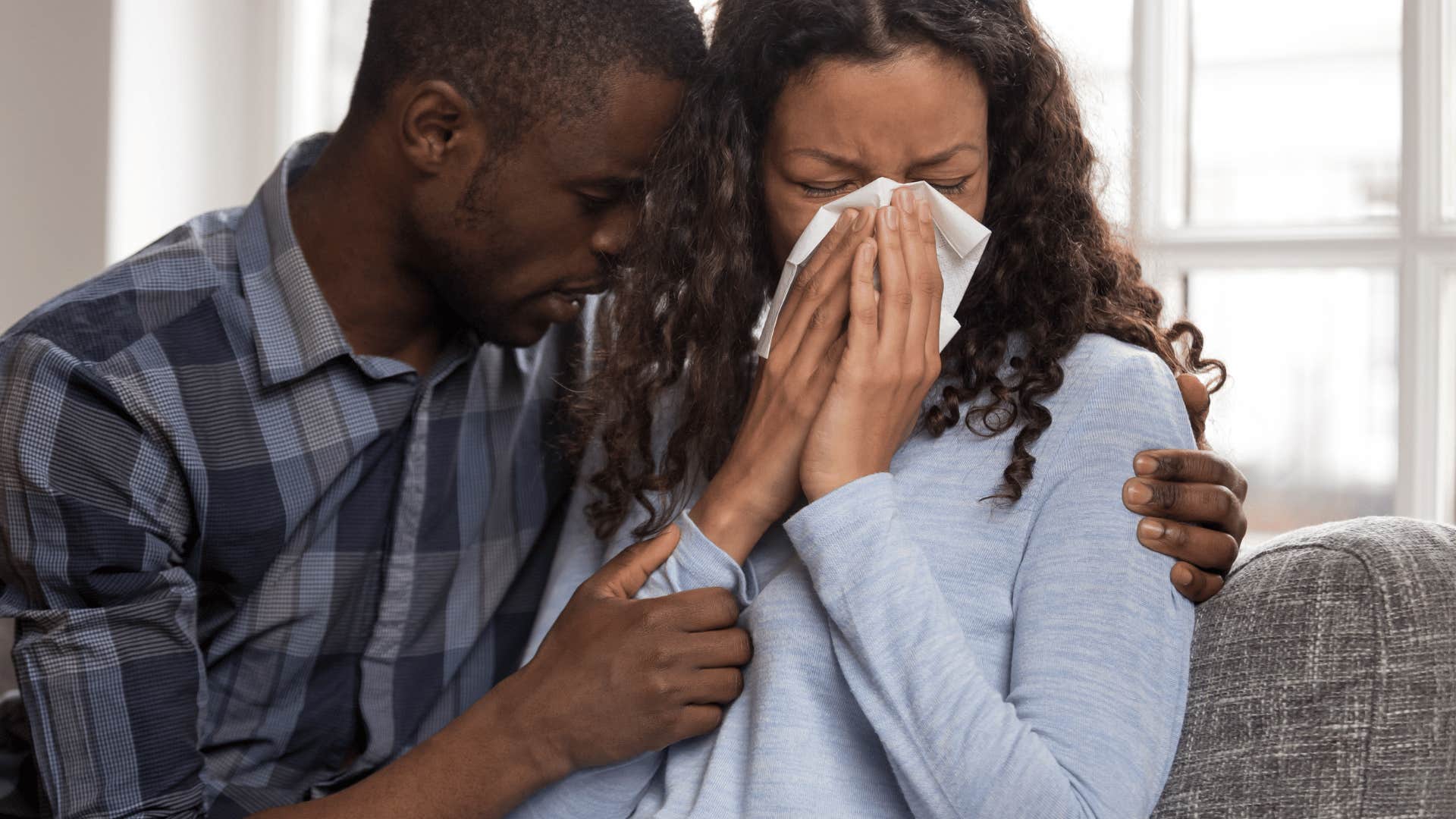
A person who seeks to repair any harm they have caused and is willing to apologize and take accountability for their actions sincerely will typically have actual morals. By saying they want to make things right, they show they value justice and care for others.
A 2021 study published in the National Library of Medicine found that moral progress is an idea that should be welcomed. It is the idea that, over time, societies and individuals become more ethical and create changes that positively impact everyone’s way of living. It also aids in moral motivation, which is crucial in determining how people make decisions toward doing the right thing after making a mistake.
8. 'I'll do my part'
 Chay_Tee / Shutterstock
A person who values fairness and contribution is someone who likely has morals. They will want to put forth the effort to cooperate while working with others, and they will want to be judged in a positive way by those around them.
According to a 2017 study, individuals who want to be accepted by society will typically behave in a way that is considered morally right. When a person’s morality is being judged by a group of people, they are more likely to cooperate and want to do their part within the group. This judgment is referred to as an enforcement of moral boundaries, and it plays a crucial part in promoting a society to behave in the morally right way.
9. 'I'll keep my word'
 Dmytro Zinkevych / Shutterstock
Trust and morality go hand in hand. Someone who strives to do what is morally acceptable will want to come across to others as trustworthy and reliable. They will want them to know that they will keep their word.
Research shows that trustworthy individuals are usually seen as being moral and sociable beings. Moral people have a desire to be honest because they naturally have pure intentions toward other people. This 2017 study also suggests that it is seen as morally right to punish untrustworthy behavior. Untrustworthy behavior is acceptable, even though many individuals feel that trusting others is the right thing to do.
10. 'Let me find a solution'
 fizkes / Shutterstock
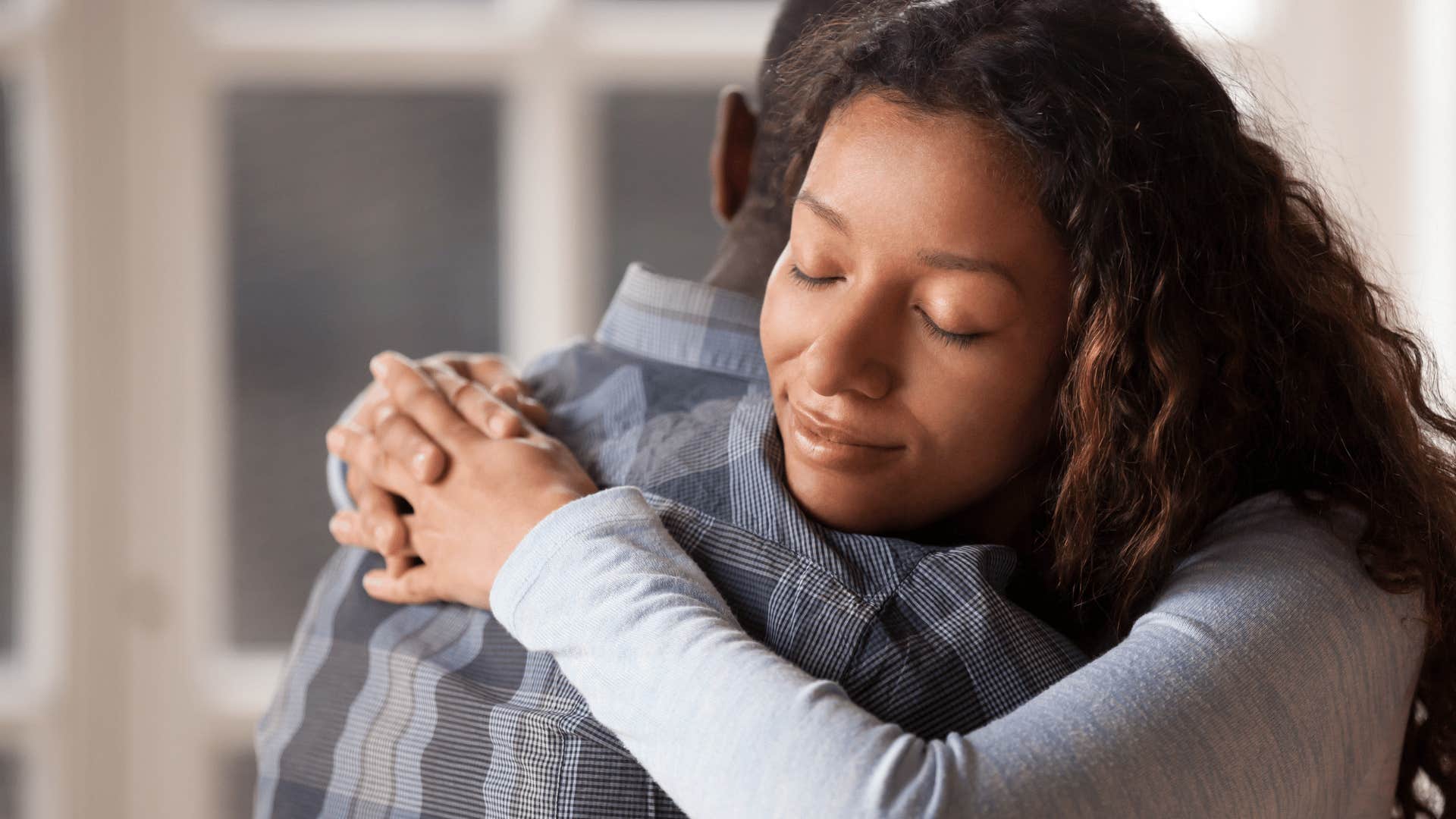
When other people are struggling to overcome something, a person with actual morals will feel a need to help them find a solution to their problem. The prosocial act of altruistic behavior signals that a person wants to do what benefits others in the most selfless way possible.
Despite it being a selfless act, those who actively choose to help others without the expectation of anything in return typically experience an increase in their levels of happiness. This can act as moral motivation that keeps these individuals behaving in ways that help benefit those around them.
11. 'I value your opinion'
 fizkes / Shutterstock
When people feel a heightened sense of moral obligation, they will likely value others' opinions. While their emotions are heightened, their actual morals will shine through in their behavior and the way they treat others.
Simply being in the presence of others makes people more inclined to act morally. Research highlights that people are more open to the ideas of others, feel more empathetic toward them, and have a desire to cooperate when they are in proximity to groups of people. When a person has actual morals, they will behave in ways and say things that reflect their moral compass.
Kamryn Idol is a writer with a bachelor's degree in media and journalism who covers lifestyle, relationship, family, and wellness topics.
