
People Who Rarely Go Outside Anymore As They Get Older Usually Have These 11 Reasons
 fast-stock | Shutterstock
 Going outside and being in nature doesn’t just improve our mood and protect our mental health — it also has the power to boost our energy levels when we’re feeling fatigued and regulate our nervous systems in seasons of stress, according to a study from Environmental Research. However, “going out” doesn’t just have to mean connecting with nature — it could also mean connecting with loved ones, having conversations, and meeting new friends.
With age and all the struggles that come with getting older, making time and emotional space to leave the house can be hard. Whether it’s physical limitations, drifting apart from old friends, or struggling with self-esteem, people who rarely go outside anymore as they get older usually have these reasons.
People who rarely go outside anymore as they get older usually have these 11 reasons
1. They’ve lost touch with their friends
 PeopleImages | Shutterstock
Drifting away from friends and losing touch with old loved ones is a natural part of life, but that doesn’t mean it’s easy. Letting go of these connections and getting out of your comfort zone to make new ones isn’t always the empowering choice that it’s framed as.
But that doesn’t mean that social connection isn’t something that aging people should prioritize. In fact, it’s a necessary part of life that cultivates joy in our lives, not something to put on the back burner to ensure we’re protecting our comfort at home.
2. They feel physically bound to the house
 HappyTime19 | Shutterstock
According to a 2022 study, physical limitations that come about as a person ages often affect their mental health in nuanced ways. For example, a limitation that keeps someone from leaving the house or indulging in their hobbies in the same way as when they were children may spark depressive symptoms.
The more they avoid shifting their routine to fit their new lifestyle or addressing their depressive symptoms, the more isolated, alone, and frustrated they become. Staying at home is no longer a restful choice, but a burden that keeps them stuck in a cycle of negativity and loneliness.
3. They struggle with uncertainty
 PeopleImages | Shutterstock
Home is often a safe, predictable place for people who struggle with uncertainty. Whether they’re emotionally burnt out, struggling with self-esteem, or dealing with new life changes that aging brings, a person who rarely goes outside anymore as they get older may stay home for that sense of stability.
They know their routine, what to expect, and how comfortable they’ll feel at home, so they feel little motivation to leave the house — even if social connection is what they need to regulate their emotions and find healing.
4. They have social anxiety
 Lucigerma | Shutterstock
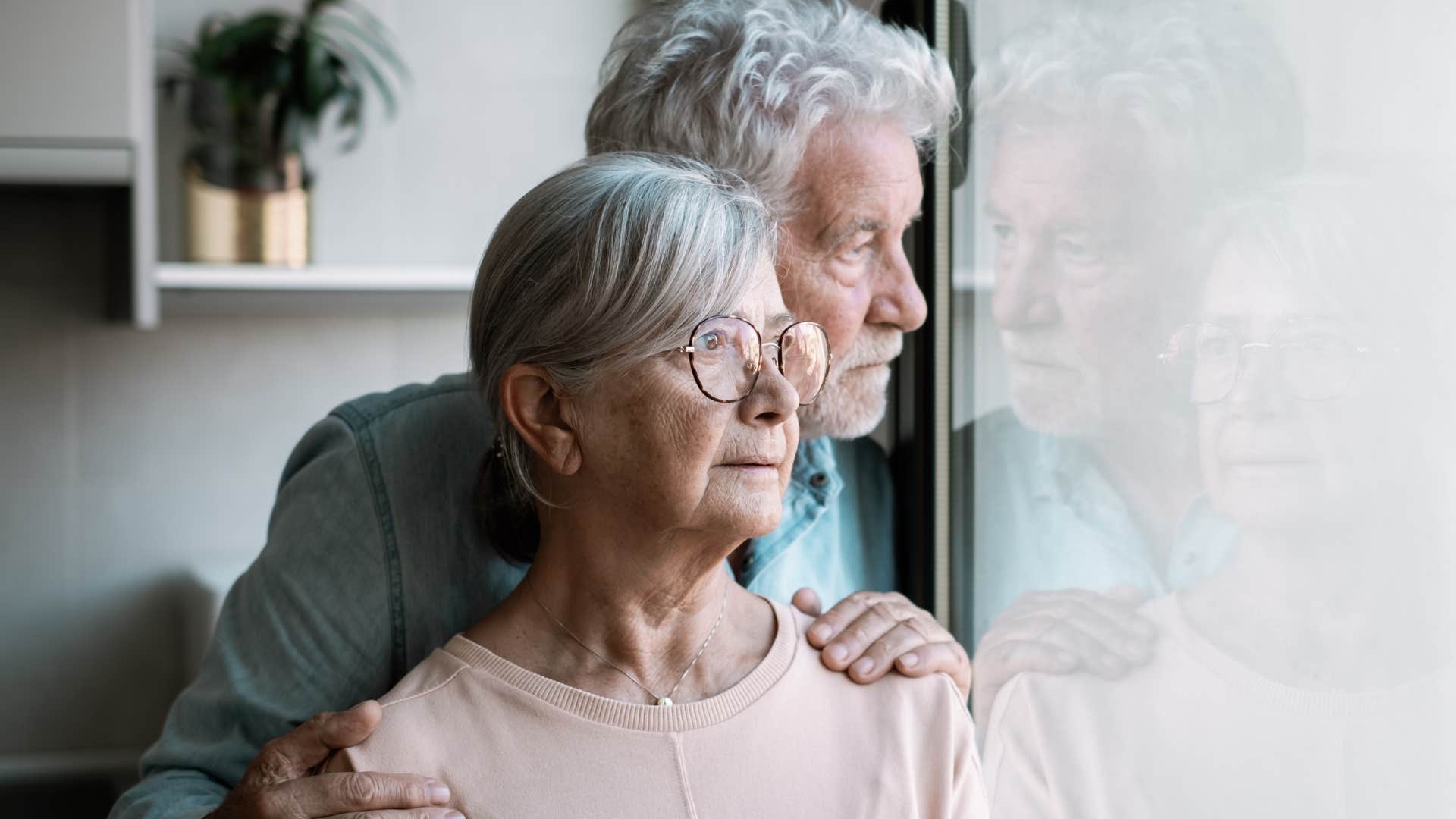
While social anxiety does tend to be less prevalent with age, according to a study from Behaviour Research and Therapy, people who spend all their time inside may find social connections and interactions to be more anxiety-inducing with age. If they only ever see their partner or distract themselves during free time with mindless entertainment, meeting new people and getting out of their comfort zone can feel impossible.
People who rarely go outside anymore may be struggling to cope with this new anxiety, especially if it’s something that they didn’t have to work through in their own adolescence.
5. They’re lonely
 PeopleImages | Shutterstock
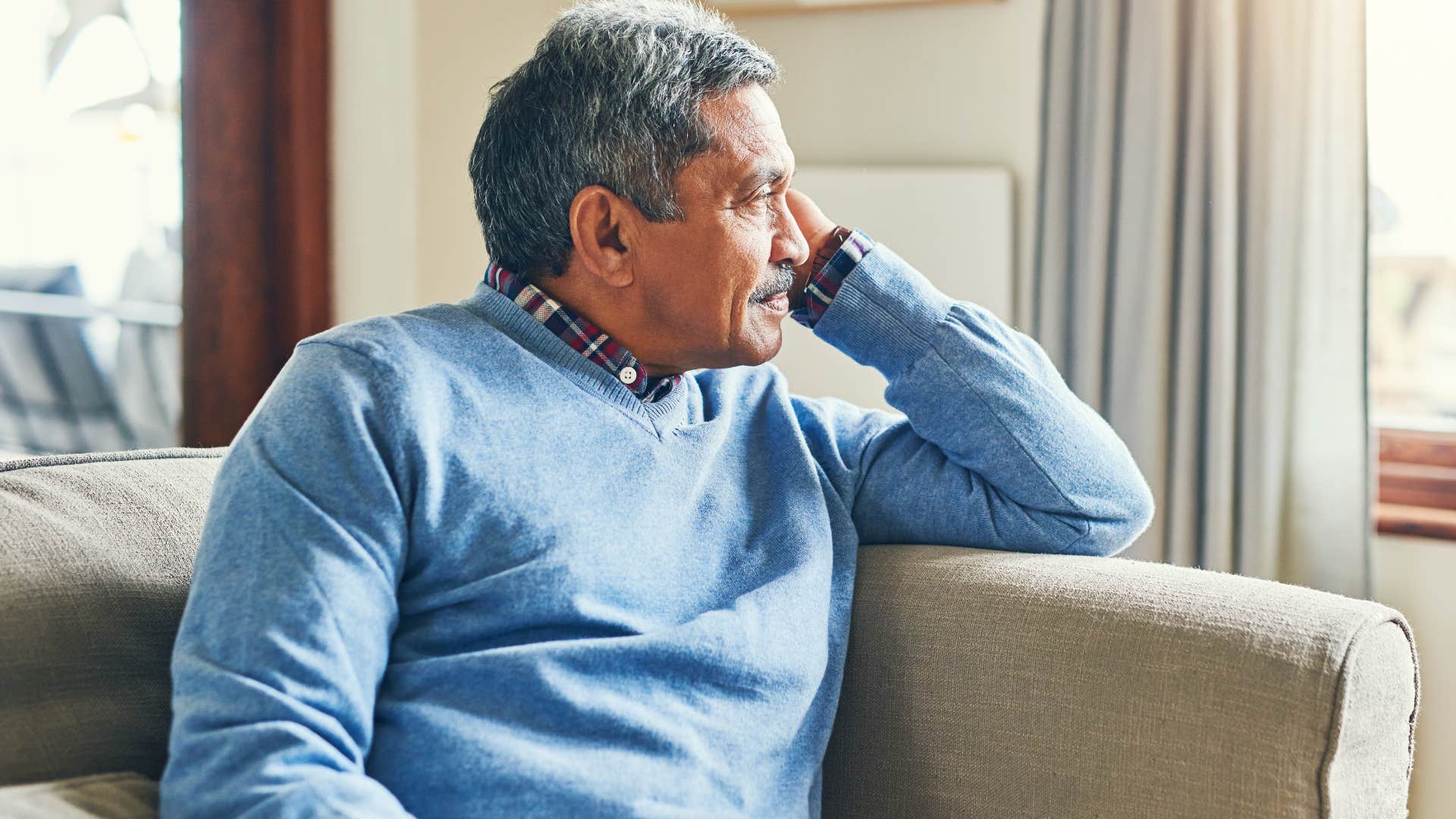
Ironically, it’s often people who are the most lonely who stay inside often to cope. They’re leaning into isolation as a means to cope with social loneliness, even if it only keeps them stuck in a spiral of anxiety, loneliness, and frustration.
General disconnection could be one of the reasons why someone rarely goes outside anymore as they age. Their isolation is now feeding into their feelings of loneliness and vice versa.
6. They’re insecure
 Chay_Tee | Shutterstock
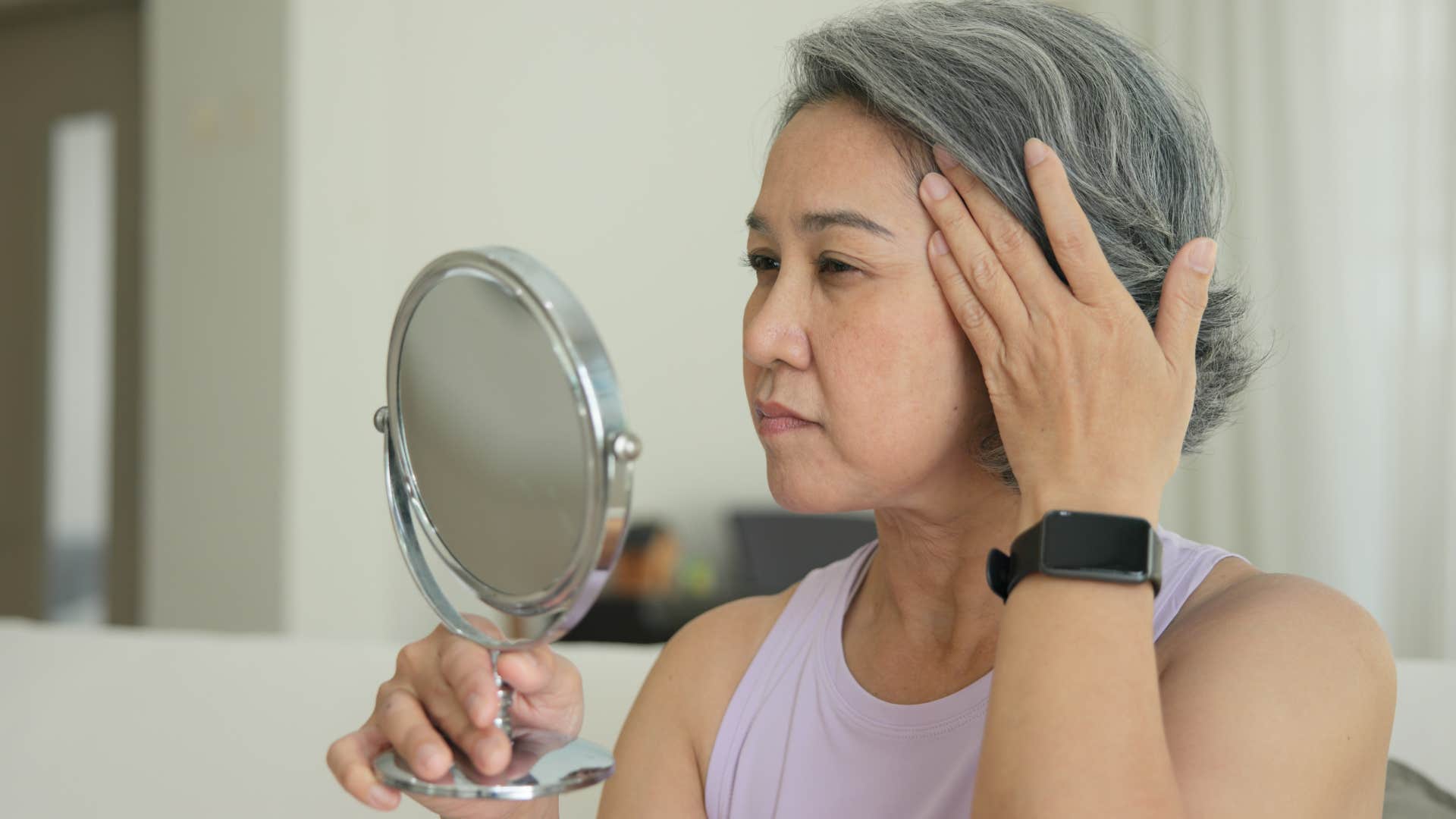
While self-esteem tends to grow with age and solidify in middle adulthood, as a study from Developmental Psychology suggests, people who feel disoriented by the aging process may struggle to keep that foundation of stability in their lives.
Whether it’s physical changes that leave them feeling insecure, social comparisons that make them feel disappointed, or physical limitations that change their lifestyle, people who rarely go outside anymore could be coping with this internal shame around getting older.
7. They’re stuck in survival mode
 Jelena Stanojkovic | Shutterstock
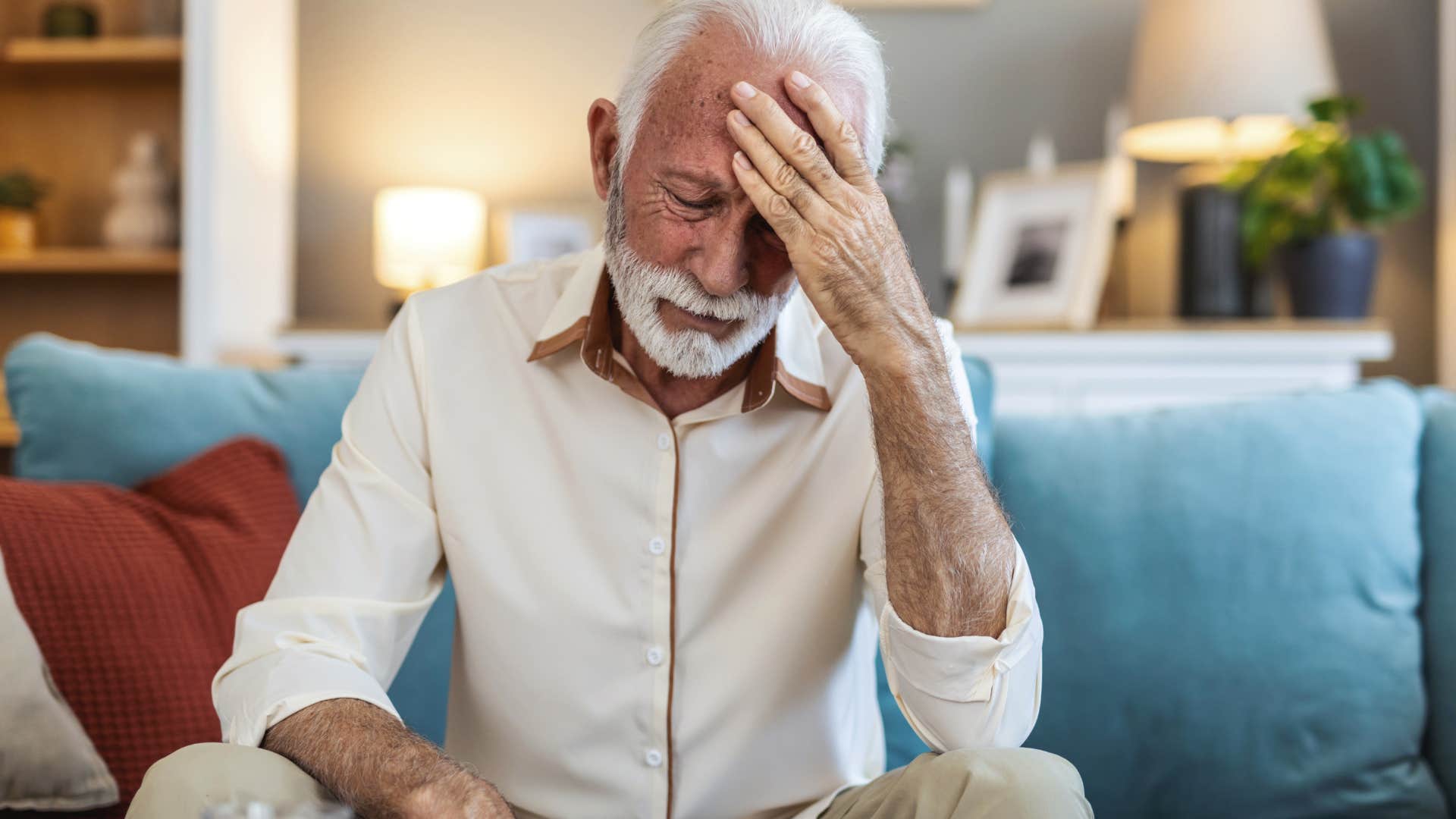
When your nervous system is stuck in fight or flight, and your whole mind is focused on simply “surviving,” getting out of your comfort zone into newness is the last thing you’re worried about prioritizing. In fact, that’s part of the reason why many people rarely go outside anymore as they get older — they’re coping with emotional turmoil and change they might not have expected.
Even the simplest daily tasks feel impossible for people stuck in this nervous system spiral, so leaving the house, meeting new people, and starting new connections aren’t even in the picture of their daily lives.
8. They’re unsure about how to navigate the modern world
 PeopleImages | Shutterstock
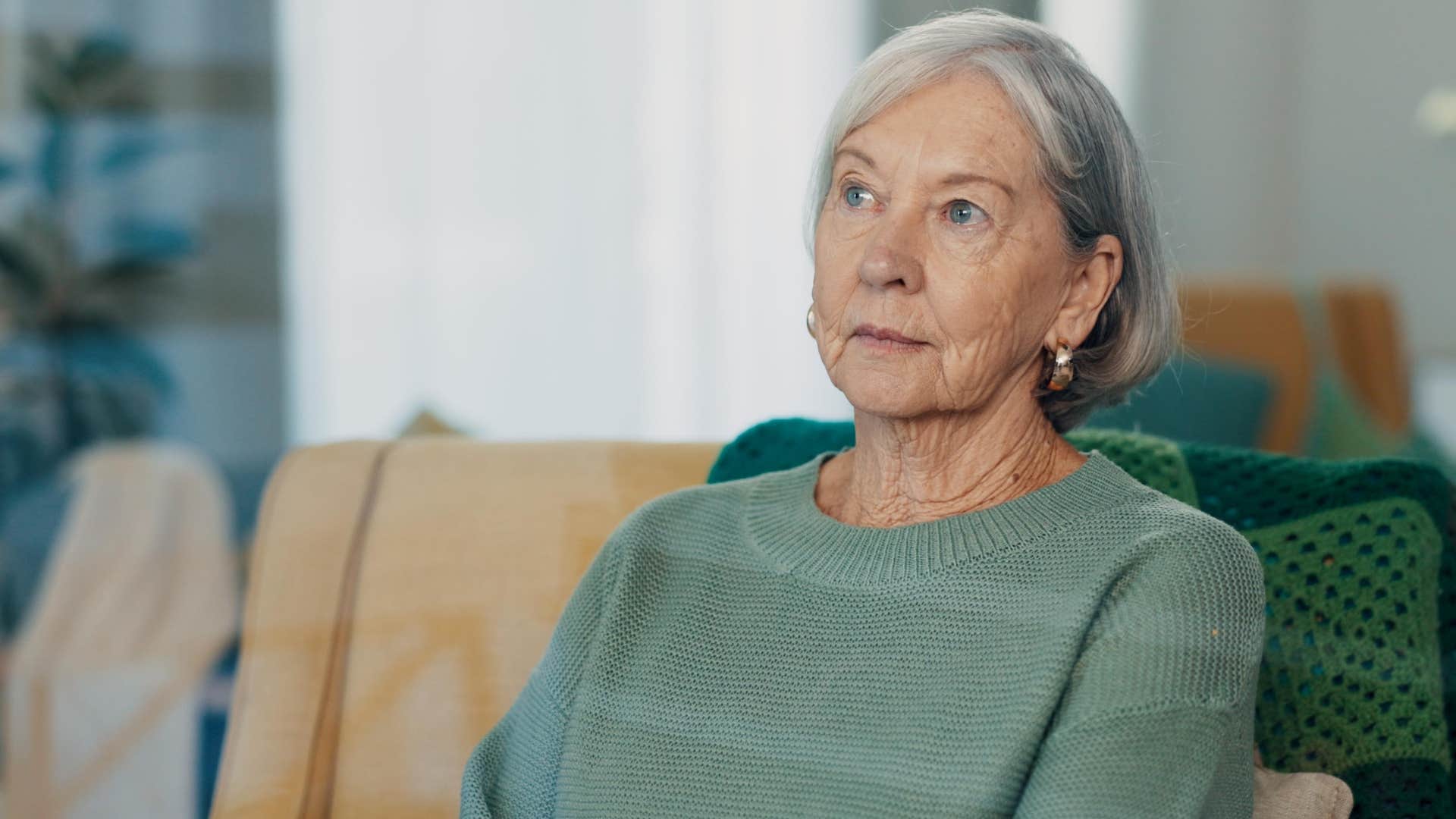
As new generations enter adulthood, shift institutions, and change social norms, it’s not surprising that many older people get defensive about the uncertainty of their lives. They’re confused about the newness, and are resentful, especially if they lack the curiosity to explore it.
People who don’t know how to navigate the modern world and feel stuck trying to learn it — whether it’s technology, new social norms, or relationships — may rarely go outside anymore to cope.
9. They’ve lost their sense of curiosity
 Prostock-studio | Shutterstock
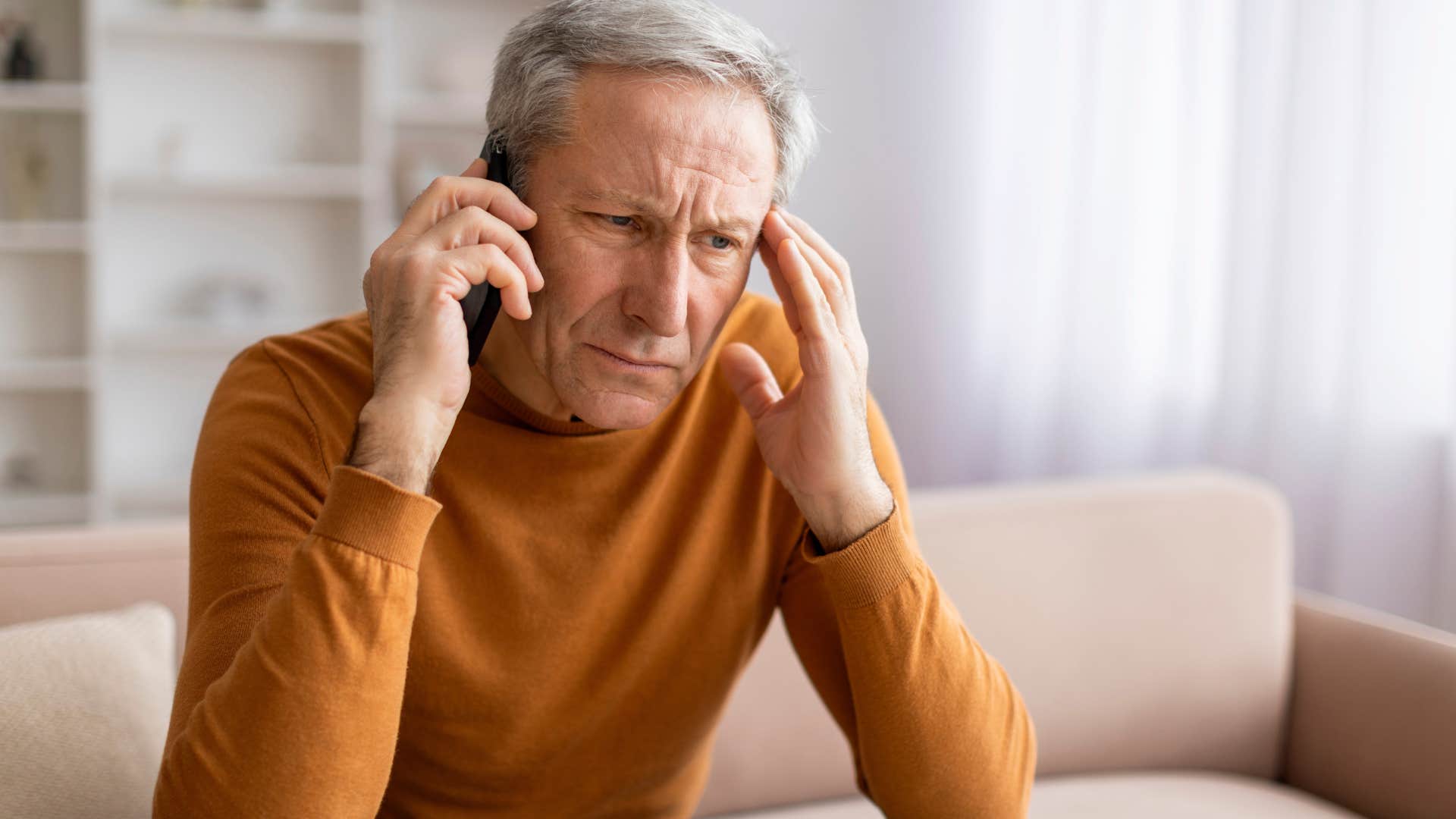
According to a 2025 study, curiosity is often entangled in the life quality, happiness, and satisfaction of older adults. As you age, it’s curiosity about the new stages of life, identities, and the world around you that makes life worth living.
However, if you’re pigeonholing yourself into a certain viewpoint, staying in your comfort zone, and latching heavily onto the nostalgia of the past, you’re bound to be more isolated and alone.
That’s why people who lack curiosity in their lives often stay at home and rarely go outside anymore. They’re comfortable with their own routine, opinions, and lifestyle, even if it means missing out on the beauty and growth of newness.
10. They’ve experienced a shift in identity
 PintoArt | Shutterstock
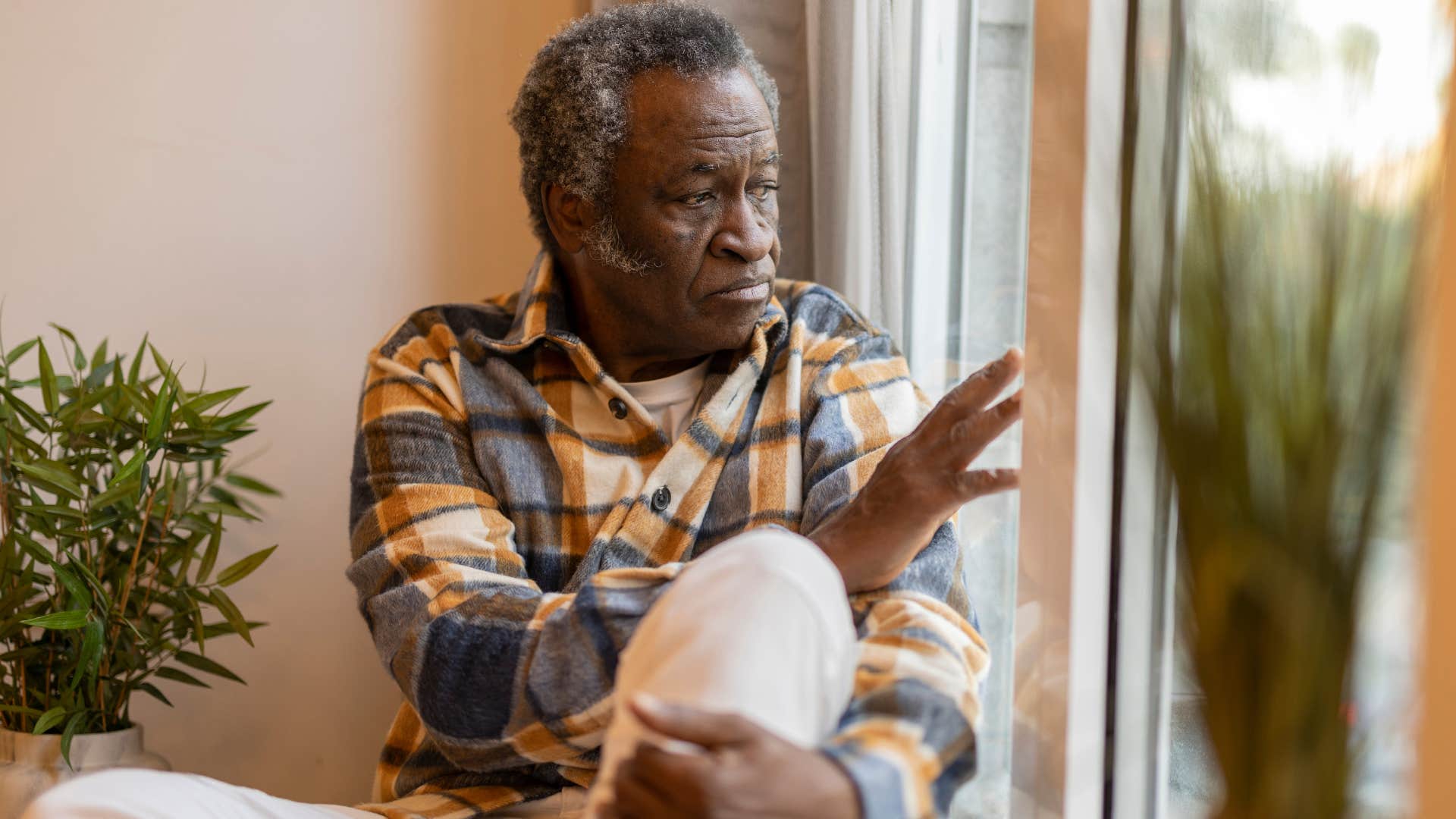
With aging also comes a slew of new life challenges, experiences, and shifts, from personal appearance to changing relationships and even new personal identities. It’s natural for our relationships and personal values to change over time, because we’re only human — we’re meant to constantly change and evolve.
However, if an older person has grown accustomed to the stability of their life and identity, these changes can often be disorienting. They lean into alone time to grasp their new identity, but often find themselves more lonely than ever, missing out on the social connection they need to thrive.
11. They’re accustomed to the quiet
 Migma__Agency | Shutterstock.com
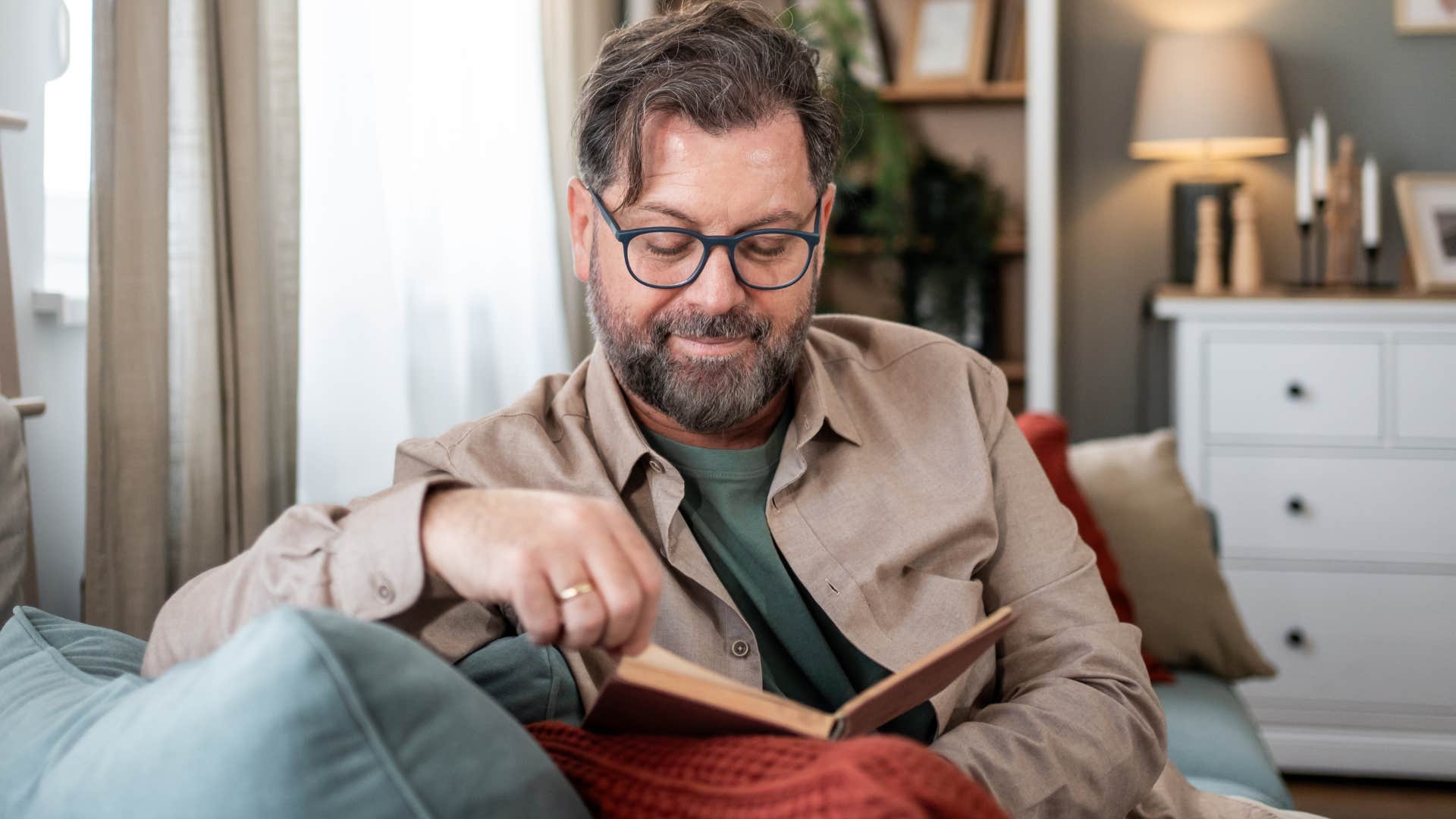
Solitude can often be healthy for people who know how to leverage it well. So, if an aging person is no longer going outside often, but using their solitude to embrace hobbies, connect with themselves, and focus on the relationships that matter most to them, it’s not always an inherently bad thing.
They may be alone, but they’re not isolated or lonely.
Zayda Slabbekoorn is a senior editorial strategist with a bachelor’s degree in social relations & policy and gender studies who focuses on psychology, relationships, self-help, and human interest stories.
