
Parents Whose Adult Children Cut Them Off For Good Often Hurt Their Kids In These 11 Subtle Ways
 Krakenimages.com | Shutterstock
 Navigating relationships with a parent in adulthood isn't easy for anyone, whether you were lucky enough to live a peaceful and happy childhood or the opposite. According to Pew Research Center, for nearly 20% of adult children, their relationship with their parents is "poor," yet many still stick around to reap the consequences of a dysfunctional dynamic.
Unfortunately, not all parent-child relationships can be fixed, because whether it's being unempathetic or refusing to respect boundaries, parents whose adult children cut them off for good often hurt their kids in these subtle ways. For some adult children like this, going "no contact" was a choice that changed their lives for the better. It's not an easy decision, but one that many people are forced to make.
Parents whose adult children cut them off for good often hurt their kids in these 11 subtle ways
1. They make their kids feel unheard
 Olha Nosova | Shutterstock
As a a study from the Journal of Humanistic Psychology found, people feel most heard when there's a safe space cultivated for active listening, open conversations, and trust, especially in foundational relationships like those with a parent, a therapist, or a partner. When a parent, whether in childhood or adulthood, fails to prioritize an environment like this, many children feel inherently misunderstood.
As their lives become more complicated, riddled with work problems or family planning, this demand for attention, compassion, and a listening ear from their parents becomes increasingly difficult. For many, it's not worth the fight, and rather than trying to fix the lapse in communication, they cut their parents off for good.
2. They constantly criticize
 Srdjan Randjelovic | Shutterstock
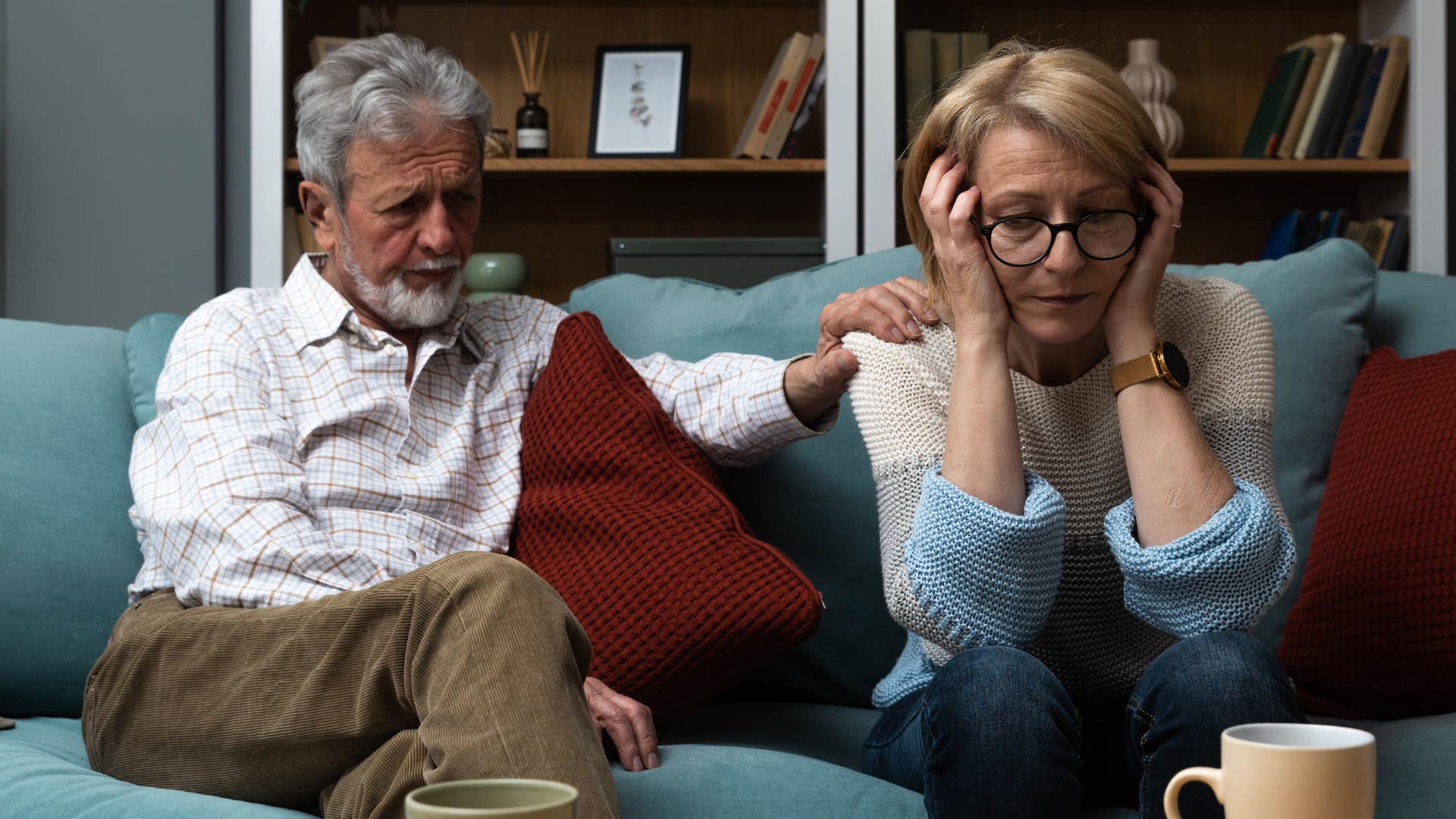
While parents tend to note conflict as the biggest driver of frustration in their relationships with adult children, their kids argue it's actually "communication and interaction style" that creates toxic space between them. They not only feel misunderstood, but harshly criticized, even when they're only looking for support from their parents.
Parents whose adult children cut them off for good often hurt their kids in these subtle ways. And, unfortunately, thought it's often sparked by a difference in values, beliefs, and lifestyle habits, this generational divide is impossible to address without communication styles. Sometimes, it even sparks more anxiety in the lives of frustrated adult children and their parents.
3. They contribute to unresolved childhood trauma
 Violator22 | Shutterstock
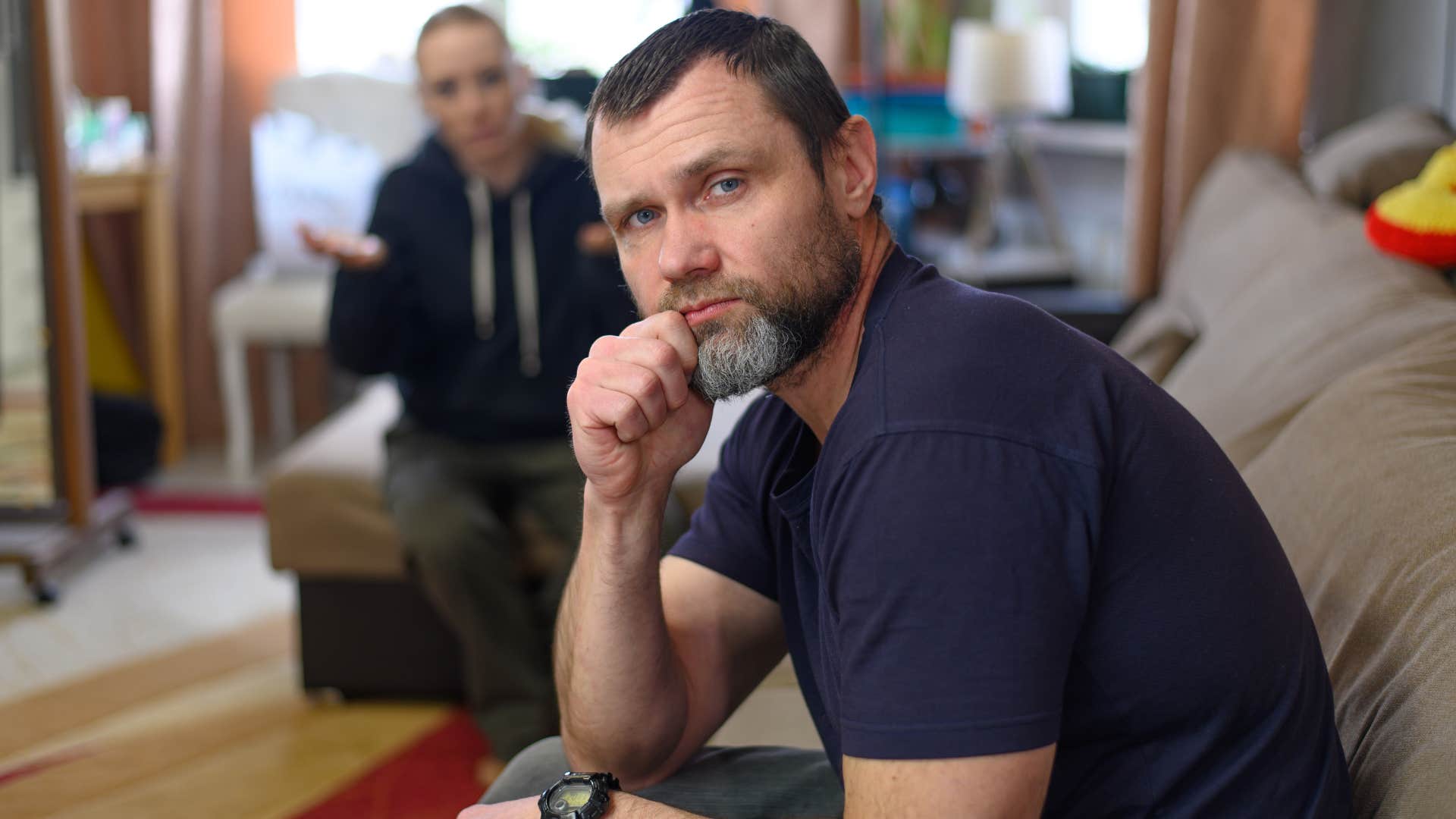
According to a study published by Healthcare Counseling and Psychotherapy, many adult children with unresolved childhood trauma are unable to adequately cope and heal from the psychological ramifications and neglect at the hands of their parents when they're still experiencing it, even to a smaller degree.
When their parents continuously dismiss or fail to acknowledge this trauma, it greatly affects their childrens' ability to protect themselves, cultivate healthier connections, and move forward. That reluctance to address their own part in it can drive their adult kids away.
Many have a different memory or experience from their parents about the health of their own childhood, so it can manifest as one of the huge reasons adult children sever ties with their parents. They need space to acknowledge it, heal, and move forward, without feeling judged or misunderstood.
4. They don't respect boundaries
 Hrecheniuk Oleksii | Shutterstock
Like psychologist Anne Katherine suggests in her book "Boundaries: Where You End and I Begin," setting boundaries for adult children from dysfunctional family dynamics can be incredibly uncomfortable, but massively influential in protecting emotional health.
They not only provide a sense of space for your own self-interests, esteem, and protection, but spark flexibility to ensure interactions with family members are productive, healthy, and compassionate, rather than hostile.
When parents actively dismiss, degrade, or overstep those boundaries or refuse to even respect them, they're not only sacrificing their child's emotional well-being, they're prioritizing their own perceived entitlement to their space and energy.
5. They force their kids to find supportive healing energy elsewhere
 Odua Images | Shutterstock
With harmful discourse that suggests estrangement and "no contact" relationships with parents is simply "a fad" or a trend in younger generations — despite new wave energy that's shed light on this complex and largely misunderstood practice — many adult children haven't been able to get the clarity they need from their parents in older generations.
Instead, they look to their inner circle of partners, friends, and even therapists to seek the healing energy they need. Sometimes, space from their parents is exactly what's preventing them from focusing on that energy, giving them the potential to return to those relationships with a better, healthier, and more grounded perspective on their own trauma.
6. They actively manipulate their kids
 sebra | Shutterstock
While adult children cut off their parents for numerous reasons, the main reason many make this difficult decision is emotional abuse, according to a study from the University of Cambridge. Every interaction drains their energy, instills an innate sense of guilt, or leaves them feeling misunderstood.
Instead of trying to constantly protect their feelings or avoid difficult conversations, adult children make this difficult decision to create space, protecting themselves from toxic tendencies and shame. Even if parents don't realize they're manipulative or gaslighting their own children, if that behavior is pointed out to them and they still don't try to rectify the situation, their children take action.
7. They don't accept their choices
 fizkes | Shutterstock
Parents whose adult children cut them off for good often hurt their kids by not accepting their choices. Even if it's often subtle and some parents don't even realize their tendency to do this, it can create tension and toxic dynamics.
Many children with unresolved trauma from or around their parents struggle with feeling unheard and misunderstood in their adult lives, whether it's because their parents still view them as their childhood selves, or their new identity, beliefs, and values are largely disrespected.
Never given the space to grow up or unlearn toxic habits from their childhood, they feel stuck in a place where they can't be their new, truest, and healthiest selves without judgment from their parents during every conversation or interaction.
8. They dismiss their kid's mental health struggles
 ViDI Studio | Shutterstock
Parental narcissism greatly affects a child's personal development, mental health, and self-esteem, causing many adult children to feel inherently unworthy, unloved, and unsupported by their parents. With the tendency for these children to develop more deep-rooted mental health concerns in adulthood, it's not surprising that their parents would prefer to avoid accountability and shift blame.
Of course, there are ways to cope and heal from the consequences of these mental health struggles, but when a parent dismisses them or victimizes themself, the only way to move forward is to restrict contact with them. It might seem subtle to their parents, but there's only so much their adult kids can take.
9. They habitually deflect accountability
 fizkes | Shutterstock
According to hypnotherapist and author Nancie Barwick, many parents with narcissistic tendencies that have caused harm in their children's lives view themselves as "superior" over their children. They refuse to accept constructive criticism from their children and constantly deflect the accountability their children need to move forward from childhood trauma.
Unfortunately, parents whose adult children cut them off for good often hurt their kids in these subtle ways. They'd prefer to adopt a belief that their children are manipulative and immature, rather than come to the conclusion that they have apologies to make and things to heal from themselves.
With this innate inability to take accountability, many children prefer to restrict contact, all in an effort to protect their own emotional well-being and boundaries.
10. They're unempathetic
 shurkin_son | Shutterstock
While the majority of parents and children will tend to disagree on experiences from the past, the important factor that sets healthy parents apart from toxic ones is their ability to empathize with their kids' emotions, feelings, and struggles.
According to one study published in Pediatric Investigation, parental empathy can indirectly affect a child's emotional and behavioral problems, as well as influence their social competence. When parents have better empathy, their kids have better social skills and fewer issues, emotionally and behaviorally.
So, even if parents don't believe they've done something wrong, when there's a healthy relationship between them and their kids, they're willing to support their children and empathize with their emotions, helping them to heal and move forward.
11. They alienate their kids from the family
 Perfect Wave | Shutterstock
Healthy relationships between parents and their adult children revolve around empathy and understanding. Even if they don't have the same experience, they're willing to move forward towards reconciliation by acknowledging their desire for love and connection.
Parents who don't share that same dedication towards growth and accountability will shift blame in arguments and victimize themselves to feel superior. By doing so, they not only harm their children's emotional health, but alienate them from a supportive environment where they can seek unconditional love.
This causes a great deal of adult children to feel alienated from their family and the community they're desperately seeking to reconcile with. Instead of living in a constant pursuit of that connection, many adult children choose to create space and cut ties to free themselves from toxic mental burdens.
Zayda Slabbekoorn is a senior editorial strategist with a bachelor's degree in social relations & policy and gender studies who focuses on psychology, relationships, self-help, and human interest stories.
