
5 Intentional Habits Of Parents Who Raise Remarkably Capable, Resilient Kids
 Getty Images | Unsplash
 I found myself flipping through daytime TV the other day and landed on an episode of Dr. Phil. What caught my attention was a mother and father begging Dr. Phil for advice on how to get their 37-year-old adult son out of their home. Their son worked part-time for a local pizza shop and played video games the rest of the time.
There were no extenuating circumstances, no disabilities, no necessary reason for their adult son to still be at home. These parents were at their wits' end. This was the real-life version of the Matthew McConaughey movie Failure to Launch. Unfortunately, I was not able to finish the episode, but it got me thinking... isn’t it obvious? Don’t they know where they went wrong? The more I thought, the more I realized the answer isn’t so obvious.
As parents, all we want for our kids is the best. We want them to be happy and have a life better than the one we had. Each day, we do the best we can. Days turn into weeks, months into years, and suddenly, we too could be like the couple on Dr. Phil, wondering where we went wrong? Why didn’t our son become independent, successful, and capable?
The truth is, parenting is hard. It is. It takes effort. It takes time. It takes consistency. No one wants to be the "bad guy" and say "No, you can’t go to a party", "No, you can’t drive alone with your friend." But, giving in and saying "yes" all the time isn’t the answer either.
Don’t fall into the trap of "I wish my parents had given me X." If there is something you wish your parents had given you, check in with your kid to see if it is something they would like, and if so, create a way for them to earn it. For example, if they do their weekly chores for the next month without your reminding, they can have that new X-Box game. Or if they maintain a B+ average in school this semester, they can get that new iPhone.
Here are 5 intentional habits of parents who raise remarkably capable, resilient kids:
Habit #1: Set limits
When you tell your child, "No, you may not have a cookie", mean it. Follow through. Do not give in when the crying starts. If you set a boundary by saying no, then stick to it.
This helps teach kids where the boundaries lie and what the rules of the house are. Rules and boundaries provide comfort, security, and help kids learn a sense of right and wrong.
Psychologist Dr. Lisa Kaplin explains it simply, "Don't set a lot of rules in your home, but set a few important ones and make those non-negotiable." A few well-held lines will carry your kids so much farther than a long list of rules no one enforces.
Habit #2: Ask them to contribute
 Jayson Hinrichsen / Unsplash+
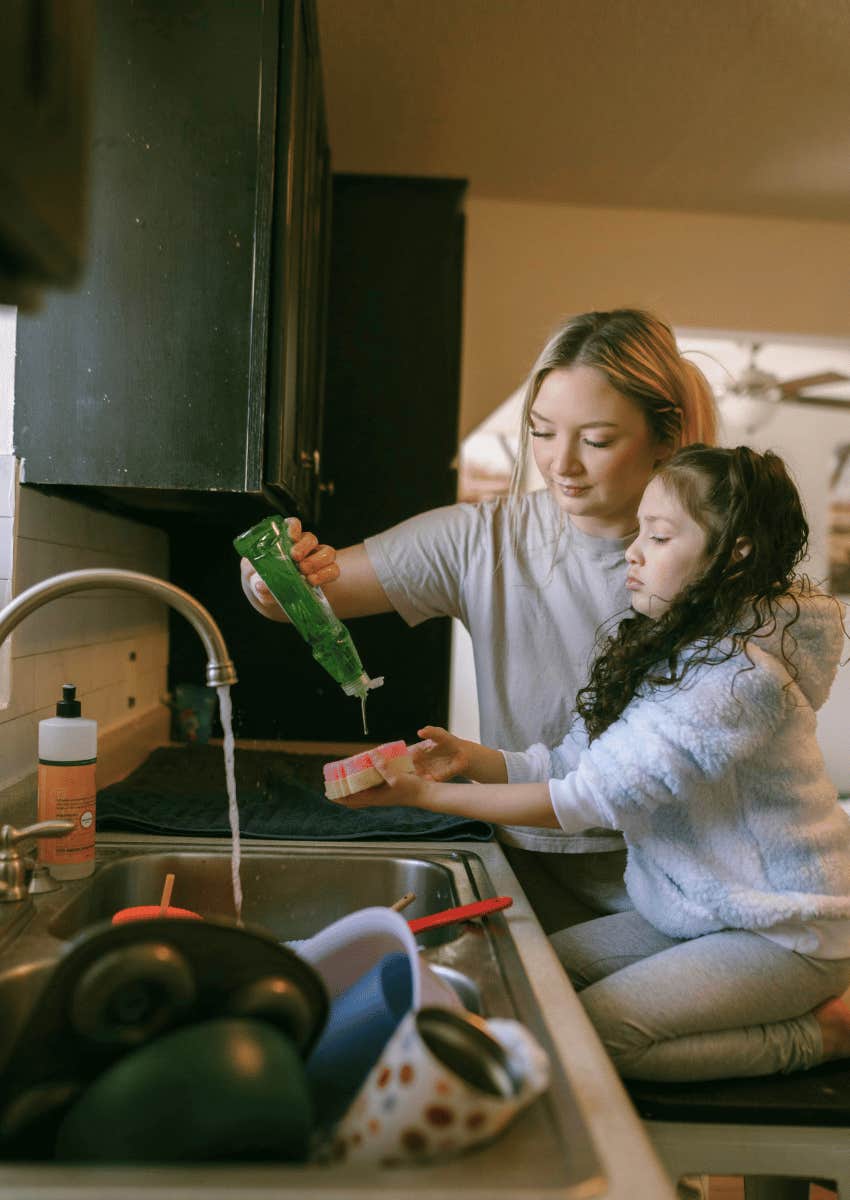
Some people call them chores, but I like to call them contributions. Contributions are ways of helping around the home. Children are active members of the house and need to participate in taking care of their world.
Of course, this can be scaled to age appropriateness, but your teenager certainly can be setting and clearing a table, doing their own laundry, and cleaning their own room.
I like to have these household tasks not contingent on money or an allowance. Kids need to learn to take care of their space because it’s the right thing to do, not because there is a reward at the end. As adults, they will take better pride in their home, school, and earth because helping is a good thing to do.
Research has found that children who performed chores in kindergarten showed significantly better self-competence, prosocial behavior, and self-efficacy by third grade. Giving kids household contributions teaches them that their effort matters, and that kind of work ethic follows them straight into adulthood.
Habit #3: Volunteer together as a family
In this media-driven age, it’s so easy for all of us to get caught up in the hustle of life. We can become egocentric and hyper-focused on our lives and not on the world around us. Teenagers can easily become annoyed that their fancy coffee order is wrong and miss out on the real struggles happening in the world.
While formal volunteer organizations like a Soup Kitchen or Hospital are great, you can start as simply as helping a neighbor rake leaves or mow their lawn. Volunteering will help kids learn to put others' needs before their own and keep them humble to the blessings in their own lives.
Family therapist Melanie McGrath explains that children who are raised to be genuinely great humans are the ones who learn to see the world as bigger than themselves.
She notes that raising kids who are works-in-progress means helping them discover who they are not just through their own achievements but through their connection to others. Helping out in the community is one of the most concrete ways to build that connection.
Habit #4: Let them stumble
 Getty Images / Unsplash+
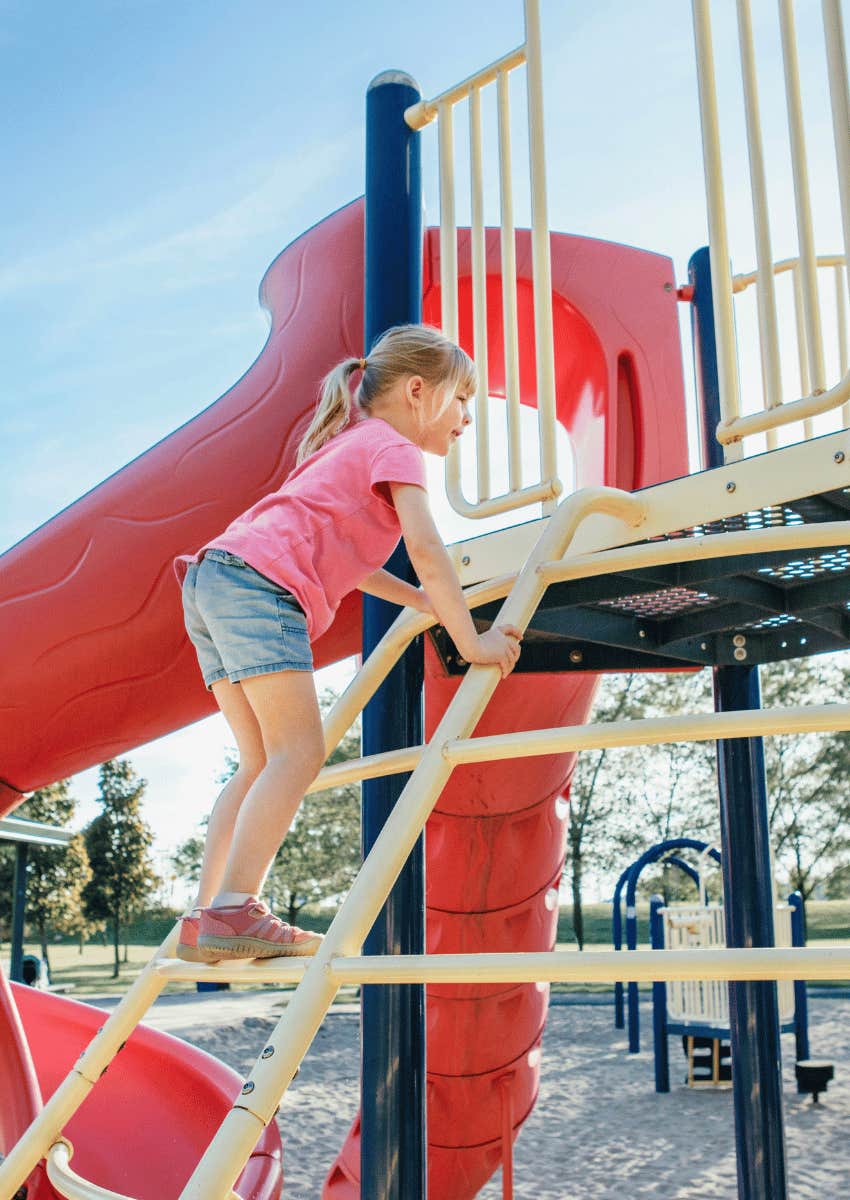
If you are always there to swoop in and solve their problems, how will they learn to do it themselves? It is important to sometimes take a step back and let your child face the consequences of their actions. Consequences can sometimes be small: they forgot their coat on a chilly day and had to go without it, or they forgot their backpack at school and had to take a lower grade because the work was not turned in on time.
Our own anxiety from watching our kids stumble makes us want to jump in and save them. While it’s important to keep your kids safe from harm, allowing them to experience the natural consequences of life will better prepare them to be responsible in the future.
Effective parents understand natural consequences are key to a child's learning and know how to get out of the way when they occur, explains therapist Reta Faye Walker. The best part, she notes, is that when the consequence of their actions arrives, a great parent releases judgment and criticism and simply guides their child through the learning process.
Habit #5: Start all of these habits early
Do not wait until your child is 37 years old to start setting limits or contributing to your household. You can begin as early as the toddler years. Toddlers are great at testing limits, and you can get good practice setting boundaries just by keeping them safe: "No, you cannot play with that electrical cord."
A "time out" can also be used as a consequence for not following your limit. According to clinical social worker Grace Berman, "Start teaching your young child how to make decisions by giving them two options, both of which you are okay with them selecting." As they get older, she recommends making a list of everyday choices and gradually shifting the responsibility from parent to child.
The more decisions kids practice making, the more capable and confident they become. You may be reading this panicked about your teenager, but never fear, it’s not too late to start. Keep your contributions and volunteer activities age-appropriate. Be creative. Something as simple as making breakfast in bed for a child’s sibling can be a good start.
Jennie Marie Norgaard is a Licensed Marriage and Family Therapist. She is the founder of Hope Therapy Center, and her vision has always been to provide a therapeutic space where healing is rooted in depth, authenticity, and lasting transformation.
