
Gen Z Completely Abandoned 8 Basic Relationship Standards Older Generations Treasured
 Nuva Frames | Shutterstock
 The way relationships looked in the older generations has changed dramatically compared to now. When I hear my mom or my grandmother talk about their younger years, dating seemed to work very differently. They had high expectations for their relationships and standards they thought were really important.
While those things might’ve seemed crucial then, my generation doesn’t see it that way. Gen Z tends to have a much more casual view of relationships. Many of us have let go of old dating expectations that the older generations loved and forged a new path.
Gen Z completely abandoned these 8 basic relationship standards older generations considered essential:
1. Going on lots of dates early on in a relationship
 Rachata Teyparsit | Shutterstock
When I hear stories about my grandmother’s early adulthood, she always talks about how she went on a lot of dates. When people hear that now, they probably think that she was bragging or was just some special exception. But that's not the case.
Many people in the older generations would go on dates all the time with all sorts of people, including people they wouldn't have considered boyfriend or girlfriend material in the long-run. It wasn't as big of a deal as it is for people in Gen Z.
In my generation, people often think that taking someone on a date means you’re trying to show them that you really want to be with them for a long time. Boomers and Gen X thought a date was just the jumping-off point, though. People would go on a lot of dates to get to know people and see whether they liked them or not.
Because there’s more pressure around it nowadays, a lot of people in Gen Z haven’t even gone on dates with people they were seriously talking to, which is a Gen Z way of saying you're in a romantic getting-to-know-you phase.
2. Asking someone out in person
With the rise of dating apps, a lot of people have become dependent upon them to find a possible relationship. While this can be a great way to meet people, some people can get too reliant on it. They’ve stopped approaching people in person altogether.
It can be really scary to approach someone you don’t know and ask them out, but that wasn’t a problem for older generations. They only ever asked a woman out in person (or on the telephone, maybe) because they didn’t have alternatives without dating apps.
But there are many Gen Z young adults who have never approached someone else first in person. This is especially true when it comes to men approaching women. Often, it's the women making the first approach, which is very different from baby boomer traditions.
3. Set gender roles
Gen Z is much more fluid when it comes to how they see gender roles in relationships. They don’t expect a man to be responsible for paying for every meal and they don’t think a woman is always required to be ladylike in old fashioned ways, either. She can pay half the check and even drive herself to meet up with him.
Those gender roles defined the relationships of older generations. It was a man’s responsibility to ask a woman out, and if a woman asked him out first, it would’ve raised some eyebrows. District gender roles were so important for their relationships because they were preparing for the future they could have together as a couple.
In the past, it was an expectation that a woman would get married, and her husband would financially support her while she took care of their home and eventually their kids. But that idea has gone out of fashion with Gen Z, and it shows in their relationships. They prioritize equality more than ever, it's not even a default that the wife will be the primary at-home parent.
4. Early commitment by default
If someone from the older generations was dating someone for a long time, they’d expect the relationship to go to the next level. They’d trust that the other person was committed to them and to the future of their relationship. They’d also probably trust that the other person wasn’t talking to other people in the same romantic way. That’s not the case when it comes to Gen Z’s relationships.
My generation tends to stay in the talking phase for much longer than the older generations did. What I mean by this is that relationships often seem like a bigger deal to the people in Gen Z. They don’t expect commitment after a short period of people getting to know each other. Some people even spend months talking to someone without ever getting in a committed relationship with them.
5. Marriage being the eventual goal of a relationship
 fotoak | Shutterstock
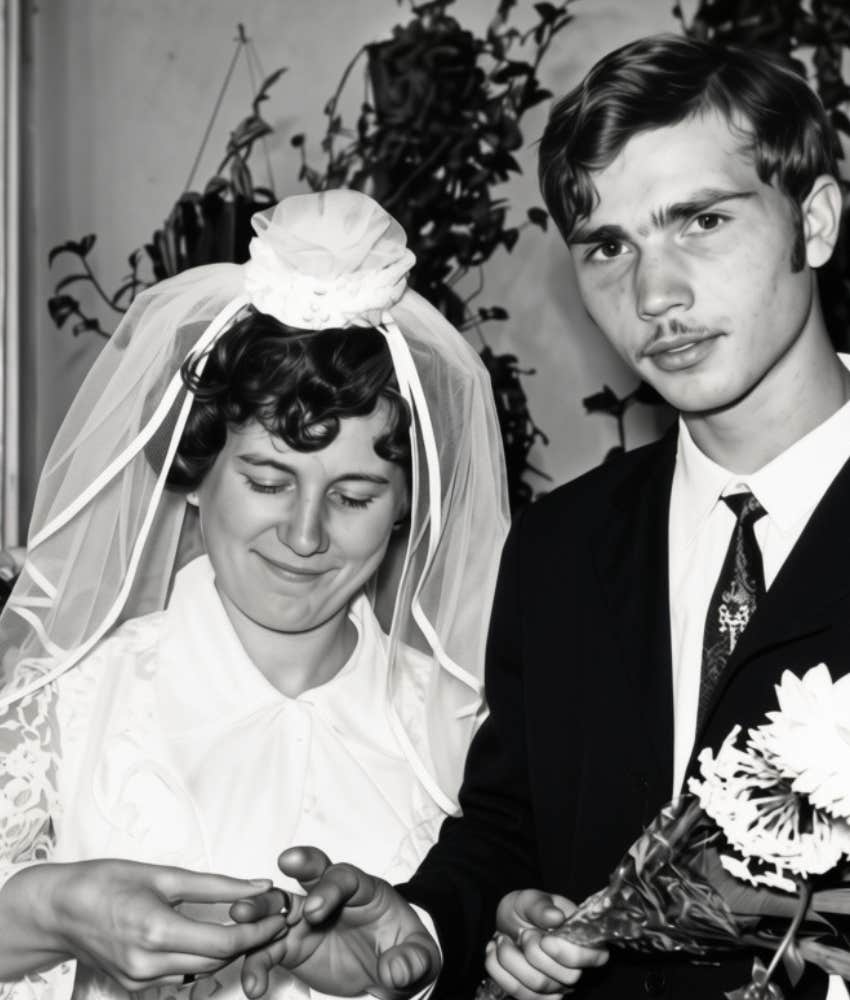
It was an expectation for most people in the older generations to get married, especially women. It was a really important part of their futures. They wanted to find a lifelong partner, so they dated with marriage in mind. It was the ultimate goal for most relationships.
They also got married a lot younger than Gen Z and even younger millennails generations do. Gen Z doesn’t just date people for marriage, though. They date so they can have companionship and a fun person to hang out with. They don’t start out dating to get married, so they’ve pretty much abandoned this idea that they shouldn't waste time on someone who isn't going to be their future Mr. or Mrs.
6. Social and familial approval of a partner
Many people in the older generations thought it was important for their families to like whoever they were dating. Their families were really important to them, and they valued their opinions. If their parents didn’t like their partner, they wouldn’t want to be with them.
Since they were more marriage-focused, that was a big concern. They didn’t want to spend their lives with someone their families didn’t approve of. Sometimes this caused big problems because many families had shallow and sometimes even bigoted expectations for their kids. For example, many white families banned their kids from dating people of another race.
Gen Z, on the other hand, isn’t always as concerned about what their families think. It’s not that they love their families less. It’s just that they don’t think their families need to be involved in all of their relationships and they certainly wouldn't stand for their parents being bigoted.
7. A man picking up a woman in his car for a date
Most of the time when my friends are going on dates, they’ll meet the person they’re going out with there. That’s especially true if it’s a first date. People in Gen Z would usually feel awkward asking someone to pick them up when it’s their first time going out.
The older generations didn’t feel the need to ask this either, but for a completely different reason. To them, it was an expectation. If a man didn’t offer to do this right off the bat, he’d seem like a rude date. He'd be considered extremely rude if he didn't walk up to the front door, ring the bell and meet her parents, too.
Back in my grandmother's day, she and her friends would've refused to accept meeting them at a restaurant because they don’t think it is chivalrous. It was a simple sign of respect for people to meet up beforehand and go to their plans together. Gen Z women are so much more independent, the need for a ride seems almost ridiculous and maybe even physically risky.
8. Spending time together in person
Sometimes people in Gen Z don’t even go on dates with the people they’re talking to. Instead, they’ll just communicate online. With numerous social media platforms and texting available, it’s so easy to keep in touch this way.
The convenience of it can create an issue, though. Since a couple is able to constantly keep up with each other online, they may not feel the need to hang out in person. Technology has strongly influenced Gen Z’s lower dating statistics.
But the older generations didn’t have access to those technologies, so they had to communicate in person. If they didn't, they were stuck on the telephone, which often meant talking to their date's parents or siblings when you called their house.
A lot of people from the older generations say they’re appreciative of that, though. It helped them build strong connections rather than just communicating with someone over a screen. It probably felt like a much more realistic and accurate version of the person you liked, too.
Lily Bell is a college student studying English and Publications who covers relationships, mental health, and personal narratives surrounding the human experience.
