
11 Ways Children's Lives Have Completely Changed In Just Half A Century
 melissamn | Shutterstock
 Every generation expects changes from decade-to-decade. But the difference in children's lives today compared to just a half century ago is staggering. Kids lives were once simpler, but that doesn't mean they were better.
While research has shown that 24/7 access to high-stress technology has negative effects on the social and emotional well-being of kids and teens, some things have improved like access to better medical care, cleaner air and water, and lower crime rates. Regardless of whether you see it as a net gain or a loss for kids, there certainly has been a lot of change.
11 ways children's lives have completely changed in just half a century
1. Kids are rarely allowed unsupervised time
 Roman Samborskyi | Shutterstock
According to Jonathan Haidt, the co-author of The Coddling of The American Mind kids are being treated like kids for a much longer period of time than older generations were. From staying home alone to being allowed to venture out of the house alone, older generations admit they were closer to 6 years old, while Gen Alpha and Gen Z kids are grenerally only granted this luxury in their teens.
Despite lower crime rates, there’s been a lot more attention in the media to crimes against kids that has affected this parenting choice in many households. The fear of danger caused by alarming news stories and movies has kept parents from willingly sending their kids out alone compared to a half century ago.
In many ways, this protection of kids is healthy, especially compared to the ways Gen X kids were raised with essentially zero supervision, which also means very little protection from predatory adults or unhealthy situations. But a balance needs to be struck, as without the freedom to explore, enjoy nature, and get out of the house until later, more kids than ever are developing mental health issues. Of course, this is partly because of increased time on screens and new tech like social media, which leads me to the next point...
2. Kids are more dependent on technology than ever
 DariaBerestova | Shutterstock
From direct communication with their parents, to socializing online, and navigating new cities with cellular GPS systems, younger generations of kids today are more reliant on technology to live their lives. Technology has changed so rapidly, it's impossible to compare kids' access today to kids just a half century ago, when telephones were the only easy way to reach out to friends and there was just one TV with just a few channels in a home.
Common Sense Media reports: "Forty percent of children have a tablet by age 2, and nearly 1 in 4 have a personal cellphone by age 8. While their screen time remains steady at about 2.5 hours per day, there has been a shift in how screen time is being used."
Teens and tweens are spending more time on social media than ever, too. As Haidt writes in a report for the World Happiness Report 2026, "Social media is harming young people at a scale large enough to cause changes at the population level," including sleep deprivation, depression, anxiety and more.
While tech is an unavoidable part of life now, too many kids are being handed technology with very little guidance or instruction and the effects are already showing in today's kids.
3. Kids spend more time on academic work
 Evgeny Atamanenko | Shutterstock.com
According to a study from the University of Michigan, kids today are spending an average of 7.5 more hours a week on homework than children of similar ages were 20 years ago. Along with increased use of technology, social media, and a growth in pressure to acheive academic and extracurricular excellence, many young people don’t get the opportunity to experience free-time in their daily lives. Often, they miss out on sleep that is essential for physical and emotional health due to their academic commitments.
With their calendars filled to the brim with homework, social connecting online, travel with sports teams, and other extracurriculars, many kids don’t even have the chances to play outside, hang out with friends, or spend time with family that people in older generations cherish from their own childhood memories.
4. Kids rarely get to play sports for fun after age 10
 FamVeld | Shutterstock
With a rise in sport specialization, financial barriers to joining kids' sports teams, and the tendency for families to put their kids into travel sports from a young age, the lack of accessibility of recreational sports is one of the major ways being a kid has changed drastically in the past half century.
Kids (and more specifically, their parents) are being priced out of these casual sports, once intended to promote social connection and exercise for young kids. Now, these teams are used to craft star specialized athletes, who pay the price for expensive gear, traveling tournaments, and exposure.
5. Kids are more connected to friends and distant relatives
 People Images Yuri A | Shutterstock
With a rise in technological access, it’s impossible to ignore the benefits this connectivity has had for young kids looking to make connections and foster healthy relationships. While some aspects of tech access have not been great for kids compared to half a century ago, this type of connection can be healthy.
Talking to their grandparents is just one click away, and these connections have benefits for the kids and their grandparents. Making plans with a friend or finding support in a time of need is no longer a hassle, it takes just a text message.
Children today can make connections online that are not just comfortable, but well-suited to their interests, needs, and experiences. While in-person “third places,” intended to bolster social connection, have deteriorated for younger generations today, they have access to unique communities online, oftentimes better suited to their identity.
This can not only help kids today to feel less alone, especially if they’ve struggled to make friends or find community in-person, but promote self-expression and confidence their personal identity takes shape.
6. Kids today are expected to be academically perfect
 Dikushin Dmitry | Shutterstock
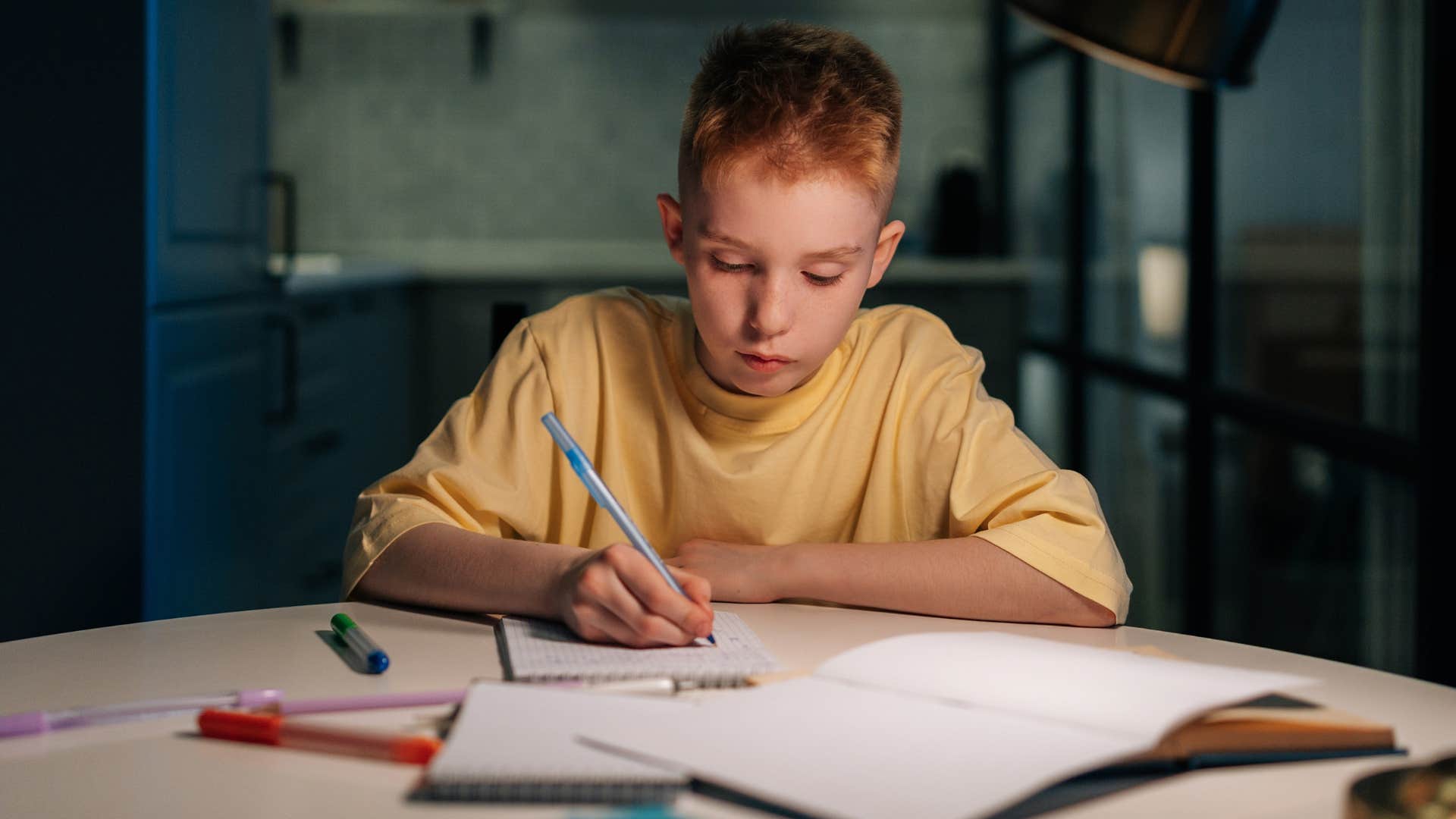
The rise of standardized testing in school districts and curricula across the country has not only correlated with a rise in student mental health concerns, like academic anxiety and burnout, it’s solidified an unrealistic expectation for academic success in many kids today. This is vastly different from how students were educated just a half century ago.
According to Lisa Tunnell, M.Ed., this rise in testing has harmed student self-esteem in previously high-achieving students and even affected teacher effectiveness and devotion.
Although debates about the state of education for today's kids are unsettling at the best of times, there have been some benefits to today’s students, who now have access to online learning and more unconventional learning methods.
7. Overall, today's kids are less physically healthy
 Yulia Raneva | Shutterstock
While some populations of kids appear to be healthier today than in past generations, in general, studies have found that children today are less healthy than even just 17 years ago.
Uninsured children are more likely to go without care today due to high costs, vaccination rates have declined and stalled even as diseases like Measles have increased, and child obesity rates have risen exponentially.
So, while there is a trend of better health in many children today simply due to medicinal advancements, vaccination access, and specialized healthcare, it’s nearly impossible to compare generational trends given social and financial barriers of our modern world.
8. Kids have organized activities and less unstructured play
 Gorodenkoff | Shutterstock.com
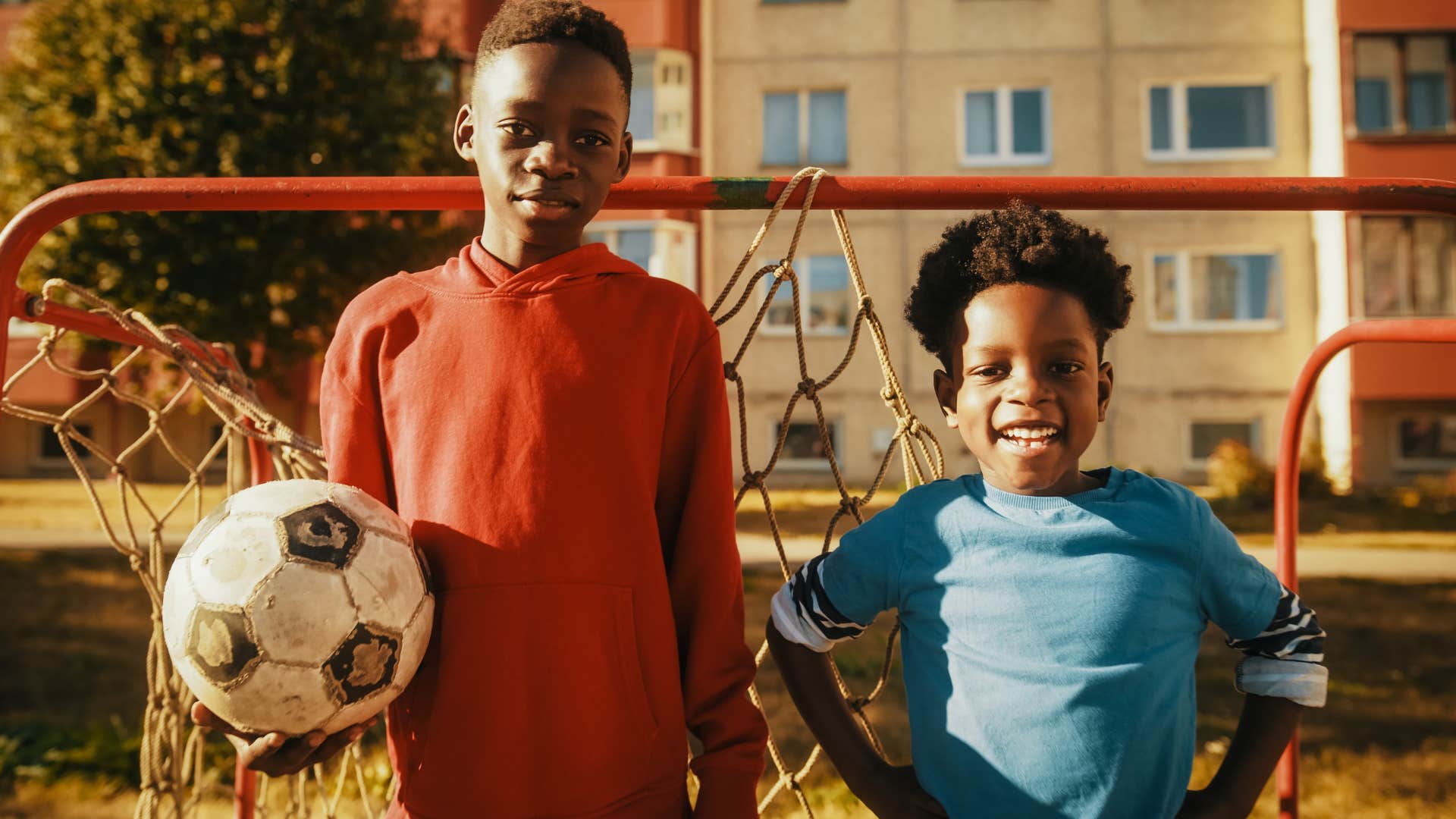
While kids in the last half century were more engaged in untethered, independent, and “freewheeling” types of play, modern day children are more focused on screen-time and organized activities. This has not been a net benefit for kids.
Many experts suggest that this shift in play today, compared to two decades ago, is not just alarming for cultivating healthy spaces for expression, but for advancing cognitive ability and independence early in life. This isn't only contributing to rising rates of mental health concerns early in life, as experts suggest, but removing a level of natural agency and deteriorating chances for the development of important social skills.
9. Kids are more anxious about news and politics
 Iren_Geo | Shutterstock
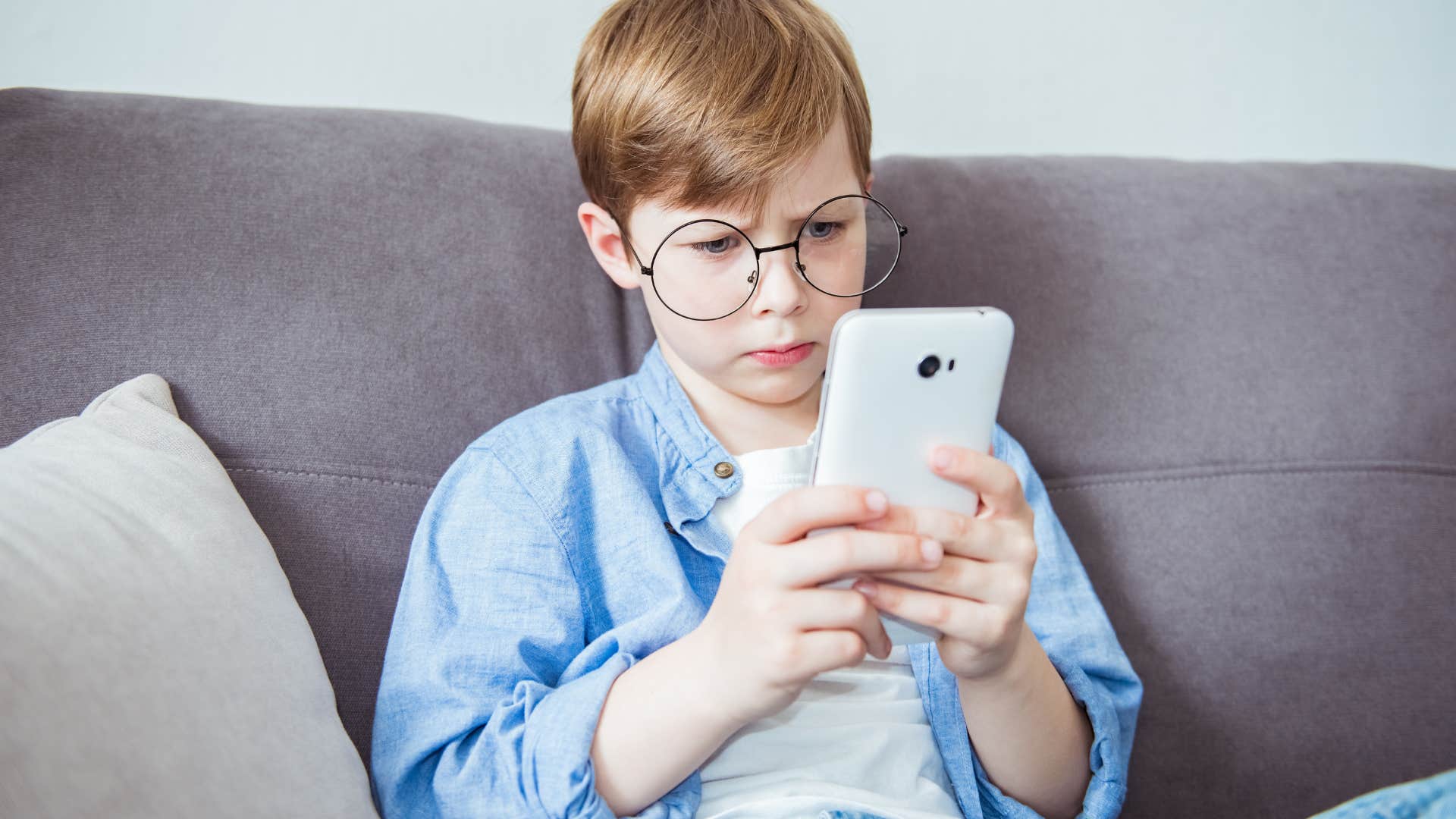
With technological growth and access to more information, news, and testimonies online, children, especially tweens and teenagers, are more anxious than older generations were at the same age. This is often due to information about political situations, worldly events, climate change, and other newsworthy headlines, which are inescapable compared to how children lived half a century ago.
According to Amy Morin, a clinical social worker and the author of an an article in Psychology Today on rising anxiety in modern day children, their heightened awareness with traditional and social media contributes to a sense of helplessness about their future, one that seems to massive and overwhelming to truly contribute to.
10. The parents of today's kids are more stressed and distracted
 juninatt | Shutterstock
According to an advisory from the U.S. Surgeon General, 48% of parents admitted that most of their days are encompassed by overwhelming stress. This is a way in which kids' lives have changed in the last half century.
They’re not just burnt out at work or struggling with rising financial instability, they lack the support and healthy coping mechanisms they need to show up for their own wellbeing, much less that of their own kids.
For kids raised in these stressful households their parents' heightened anxiety and unsettling experiences providing for their family has already shifted their workplace dynamic. Unfortunately, this trend is likely to continue as the economy becomes more and more challenging for parents to navigate.
Zayda Slabbekoorn is a News & Entertainment Writer at YourTango who focuses on health & wellness, social policy, and human interest stories
11. Gender roles are less restrictive
 Inside Creative House | Shutterstock
While there is still a long way to go before true gender equality is achieved, kids and teens today have significantly less restriction in opportunity and expression compared to children just a half century ago. For example, 50 years ago girls were actively discouraged from pursuing careers in science and technology. Today, girls enjoy the benefits multiple empowerment programs over the last 25 years have increased opportunity.
For boys, life has changed, too. While 50 years ago boys were discouraged from showing any emotion, today, parents actively seek to increase boys' social and emotional skills. While initially seen as a politicized issue, parents and educators from all across the political spectrum recognize the crisis of connection among boys and men. Generally, most parents accept that boys and men are better off when they have an emotional toolkit of sorts to help them manage their feelings.
These days, girls can be seen playing flag football while boys talk with one another about their stresses and their feelings. For Gen Z and Gen Alpha this seems perfectly normal for their parents, it looks like a revolution.
