
11 Things People Who Cut Off Contact With Their Parents Realize Way Too Late In Life
Separation from unhealthy environments can provide people with clarity.
 Rocketclips, Inc. / Shutterstock
 A person deciding to cut off contact with their parents is usually not a rash decision. It gradually becomes a reality after years of having their boundaries disrespected and having to endure a toxic environment. They may begin to feel that the only way they can prioritize their overall well-being is to cut off communication with their parents.
This typically leaves the person feeling several overwhelming emotions. They may start to realize things they had never been able to before, given the opportunity to explore and embrace themselves without their parents' influence.
These are 11 things people who cut off contact with their parents realize way too late in life
1. The toxicity was not normal
 fizkes / Shutterstock
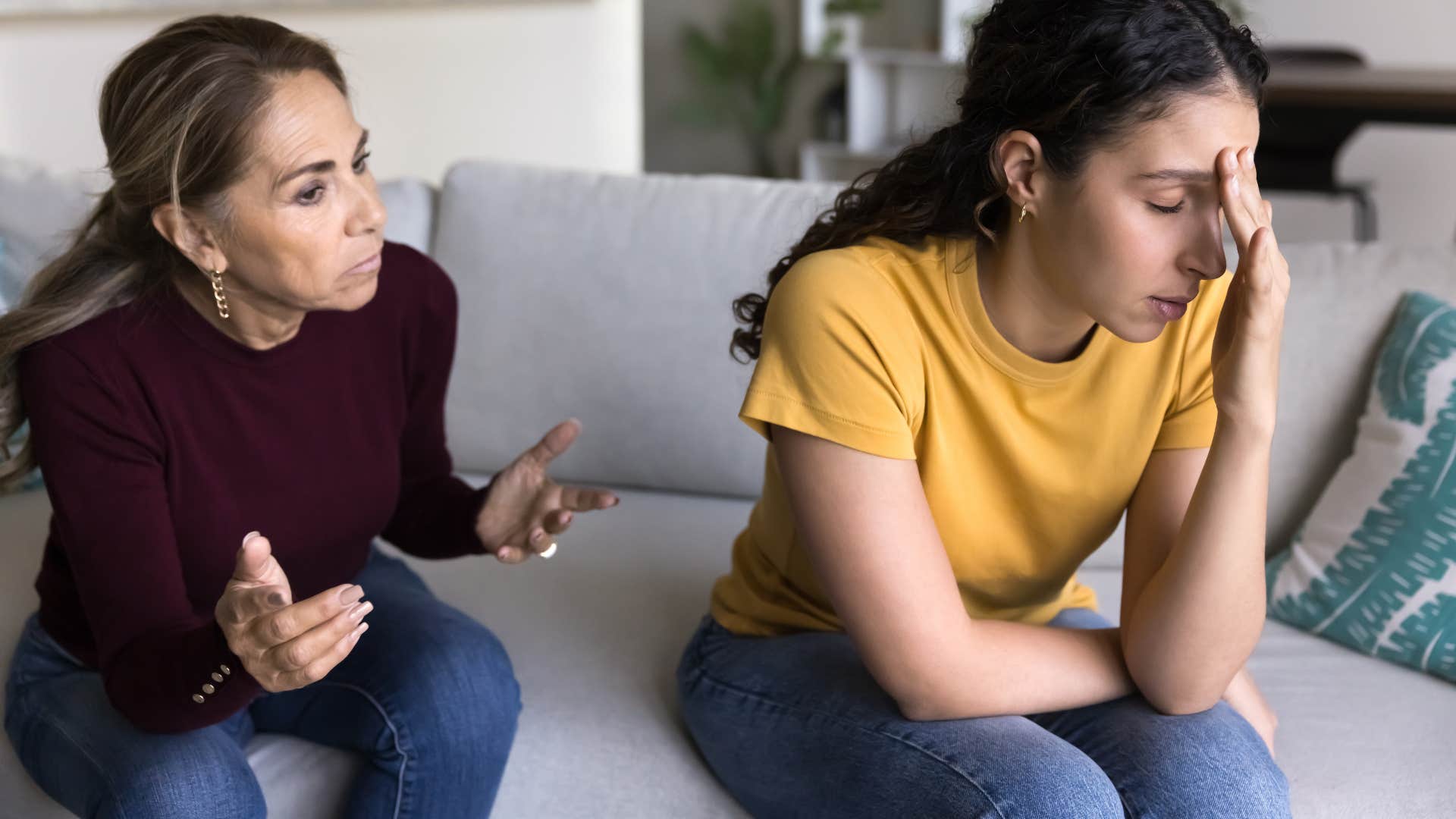
People who cut off contact with their parents eventually realize that the toxicity that filled their childhood home was not normal. This is a realization that happens gradually and usually takes a person getting themselves out of the toxic environment to realize it was abnormally toxic.
When they embark on a path of healing and self-growth, they are able to develop a new perspective on the relationship they had with their parents. It will bring clarity, but also several overwhelming emotions, and they begin to understand this dynamic.
2. They are stronger than they thought
 fizkes / Shutterstock
A person who cuts off contact with their parents may eventually realize late in life that they are stronger than they thought they were. While they are in the midst of a difficult upbringing and a messy relationship with their parents, it is hard for them to understand the depths of their strength.
When they are no longer in contact with their parents, they gain a new perspective on themselves. They will start realizing that not staying in touch with their parents was necessary for them to grow mentally and emotionally, and they will feel a new sense of strength from being able to do so.
3. Unconditional love exists elsewhere
 fizkes / Shutterstock
When people choose to cut off contact with their parents, they may come to realize that unconditional love can be found elsewhere. If they believed that the only people who could love them unconditionally were their parents, but they knew their parents did not, it may have caused them to believe that unconditional love did not exist.
Once they were able to step away from the unloving relationship they had with their parents, they were able to embrace new relationships that make them feel seen and understood, no matter what. They will begin to learn that in order to endure healthy love, boundaries have to be set, and they cannot just settle for being treated in any way others see fit.
4. Their parents' worldview was narrow
 fizkes / Shutterstock
A person who cuts contact with their parents will start to realize late in life that their parents’ worldview was narrow. As they start to create their own individual experiences and gain a deeper understanding of their own growth, they are able to develop their own worldview without persuasion from their parents.
Cova Psychology, a team of psychologists who provide individuals with evidence-based therapy for mental health concerns, explains that, “For some, the removal of an unsafe or toxic relationship brings an immediate sense of peace. Without constant conflict, there is space for self-care, growth, and improved emotional stability.”
This allows the person to truly identify and embrace their own beliefs.
5. They can finally think for themselves
 BearFotos / Shutterstock
When people no longer stay in contact with their parents, they usually start to realize that they can finally think for themselves. When they no longer have their parents feeding them all of the things that they think they should believe in, they are able to figure out what they believe in for themselves.
It may be a hard decision for them to choose no contact with their parents, but it is “often a necessary step for mental health and well-being. Whether it’s years of unresolved conflict, emotional manipulation, or simply the need for healthier boundaries, this step can be painful for both sides,” according to Insight and Action Therapy.
6. Their parents were not always right
 pixelheadphoto digitalskillet / Shutterstock
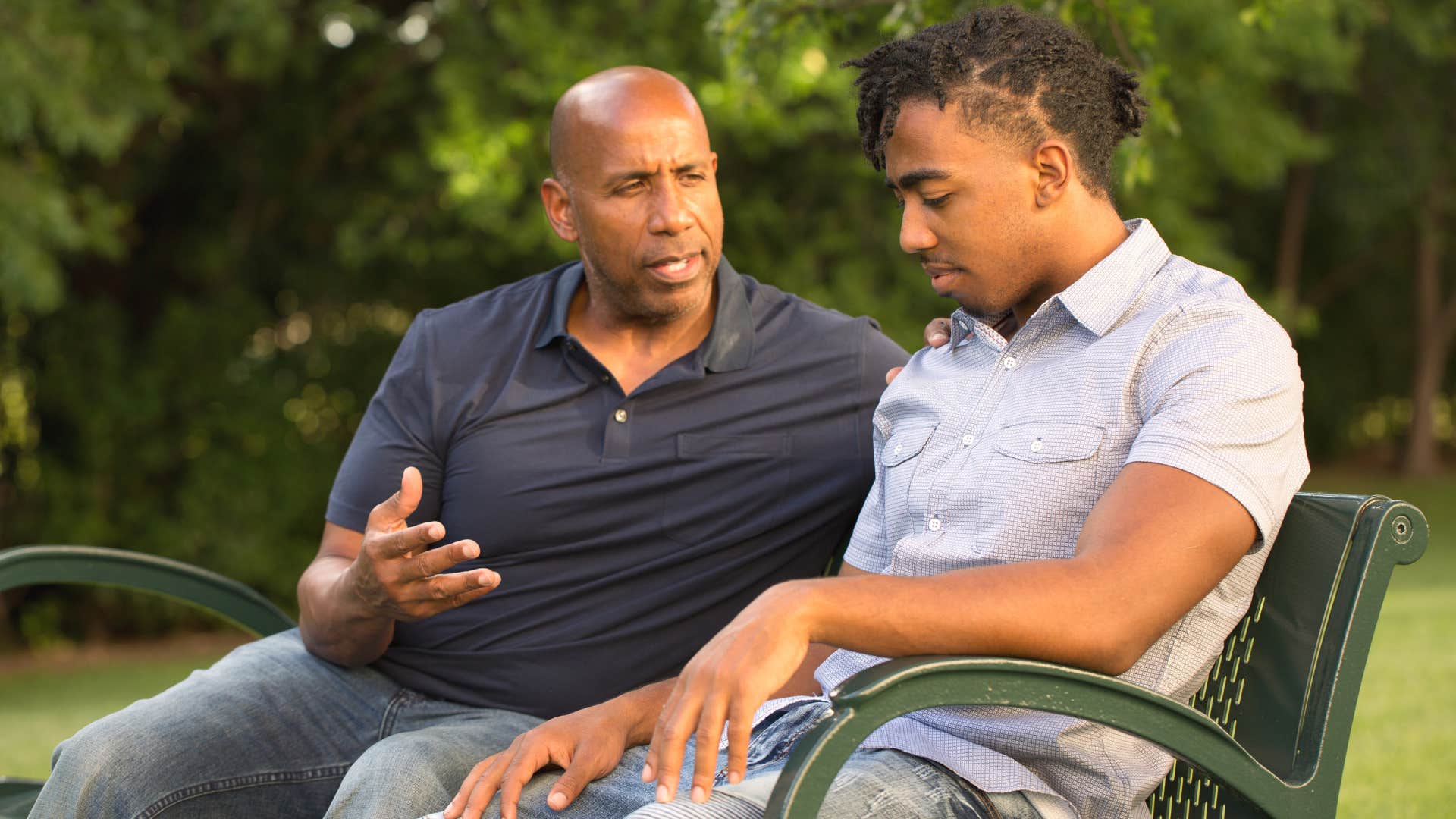
Once a person cuts off contact with their parents, they may begin to realize that their parents were not always right. While in contact with their parents, they might have found themselves always following their parents’ lead and never taking time to think for themselves.
Once that contact is cut off, they are able to see things in a more neutral light and make their own decisions about what is right and what is wrong. “Cutting off your parents is in some way similar to cutting off your legs. They are integral to who you are as a person, whether you like it or not,” explains Baltimore Therapy Center, a team of licensed professionals who provide individuals, couples, and families with therapy. This being the case will make it difficult for a person to take on life without their parents, but sometimes it is a challenge someone must face in order to prioritize their well-being.
7. They can find fulfillment outside of their parents' approval
 Motortion Films / Shutterstock
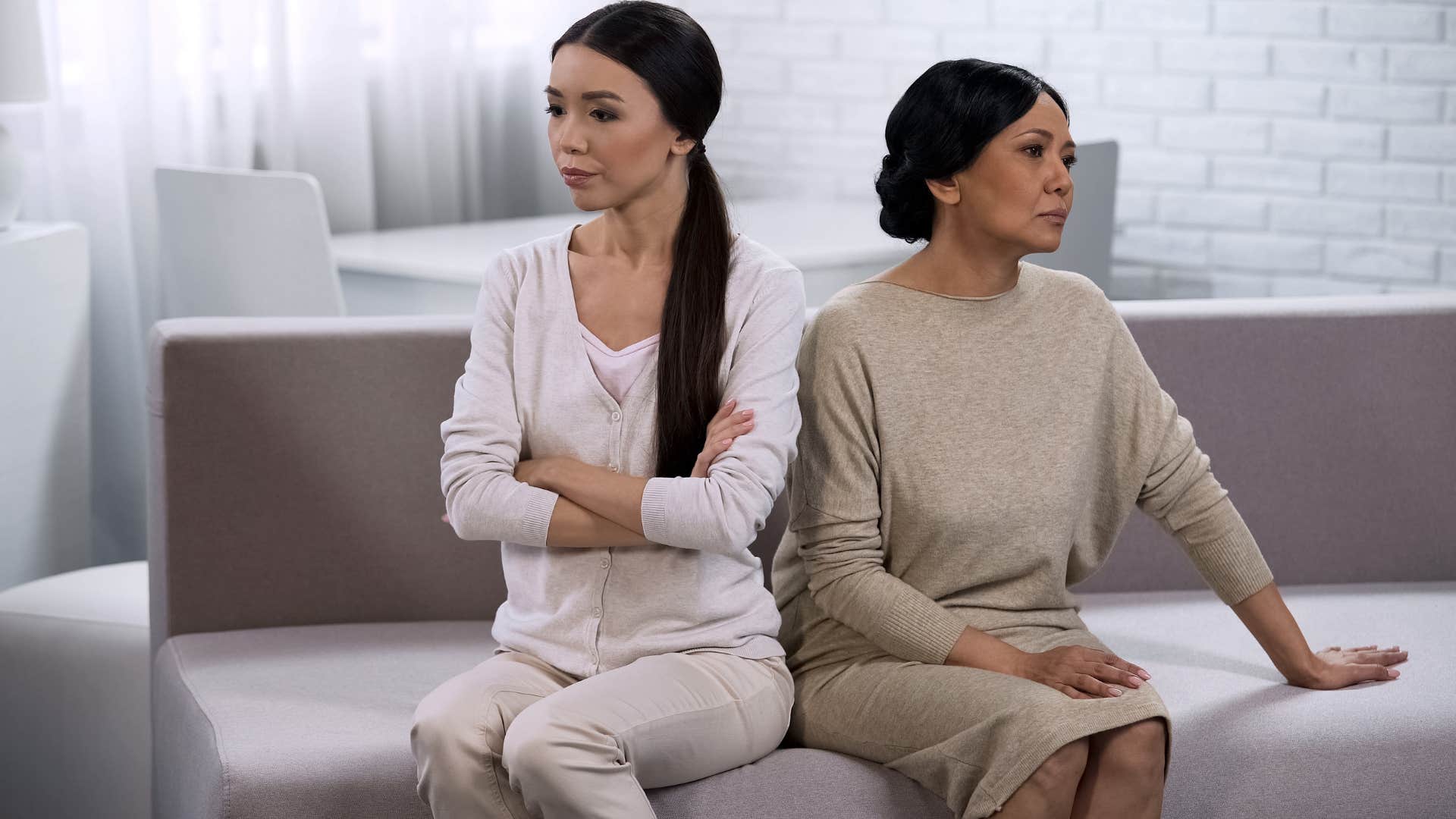
Before cutting off contact with their parents, a person may feel like the only thing that could ever make them feel fulfilled would be to finally achieve approval from their parents. Once they do cut their parents off, they are able to realize that many other aspects of their life can make them feel fulfilled.
When they find themselves in healthy environments that are conducive to helping them build a family and new friendships, they are able to see how these relationships eliminate their loneliness and make them truly feel fulfilled. By building these healthier support systems, they are able to see life through a new light and achieve self-acceptance.
8. They can be selfish and still be a good person
 M_Agency / Shutterstock
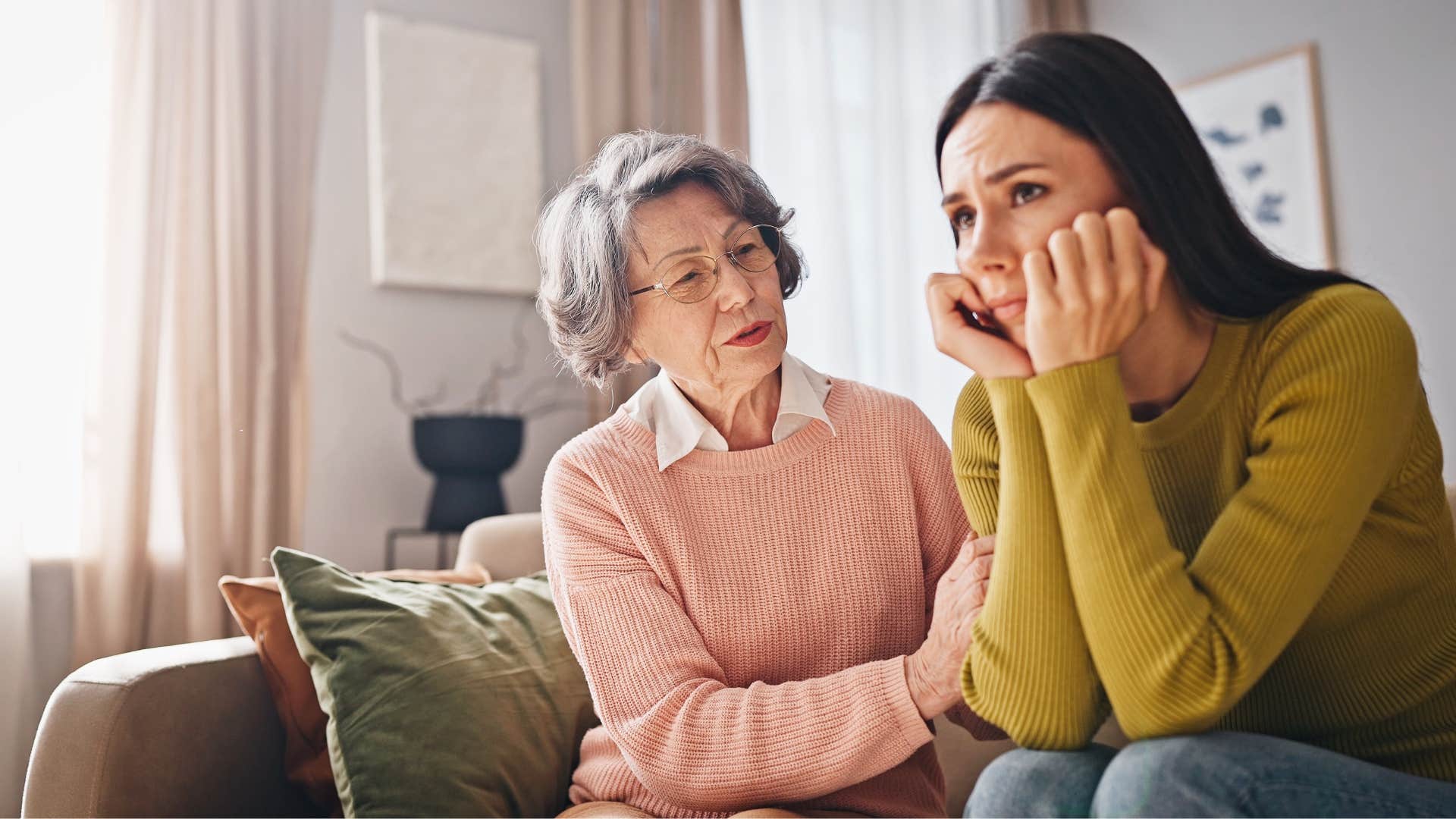
Some people may realize that although cutting ties with their parents may seem selfish, it does not make them a bad person. If the environment around and relationship with their parents is toxic, it may actually be the best thing for them and their parents to step away from each other for a while.
By giving themselves more time to heal and grow personally, they can find a new perspective and process their own feelings enough to try and understand the actions of others. This time away allows for each person involved to find it in themselves to forgive the pain they have all caused one another. Cutting off all contact with their parents is an attempt to achieve self-preservation.
9. They are not to blame for their parents' disappointment
 fizkes / Shutterstock
Many individuals who cut off contact with their parents will eventually realize too late in life that they are not to blame for their parents’ disappointment. The time they spend apart will allow them to process emotions that they have likely pushed off for most of their lives.
While initially breaking these ties may leave them feeling guilty and questioning whether they have done the right thing, they will soon realize that this act of self-preservation was crucial to their overall well-being. Theresa Lupcho, a licensed professional counselor, explains that while no contact may be difficult at first, it usually brings a person a lot of clarity and helps them establish boundaries in other relationships.
10. Their parents will likely not change
 sebra / Shutterstock
People who decide to cut off contact with their parents usually realize too late in life that their parents will likely not change. This may act as motivation and a trigger for them to continue distancing themselves from their parents.
Typically, they feel a lot of grief for the relationships that they are letting go of in the beginning. After having time to truly process the relationship, they will start to feel a sense of peace and relief, despite still feeling complex emotions toward the loss of contact.
11. Their parents may not have truly seen them
 Freeograph / Shutterstock
When someone cuts off contact with their parents, it's sometimes because later in life they realize their parents have never truly seen them. To them, they may view this as more of a reason to prioritize their well-being and remove themselves from the relationship.
They may have a desire to understand their parents’ perspective so that they can try and understand why their parents were uninterested in bettering the relationship with them and getting to know them. While not all people who choose to cut off contact with their parents will realize these things too late in life, many will due to the clarity and rush of emotions that result from cutting ties.
Kamryn Idol is a writer with a bachelor's degree in media and journalism who covers lifestyle, relationship, family, and wellness topics.
