
Smart Happy People Usually Grew Up With Parents Who Said 9 Phrases Pretty Regularly
 PeopleImages | Shutterstock
 Adults with tumultuous childhoods and bad parents can succeed and be happy. But it often takes a lot more effort.
The happiest kids, who grow up with a secure sense of self and confidence, had parents who built all those things from scratch. Smart, happy people grew up with parents who said certain warm, encouraging phrases regularly. They grew up feeling loved. While everyone else had to learn how to love themselves and who they were in adulthood, these kids had a head start.
People who are smart and happy usually grew up with parents who said these phrases regularly
1. 'You're allowed to feel upset'
 DimaBerlin | Shutterstock
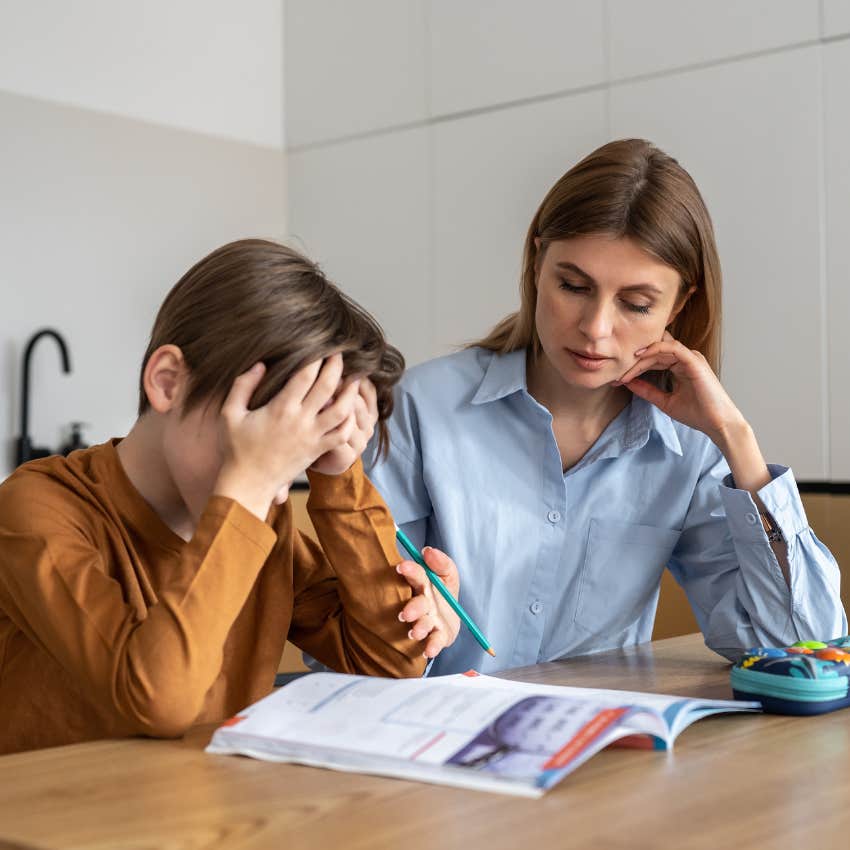
Instead of trying to avoid highly emotional situations or shutting down tantrums with invalidation, the best parents use phrases like "you're allowed to feel upset" when their kids are feeling complex emotions. They let kids experience emotions without offering them an immediate fix or "out."
They teach them how to sit with these feelings and acknowledge them, and ultimately, to accept them without derailing completely. Kids learn emotional regulation from steady parents who don't avoid hard feelings, and that includes these moments when it's easier to yell and push kids to suppress their feelings.
2. 'I'm so happy to see you'
According to a study from the Journal of Family Psychology, kids who receive warmth from parents growing up end up with better coping skills and well-being than those who don't. Their parents are present with them, but also unconditionally loving, even in the mundane moments. They're taught how to love themselves early and often.
We all want to feel loved and valued by our parents, but it's the kids who actually do who end up loving themselves better and crafting healthier relationships later in life.
3. 'Let's celebrate'
Celebrating effort and small wins as a parent teaches kids how to celebrate themselves. They aren't looking for praise from everyone else because they have the self-worth and self-esteem from childhood to provide that encouragement for themselves.
Smart, happy people had parents who celebrated them and showed them how much they value as people. And they're better off in adulthood because they're not looking for validation they never received, but feeling it internally.
4. 'Everyone makes mistakes'
Kids need to learn how to learn and grow from their mistakes, or they spend their entire lives coping with insecurity and staying in their comfort zone. "Everyone makes mistakes," paired with a question like "What did you learn?" is a key part of a healthy childhood. They remind kids that challenge and discomfort aren't inherently bad things, but opportunities to grow as people.
Kids who focus on learning and growing, rather than avoiding or worrying about mistakes, grow up to be more intelligent adults. They are constantly evolving into a better version of themselves because they're not blinded by the allure of comfort and convenience.
5. 'You're very good at that'
 PeopleImages | Shutterstock
Parents who offer encouragement and praise through phrases like this are quietly building confidence and self-esteem in their kids. The most successful, happy adults were told they were good at something as a kid, and supported in pursuing it and learning. This kind of encouragement is necessary.
This praise needs to be paired with an appreciation for effort. Kids need to know that they can always learn and grow, instead of being fed the narrative that their talent or innate gift as a kid is a key to lifelong laziness.
6. 'Here are your chores'
Yes, having children do household labor and chores at home is helpful for parents. However, it's also incredibly beneficial for kids as they grow and develop. According to a Harvard University study, kids who are offered chores to do early in life end up being happier and more successful.
They learn how to balance their responsibilities with their free time. They appreciate and grow their own work ethic. They become resilient from dealing with the annoyances and stress that this household labor prompts. Even if they complain about these chores as kids, the discomfort and problems they have to work through teach them important lessons.
7. 'I can see that you're upset'
Acknowledging a child's emotions and discomfort is exactly how parents raise self-aware, emotionally regulated adults. Instead of saying "it's not that scary" or "you have nothing to be upset about," they validate their kids' feelings.
They make space for them, even when it's not convenient. They offer learning opportunities for their kids to learn from and regulate those feelings on their own. This is the foundation of emotional intelligence that makes adult children's lives so much better, even if it starts as a simple skill and lesson early on.
8. 'Tell me what's going on'
With all the best intentions, some parents end up turning their children into pessimists by prompting them into a certain kind of story or narrative. "Was your teacher mad at you again?" and "tell me why you're sad about that" are examples of leading kids down a more negative path, even if it does happen to be the one they're feeling.
The best parents, who raise optimistic and intelligent kids, are the ones who ask more curious questions. They let kids tell their stories, instead of pressuring them into one that works better for them to handle. They accept kids for who they are and what they're feeling by using these simple phrases often.
9. 'We love you'
 pics five | Shutterstock
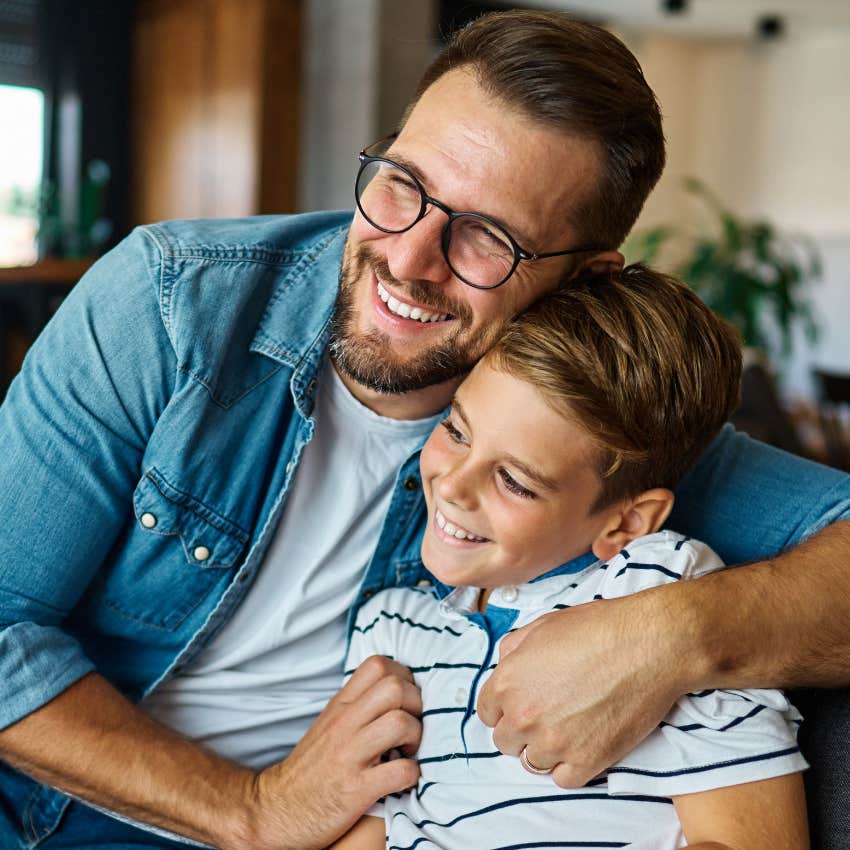
Hearing that we're loved and valued at home is a huge foundation for happiness and well-being later in life. It affects every aspect of who we are, from how we respect ourselves to the kinds of romantic relationships we seek out.
Simple phrases like "I love you" that happy, intelligent adults heard at home growing up also created a sense of belonging amongst the family. The more we feel like we belong, the more meaning and purpose we have in life. The more meaningful our lives feel, the happier we are.
It might seem obvious and simple, but it's this kind of unconditional love and affection that makes all the difference in young people's lives.
Zayda Slabbekoorn is a senior editorial strategist with a bachelor's degree in social relations & policy and gender studies who focuses on psychology, relationships, self-help, and human interest stories.
