
People Who Were Raised With Good Values Still Say 10 Polite Phrases Most People Don’t Bother With Anymore
 PeopleImages | Shutterstock
 Even when it seems subtle, childhood experiences and parental influences play a huge role in shaping adult children's realities. From boosting social skills to teaching independence, the parenting styles and priorities children grow up with make a big difference, at least according to a study in Children and Youth Services Review.
Even small things like a parent's word choice can leave a lasting impact, shaping how kids interact and communicate. In fact, your parents raised you right if you still say these phrases most people forget, not just because they're bonding and intimate, but because they help to promote respect and basic decency.
People raised with good values often still say polite phrases most people don’t bother with:
1. 'Please'
 PeopleImages.com - Yuri A | Shutterstock
Expressing gratitude not only builds self-esteem but also promotes healthier relationships and social connections, according to a 2010 study. However, other studies, including one in Social Psychology Quarterly, suggest that phrases like "please" and "thank you" are less common across generations than they were a decade ago. If your parents raised you right, you probably still take the time to say thanks and use phrases like "please," even when you're making a simple request to a stranger or talking to co-workers in the office.
2. 'Do you need help?'
 Wayhome Studio | Shutterstock
Most people ask if others need help and offer to help, doing it out of kindness and hoping to make a positive difference in someone else's life. A study from the American Journal of Public Health suggests that helping others also improves mental health and reduces stress.
3. 'Thanks for your time'
 Amnaj Khetsamtip | Shutterstock
Whether you're in a work meeting or leaving a first date without a spark, a phrase like "thank you for your time" can make all the difference. It not only reminds people you're looking out for them, but also shows respect, even in uncomfortable or high-stress situations. Conveying respect in any conversation is key to better productivity and connection. When people feel respected, they simultaneously feel valued and like they belong in whatever interaction they're engaging in, according to a study from Social and Personality Psychology Compass.
4. 'Bless you'
 pics five | Shutterstock
According to etiquette expert Maralee McKee, saying "bless you" when someone sneezes has become ingrained in American culture, prompting a habit that's not only strange but indicative of someone's respect and thoughtfulness. It reminds us of our shared humanity, a way to look out for others and show respect, even when it's completely unexpected.
5. 'What can I bring?'
 Perfect Wave | Shutterstock
Your parents raised you right if you still ask "What can I bring?" when someone invites you to a social event or their home. Beyond simply showing up and taking action when someone's struggling, a phrase like "What can I bring?" can truly build strong relationships. You're showing people you're offering a small contribution that some people are too self-centered to consider — and even if the host says they're good, you usually bring a small token of gratitude anyway.
6. 'I don't know, but I'll find out'
 Dmytro Zinkevych | Shutterstock
Having the confidence to make a mistake or try something you don't know how to do is brave enough, but being willing to seek answers from someone else when you're unsure is even rarer. Of course, being comfortable making mistakes and getting out of your comfort zone is largely a product of great parenting.
A warm parent who offers guidance and empathy around their kids' mistakes and insecurities teaches them how to handle similar situations later in life. Rather than avoiding shame about not knowing something, they embrace uncertainty as a necessary part of finding the right answer.
7. 'I appreciate you'
 PeopleImages.com - Yuri A | Shutterstock
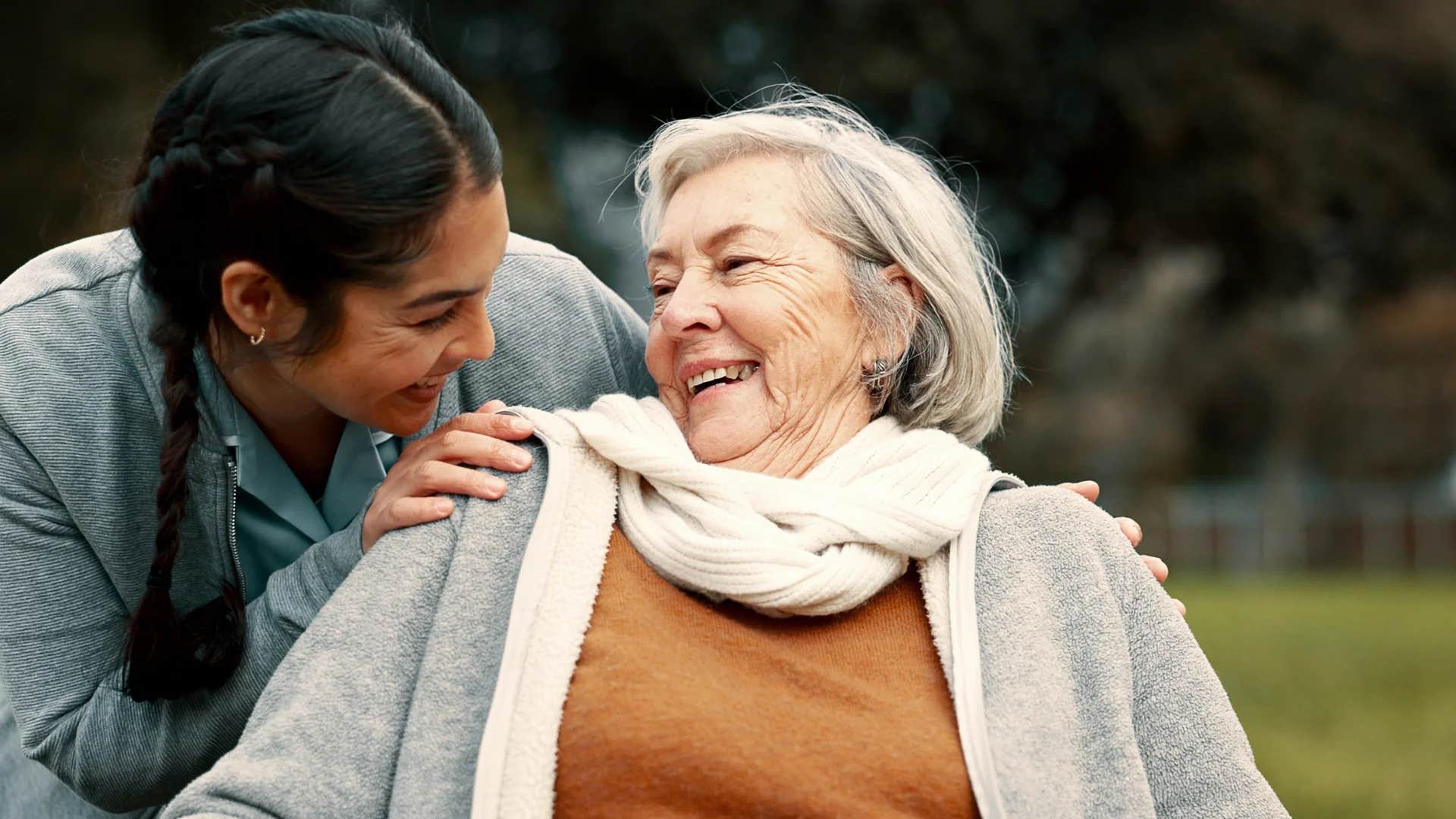
According to experts at Harvard Health, expressing gratitude for others, even in casual conversations or with strangers, can boost self-esteem, physical health, and overall well-being. Even if you're simply making time to use a forgotten phrase like "I appreciate you" amid your daily life, you're making a difference. Great parents teach their kids the importance of expressing gratitude in both small and large ways. They know that grateful, present kids will not only excel personally, but also build more meaningful relationships.
8. 'Remind me of your name'
 fizkes | Shutterstock
A study in the Journal of Experimental Psychology found that remembering someone's name and using it in conversation can promote positive feelings in a relationship. It not only helps people feel heard, but also associates those positive feelings with the other person. So, if you not only make an effort to remember someone's name but also ask them what it is, chances are your parents raised you right.
9. 'Drive safe'
 JLco Julia Amaral | Shutterstock
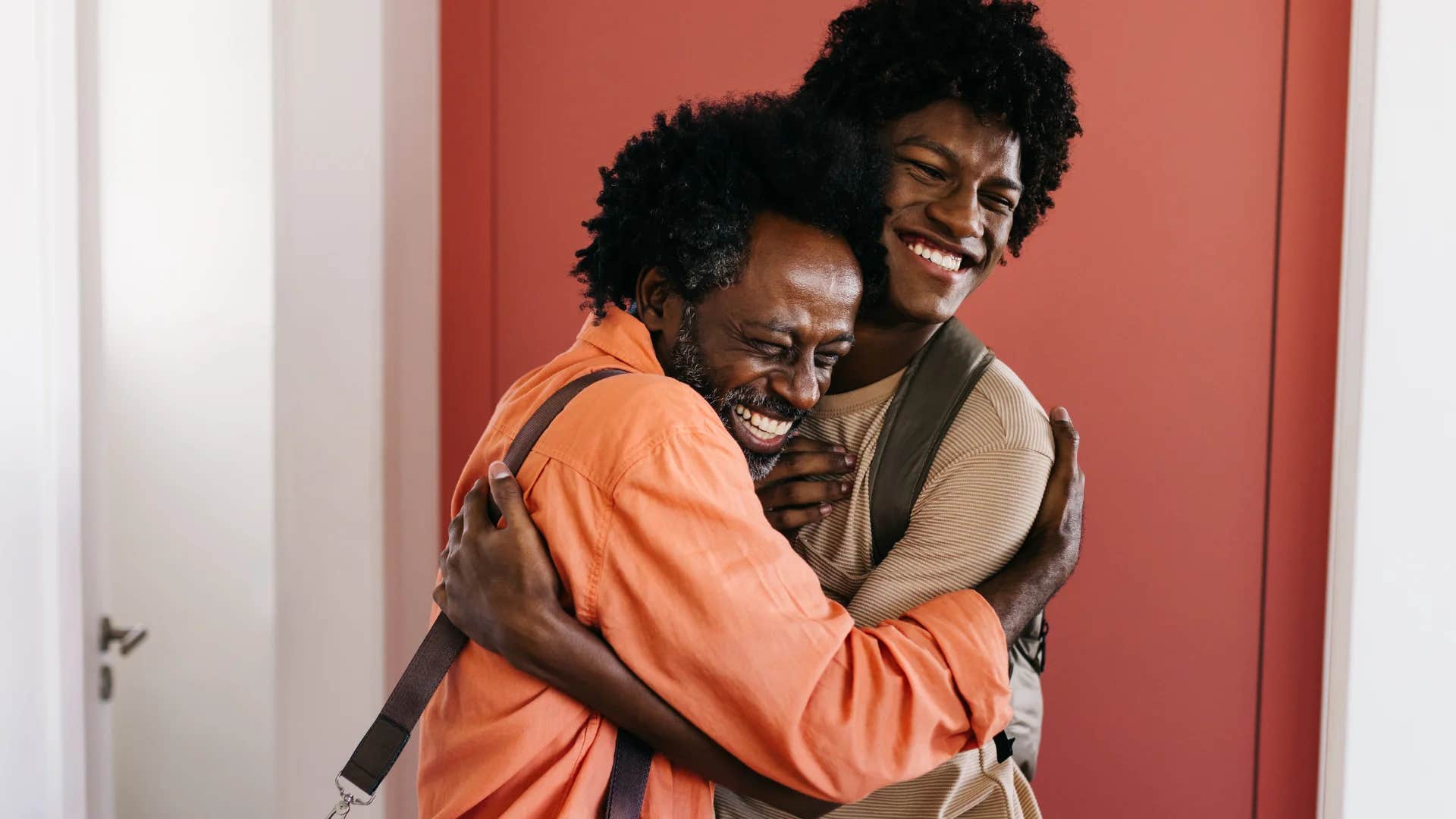
Oftentimes, in relationships and connections, it's the little things that matter the most. From offering gratitude to saying "drive safe" when someone leaves your home to remembering their favorite coffee order, small moments of sincerity truly bond people and spark positive memories.
In fact, a BYU study found that engaging in one small act of kindness each week in social interactions can help prevent loneliness and social isolation. So, parents who teach their kids, both by modeling kind behavior and teaching them the importance of empathy, that phrases like this are still important, set them up for success.
10. 'Let's agree to disagree'
 simona pilolla 2 | Shutterstock
Not every conflict will end in compromise, and people raised by great parents who encouraged emotional expression and open communication are okay with that. They're secure enough to use a phrase like "I won't tolerate this kind of language" or even "let's agree to disagree" to keep a conversation from turning testy or rude.
Zayda Slabbekoorn is a senior editorial strategist with a bachelor’s degree in social relations & policy and gender studies, focusing on psychology, relationships, self-help, and human interest stories.
