
Lower, Middle & Upper Class Kids Usually Have Completely Different Reactions To Getting In Trouble At School
 mike mols | Shutterstock
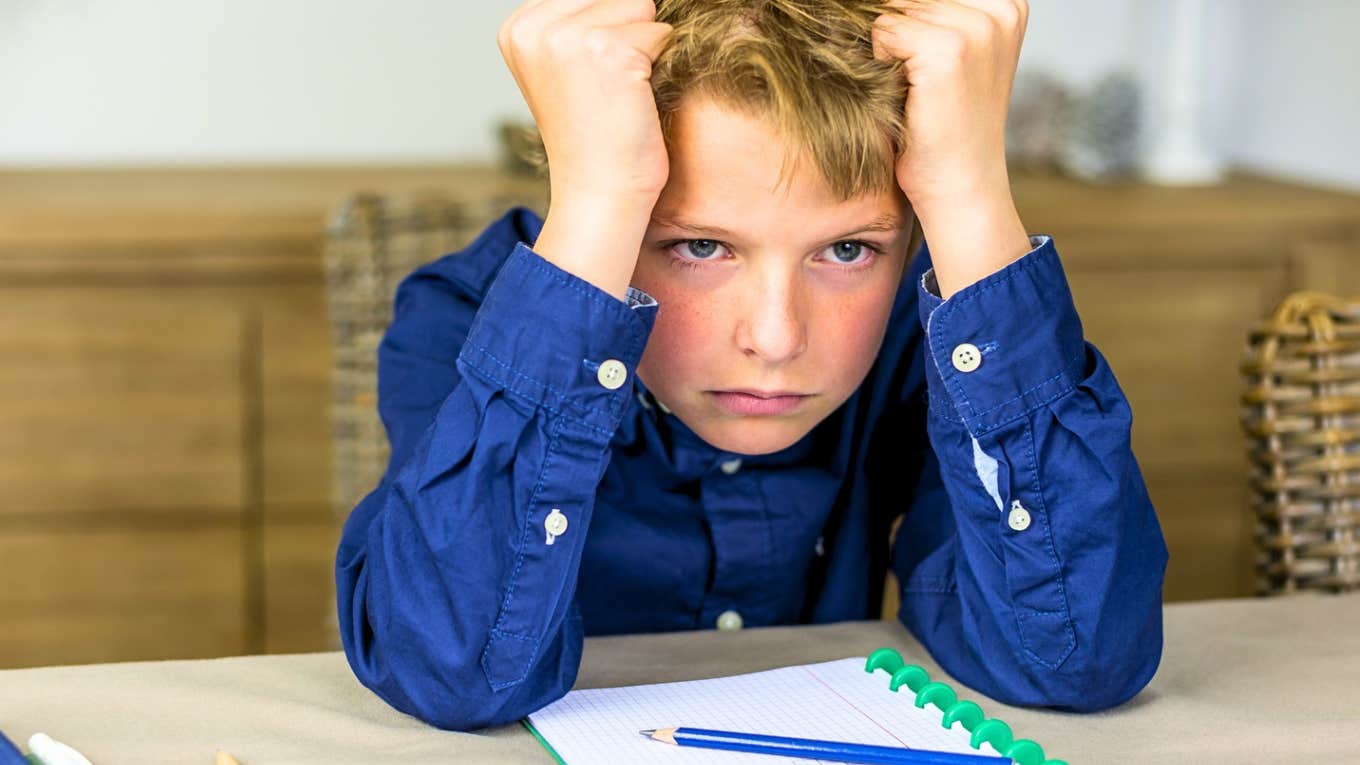
Social class has a considerable impact on how children perform in school. According to the American Psychological Association, it can affect how they learn and socialize with other children. It can also affect how they react when they get into trouble at school. Children from lower-, middle-, and upper-class families react very differently when they're in hot water, and some of those differences come from what they've been taught about authority and standing up for themselves.
For some kids, getting in trouble means accepting their punishment without arguing. Others might try to talk their way out of it or expect their parents to step in and help. Their family's social class can influence how they handle these situations and what happens when they break the rules.
How kids from lower-, middle-, and upper-class families react when they get in trouble at school:
 Maria Symchych-Navrotska from Getty via Canva
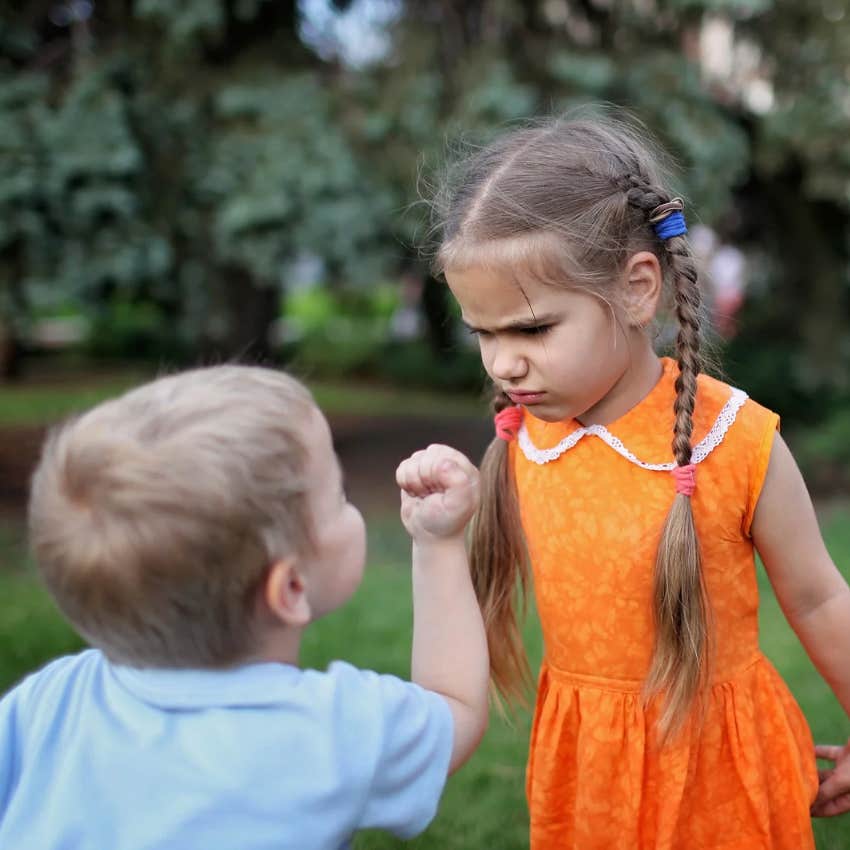
Lower-class kids tend to accept their punishment without arguing
According to a study from the University of Georgia, children from low-income families are more likely to act out and struggle in school. They may tease or get into fights with other students, and these behavioral problems can be difficult to address when families are struggling financially, especially when parents are dealing with stress, limited resources, and demanding work schedules.
However, when lower-class kids get in trouble at school, they may be more likely to accept their punishment rather than argue with their teachers. Some grow up being taught to respect authority and follow the rules, so even when they disagree with the consequences, they might not feel comfortable speaking up for themselves.
 Kemter from Getty via Canva
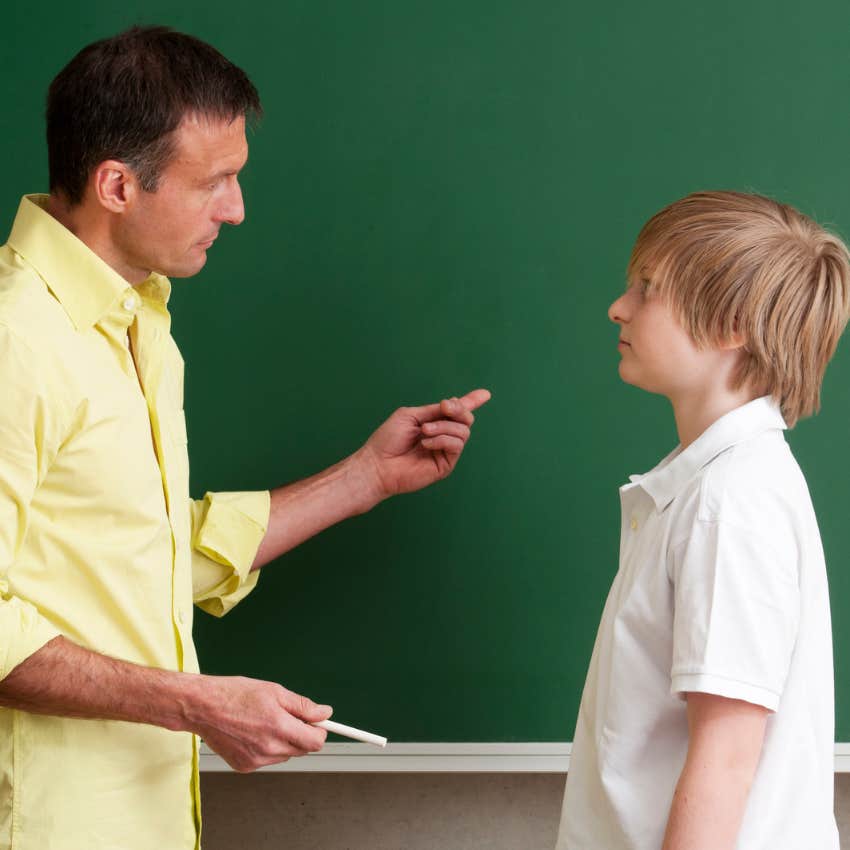
Middle-class kids may try to talk their way out of trouble
Middle-class children have been taught at an early age to advocate for themselves. They know how to ask for help if they need it and negotiate with their teachers or peers. According to Indiana University sociologist Jessica Calarco, middle-class students are more likely to speak up for themselves, ask teachers for special treatment, and negotiate their way out of trouble.
If they do get into trouble, they might use their negotiation skills to talk themselves out of punishment. Rather than just accepting the consequences, they often explain their side of the story or ask for another chance. It's one of the many advantages middle-class children may receive in school.
 studioroman via Canva
Upper-class kids often expect their parents to get them out of trouble
It is commonly believed that lower-class children get into trouble the most. However, upper-class children get into trouble too. In some cases, their behavior may be overlooked or swept under the rug.
According to psychologist Suniya S. Luthar, Ph.D., affluent children may engage in risky behavior like shoplifting, cheating, and substance use. She also found that some wealthy parents are willing to step in and protect their children when they get caught breaking the rules. If upper-class kids get in trouble at school and their parents are informed, they might expect their parents to protect them from the consequences of their actions.
Aricka Croxton is a writer with a Bachelor's Degree in Creative Writing from the University of Michigan who covers relationships, self-help, and wellness.
