
High-IQ Parents With High-Achieving Kids Teach Them 5 Key Lessons Before They Leave Home
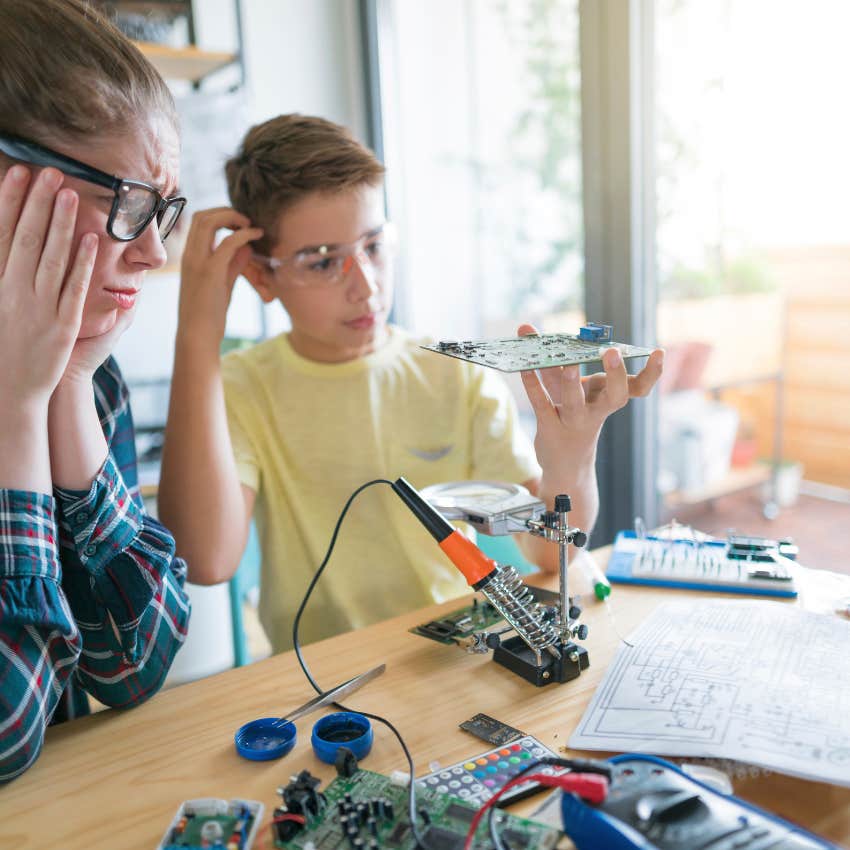
 Evgenyrychko / Shutterstock
Most parents try their best to make sure their kids will grow up to be well-adjusted, successful adults. Some mainly focus on making sure their children get good grades or know how to talk to other people, and while both of those things are important, there are lots of other skills that are critical for kids to start practicing well before they're ready to move out on their own.
Highly intelligent parents with high-achieving kids usually make sure to teach them these important lessons before they move out of the house
1. Failure is an important and necessary lesson
 SrdjanPav from Getty Images Signature via Canva
Feeling like you’ve failed at something can be hard and uncomfortable for anyone, but especially for kids. It can make them feel as if they are less than or not deserving of something, so parents often try to protect their kids from making mistakes.
Smart parents know how important it is to allow their kids to fail so they can see what does and doesn't work and grow from the knowledge they gain. Failures can be an opportunity for kids to learn about themselves and sit with the uncomfortable feelings that come with it. In the future, kids whose parents give them that kind of dignity are more likely to see failure as a step toward their personal growth.
2. How to manage their money
Understanding how to spend and save money responsibly is an important skill everyone should learn. Most people have to learn it through life experience, because schools don't seem to do a great job of making those lessons a priority.
Kids who learn financial literacy early on from their parents gain confidence and skills far too many lack. Giving kids an allowance or paying them for chores and good grades is a low-risk way to teach them about money, as it gives them an opportunity to make mistakes and learn from them before they become adults and those mistakes are major.
3. How to speak up for themselves
 kool99 from Getty Images Signature via Canva
Most kids are hopefully taught to be kind and respectful to both adults and other children. That's great, but at the same time, the lesson sometimes places so much emphasis on being polite that they may not feel comfortable speaking up for themselves when they really do have a good reason to.
Parents of successful kids make an effort to also teach them how to advocate for themselves independently. This skill helps the child recognize when something that is happening to them is wrong and that what they are feeling deserves to be addressed. When those kids grow up, they're more likely to understand the value of addressing their problems directly and not shy away from confrontation when it is truly necessary.
4. The importance of being responsible
I know many kids don't like doing chores, but it can teach them about being responsible and helping others. When kids are given tasks at home, it boosts their self-esteem. Also, it can help them recognize when someone needs help and make them more willing to lend a hand.
In return, they develop work ethic and empathy early on. These aren’t just temporary habits that only last during childhood. These children will continue to use and build these skills when they reach adulthood. It will further shape how they navigate their relationships and careers.
5. Effective time management skills
 melenay from Getty Images via Canva
Parents of high-achieving children don’t just manage their kids’ schedule, but teach them how to manage it themselves. Their kids learn to control how they use their own time. Also, they know what they need to prioritize each day. They often know how to use a calendar early on and understand the consequences of misusing their time.
By shifting toward guiding their children to manage their time, these parents are allowing their child to control their own commitments. It will help them build a sense of agency and problem-solving skills that will follow them into adulthood.
Aricka Croxton is a writer with a Bachelor’s Degree in Creative Writing from the University of Michigan who covers relationships, self-help, and wellness.
