
Gen Z Can't Stand These 10 Subtly Cruel Parenting Phrases Boomers Used To Say All The Time
 Kittyfly | Shutterstock
 Many parents consciously choose to raise their kids the same way they were raised, while others do it completely unconsciously. They never even stop to question why.
Sadly, parents don't always catch on that the sarcastic phrases their own baby boomer parents said to them are no longer considered appropriate or kind until their Gen Z kids call them out. Worse, sometimes the kids stop talking to their parents altogether. Does this mean the kids are too sensitive or the boomer grandparents were too harsh? It's anyone's call, but it's definitely worth a look!
Gen-Z can't stand these cruel parenting phrases boomers used to say all the time:
1. 'Do as I say, not as I do'
 Thaninee Chuensomchit | Shutterstock
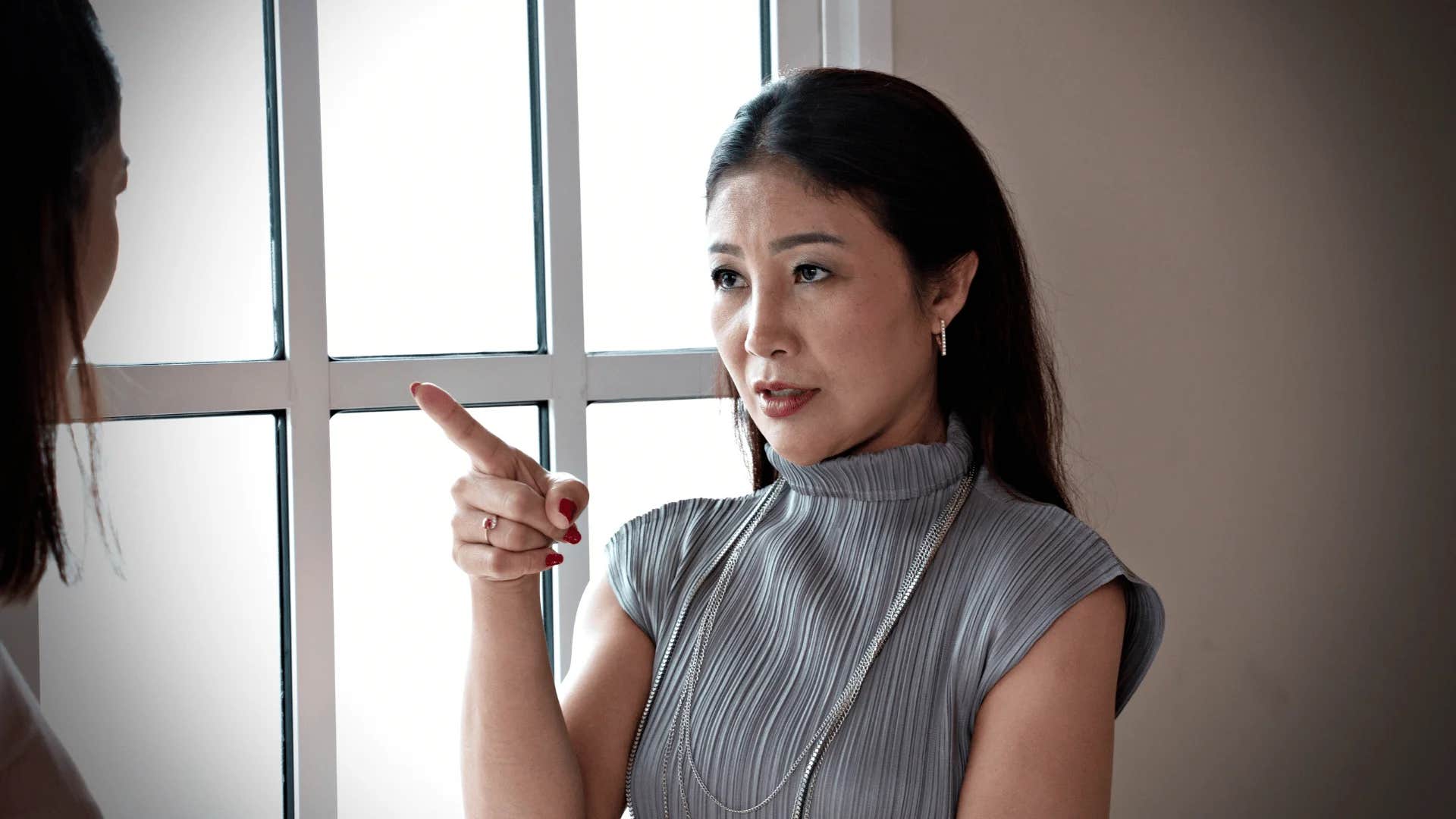
Many Gen X and millennials were taught that children should be silent and blindly obey by their baby boomer parents. Because of this, these well-intentioned parents often hold their children to a higher standard while ignoring their own shortcomings, which doesn't add up as children are notorious for following in their parents' footsteps.
This may have been a hierarchical strucutre that worked in the past, but parenting experts now understand that children learn best through modeling, and what parents model (even when negative) is often more impactful than the lessons they try to teach, especially with tweens and teens.
2. 'I brought you into this world, I can take you out of it'
 fizkes | Shutterstock
It should go without saying that violence is never the answer to a child’s misbehavior, even as a joke or a sarcastic quip. As much as old-school parents would like to disagree, hitting children isn’t effective as it teaches them to fear their parents, rather than teaches them right from wrong. In fact, corporal punishment is shown to be the least effective form of discipline and is often correlated with worse behavior and poorer outcomes, instead.
Knowing this, people would think that parents would give up on this old school phrase as it encourages violence against children, even as a joke. Unfortunately, this mentality is alive and well and only now fading away as younger millennials and older Gen Z are starting to become parents themselves.
3. 'I'll give you something to cry about'
 fizkes | Shutterstock
It's a parent's worst nightmare: they need to go to the store to get groceries and have no choice but to bring their fussy toddler along. And just as they think things are going okay, everything hits the fan, and suddenly, their toddler is throwing themselves on the floor and crying hysterically.
Nowadays, a parent might engage in gentle parenting techniques and take their child out of the store for them to calm down or create a natural, non-violent consequence. However, a common phrase boomers used to whip their child into shape was the infamous, "I'll give you something to cry about" which is yet another implication of violence.
It's also shown not to be effective, despite what boomer parents might insist. According to parent coach and psychologist Jeffrey Bernstein, Ph.D., "Yelling often leaves your defiant child feeling resentful toward you."
And feeling unheard and unsafe in the presence of their parents, these children most likely grew up not telling their parents anything, leaving them vulnerable to being taken advantage of. Even sarcastically or meant as an idle threat, this phrase only does damage.
4. 'You can have privacy when you pay the rent'
 DimaBerlin | Shutterstock
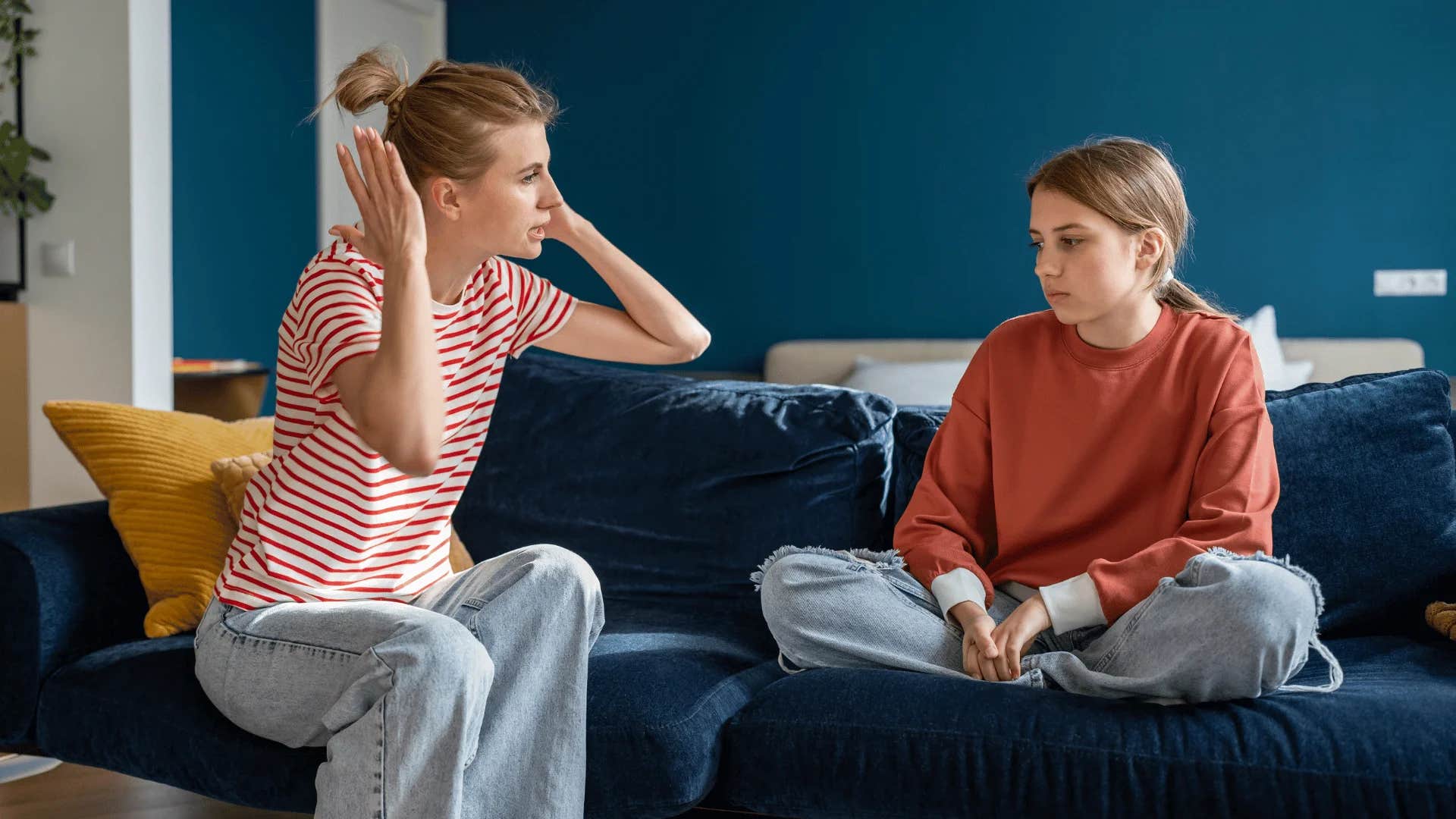
Boomer parents didn't see their kids as full human beings apart from themselves, and Gen X and millennials unfortunately often carry on that mindset. As a result, Gen Z often had zero right to privacy even as teenagers and in their twenties.
Feeling as if they own their kids, these parents aren't afraid to trespass boundaries if it means keeping their children safe (or so they think). Unfortunately, their care for safety often conflicts with their children's need for individuality, causing tensions to rise in the parent-child relationship. In the end, mistrust is built and the bond is broken, and the kid suddenly has no safety net to land in.
Instead of uttering saying something low-key cruel like, "you have no right to privacy unless you're in your own home and paying the bills", parents should be more open and honest.
Instead of demanding information, Carl E Pickhardt, Ph.D., suggests the following: "Consider asking fewer questions to get information needs met, and show respect for the teenager’s right to control their own information."
This might look like saying, "Knowing more helps ease my mind," or, "I would love to understand you better." Approaching these questions from a place of respect and without intrusion is the first step to avoiding the tug of war of adolescents.
There are ways in which kids, even teens, need protection but the approach should be kinder and more cooperative. For example, before giving them a smart phone, say, "Hey, because I brought this phone, I will be looking through it to ensure that you are safe."
5. 'Only boring people are bored'
 Motorition Films | Shutterstock
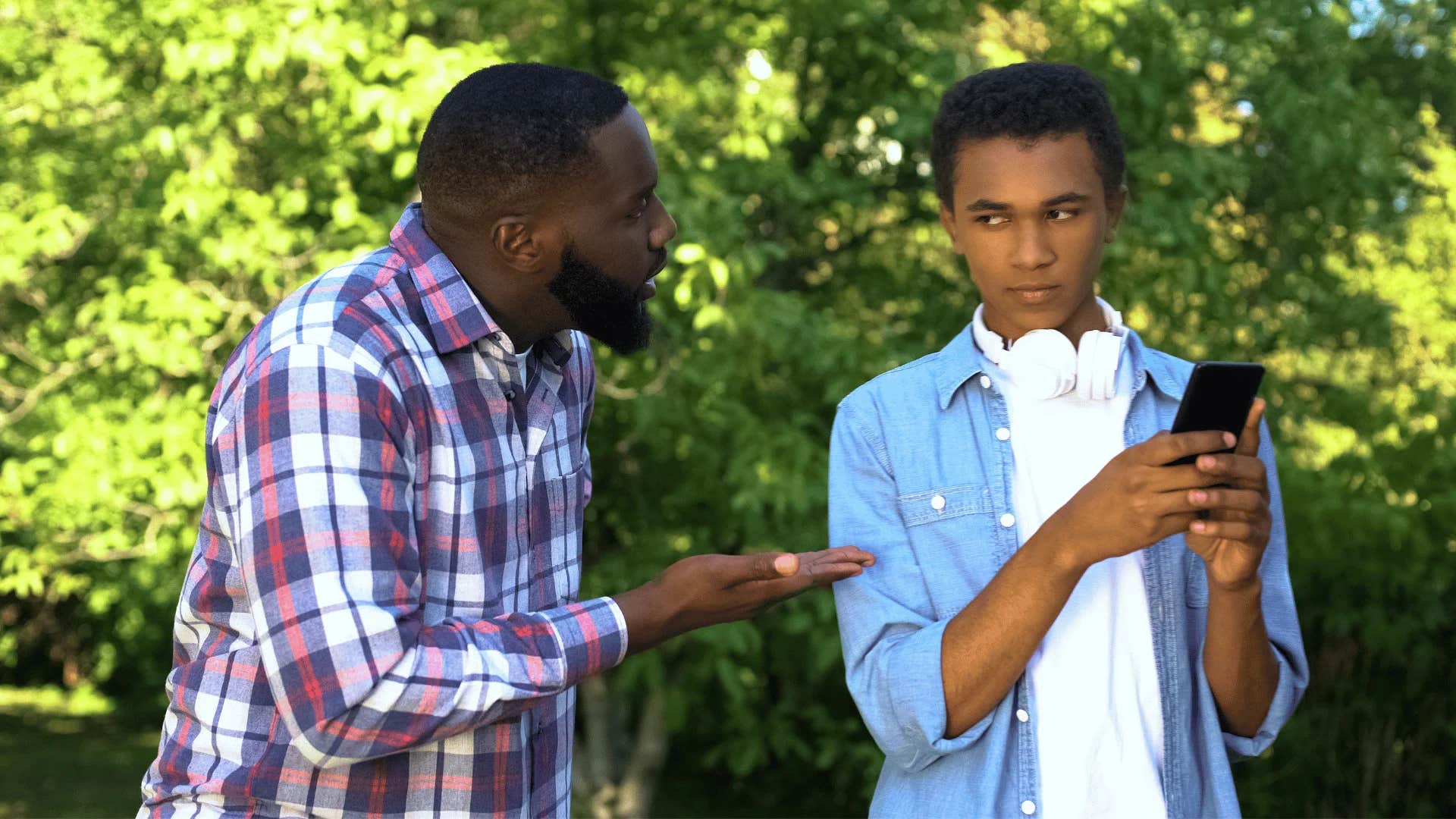
It's the summertime, and everybody is busy. One of their kid's friends is out traveling, while the other one is a no-show no matter how often their kids invite them over to play. So, when summer hits and their child is bored, a sarcastic phrase old-fashioned parents use that would be considered toxic today is, "Bored? I'll find you something to do?"
It's unfortunate, but many kids feel as if they can't openly express themselves to their parents. Being rejected and belittled for their feelings, these kids have taken to staying in their room and curing their boredom through Minecraft with friends or scrolling socials.
A study in 2021 found that children who were isolated were increasingly more likely to experience depression and health issues such as obesity. Despite this fact, many kids feel as if they have no other choice.
If they face their parent and tell them how bored or lonely they've been feeling, their parent might belittle them and give them extra chores. Yet, if they don't talk to them and their face shows how bored or upset they truly are, a parent will continue to belittle them because they can't find something to do.
Instead of this old boomer phrase, parents should understand that their kids need social lives, but they may need a little help getting them organized. They should be encouraged to figure out how to reach out to friends and given suggestions for what to do to entertain themselves, instead of feeling shamed into loneliness and secret-keeping.
6. 'Kids are starving in the world and this is what you worry about?'
 BearFotos | Shutterstock
Boomers used to constantly say, "There are kids starving in Africa!" just like their own parent said, "There are orphans starving in Europe" back in the old days.
This isn't said to increase empathy and awareness, it's said to make the kids feel ashamed about whatever it is they are worried about or complaining over.
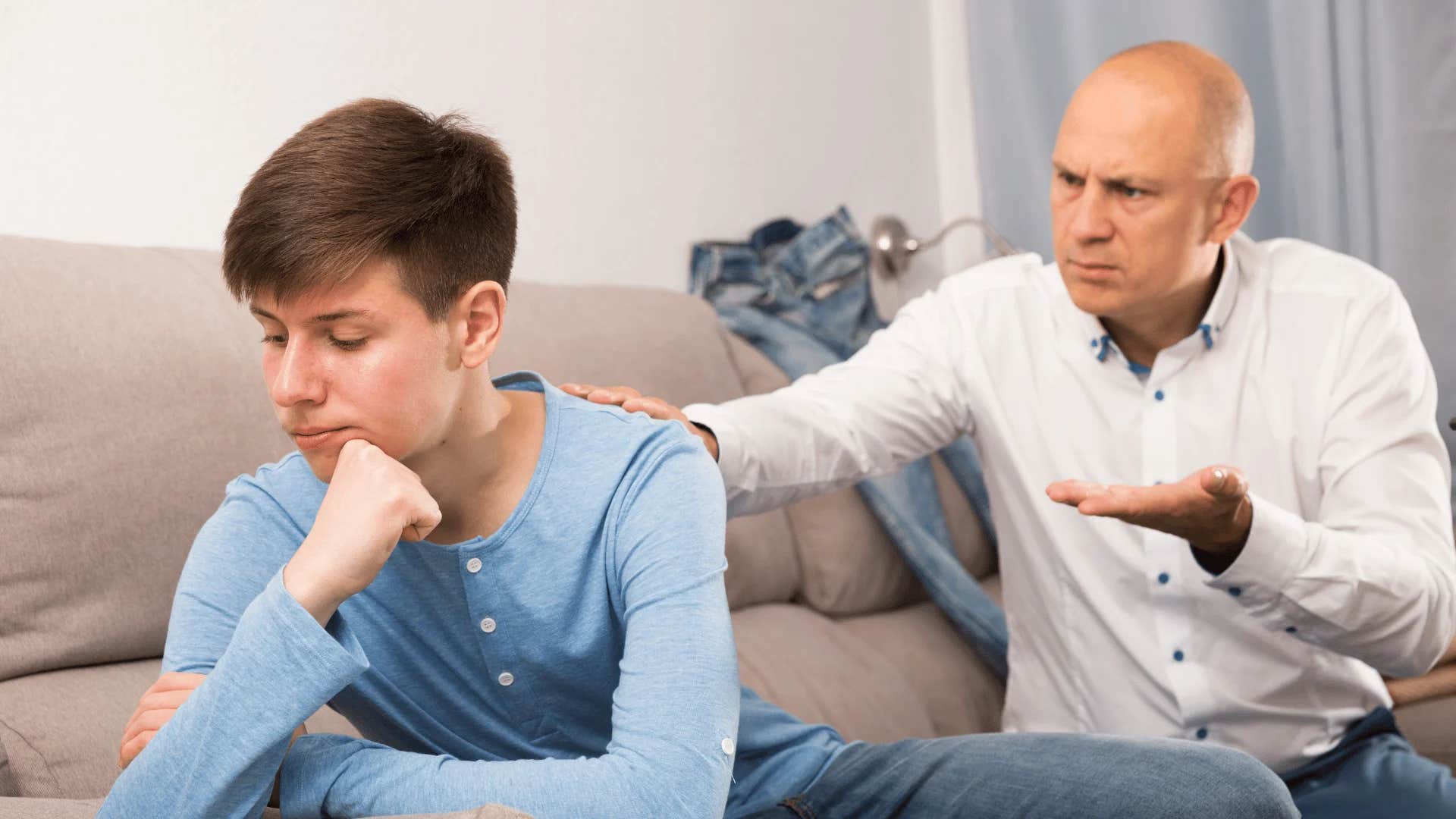
Two things are true: there are kids with huge problems in the world, but Gen Z's problems are also real. Dismissing their child's feelings simply because saying "other people have it worse" can feel isolating and aggravating to them. When they have a serious problem come up or if they start showing signs of depression or serious anxiety, they won't feel emotionally safe to go to their parents.
And, according to a study published in 2016, without having a good bond, children are less likely to grow up and become happy, independent, and resilient adults. That's why this boomer phrase is so unkind and causing serious problems for Gen Z
7. 'What could you possibly have to be depressed about?'
 fizkes | Shutterstock
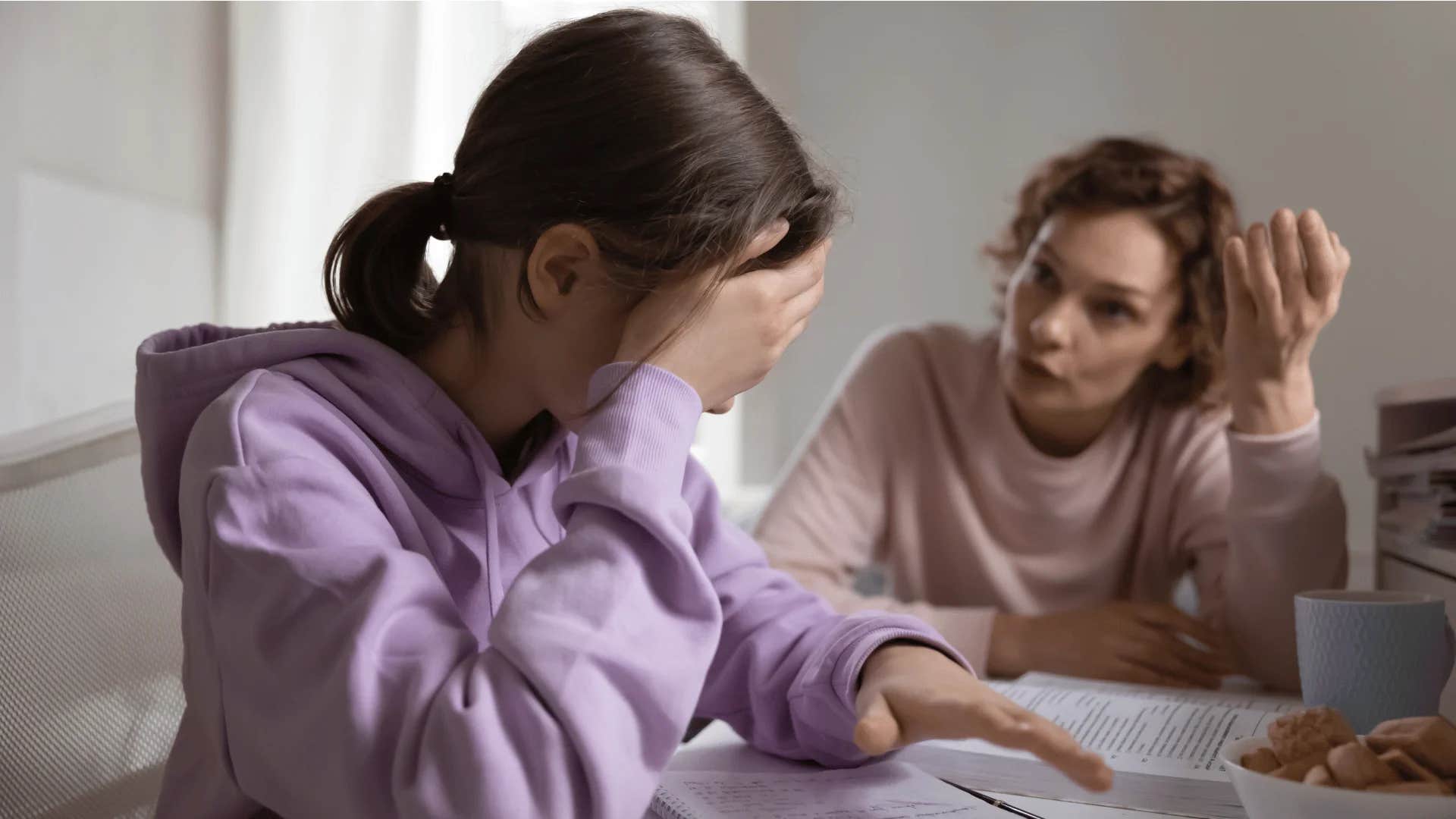
Anyone raised by a baby boomer has heard "Oh, you're depressed? You have a roof over your head and clothes on your back. What more could you ask for?" or something similar in their lives either from their parents or from a friend whose parents said it to them. This is so low-key cruel, it's hard for Gen Z to even grasp.
Nobody is immune to human emotions, not even children. Unfortunately, many old-fashioned parents don't understand this, and as a result, they say something snarky and unkind that pushes their kids away and likely adds to their mental health struggles.
It's hard to open that door once parents have closed it. Not only that, but a study published in the Journal of Abnormal Child Psychology found that being rejected by parents or peers has been associated with emotional and behavioral problems such as depression, aggression, and dangerous behaviors that can actively harm them.
So, while it might be hard to understand, parents of Gen Zers (and likely Gen Alpha when they get to this age, too) need to remember that just because boomers said it to them doesn't make it right or effective.
8. 'Because I said so, that's why'
 Brian A Jackson | Shutterstock
Back to the idea that there's a strict hierarchy in boomer family structures where kids are essentially servants or cookie cutters of their parents who should never question their authority, we hear "because I said, so, that's why!" Worse, when the kid wants to know way for real, they get in trouble because it's seen as backtalk.
Here's the thing: Kids who want to understand why are smart. They're asking questions not just to understand, but to be better able to evaluate things and run them through their own lens and values filter.
This is a good thing!
But for boomerrs, compliance is mandatory and questions are rude. Gen Z simply doesn't accept this reality and if met with a little explanation and conversation rather than domination, would likely be just fine with whatever the rule is their parents are trying to set.
9. 'You think you have it bad? Please, when I was your age...'
 AstroStar | Shutterstock
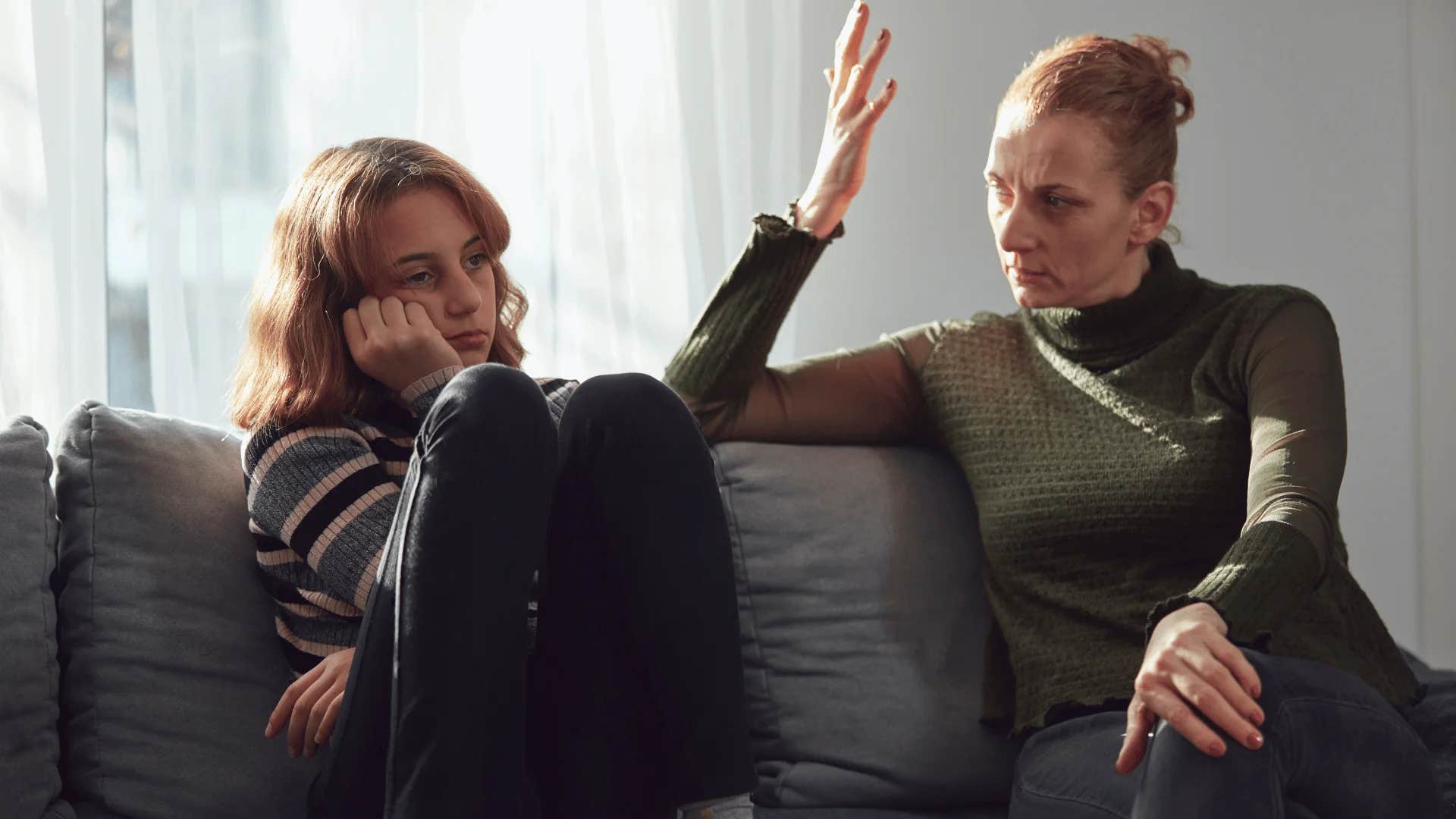
It's so common to hear boomers say, "Back in my day, I had to walk five miles to school in the snow uphill both ways!" that it's become a cliche joke. While people no longer say it like that, Gen Z's parents and grandparents still like to dismiss how hard their kids have it in different ways.
Here's the thing: in many ways, Gen Z does have it easy. In other ways, things are harder for them. They have so many obstacles boomers cannot even imagine.
Regardless of where it nets out, nobody, not even adults, wants to feel as if they're being belittled or that their pain is a joke. Despite the hardships the older generations went through, children want to feel as if their parents are there for them and are doing their best to understand them.
Instead of, "You think you've got it hard?!" try saying, "It sounds like that really affected you, do you want to talk about it?" Even if parents don't know what to say, sometimes a hug and listening while nodding can almost always do the trick.
10. 'If you don't fix your face fast, I'll be happy to do it for you'
 Freeograph | Shutterstock
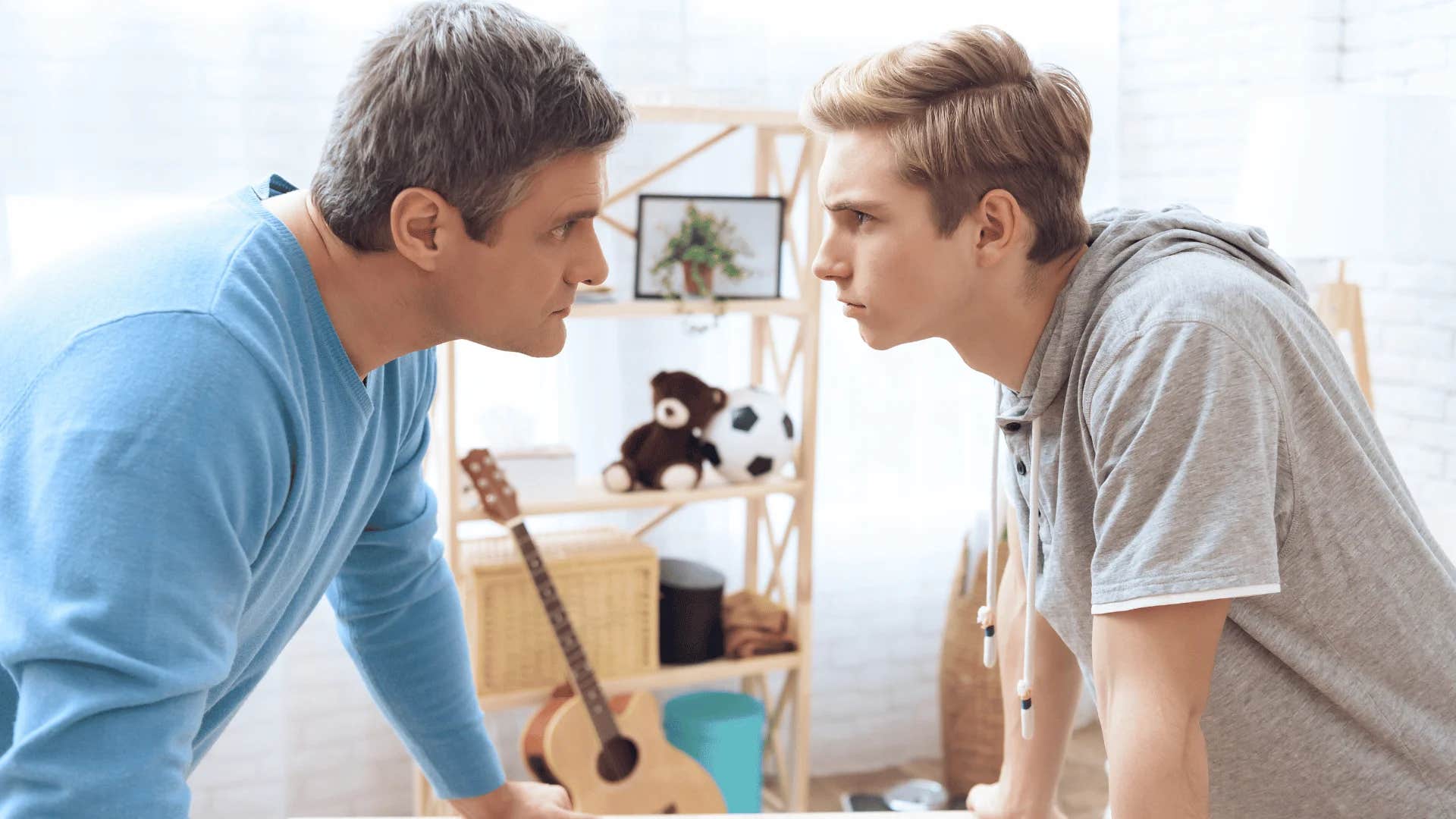
And finally, another subtle threat of violence! "If you don't fix that face fast, I'll be happy to do it for you"
When kids are upset, it's a parent's natural reaction to want to comfort them. However, if a parent wasn't taught how to be emotionally mature, they may not be able to handle the complicated feelings that come with a child's complaining or moods. They feel bad for their kids, but they probably aren't managing their own moods very well and have zero capacity for empathy. Worse, they probably were never modeled anything but phrases like this by their boomer parents.
Unfortunately for them, this can have the opposite effect and cause children to feel resentful towards their parents, leading to a huge strain on their relationships. So, if parents truly want to make their kids feel better, simply tell them, "I'm here if you need anyone to listen to you." Providing a safe space where a child can rant and express themselves is key to a healthy parent-child relationship.
Marielisa Reyes is a writer with a bachelor's degree in psychology who covers self-help, relationships, career, family, and astrology topics.
