
People With Great Parents Usually Grew Up Hearing These 6 Old-Fashioned Phrases
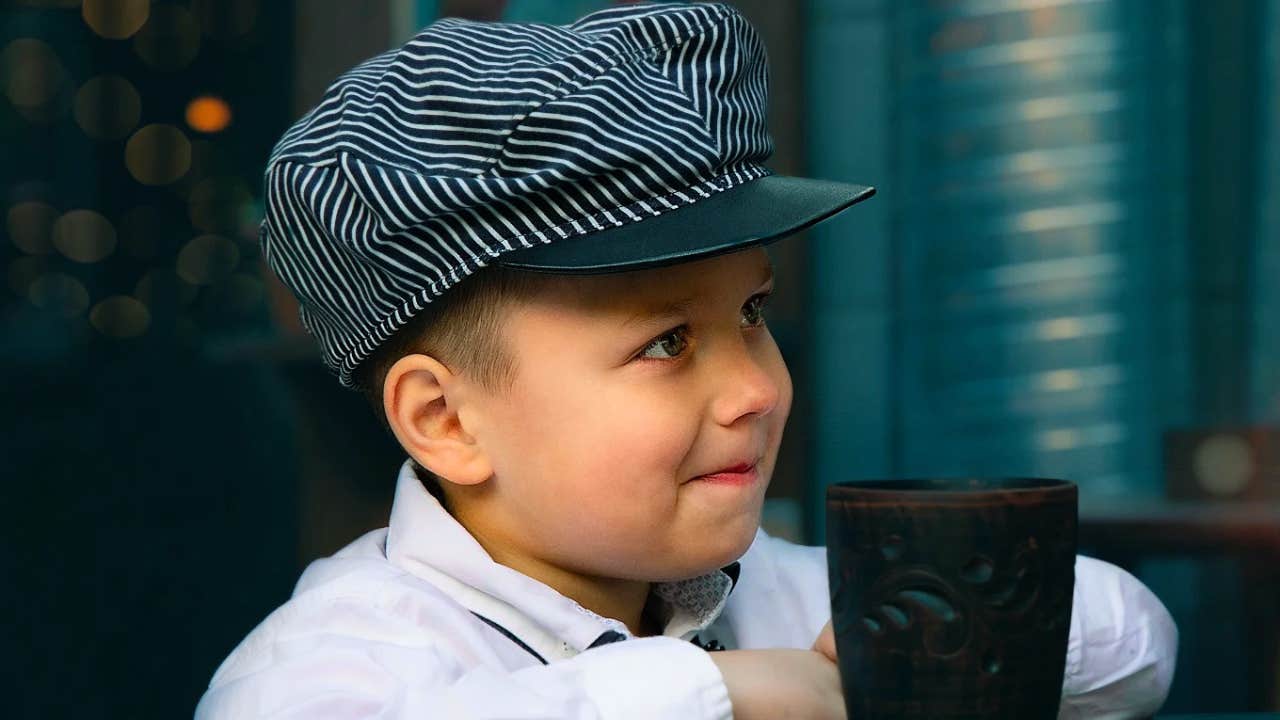 Artem Kniaz | Unsplash
 Can we agree that we’ve all had a variety of life experiences as kids that left a mark? Whether that event was as simple as falling off your bike and getting all scraped up or as complex and serious as the neglect or abuse that so many children quietly suffer from in their homes, the mark was left emotionally or physically. And our hearts, minds, and bodies remember those events.
It’s these marks left on our psyche that then become the drivers of our behaviors to stay safe in the world. It colors how we see, act, and react to all sorts of things that happen in our lives, both personally and professionally.
Having worked with thousands of adults worldwide, I’ve found that there are certain old-fashioned phrases and questions that children need to hear and experience to enhance their sense of self-esteem and help them grow up to be confident adults in today’s challenging world.
People with great parents usually grew up hearing these 6 old-fashioned phrases:
1. 'I love you unconditionally just the way you are'
Regardless of their achievements or behavior, all kids need to feel loved and accepted for who they are. They need to know that they are loved even when they fall short of expectations or make mistakes.
What parents can say:
- “I love you unconditionally just the way you are.”
- “It’s okay to make mistakes. That’s how we learn.”
- “I’m proud of you for trying your best.”
2. 'Thank you for sharing your feelings with me'
 Yuri A / Shutterstock
Kids need to know that their feelings matter and are valid. That their emotions are normal and they have a right to express their feelings. They must know that you’re paying attention and are interested in their experience.
What parents can say:
- “Thank you for sharing your feelings with me.”
- “It’s okay that you're feeling [insert emotion here].”
- “I’m sorry you’re going through that. What can I do to help?”
When parents validate their child's feelings, it significantly benefits the child's emotional development, fostering healthy self-esteem and better emotion regulation.
3. 'I'm proud of you for trying'
It’s important to praise and recognize kids for their efforts, not just their achievements. This helps them learn that mistakes are part of life and that not everything is going to be perfect. This helps them to feel seen and valued for what they’re trying to accomplish.
What parents can say:
- “I’m proud of you for your efforts! I can see how much progress you’ve made.”
- “You’re doing a great job on [insert specific task here]!”
- “It’s ok if you didn’t get it right the first time. We can work on it together.”
4. 'What do you think is the best course of action?'
Kids today have the world at their fingertips through smartphones and oftentimes can figure a lot of things out simply by “Googling" it. Yet we need to remember to guide and direct them.
Giving them age-appropriate tasks to complete on their own and opportunities for making decisions. Helping them to think critically and seek out answers and solutions through their lens of experience to expand their mind and feel competent.
What parents can say:
- “What do you think is the best course of action?”
- “Let’s talk about the pros and cons of each option.”
- “I’m here to support you no matter what decision you make.
5. 'These are the rules we agreed upon'
 Prostock-studio / Shutterstock
Children need to know the rules and boundaries of what’s acceptable and what’s not through consistent and fair discipline. This gives them guardrails to help them learn and grow in a way that focuses on teaching and not punishment.
What parents can say:
- “I love you and understand you’re upset, but this behavior is unacceptable.”
- “These are the rules we agreed upon together.”
- “I’m sorry, but the consequence for breaking the rules is [insert consequence here].”
6. 'I apologize for my mistake, and I'll do better next time'
In today’s busy world, kids need positive role models who demonstrate healthy coping mechanisms and self-care practices. Remember, a child’s brain is like a sponge and absorbs all that it sees, senses, hears, and feels in its environment.
They need to see what positive conversations and interactions look like, what healthy self-care is, and be shown that it’s okay to prioritize their well-being.
What parents can say:
- “I’m going to take some time to rest and recharge because taking care of ourselves is important.”
- “I apologize for my mistake, and I’ll do better next time.”
- “I’m proud of you for being honest and showing integrity. That means a lot.”
In today’s fast-paced world, it’s easy to get caught up in the hustle and bustle of daily life. Yet, it’s important to slow down to meet your children where they are to help them learn and grow. Show them, through these old-fashioned phrases, that you believe in them so they can learn to believe in themselves and know that they matter.
Enabling them to feel enough just as they are, and loved for the unique gifts they bring to the world. Assisting them to grow a deeply rooted sense of self-love, self-value, and self-worth every day. Empowering them to become happy, healthy, and confident adults, knowing they are enough.
Michele Molitor, CPCC, CHt, is a certified coach, hypnotherapist, and co-author of the book I Am Perfectly Flawsome - How Embracing Imperfection Makes Us Better. She coaches high-achieving professionals in reducing their overwhelm and reclaiming their self-confidence, calm, and clarity to create a thriving life and career.
