
Adults Who Feel Like Guests In Their Parents' Homes Usually Heard 7 Harsh Phrases Growing Up
 GaudiLab / Shutterstock
 You shouldn’t feel like a guest in your own parents' home, but if you do, it probably reflects what was going on in that home when you were growing up.
People who can't fully relax in their childhood home as adults usually grew up hearing their parents say things that made them feel like they don't belong. These phrases may have been said carelessly in isolated moments, or they may reflect larger patterns of exclusion and emotional neglect that can be hard to move past, no matter how old you are.
If someone feels like a guest in their parents' home, they probably heard these harsh phrases when they were growing up
1. "Stop being so dramatic"
Sometimes kids do need to hear this, but they should never feel like their voice doesn’t matter. If they do, they're likely to face a problem as an adult where they don’t want to voice their opinions in both their professional and personal lives.
Psychologist Nancy Darling explains that this is called behavioral control, which she says is “the extent to which parents ask kids to constrain their behavior to meet the needs of others.” When parents tell their kids to stop being dramatic, it's a form of control that is more likely to lead to negative consequences later in life than it is to alter their child's behavior in the way they think it will.
2. "This is my house"
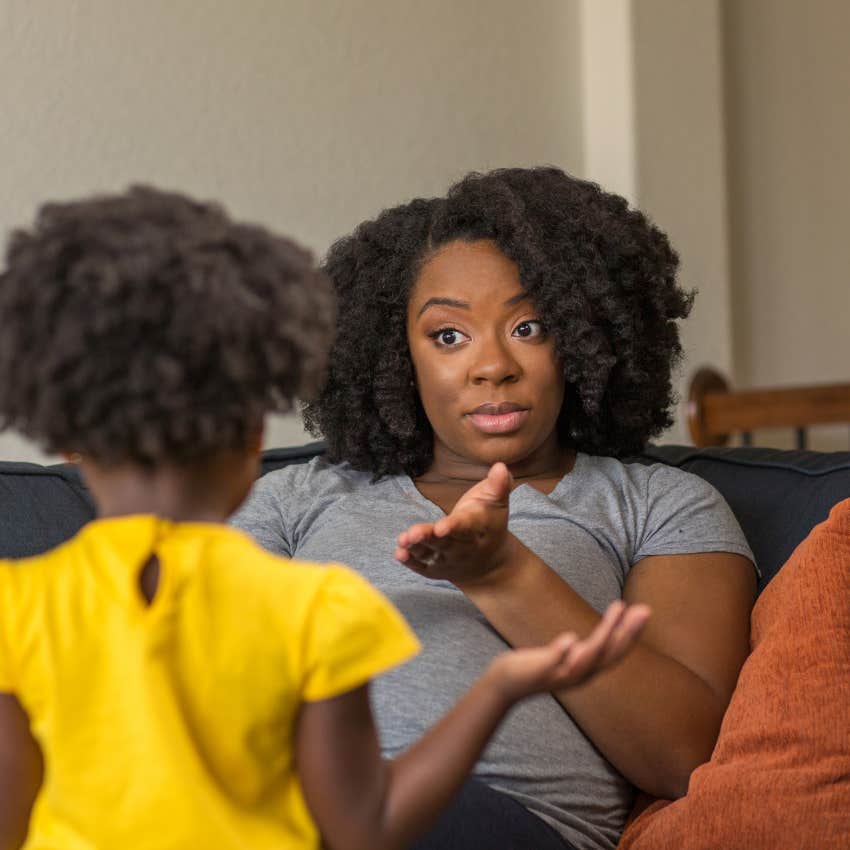 digitalskillet from Getty Images via Canva
When parents make their kids feel like their presence in the home is a burden, and they are simply being allowed to exist there, it can make them believe that they don't really have a right to be there or anywhere else. Of course, children don't get to choose where they live, so it's especially confusing for them to be told that the home they live in isn't truly theirs.
When they are adults, they'll have a hard time letting their guard down when they're invited over for a visit. If their parents didn't see the home as being theirs when they were kids at their most vulnerable, how could they feel like anything other than a guest now that they've grown up?
3. "As long as you live under my roof..."
This phrase is another attempt at psychological control that can have long-term effects. When a parent uses the roof over a child's head as leverage, they come to see their home as a weapon rather than as a place to find strength and comfort.
Once they are living on their own, they may feel like their parents' home is a place where they have to be on guard. Even if they enjoy visiting with their parents, they probably don't see their place as a home away from home.
4. "Why can’t you be more like your sibling?"
 FatCamera from Getty Images Signature via Canva
Comparison is the thief of joy, and that is especially true with siblings. A 2011 study by Kirsten L. Buist and Marjolijn Vermande found that kids who grew up with positive sibling relationships have high self-esteem and high social competence as adults. In comparison, those who had negative relationships with their siblings grow up with low self-esteem.
If a sibling feels constantly compared to their siblings by their parents, it makes them think they have to change themselves if they want to receive their parents' approval. When they grow up and visit their childhood home, they may never feel fully safe, since they didn't feel that being their authentic selves in that space ever worked out well for them.
5. "You're so ungrateful"
When used as a frequent response rather than specific feedback, this phrase can leave children feeling they must constantly earn their place in the family through displays of appreciation and compliance. They may grow up to be chronic people-pleasers who are always striving to earn their place. They also may be perfectionists and have difficulties letting go of a need for other people’s praise.
When they go to their parent's house, they're likely to feel like they don't belong unless they bring a token of gratitude for being allowed to make the visit. Hostess gifts and the like are nice to offer, but if you feel like you can't visit your parents' home without one, it probably doesn't feel anymore like your own comfortable space than anyone else's does.
6. "After everything we've done for you..."
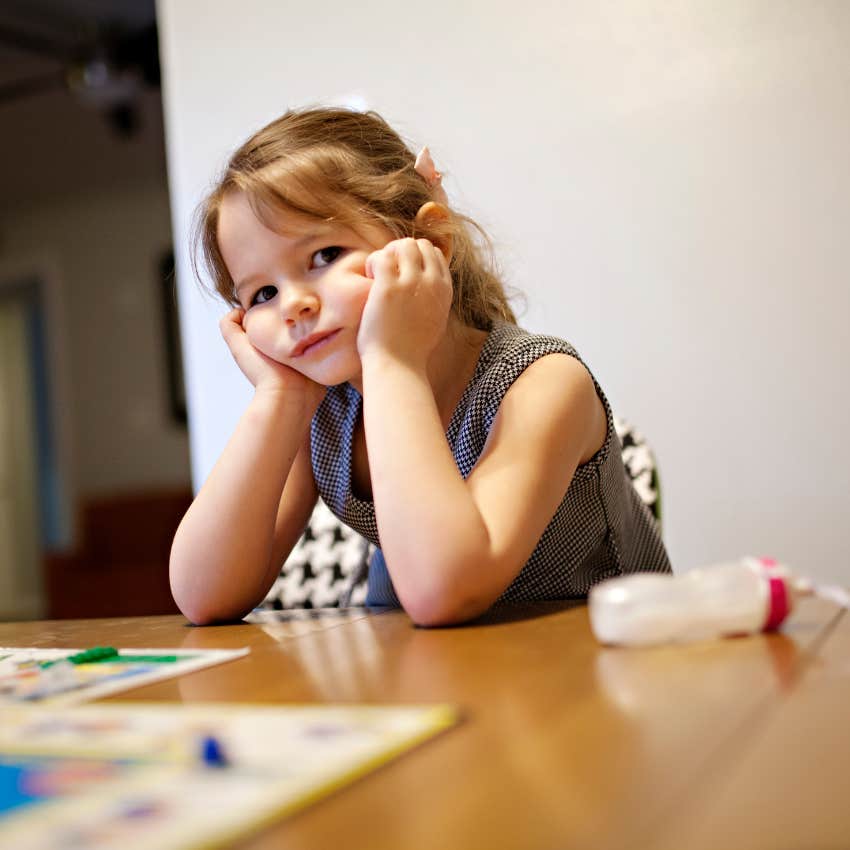 Gemutlichkeit via Canva
This one can really hurt to hear as a child. It makes children feel like they are indebted to their parents. If you grew up being given this kind of a guilt trip, you may understandably see a visit to your parents' home more as an obligation than anything else.
Making your child feel ashamed because you did exactly what you were supposed to do as their parent is another form of psychological manipulation that teaches kids they should never need anyone's help unless they want to accrue a debt. Therefore, as adults, they will try to be as independent as possible, which means they may see a trip to their childhood home the same way they see a trip to any other transactional institution.
7. "You're making a mess"
We all make mistakes. We may go to somebody’s house and accidentally break a plate or mess something up in their living room. As annoying as it is, it happens.
Kids are supposed to get messy, and if they aren't ever allowed to, it can make them hyper-aware of every single mistake they make. They will feel like they can’t touch anything or go anywhere without permission, including their own parents' home.
Sophie Bagheri is a writer with a bachelor’s degree in English and theatre who covers lifestyle topics.
