
Adult Children Who Struggle To Set Boundaries With Their Parents Often Share These 11 Traits
 Krakenimages.com | Shutterstock
 Maintaining a healthy relationship with your parents into adulthood can be important. I am very close to my parents. However, I live six hours away. When I feel pressured to visit home, I have to set a boundary. It’s not easy, but we all respect each other more deeply this way. Saying no to a parent is easier said than done.
Setting boundaries in any relationship is important. It’s how we ensure we are getting our needs met without overextending ourselves to others. It clearly defines your personal limits. We foster healthy connections with others when we are all on the same page. When one person feels like they are giving more than the other, it can feel taxing. Though we may want to do everything we can to please our parents, it’s not always the healthy route to take. Some adult children believe they have to put their parents’ needs before their own, and they usually have specific traits.
Adult children who struggle to set boundaries with their parents often share these 11 traits
1. They feel responsible for their parents’ emotions
 Charday Penn from Getty Images Signature via Canva
When you share a close relationship with your parents as an adult, it can feel like you are responsible for their emotions. Since they invested time in raising you, it may seem like you owe them everything. This is a common experience for adult children. They want to have a great relationship with their parents, but find themselves unable to say no to them. Enforcing boundaries with parents doesn’t come naturally to some.
Feeling overly responsible for others' emotions can be taxing. It weighs heavily on your shoulders and can lead to burnout. While it may be difficult, creating boundaries is important and can prevent these feelings.
2. They experience guilt
 izusek from Getty Images Signature via Canva
Some people are naturally prone to guilt. It can eat away at them. When they feel like someone isn’t happy with them, especially their parents, it can control their mood. To please everyone, they may do whatever their parents ask. They’ll show up even if they are exhausted after a long day of work or have obligations to their own children. The guilt they’d feel prevents them from setting boundaries. They care more about maintaining the peace.
Guilt can be avoided by setting boundaries, but it isn’t easy. This type of person likely feels responsible for doing what their parents want them to do. It can lead to a tricky relationship.
3. They are the ‘easy’ child
 kali9 from Getty Images Signature via Canva
If you have siblings, you likely experienced the wide range of personalities that can live together in the same home. Some children are more docile and well-behaved. These kids were likely labeled as the ‘easy’ children. Their parents knew they could count on them for anything. Meanwhile, some of their siblings were more problematic. The ‘problem’ child may not carry the weight of maintaining a bond with their parents, but the well-behaved child might.
There is much to be said about parents setting boundaries with their adult children, but less so the other way around. Since they were known to be well-behaved growing up, these adult children may have a hard time saying no to their parents. They may continue to be the agreeable one.
4. They overthink
 twinsterphoto via Canva
When someone struggles with overthinking, it can take a toll on how they make decisions. They may weigh every pro and con. Going through each option in their head over and over can cause them to second-guess themselves. This can become relevant when trying to form healthy boundaries with their parents. They are running through every possible outcome of how their parents will react when the line is drawn. It can make them scared, and therefore, they struggle to set boundaries at all.
Overthinkers are always looking ahead. They want to ensure they are making the right decision. Add the fear of hurting their parents into the mix, and it can be a serious issue.
5. They are loyal
 Grecia Carbajal from Pexels via Canva
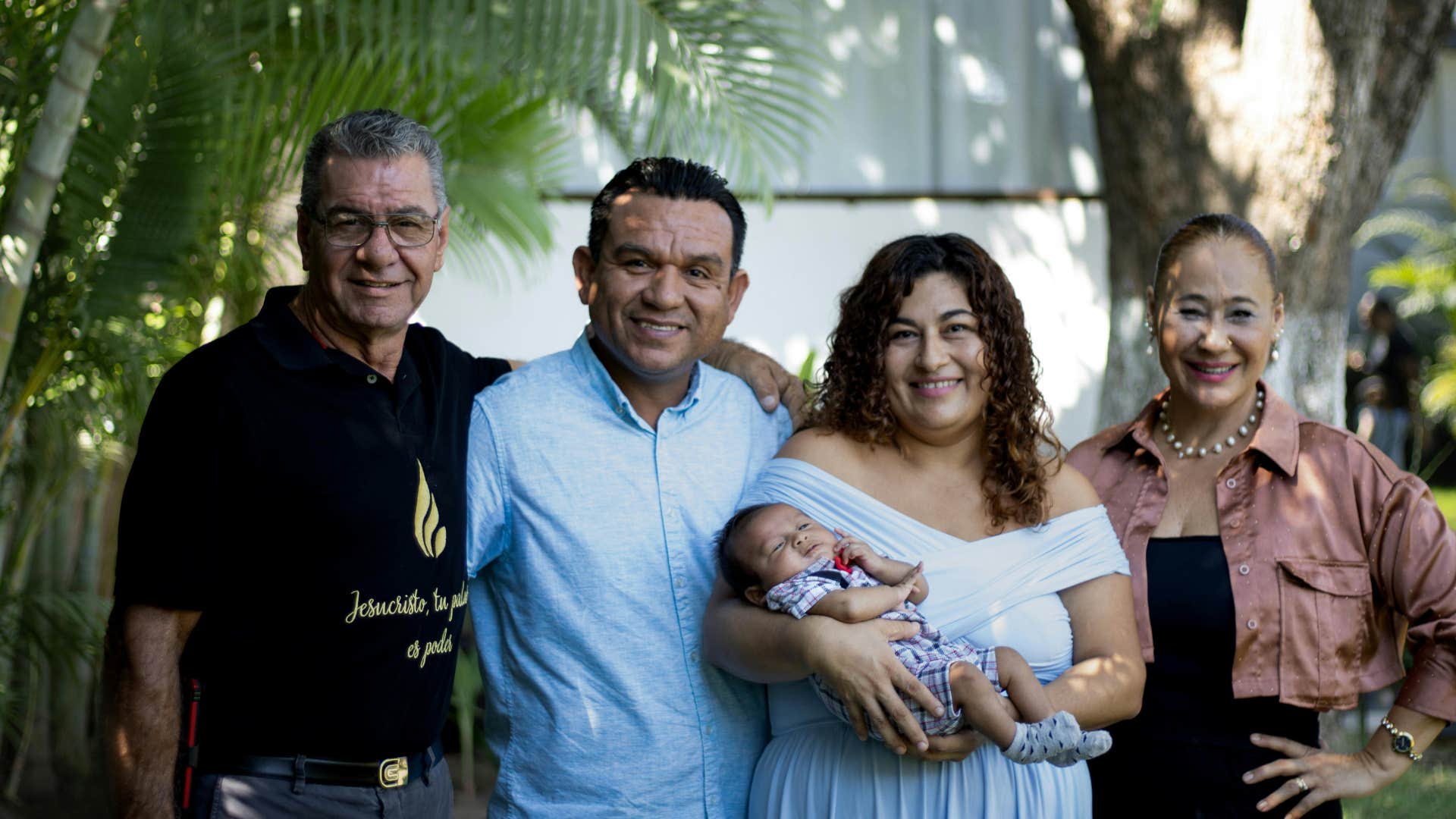
A loyal person may have a hard time setting boundaries. It can be especially difficult when setting boundaries with their parents. When someone is loyal to a fault, it can leave them feeling overwhelmed and burnt out. They want to be there for everyone, but don’t understand the impact it has on themselves. Loyal people make themselves available for the people they care about, no matter what. All relationships need boundaries. If this person grew up in a loyal home without boundaries, they may be unsure how to set them entirely.
“If you grew up in a family without boundaries, you probably never saw anyone model or teach you healthy boundaries. Setting boundaries is a skill that can be learned,” says Sharon Martin, LCSW.
6. They are attuned with the emotions of others
 skynesher from Getty Images Signature via Canva
We all know someone good at reading people. They can pick up on what someone is feeling just by looking at them. When a person like this shares a close bond with their parents, they may feel responsible for maintaining their happiness. They do not want a boundary set to hurt their feelings. To preserve their feelings, they’ll avoid anything that upsets them.
As adult children become their own people, it’s not uncommon for them to clash with their parents. When someone is attuned with the emotions of those around them, they want to avoid this. If they think a parent would not want to be told they can’t just show up uninvited at their house, they could keep that feeling to themselves to make sure they do not hurt their feelings. In the end, however, they are the ones stuck carrying the burden of something that bothers them.
7. They are selfless
 Monkey Business Images via Canva
Those who are generous and selfless do not want to harm others. Instead of putting themselves first, they do what they believe others want from them. Setting boundaries can make them feel selfish. They may believe that if they put their foot down, they are not doing enough for other people. When it’s their own parents, it can be easier to make themselves overly available. Putting others first can affect their mental health, but they may care more about pleasing those around them.
For some, being selfless means never setting a boundary. They want to do anything and everything they can. They may not realize that by always being available to their parents, they may be neglecting other aspects of their lives. By sacrificing their time and energy to help their parents, they could be experiencing burnout. Sometimes it’s okay to be a little selfish and put up an important boundary.
8. They are conflict-averse
 RgStudio from Getty Images Signature via Canva
Let’s face it, most of us avoid conflict the best we can. It’s not something many of us seek out for enjoyment. Conflict can be especially complicated when it’s between you and your parents. How they feel matters to you, and you do not want to fight with them if it can be avoided. If someone wants to enforce a boundary that could ruffle feathers, they may choose to suck it up and endure what is bothering them to prevent conflict.
Let’s say your parents want to be able to see your child whenever they want. This means they come over unannounced, call at all hours to talk to them, and insist on having them over every weekend for a sleepover. Of course, this is sweet, and you likely want your parents to be active in their grandkids’ lives. However, it's a bit much. Knowing that telling them this will cause conflict, they may choose to keep their feelings to themselves and continue to deal with the behavior from their parents.
9. They love unconditionally
 studioroman via Canva
When someone loves unconditionally, they may feel they have to put others before themselves. By setting a boundary and saying no to their parents, they may fear they’ll appear unloving. A person like this wants everyone to feel included. This is why it can be so hard for them to set boundaries with their parents. They want them to know they are always there for them and that they care for them unconditionally. Saying they need a boundary to be followed can make it seem hypocritical.
While it may not seem like it to some, boundaries are a staple in happy, loving relationships. Boundaries protect the well-being of everyone involved. It’s a sign that someone cares unconditionally.
10. They feel obligated
 SDI Productions from Getty Images Signature via Canva
Our parents did everything for us. They are the reason we are here today. It can be hard to shake that ideology. It can make us feel like we have to do everything for them in return. People who feel obligated to their parents may struggle to set boundaries. In reality, it’s important to take care of ourselves. It can seem like we are in a debt of gratitude to them and need to do whatever they say without setting boundaries.
“Sacrifice debt doesn’t just weigh on your mind. It touches your sense of morality. If your parents gave up everything, aren’t you supposed to be grateful? Doesn’t gratitude mean staying the course, even if it crushes you?” asks psychotherapist Nahid Fattahi.
11. They are caring
 fizkes from Getty Images via Canva
Someone who is caring puts others before themselves. They are invested in the lives of others. It’s easy for them to form strong bonds, especially with their parents. They may struggle to form and maintain healthy boundaries. Telling their parents they are not comfortable talking about something can feel difficult. They want to include them in their lives, but it’s not always easy to talk about certain things. Since they care so deeply, they want to have that open relationship.
Instead of taking a step back, someone who is caring will tell their parents whatever they want to hear. Whether it’s giving them all the details of their dating life or rushing over every time they ask you to, it can take a toll. The guilt of saying no and creating boundaries can keep a caring person working hard for others without considering themselves.
Haley Van Horn is a freelance writer with a master’s degree in Humanities, living in Los Angeles. Her focus includes entertainment and lifestyle stories.
