
60s & 70s Parents Weren't Perfect, But These 9 'Tough Love' Habits Raised More Resilient Kids
 Fortgens Photography | Shutterstock
 Constant discipline and punishment can harm mental toughness in children, but a dash of tough love might be exactly what all kids need.
According to therapist Dr. Nicole McGuffin, a mix of structure and nurturing, as well as tough love, are exactly how great parents raise great kids. While 60s and 70s parents weren't perfect by any means, their tough love habits raised more resilient kids. Compared to the overly coddling, overbearing parents and entitled kids of today, they figured out how to challenge their kids for the sake of growth.
60s and 70s parents weren't perfect, but these 9 'tough love' habits raised more resilient kids
1. Making kids play outside all day
 PeopleImages | Shutterstock
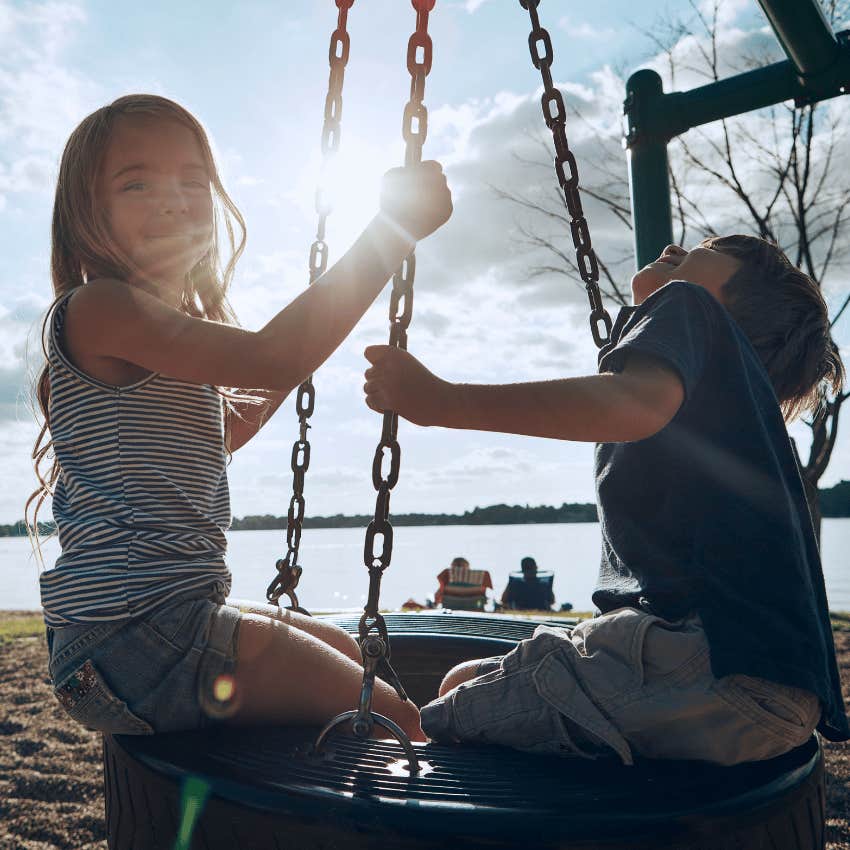
Facing boredom is an important practice for kids growing up, not only to offer emotional regulation skills, but also to boost creativity and critical thinking, as well as a general sense of self. The "just go outside" mentality might have been annoying for kids who wanted to do nothing inside or play with toys, but it offered them this essential space to practice managing their own time.
They weren't overly monitored by parents, so they got the chance to learn social skills with neighborhood kids and assessed all kinds of risk while playing outside without their parents around.
2. Saying 'no' to friends over family obligations
With the family values of their parents' generations, kids from this time period regularly had to say "no" to extracurricular activities and play dates with friends in favor of quality time at home. From family gatherings to regular family dinners, they were expected to show up for family before showing up for friends.
While it might seem like tough love to set such strict boundaries around family time, it's these moments of togetherness that often create an important sense of belonging and safety for kids.
3. Using time-outs
Most young people today would rather give themselves a small shock than sit alone with their own thoughts for 15 minutes. Part of the reason for that is their lack of boredom as kids. They had all kinds of entertainment and stimulation to look to for distractions from alone time, which is part of why they're so much more restless and anxious than their older counterparts, forced to deal with boredom without all these quick fixes.
Even with disciplinary tactics like time-outs, kids had to learn to regulate their own feelings and exercise patience, figuring out how to sit in silence, sometimes while experiencing complex emotions. While it was rough for them as kids, they're more resilient and grounded today because of this practice.
4. Correcting kids in front of their friends
While it's somewhat controversial today, a few decades ago, parents had no issues with friends' parents and neighbors disciplining their kids. If they did something wrong, they should be called out on it and forced to deal with the consequences. That's how they learn.
However, that also means that kids were often disciplined and yelled at in front of their friends at home. There was no sense of etiquette about teaching kids a lesson in many of these households, whether or not they had an audience. From time-outs to arguments, kids didn't get a pass to act however they wanted just because there were guests over.
5. Refusing to overexplain decisions
 fast-stock | Shutterstock
If you're a Gen X kid raised in the 60s and 70s, you know better than anyone how annoying hearing "because I said so" was from your parents. However, having to deal with their decisions without pushing back or getting an explanation is part of why you're so resilient and self-regulated today.
You don't need people to make you understand decisions or to get a full explanation for closure in any context. You're secure on your own. Yes, it was annoying and frustrating, but these kids learned how to accept things and regulate their own emotions. They could find acceptance of things out of their control, rather than trying to control and influence other people all the time.
6. Letting natural consequences play out
From forgetting homework to missing a deadline, sometimes tough love from parents means letting the natural consequences of these mistakes play out for their kids. Instead of stepping in, trying to solve all their kids' problems and shielding them from discomfort, these moments are lessons in taking accountability for their mistakes and changing something.
Kids learn best from their mistakes when they're more concerned about actually learning than being right. So, if parents allow kids to make mistakes and don't get overly invested in trying to fix everything, they don't have to worry about being wrong.
7. Not monitoring kids playing outside
Even if it's a worst-nightmare scenario for overprotective parents today, letting kids play outside and get into a healthy level of trouble was part of what made these generations of kids so resilient in adulthood. As a 2015 study explains, more risky play for kids at a young age predicts better threat assessment and a lower baseline of anxiety later in life.
Even if it means letting them scrape a knee or get into an argument, sometimes the "tough love" of not being a helicopter parent breeds more resilient kids over time.
8. Adopting the 'figure it out' parenting style
Instead of stepping in at every moment of discomfort or challenge for their kids, parents from the 60s and 70s adopted a much more hands-off approach. They let kids figure things out themselves and gave them a sense of freedom with their alone time, which directly influenced their independence and maturity.
Even if it was annoying for kids at this age, their parents' no-tolerance attitude for "I'm bored" complaints and laziness gave them the resilience they needed to shape their own routines in adulthood.
9. Creating less structure
 MAYA LAB | Shutterstock
Letting kids figure out how they were going to spend their free time often revolved around a list of chores and responsibilities at home. But other than that and homework, these kids were free to do whatever they wanted.
According to a study from Frontiers in Psychology, it's these kids, who grew up without overly structured routines and free time, that boast better executive functioning and self-reliance. They can manage and structure their own time in their best interests, without relying on someone else to do it for them, whether at home or work.
Zayda Slabbekoorn is a senior editorial strategist with a bachelor's degree in social relations & policy and gender studies who focuses on psychology, relationships, self-help, and human interest stories.
