
Women Who Eat These 5 Things While Pregnant Usually Have Babies With Really High IQs, According To Research
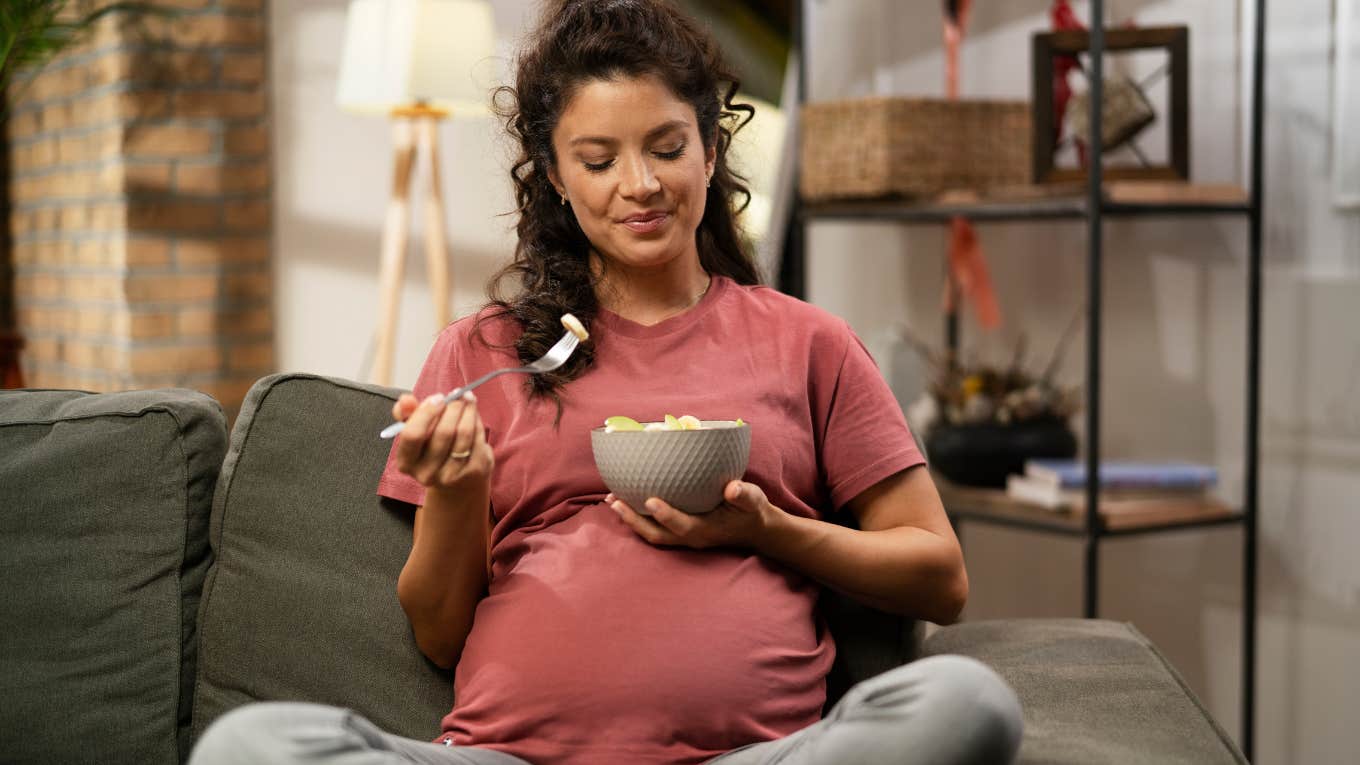 Women Who Eat These 5 Things While Pregnant Have Babies With High IQs
 It is not new information that the food an expectant mother eats has a direct impact on the physical development of her baby. But those foods can also have an effect on the baby's intelligence.
Not just food, but everything a mother does, eats, and feels during pregnancy will influence the baby’s brain. This includes physical exercises, eating leafy vegetables, and more. If you are an expectant mother, you need to ensure you have a healthy diet that includes all the essential vitamins, minerals, and other nutrients, but why not also prioritize these five things to give your little one an edge when it comes to intelligence, too?
Women who eat these 5 things while pregnant usually have babies with really high IQs:
1. Omega-3 foods
 Kiian Oksana | Shutterstock
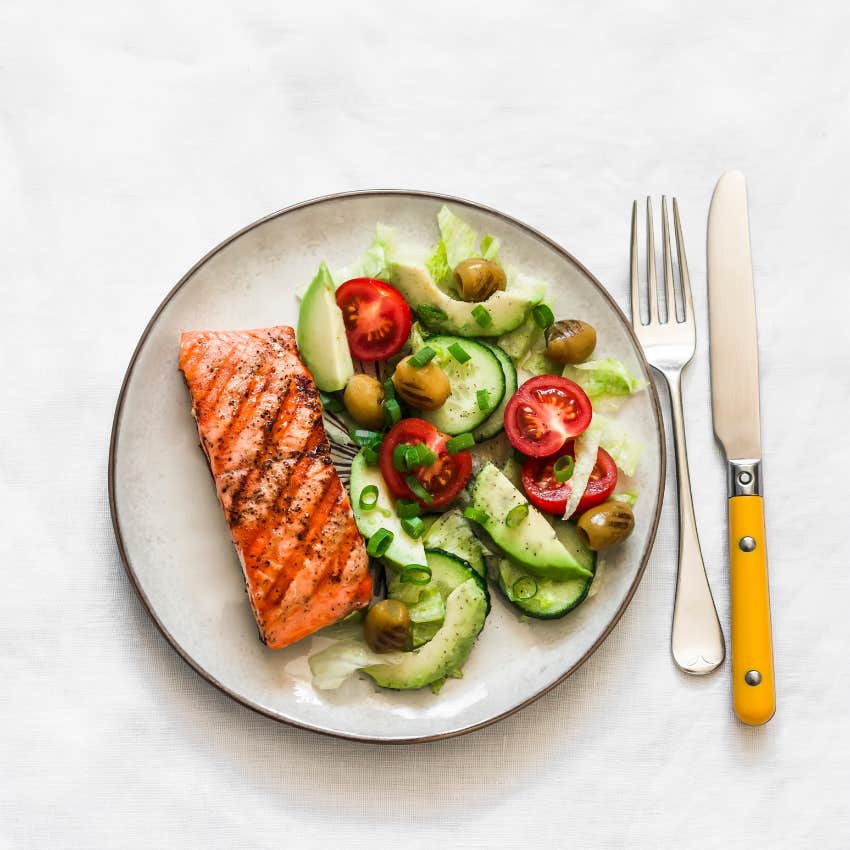
Foods that are rich in omega-3 fatty acids help in the production of neurons. Neurons are those nerves that connect the brain with every other body part and facilitate message transfer through electric impulses.
A pregnant woman should ensure at least 300 milligrams of DHA Omega 3s daily, especially in the third trimester when the baby’s brain growth is at its peak. Omega fatty acids are plentiful in foods such as eggs, tofu, flaxseed, different types of beans, spinach, and any other leafy vegetables and red meat.
A 2005 Harvard study even found that women who ate a whole lot of fish high in Omega-3s during their second trimester had babies who, by 6 months of age, scored higher on mental development tests than babies of women who didn't eat much fish.
2. Fruits and vegetables
Fruits and vegetables contain essential vitamins such as vitamins A, B, C, and K, and also plenty of antioxidants that will eliminate harmful free radicals from your body. These free radicals, if they stay inside the mother’s body, can cause serious damage to the baby’s brain. Nutritionist Elizabeth Somer, RD, author of "Nutrition for a Healthy Pregnancy," told Parents, "Antioxidants protect the baby's brain tissue from damage."
Some fruits and veggies rich in antioxidants include leafy vegetables, tomatoes, papaya, Blackberries, blueberries, oranges, and kale. Coffee also provides antioxidants when consumed moderately.
Also, consider eating organically grown fruits and vegetables whenever possible. If not, at least wash them thoroughly, as the chemicals can cause brain damage and developmental issues for the fetus.
3. Protein
 Motortion Films | Shutterstock
Protein promotes the development of new cells and balances various hormones, both of which are important for pregnant women. The amino acids in the protein are the building blocks of the body cells. So a fetus is growing in a mother’s womb, the protein consumed by the mother is used for building the body of the baby including its brain.
Pregnant women are recommended to increase their protein intake by at least 10 grams above the normal amount, especially during the second and third trimesters. According to the American Pregnancy Association, the ideal protein intake for women during pregnancy is 75 to 100 grams per day.
4. Iron-rich foods
Iron is also important while being pregnant, so like protein, it is recommended to double the amount of iron in your diet. This will promote better oxygen transfer throughout the body and will reach the baby.
But the truth is that most women, whether pregnant or not, are already deficient in iron in their blood. This will make it difficult for oxygen to reach the womb. Insufficient oxygen will hinder the baby's healthy growth and affect its IQ. Studies have shown that iron-deprived babies in utero can hinder developing brain structures, which can lead to a whole host of problems.
Most prenatal vitamins have the recommended iron intake for a healthy pregnancy, but it's also important to have your blood tested to ensure you are not anemic and therefore require more.
Some of the foods that are rich in iron are lean beef, legumes, chicken, pulses and cereals, tofu, liver, dried fruits (such as raisins), apricots, whole grains (such as wheat and brown rice), and eggs.
5. Vitamin D
Vitamin D is essential for stronger bones and a stronger immune system. During pregnancy, women are required to take 600 international units of vitamin D for both the baby and the mother. A 2024 study found that women should increase their Vitamin D intake to 4,000 IU daily, which offers the greatest benefits for preventing preterm labor and birth, as well as infections.
Sufficient vitamin D will support bone strength and brain development in the baby while sustaining the mother's energy throughout her pregnancy. Of course, sunlight is the biggest source of vitamin D, and pregnant women are encouraged to walk or stand in the morning or evening sunlight to get sufficient vitamin D.
Donna Begg is an expert editor, a mentor, analyst, and a researcher.
