
Most Young People Today Don't Care About 11 Values Boomers Still Think Are Important
 DimaBerlin | Shutterstock
Many older people consider their values extremely important and sometimes look down on younger generations when they don't feel the same way, but many of the values boomers think matter mean nothing to young people today.
Whether they see those values as outdated or unachievable, younger generations are rejecting some of baby boomers' top priorities in favor of their own.
Here are the 11 values boomers still live by that young people don't really care about:
1. Having loyalty to one employer
 Media_Photos | Shutterstock
It's no secret that Gen Z and millennials have no problem job-hopping and finding employment elsewhere when they start to feel their values aren't being respected or met. According to a 2023 study from ResumeLab, 83% of Gen Z workers see themselves as "job hoppers," with just a third of the 1,100 people surveyed saying they intend to stay in their current role for more than two years.
The main reasons Gen Zers and millennials are considering switching jobs haven’t changed. They want higher compensation and improved work-life balance, including flexible work arrangements, according to a LinkedIn report.
This doesn't sit right with boomers, though. They believe that staying with an employer through an entire career is a sign of dedication. For them, it was common to start at a company right after graduating from college and end up staying there until they retired.
2. Owning a home
 Andy Dean Photography via Canva
For boomers, being an adult means owning a home, but that's not exactly financially feasible for many young people today. The economy was a different beast back then.
In the 1980s, Americans were able to buy homes in their late 20s, but these days the median age is closer to 35, according to the National Association of Realtors. Similarly, only 21% of millennials believe their generation can afford homes, down from 52% in 2024, according to new research from Real Estate Witch.
3. Phone calls over texting
 Miljan Zivkovic | Shutterstock
Boomers grew up in an era when talking on the phone was the main way they communicated with people in their lives. With the evolution of technology and social media, young people no longer depend on phone calls to keep up with the people in their lives. Instead, they much prefer texting.
A recent survey by Uswitch found a quarter of people aged 18 to 34 never answer the phone. Respondents say they ignore the ringing, respond via text, or search the number online if they don't recognize it. The Uswitch survey of 2,000 people also found that nearly 70% of 18-34s prefer a text to a phone call.
4. Working hard vs. work-life balance
 nortonrsx via Canva
For boomers, the definition of hard work and success means giving everything you have to your job, even at the risk of your own well-being. Many of them don't believe in work-life balance, even though younger generations make it such a priority that they won't hesitate to leave a job if their employer doesn't support a balanced lifestyle.
Randstad, an international recruitment company, released its annual work survey, in which it polled more than 26,000 workers across 35 countries, including the U.S. According to the report, work-life balance has emerged as the top priority for all age groups, surpassing key factors such as pay, job security, company alignment with personal values, and future career aspirations. This shift was particularly evident among Gen Z.
5. Marriage as a life goal
 BrightGridVisuals | Shutterstock
For many baby boomers, marriage is seen as a vital milestone of adulthood and even life in general. Many boomers have traditional values, and one of them is being able to build a stable future with a life partner. While younger generations aren't opposed to the idea of being with someone for life, the ideas and values surrounding marriage aren't something they take as seriously.
According to a survey from the Thriving Center of Psychology, marriage expectations are changing among Generation Z and millennials, with two in five people surveyed stating they believe marriage is an outdated tradition. While the traditional ideas surrounding marriage may be shifting, 83% of participants said they would like to get married at some point. However, 85% also reported that they don’t feel marriage is needed to "have a fulfilling and committed relationship."
6. Owning a car
 MAYA LAB | Shutterstock
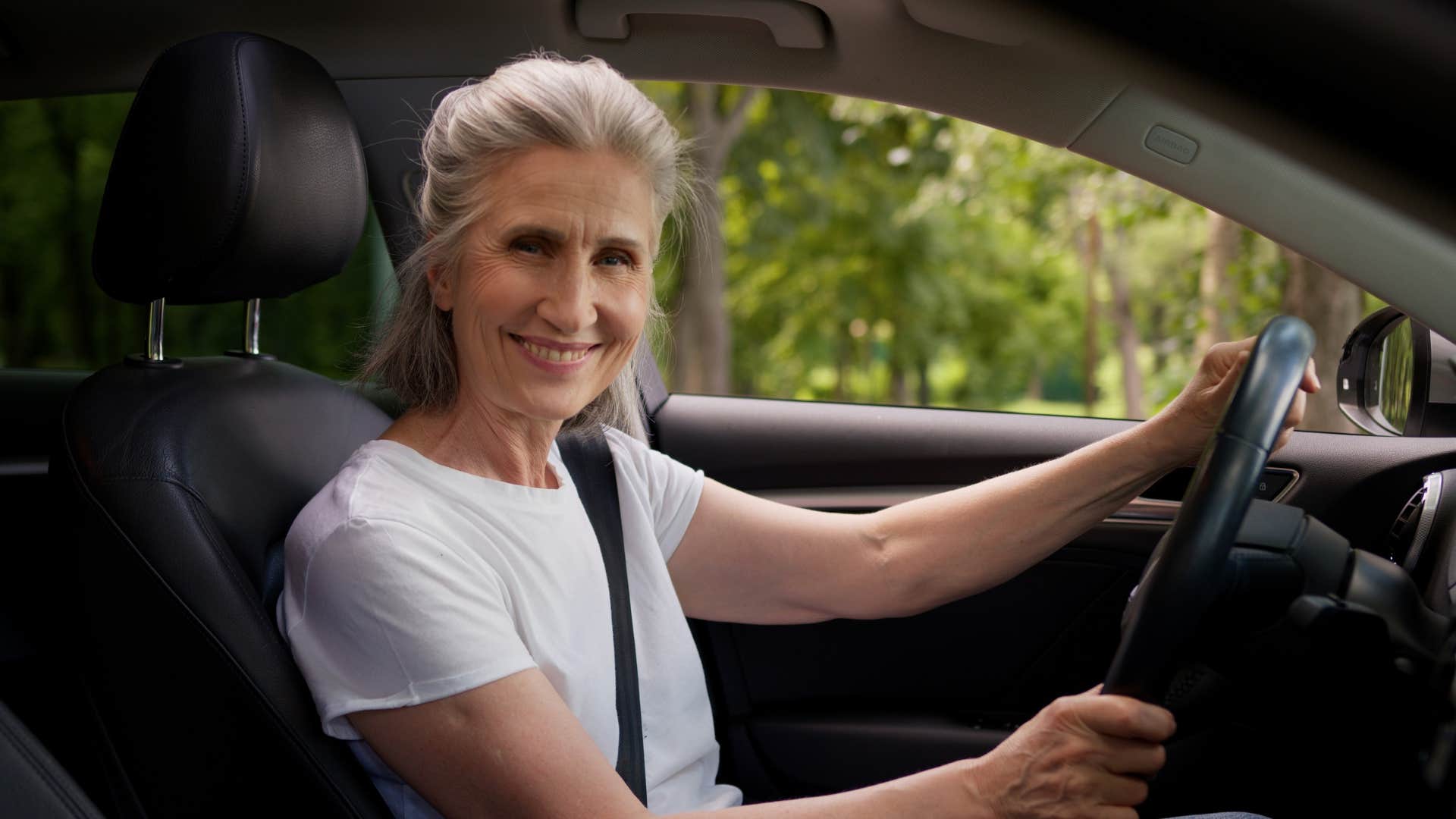
The number of young drivers has dramatically declined over the past two decades. Increasing access to technology is said to be one reason why young people are opting out of driving. Teenagers find community online and can connect with friends whenever they want. On top of that, ride-sharing apps like Lyft and Uber make it easy for young people to avoid getting their license, much less buying a car.
However, boomers view having a car as a status symbol, and it represents a certain ease that comes with the American lifestyle they are trying hard to hold on to.
7. Preferring privacy to sharing
 FatCamera from Getty Images Signature via Canva
In the age of technology and social media, people in younger generations have no problem using apps like TikTok and Instagram to share the details of their lives. For boomers, this concept is a bit hard to wrap their heads around, as they value privacy and are reluctant to share anything, especially with strangers.
Young people have managed to turn becoming influencers into jobs and open up their lives to the internet. The rise of influencer culture has captivated young adults, while boomers would rather continue living their lives off-screen. Gen Zers especially have managed to normalize a culture where over-sharing and transparency are something they can do without even blinking.
8. Buying new instead of used
 RgStudio from Getty Images Signature via Canva
Many boomers looked at buying new things as a sign of success and financial freedom. They had no problem pulling out their wallets and swiping their cards for anything that seemed to reflect their achievements.
This was only possible for them, given how vastly different the economy was when they were younger compared to how it is for young adults today.
Now, young people make it their mission to prioritize saving and finding the best deals wherever they can, whether that means thrifting, only shopping during sales, or using platforms like Facebook Marketplace or Depop to find anything from clothing to furniture.
9. Respecting authority without question
 Bryce Carithers from Pexels via Canva
Respect for authority figures was something boomers valued and did without question. This respect was often rooted in the belief that authority figures, like police officers, bosses, and politicians, were knowledgeable and trustworthy.
This belief has seemingly died out among younger generations. Instead of being naive about people in power, younger generations have no problem challenging their views and opinions, especially if it goes against their own moral values. It's not that they don't have respect for authority figures, but for them, that respect has to be earned, not just given.
10. Using the television as a main source of news
 simonkr from Getty Images Signature via Canva
Nowadays, young people rely on social media and first-hand accounts from influencers to get their news. This is one of the main differences between boomers and younger generations: boomers grew up relying on television for news, but with changing media, younger generations aren't as willing to trust it.
Even when it comes to entertainment, younger generations have streaming platforms like Netflix and Hulu instead of switching between cable channels as boomers do.
11. Paying with cash
 Robert Kneschke via Canva
In an article for Deposit Accounts, Julie Ryan Evans noted that "younger generations are more likely than their older counterparts to avoid contact with cash, with 40% of Gen Zers and 32% of millennials saying they’ve avoided handling physical bills due to health and hygiene concerns, versus 23% of Gen Xers and just 9% of baby boomers."
With things like Apple Pay, younger generations simply have no reason to carry cash around on them when all they have to do is tap their card or phone, and voilà; they've paid for something.
Boomers, on the other hand, have always viewed paying with cash and having cash on them at all times as a normal part of managing their finances. But as we move into a more cashless society, it seems they may have no choice but to follow young people.
Nia Tipton is a writer with a bachelor's degree in creative writing and journalism who covers news and lifestyle topics that focus on psychology, relationships, and the human experience.
