
Women Raised In The 70s & 80s Stay Unbothered About 8 Things That Usually Enrage Younger People
 MMCXIII | Shutterstock
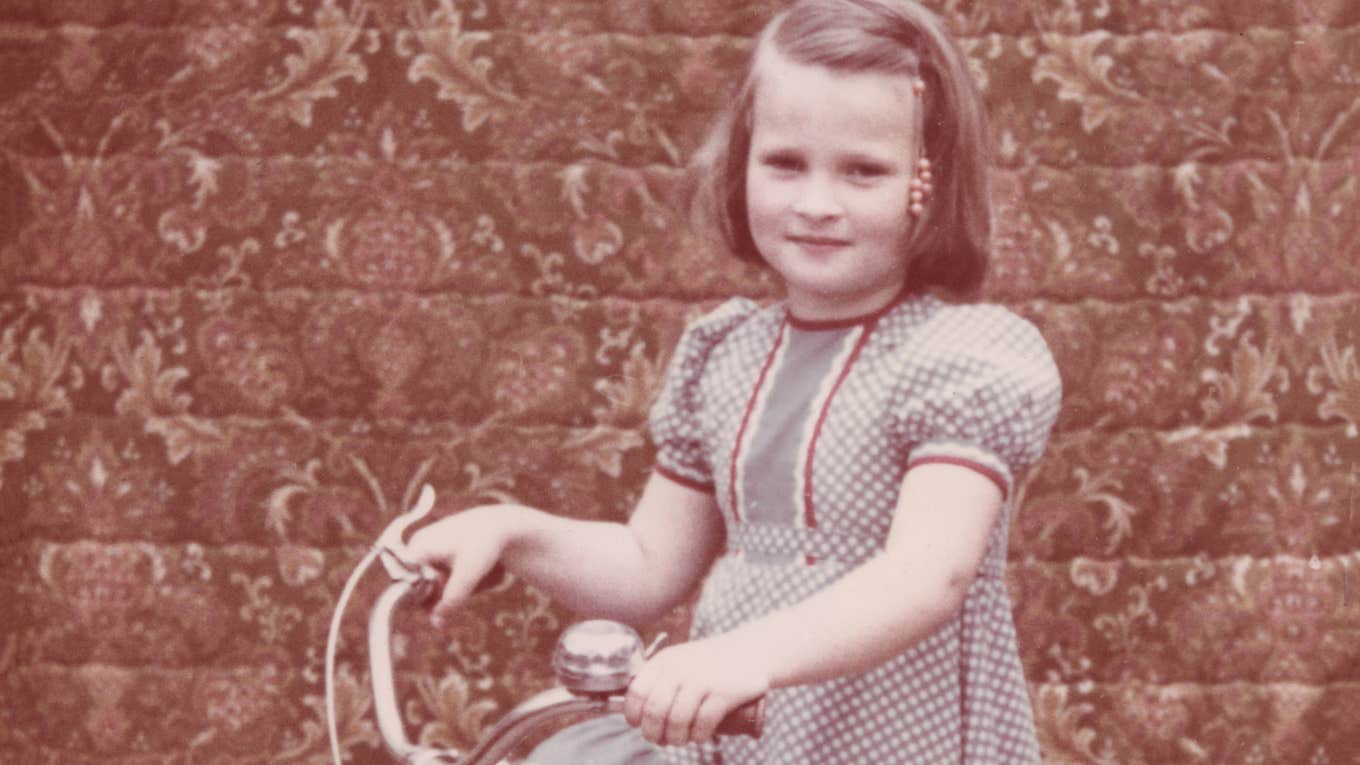
 Women who grew up in the 1970s and 1980s have never been worry-free, then or now, but they do take a level-headed approach to some of the things that really get under younger people’s skin these days.
Life was simply different back then. No smartphones and more independence meant girls had more autonomy to develop strong convictions and a sense of self-trust that carried with them into adulthood.
Women raised in the '70s and '80s are unbothered by these things that younger people lose their minds over:
1. Pressure from social media
 Yan Krukau from Pexels via Canva
'70s and '80s kids grew up without access to a lot of the technology we’re used to now, including social media. Plenty of them use it now, but it’s still not the same as it is for younger generations that don’t know what life was like before constant scrolling.
Although it’s not all bad, social media can have a huge negative effect on users’ mental health. It creates a vicious cycle where they want to look as cool as everyone else and also get lots of likes on the posts they make about it. It’s like an added layer of pressure that people who were raised in past decades just don’t get.
Anyone who uses social media can take it too seriously, but older women tend to avoid this. They’re able to recognize it as an unrealistic illusion and don’t worry about anything other than seeing what their family members are up to.
2. Other people’s actions
Older women don’t completely ignore what everyone else is doing, but there does seem to be a difference between them and their younger counterparts. Maybe it’s because privacy isn’t really possible in a world that’s always connected, but young people pay a lot of attention to what others are doing and have no problem judging them for it.
It’s a natural human instinct to be judgmental because we want to believe we’re doing better than other people. Unfortunately, it leads to a lot of hurt in the long run. Whether someone is gossiping about a celebrity or a friend, it can become toxic really fast.
Women who grew up in the 70s and 80s don’t feel the same need to analyze and criticize other people’s behavior. They mind their own business instead of getting into someone else’s.
3. Comparison culture
No one can avoid comparing themselves to others, but it’s different now. Everyone suffers from a fear of missing out that’s rooted in the belief that their life doesn’t measure up to other people’s. Even if they aren’t judging others, they’re envious.
The '70s and '80s had a completely different environment. Women learned to appreciate what they already had instead of always trying to keep up with someone else. They had moments of comparison, but it wasn’t an epidemic like it is now.
4. Being independent
 Dean Drobot via Canva
Just a few decades ago, the world was a very different place. Kids had to learn how to fend for themselves early on, and their parents gave them a lot of freedom. It was the era when they would go out to play and not come home until dark. This is a stark contrast to what young people are used to now.
Parents keep a closer eye on their children these days, so much so that they can sometimes be described as helicopter parents. They’re always there, making sure their kids stay safe and don’t get into trouble.
Anyone who is raised this way isn’t learning how to be self-sufficient. Professor Nicole B. Perry, PhD, said that having controlling parents makes kids “less prepared to deal with the challenging demands of growing up.” By the time they reach adulthood, they can’t believe they have to advocate for themselves because no one showed them how to.
5. Not feeling validated
External validation comes from others, while internal validation comes from yourself. Older women appreciate hearing the people they care about say nice things, but they’re able to rely more heavily on internal validation. They don’t need someone to constantly tell them they’re doing a good job to actually believe that they are.
Young people are different and derive more of their confidence from external validation. They aren’t able to trust themselves in the same way, which makes it hard for them to set boundaries. Their reliance on other people’s approval is too much, and it isn’t healthy.
6. Minor inconveniences
Stressful things happen to everyone on a daily basis. There’s no way to get around long lines or heavy traffic. Young people lose their cool over this stuff in a way that older women don’t, though.
These women are able to acknowledge that little issues like this are annoying, but they don’t let it ruin their day either. Younger folks seem to think that any inconvenience is too much for them to deal with and let little things that don’t matter weigh on them.
7. Rich and powerful people
There have always been certain people who were way wealthier than the average person, but this seems to be getting worse. The gap between the rich and poor has widened so much that even Peter Mallouk, a wealth management advisor for billionaires, called it “unsustainable.”
Women from this era grew up during a time when people didn’t really question authority, or why so much of it seemed to belong to the people with the most money. Now, people are more willing to question the way the world works and call out injustice. 70s and 80s kids don’t ignore these problems, but they do have a very different perspective.
8. Being told to look a certain way
 StockLite via Canva
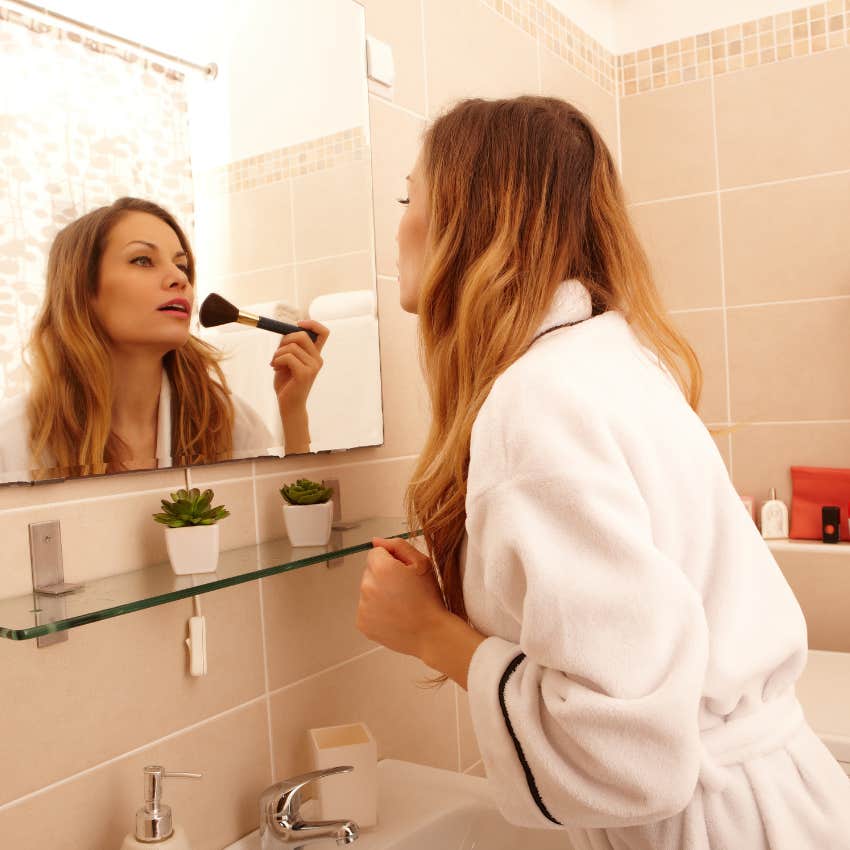
Every generation has its own trends that influence the way women dress and do their hair and makeup. Back in the day, it was just kind of accepted. There were so many unfair expectations placed on women at the time that they didn’t let something that seemed so small get to them.
Women are obviously still being told how they should look now, but they react differently. Plenty follow trends whether they want to or not, but others question why they should. They’re more open to the idea of not conforming and creating their own look.
Mary-Faith Martinez is a writer with a bachelor’s degree in English and Journalism who covers news, psychology, lifestyle, and human interest topics.
