
6 Things People In Their 50s And 60s Realize They Never Needed To Apologize For
 Krakenimages.com | Shutterstock
 It's become a conversational ritual to apologize reflexively in many social situations. Of course, we're all very polite people and care deeply for the well-being of others, but the repetitive use of standardized apologies has got the entire universe yawning with insincerity. Have we gone too far, or is there a chance to crack this petty habit and recover the word's intended use?
By the time people reach their 50s and 60s, something subtly shifts: they stop feeling the need to apologize for simply being themselves. Years of experience tend to reveal that many of the things they once felt guilty about were never even real offenses to begin with.
Here are 6 things people in their 50s and 60s realize they never needed to apologize for:
1. People in their 50s and 60s never needed to apologize for being bold
 Getty Images / Unsplash+
Own the confidence that it took you to fire that witty response. Never apologize for speaking your mind, even if you're worried about what the reaction may be. Saying you're sorry takes away from your confidence and happiness. Stick to your guns, stand up for what you believe in, and don't fear the truth.
Women apologize more than men, not because they actually offend more, but because they have a lower threshold for perceiving their own behavior as offensive. Research confirms that speaking your mind is how you protect your sense of self.
2. People in their 50s and 60s never needed to apologize for feeling things
 Vitaly Gariev / Unsplash
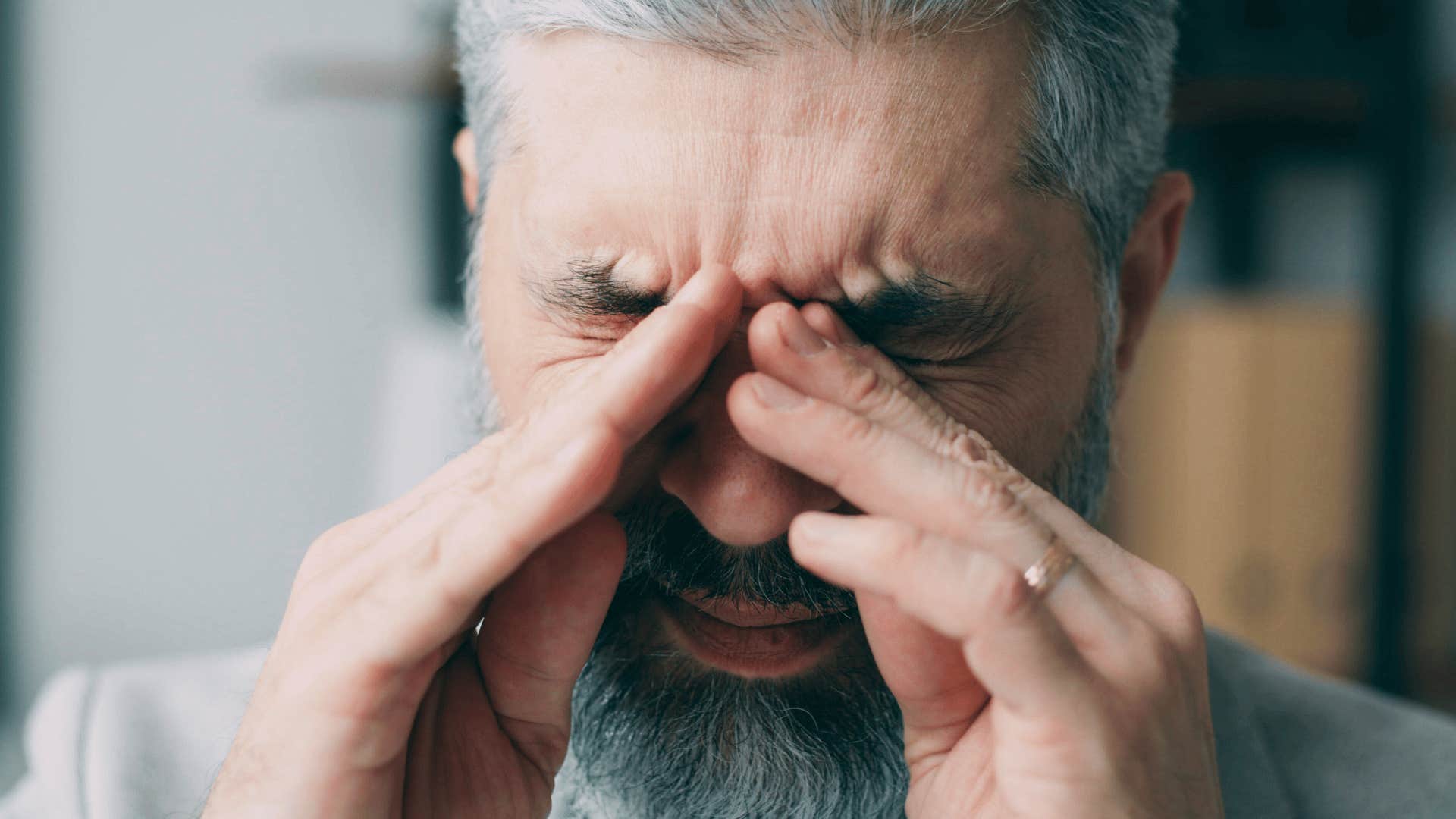
Everyone gets emotional sometimes, and weakness isn't a bad thing. We are often conditioned to apologize for shedding tears in front of others, but we shouldn't feel ashamed by this.
A good cry can be exactly what you need, and some extra attention can really remind you just how many people care. Research has established that crying serves self-soothing functions, helping the body return to emotional and physical homeostasis. Never underestimate what your body may be trying to tell you when you feel that lump in your throat rising. Take this little push to have a few deep breaths and talk out loud about what's going on.
3. People in their 50s and 60s never needed to apologize for their independence
 Getty Images / Unsplash+
Research defines solitude as a state in which we focus on our relationship with ourselves, intentionally distanced from others. When people reframe alone time this way, they report more positive emotions and an enhanced sense of well-being.
Never apologize for leaving a relationship that may be holding you back from your dreams, or for ditching your friends to stay in and catch up on your favorite TV show. Being alone is okay, and it's crucial to give yourself some "me time." There's no shame in taking a summer free from commitments to check a few things off your bucket list.
4. People in their 50s and 60s never needed to apologize for letting loose
 Getty Images / Unsplash+
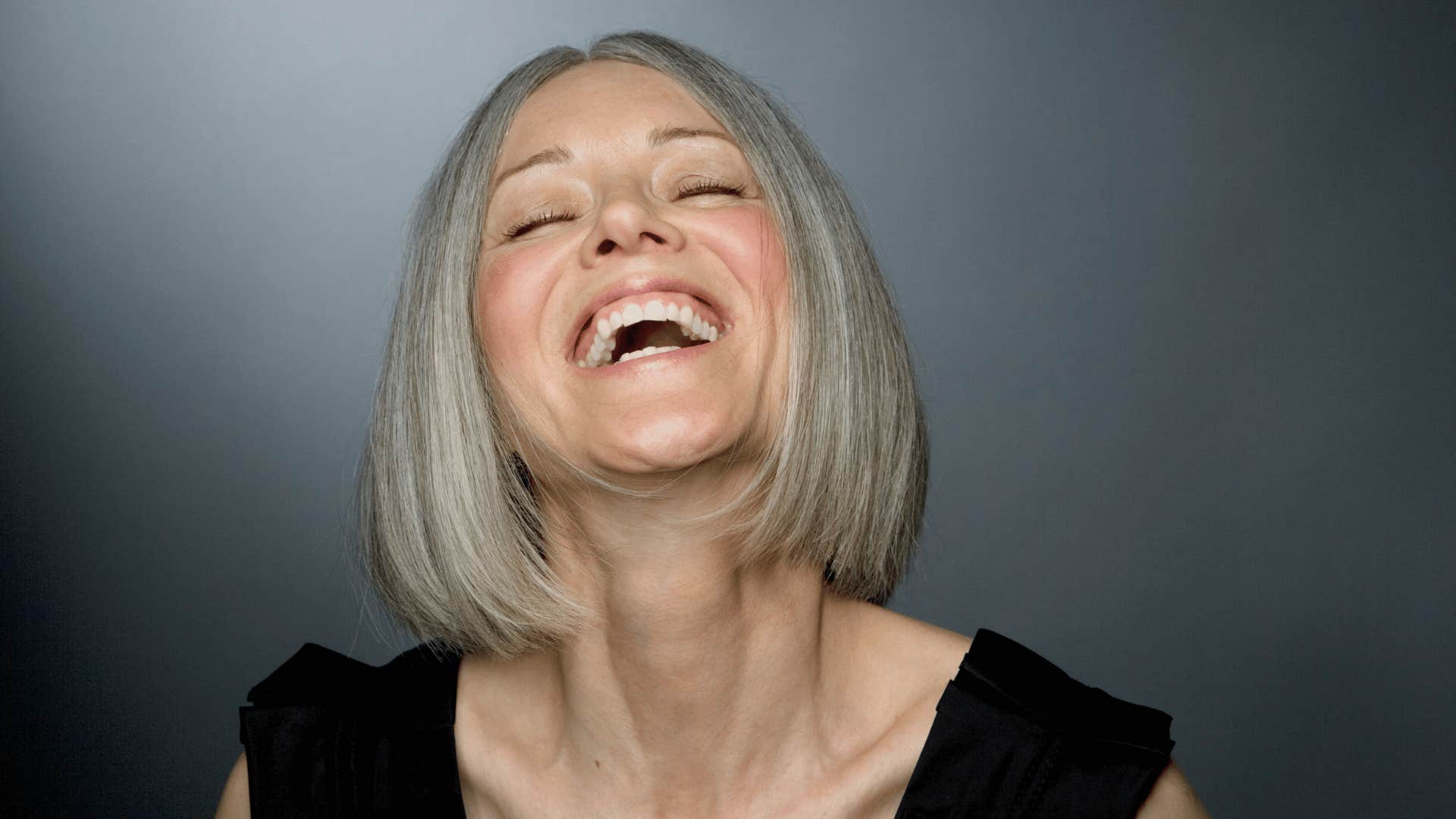
Don't let the fear of judgment force an apology out of you. No, you shouldn't feel ashamed for stuffing your face with pizza and garlic bread the second you get home. You made your friends laugh, let your hair down, and had a blast. Nobody else is sorry, so why are you?
Richard Drobnick, a therapist at Mars and Venus Counseling Center, explains that the happiest people in life know how to permit themselves to enjoy life, accepting that each person grows at their own pace and that giving yourself space to have fun is part of building a strong, flexible relationship with yourself and others.
5. People in their 50s and 60s never needed to apologize for saying no
 Getty Images / Unsplash+
One of the biggest misconceptions of the Baby Boomer generation is that we need to apologize if we don't want to do something that others try to pressure us into. Saying no is empowering and is a choice that we all freely should make sometimes. Embrace the "no." Retired psychotherapist Merle Yost argues that most people carry deep-seated guilt and shame around saying no due to social conditioning, but that "no" is an essential boundary directly tied to self-care, productivity, and a genuinely happy life.
6. People in their 50s and 60s never needed to apologize for being authentically themselves
 Getty Images / Unsplash+
Rule to live by: never apologize for being weird, quirky, or out of place. Embrace your differences and show off your unique qualities to the world. Someone out there is looking for a fresh face to walk into his or her life.
Repeat after us: I'm not sorry. I'm not sorry for the person I am, nor am I sorry for the person I was, or the person I may become one day. I refuse to let the words "I'm sorry" fall into my everyday rituals, and I will cherish them for times of sincerity.
It's time for the world to take charge and bring the meaning of a true apology back to life. The Baby Boomers are a generation of unique and confident superstars, so sorry, but I'm not sorry.
Unwritten publishes content on relationships, love, mental health, wellness, and more.
