
Millennials Are Now Proud Of 11 Things That Were Actually Humiliating Back In The Day
 Krakenimages.com | Shutterstock
Gen Z might idolize life in the early 2000s, but the millennials who were actually there can't help remembering the less shiny moments. They can't wish away side-swept bangs or chunky highlights, but there are several things millennials are proud of now that were actually humiliating back in the day.
No matter what generation someone is born into, there are aspects of their shared identity they have to come to terms with so they can keep evolving. On an individual level, living in the past isn't particularly healthy, but pretending the past didn't exist at all isn't healthy either. Finding a middle path between celebrating who you were and accepting the ways you've changed is the best way forward.
Things millennials are proud of now that were incredibly embarrassing at the time:
1. Wearing glasses
 Monkey Business Images | Shutterstock
There were no anti-bullying campaigns back when millennials were kids, which meant anyone who was slightly different was seen as fair game. Wearing glasses was the social equivalent of wearing a target on your back.
Being called four eyes was one of the worst schoolyard insults imaginable. This sentiment was reinforced by teen movies of the era: cue every makeover storyline where the nerdy girl takes off her glasses, and the most popular guy in glasses immediately asks her to prom.
Millennials, especially millennial girls, spent their younger years battling strict beauty standards that made them feel unworthy. As body acceptance and body neutrality gained traction, millennials started to redefine their relationships with their appearance.
Wearing glasses is one of the things millennials are proud of now that were actually humiliating back in the day, and they fully embrace the whole of who they are.
2. Pairing socks with sandals
 Darina Belonogova | Pexels
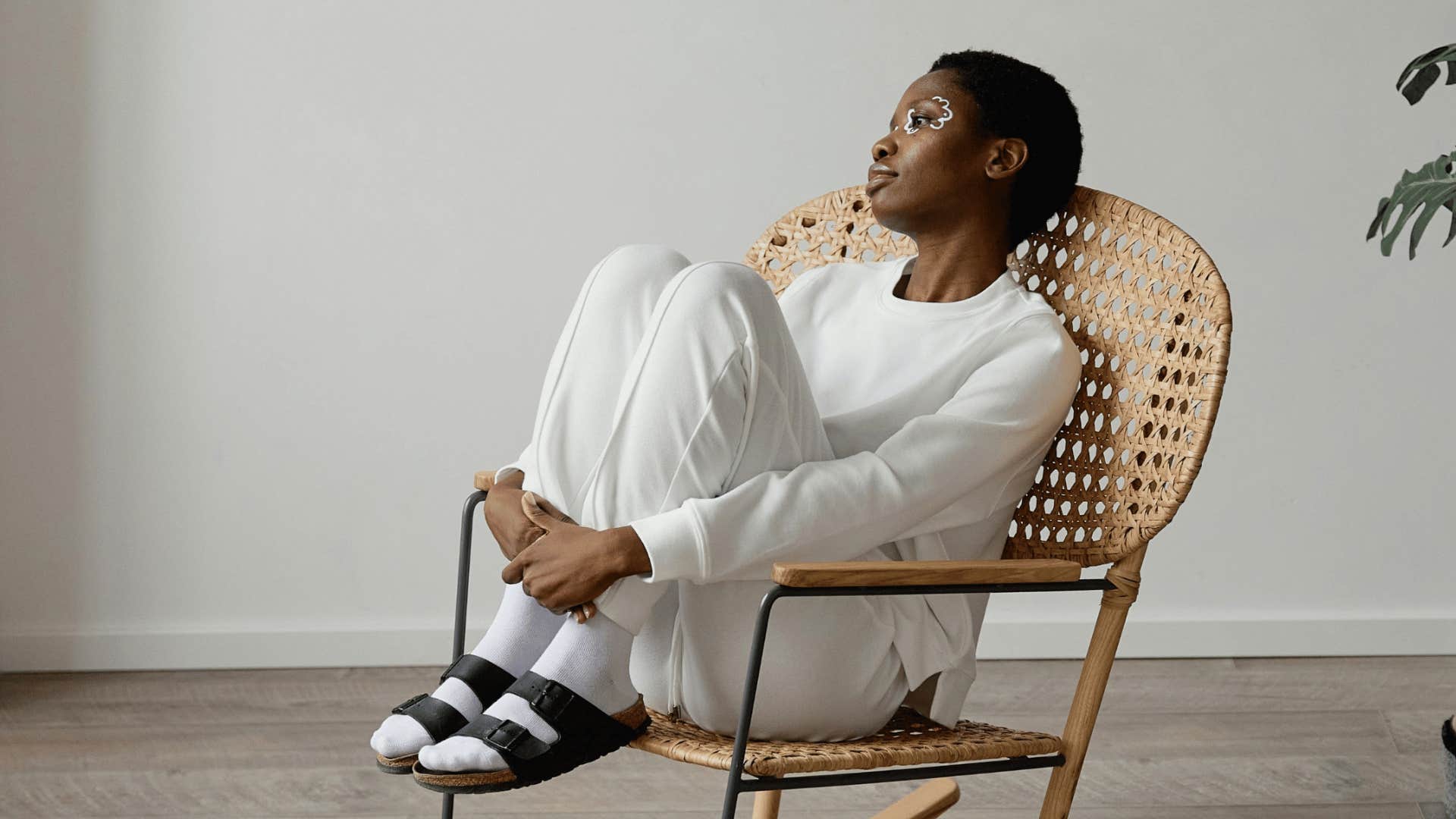
In the 90s, wearing socks with sandals was an indication you were definitely not cool. Footwear clearly signaled social status. Soccer players wore Sambas; skaters wore Vans. Socks and sandals were a fashion choice made by dads everywhere, and being like their parents was the last thing millennials wanted.
Yet style is never static; trends are always changing. Most of Gen Z has made the executive decision to dress like it's still 1997, but there's one thing they're doing differently: pairing socks and sandals. They've elevated Birkenstocks to high fashion, and they've decided that wearing them with socks pulled up to their knees is the only way to go.
Millennials might be close to middle age now, but they've embraced the socks and sandals look in a way that could be considered an exercise in healing.
3. Having full eyebrows
 Perfect Wave | Shutterstock
Millennials were born into a world that celebrated very skinny supermodels who looked like they did everything but get a good night's sleep. Back then, less was more, an ethos that translated to everything, including eyebrows. The bushy look was definitively out; pencil-thin was in.
It was a time when glossy women's magazines reigned supreme. Every page smelled like perfume, and every photo spread featured the same barely-there brow. For middle school millennials, Cosmopolitan and Glamour were sacred texts, relaying hidden messages about what it meant to be a woman.
As far as they could tell, thick eyebrows were the last thing a woman should have. Over-plucking their eyebrows was a millennial rite of passage, one that took years to recover from.
Gen Z were still toddlers when the 90s came to a close, yet 37% of Gen Z report feeling nostalgic for that moment in time, according to a survey from GWI. Additionally, 54% of Gen Z go for vintage 90s and early 2000s style choices, like low-rise jeans and Nirvana T-shirts.
While being called vintage makes most millennials feel like they have one foot in the grave, they're grateful that Gen Z couldn't care less about tweezing their eyebrows into oblivion. Millennials have come full circle, and they're embracing the full eyebrows that used to humiliate them.
4. Being in therapy
 PeopleImages.com - Yuri A | Shutterstock
As a generation raised by boomers who embodied the tough-love mentality, millennials grew up believing that going to therapy meant something was wrong with them. For all the ways mental health was stigmatized when they were younger, millennials are flipping the script.
As adults, millennials now see therapy as a tool for improved self-awareness, and they're embracing it in a serious way. According to a 2023 survey from Thriving Center of Psychology, over half of millennials and Gen Z have either gone to therapy or are currently in therapy. Going to therapy might not fix all their problems, but it gives them a safe space to explore their inner minds. It gives them a language to describe their experience.
Self-described millennial therapist Dr. Sara Kuburic shared a post that resonated deeply with her followers. "Let's start being honest with each other," she wrote. "Let's start saying things like, I'm having a hard time finding meaning in my life, I have doubts about my relationship, I'm facing financial difficulties, I feel lonely, I made a mistake, I'm not okay."
Dr. Kuburic captured an essential aspect of the millennial experience. Being authentic and honest is never easy, but it will set us free.
5. Oversharing on social media
 Chay_Tee | Shutterstock
In many ways, getting older means settling into your most authentic self, and for millennials, that means accepting how much they love to overshare on social media. Their online existence is a delicate balance. They alternate between painstakingly curating their Instagram feeds to show off the perfect brunch picture and exposing all their insecurities and worries in the caption.
As much as younger generations might make fun of millennials for being earnest, oversharing online is how millennials have always related to the internet. LiveJournal and MySpace were where millennials lived, quoting emo bands and pouring their heart out, all over the keyboard of their family computer.
Their approach to being online might make millennials seem cringe to everyone else, but they don't really care anymore. They're fully embracing who they really are.
6. Living at home
 Red Stock | Shutterstock
Living at home as an adult is one of the things millennials are proud of now that were actually humiliating back in the day. Now, they fully embrace living with their parents, in part because they have no other viable option.
According to a report from the National Association of Home Builders, 19% of young adults between the ages of 25 and 34 live at home with their parents, which comes out to 8.5 million people, many of whom are younger millennials.
There are several valid reasons so many young adults still live at home. They've spent any excess savings they had during the height of the pandemic. Mortgage rates are too high for them to afford a home of their own, and rental affordability conditions are the worst they've ever been.
No amount of skipping out on oat milk lattes could prepare millennials for the economic instability they're facing, which is why they're embracing their reality and settling into their parents' homes.
7. Obsessing over astrology
 LightField Studios | Shutterstock
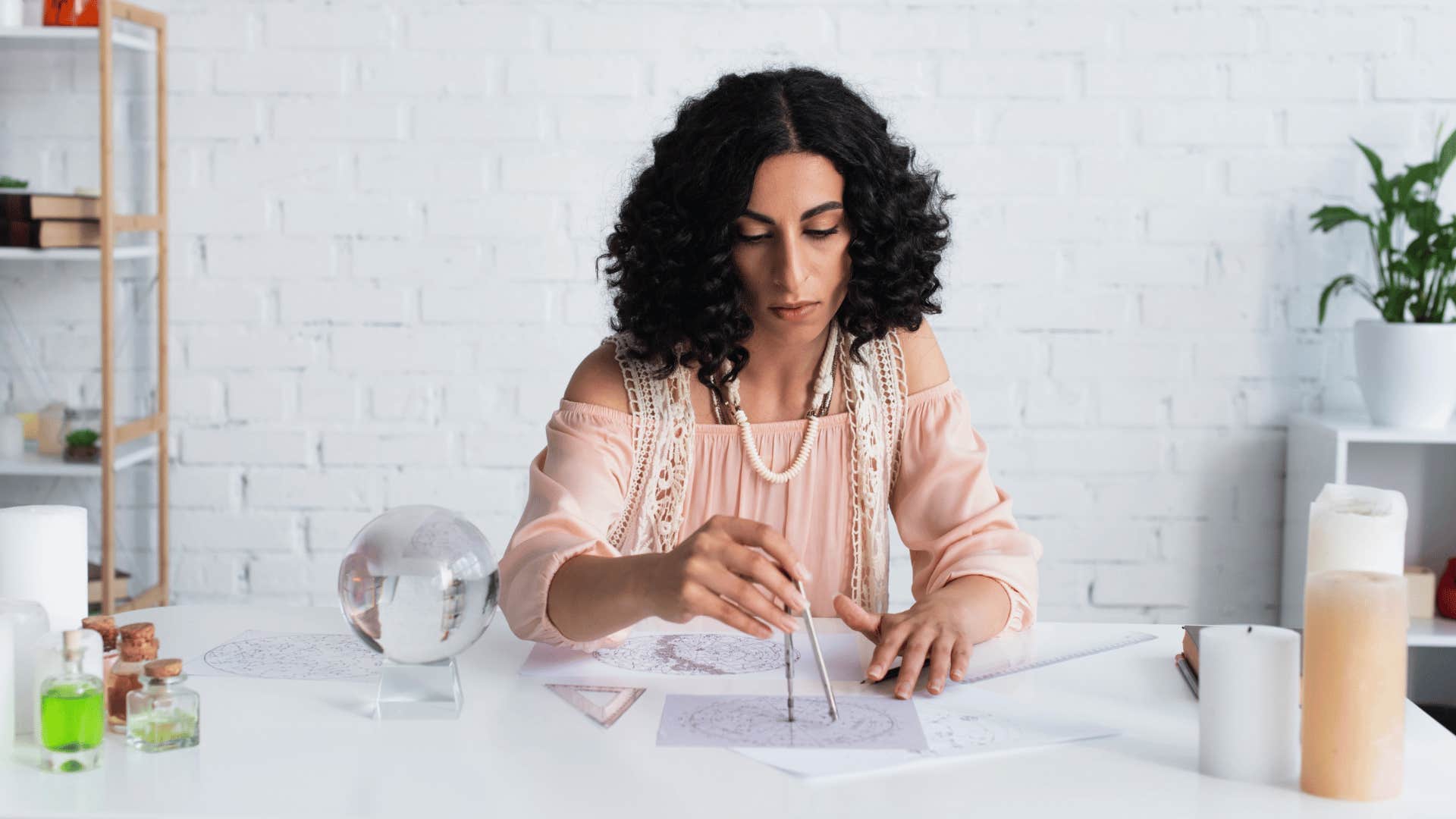
If you were into astrology in the 90s and early 2000s, other people assumed you smelled like patchouli and made major decisions based on your crystals' political opinions. Astrology was a niche interest, and a woo-woo one, at that.
In the past, millennials were humiliated to admit they obsessed over their star charts, but times have changed. Astrology is more mainstream now than it's ever been.
TikTok is full of spiritual influencers, and there are many different apps to check how your rising sign is impacted by the eclipse season. Being into astrology isn't something millennials have to hide anymore, and they're fully embracing their woo.
8. Taking selfies
 Maria Markevich | Shutterstock
Millennials were the last generation to live through a distinct period of time before the internet existed as it does now. As they got their internet sea legs, they were often the focal point of older generations' disdain for taking selfies.
They were told to be embarrassed of their duck-face expressions and vanity, but taking selfies actually holds major social significance and is one of the many things millennials are proud of now that were actually humiliating back in the day.
In her book "One In A Millennial: On Friendships, Feelings, Fangirls, And Fitting In," author Kate Kennedy explored the ways millennials engaged with media and pop culture. As she told NPR, one of her reasons for writing the book was to "reclaim the experiences of our girlhood that were easily written off as frivolous and unimportant," like "the iconic 2000s college getting-ready ritual known as the pregame."
"In college, we would have these all-girl get-togethers that were, to me, electric," she said. "They were safe spaces where people would build you up and tell you how hot you looked, and we'd take pictures with our point-and-shoots dangling from our wrists that, almost beautifully, we couldn't post in real time, so we had to be present."
Kennedy's experience shows that the mindset driving selfie-culture has always existed, even before social media did. For millennials, capturing their young, breathlessly exciting lives on camera was crucial, and nothing to be embarrassed about.
9. Wearing sweatpants in public
 mike warr | Pexels
After the early 2000s passed, millennials felt badly burnt by several style choices that permeated their universe, like bleached tips, side bangs, and shimmery white eyeliner. Of all their poor decisions, wearing magenta Juicy-brand velour tracksuits tops the millennial list of embarrassing things they did.
It's no wonder that millennials spent the next decade and a half in skinny jeans. They were trying to overcome their shared tracksuit trauma. But as the world turned upside down in 2019, dressing for the comfort of their own home, which they weren't allowed to leave, took precedence.
So much changed in the next few years, and one of the less serious things was the fact that wearing athleisure out in public was totally socially acceptable. Millennials won't ever wear outfits with rhinestone embellishments on the seat of their pants again, but they will go out in sweats, which is what some people call progress.
10. Spending Saturday night at home
 Drazen Zigic | Shutterstock
Millennials have come a long way from slithering into their tightest going-out tops and hitting the bars every weekend. In their younger years, staying home on a Saturday night embarrassed them, but now, they fully embrace having time on their own to recenter and reset.
According to research published in Joule, young adults in America between the ages of 18 and 24 spend about 70% more of their time at home than the general U.S. population. Additionally, a survey from Mintel found that "almost three in ten (28%) younger millennials (aged 24-31) drink at home because they believe it takes too much effort to go out."
Millennials no longer need to grind with strangers to the melodic voice of Ludacris. They're more than happy to get into their cozies and curl up on the couch and binge-watch their favorite show of the moment. As they say, with age comes wisdom, and for millennials, that means releasing any residual FOMO and enjoying the peace and quiet of staying home.
11. Hanging out with their parents
 PeopleImages.com - Yuri A | Shutterstock
A long time ago, when millennials were teenagers, the idea of hanging out with their parents was embarrassing to them. Why would they want to talk to the 40-year-olds raising them, when they could watch TRL or go on AIM and trick their best friend's crush into admitting how they really felt?
Yet time's onward march is truly inescapable, and now, spending time with their parents is one of the things millennials are proud of now that were actually humiliating back in the day. Millennials are anywhere from 29 to 44 years old, and they've come to realize that life waits for no one, and they see their parents in a much different light.
The moments they spend with their family are actual gifts, and they wouldn't trade them for anything.
Alexandra Blogier, MFA, is a writer who covers psychology, social issues, relationships, self-help topics, and human interest stories.