
People Who Write Things Down On A Physical Planner Instead Of Their Phone Are Often Superior Humans, Experts Say
 Dean Drobot | Shutterstock
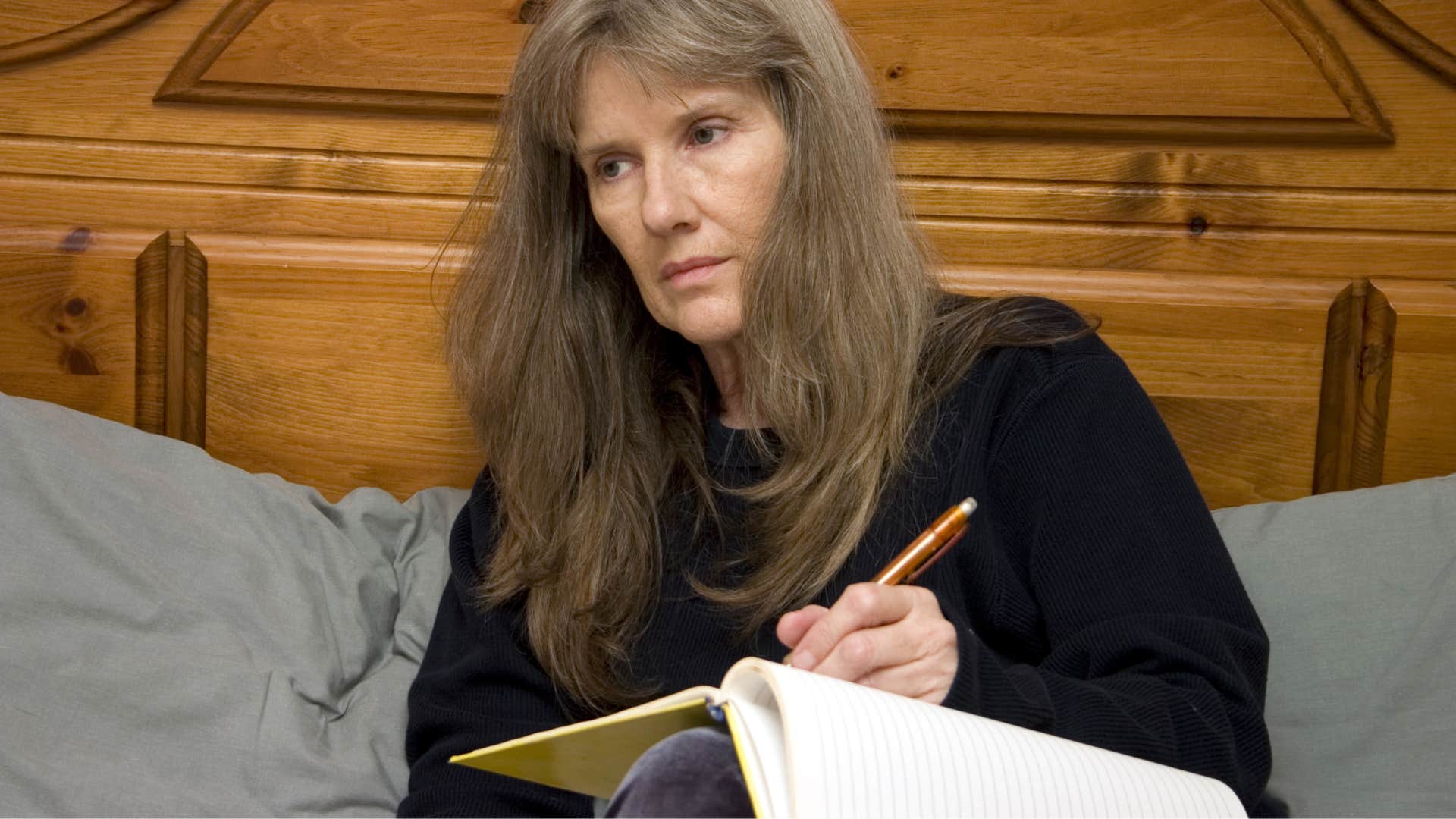
Amid the highly digitized world we all live in, there sits a person writing in an old-fashioned physical planner. Their pen moves across the pages of a day planner. Another notebook lies open and face down on the table. The person is lost in thought. Thoughts you can almost read on their face. You wonder who they are and what they might be like.
Maybe they write it all down to keep themselves together. Maybe they are a sensual person, a romantic who remembers the details others will easily forget. Someone who is always crystal-clear about their intentions and knows how slowing down is the best way to arrive at success quicker.
Experts say people who write things down on a physical planner instead of their phone are superior for a few reasons:
1. They have tender, nostalgic souls
 GaudiLab | Shutterstock
For astrologer and editor Aria Gmitter, tenderness is a personality trait that comes with being a person who writes things down in a planner. Writing is sensual, and to be sensual is to love the intimacy that comes with writing things the old-fashioned way — even cursive if you're fancy! There's only one other thing as intimate as a diary, and that's a paper planner. Keeping a written planner is a lifelong, intimate, and thought-provoking experience; it's like opening your messy, beautiful brain and letting it spill out onto the page.
2. People like this often romanticize the past
 Dianne Maire | Shutterstock
If you write things down in a physical planner, you probably also leave voicemails, says attorney Jennifer Hargrave. You probably write letters that are sent via the post office with a stamp. You might even have a fax machine. You probably are nostalgic and over-romanticize the past, and aren't particularly eager to adopt new technology. You live in a bygone era, and that's where you want to stay because it reminds you of better, slower times. Who can blame you?
3. They have impeccable memory for detail
 GaudiLab | Shutterstock
Researchers from the University of Valencia and the Israel Institute of Technology found that people who print out documents to read instead of scrolling through them online have far greater retention of the contents.
Life coach Susan Allan repeatedly hears clients telling her they have to check their phone constantly to know what they're doing later in the very same day. However, her clients who still keep a day planner only check it in the morning. She sees it whenever they are checking off an appointment they've just had, and they are far more present with their schedule because retention is easier based on superior brain function.
4. They're big on routine
 Rawpixel.com | Shutterstock
People who write things down in a planner often stick to habits that work for them, points out therapist Dr. Gloria Brame. For example, maybe you know you're bad at remembering dates, so you write them down where you can see them. Over the years, you've developed organized rituals around these updates, and they've become second nature.
People who choose physical planners often do so intentionally. You might be someone who finds that writing things down helps you remember better than typing into a Google calendar. Or maybe you prefer the tactile experience of flipping through pages rather than clicking a mouse.
You're also likely someone who values mindfulness and intentionality in how you organize your life. While others frantically switch between apps, you calmly pencil things down, processing information more deliberately, and creating a ritual that feels grounding rather than stressful.
5. They loathe being rushed
 Mike Laptev | Shutterstock
Couples counselor Larry Michel suggests that folks who use planners have come to realize the cognitive benefits of writing versus typing or dictating. Collaborative research by the University of North Carolina and Johns Hopkins University "clearly shows that handwriting compared with non-motor practice produces faster learning and greater generalization to untrained tasks." In other words, writing promotes slowing down our thoughts and increases mindfulness and comprehension: both good things!
Will Curtis is YourTango's expert editor. Will has over 14 years of experience as an editor covering relationships, spirituality, and human interest topics.