
People Who Get Emotionally Attached To Objects Often Share These 11 Personality Patterns
 Anna Om / Shutterstock
 It may sound silly to some, but some objects can hold sentimental value. I am the type of person who feels a bond with items that were thoughtfully gifted to me. It could be something small, like a kind card, or something more expected, like a stuffed animal or favorite sweatshirt.
Growing attached to items can be hard to explain to people who don’t understand it. For many, things are simply that: things. They do not hold sentimental value. When it comes time for spring cleaning, this type of person may find it easier to throw items away. For the more emotional individuals, it can be like losing a piece of a memory. People who struggle with these emotions likely have specific personality patterns.
People who get emotionally attached to objects often share these 11 personality patterns
1. They are sentimental
 studioroman via Canva
Sentimental personality patterns can be hard to break. A person like this attaches certain feelings to items. I am this type of person. If my parents gave me something as a gift, it holds special value. When that happens, I get stuck in a pattern of holding on to things I would otherwise donate. It’s not an easy cycle to break.
If you feel this way, you are not alone. Getting attached to items because of sentimental value is common. Whether it’s your toys from childhood or the first gift your partner ever gave you, assigning meaning to objects comes naturally to sentimental people.
2. They are nostalgic
 Eliza Alves from capturenow via Canva
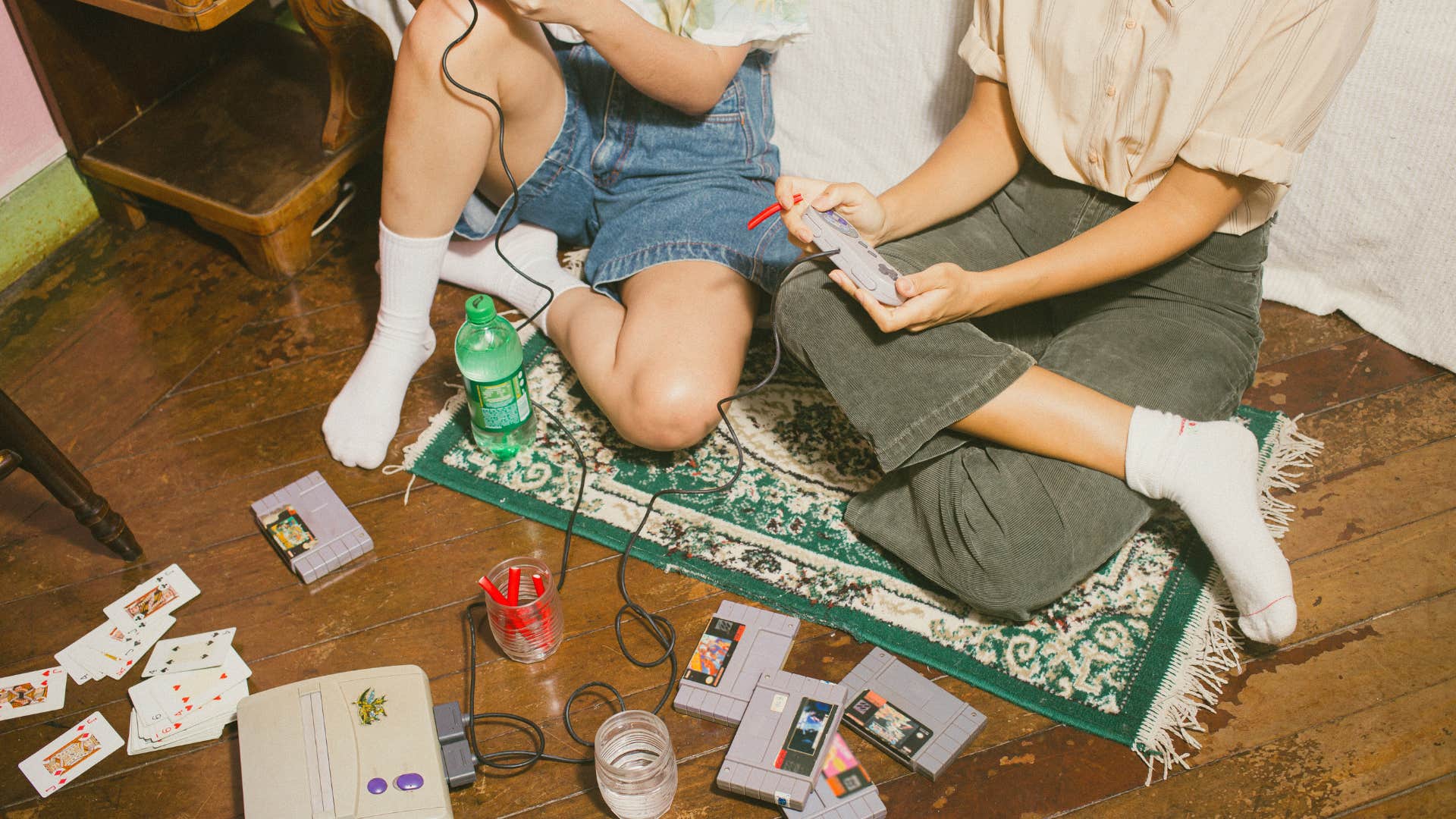
Do you look back on the past and wish you could relive it? You are not alone. People who are prone to nostalgia can get stuck in a pattern. They become emotionally attached to items that transport them back to another point in their lives. Things like characters from TV shows and movies, or band shirts from our teenage years, these things can take us back to our prime.
A study found that as we get older, our attachment to items may change. We go through stages that change our feelings towards things. People may grow more nostalgic with age. It can keep us stuck in a pattern of saving every object that reminds us of our glory days.
3. They are sensitive
 August de Richelieu from Pexels via Canva
I am a naturally sensitive person. My emotions can be complex. I get drawn to items that bring forward a certain feeling. Were you a kid who kept that baby blanket a little too long? Or still have your favorite stuffed animal? You may be a more sensitive person. Items that bring comfort can create an emotional attachment.
Some people may form emotional attachments to items because they meet a need. If you kept a stuffed animal from childhood, it may have been the object that brought you the most comfort. Now, you have formed a special bond, and you are sensitive to the idea of donating it.
4. They assign meaning to things
 Karola G from Pexels via Canva
People who assign meaning to inanimate objects can grow attached to them. Let’s imagine the first Valentine’s Day you spent with your partner, they gifted you a necklace. Over the years, your style may have changed, or it may have gotten scratched from continuous wear. You don’t wear it nearly as much as you used to, but it has an attached meaning. It’s the first gift your partner gave you, so it’s special.
When you have a personality pattern that provides meaning to things, it can be hard not to form an attachment. It’s not easy for some of us to disconnect our feelings for the person who gave us the item from the object itself.
5. They practice anthropomorphism
 Felicia Manolache's Images via Canva
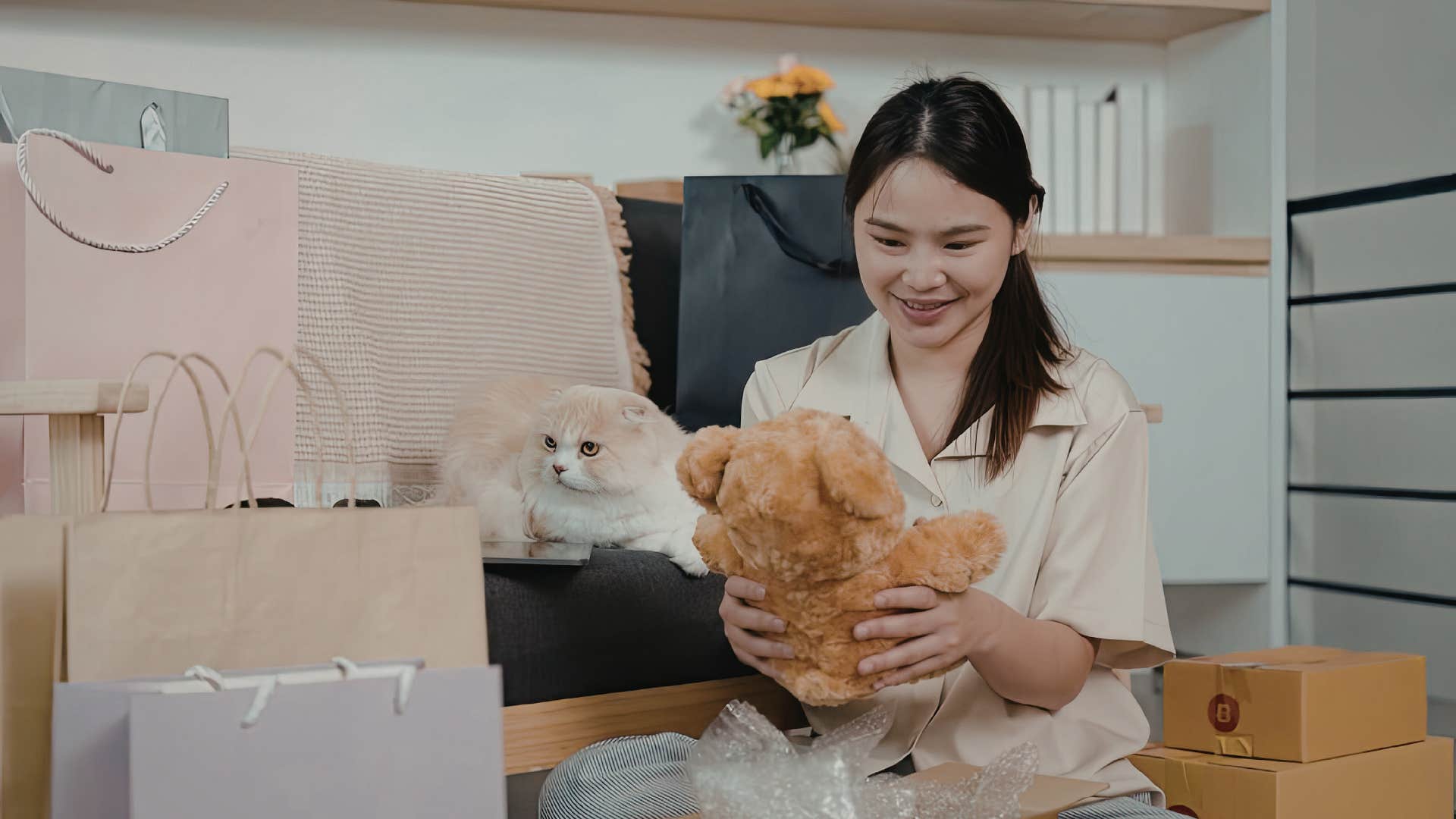
When I was a kid, I had to pick up every stuffed animal I saw on the ground. If I were at a store and noticed some had gotten knocked off the shelf, I would stop in my tracks to put them back. My reasoning? They were sad and missed their friends. Is that true? Obviously not. Was I convinced it was? Absolutely.
This is an example of anthropomorphism. If you give human characteristics to non-human objects, you may grow a strong emotional attachment to them.
6. They are empathetic
 pixelshot via Canva
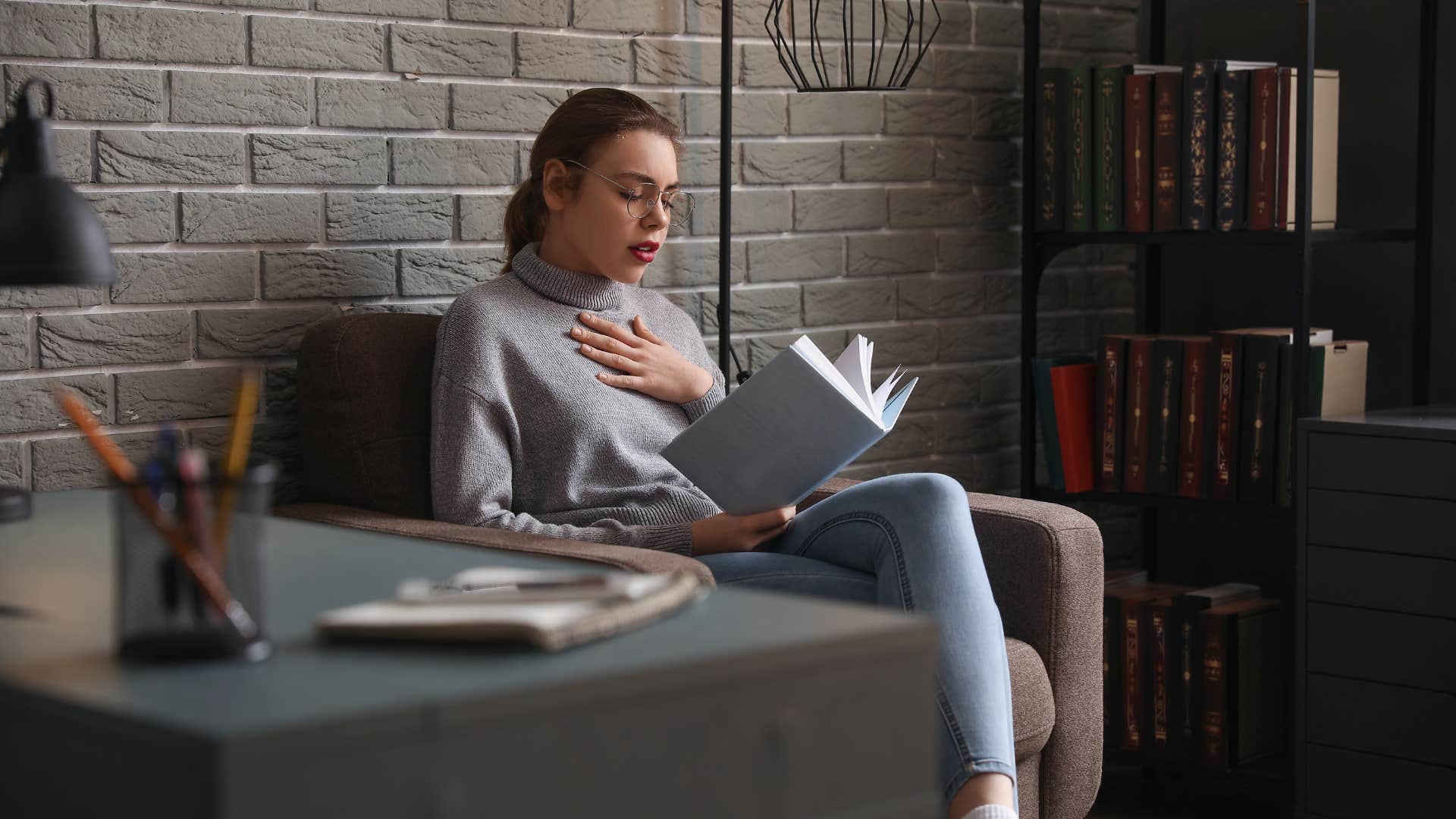
When I reflect on items gifted to me by others, I think about what they sacrificed to give them to me. I’ll start to think about the thought that went into the gift. Not only that, but how they chose to spend the money they made from working long hours on something that made them think of me. I become empathetic to their entire shopping experience. I grow attached to the item.
If you experience this, your empathetic personality pattern may be the root cause. Empathetic people easily read people’s emotions. They may view the objects gifted to them as an extension of themselves and hold sentimental attachment to them.
7. They have an insecure attachment style
 RollingCamera from Getty Images via Canva
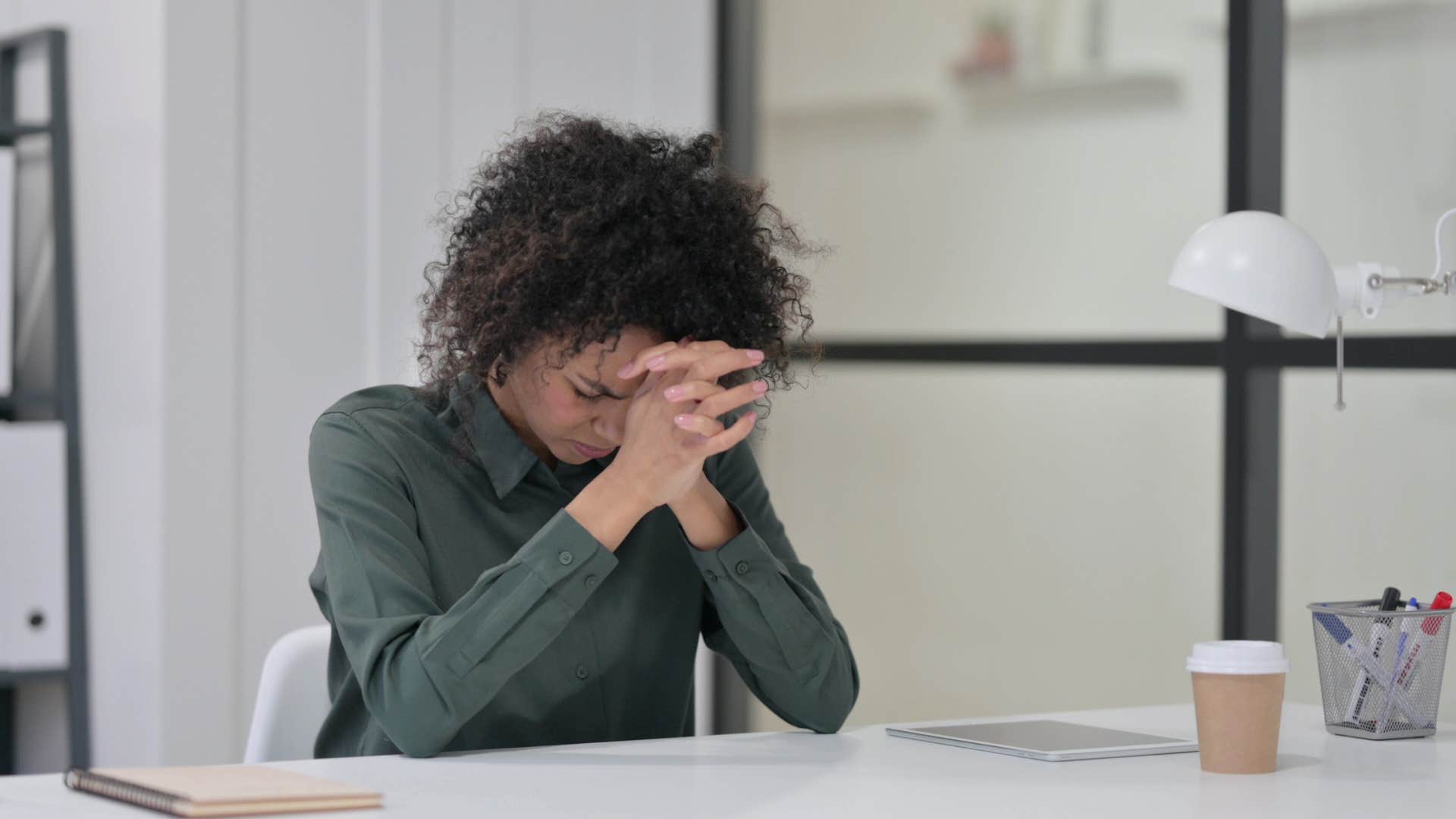
Everyone has an attachment style. It’s something we acquire in early childhood. When someone has a secure attachment, they can be less inclined to hold emotional attachments to objects. When someone has an insecure attachment, like an anxious attachment, they can form bonds with objects that bring them comfort. Sometimes, they may use an item as an anchor because they are afraid of being let down by others.
“Anxious attachment is a type of insecure attachment. People with anxious attachment often have a fear of rejection and abandonment. They may seek validation from someone outside of themselves,” says the Cleveland Clinic. Items can be a sign of validation and can form strong emotional bonds with them.
8. They dislike change
 Peopleimages.com - YuriArcurs via Canva
Some people get into a pattern of keeping things out of the fear of change. If you’ve had something in your home for years, you may not be able to imagine your space without it. Whether you realize it or not, you may have grown emotionally attached to the object. It’s part of your day-to-day life. Getting rid of it would be a major change. You may keep it around longer than you realize because you want to maintain your normal routine.
Change is constant. We can’t control many of the changes that unfold in our lives. However, we can control the items we hold on to. It can lead to an emotional attachment.
9. They are indecisive
 Maridav via Canva
Indecisive people are at war with themselves. They are constantly trying to come to the correct conclusion for themselves. This can be something as simple as keeping items in their homes. If they keep going back and forth about whether they want something, they may form an emotional attachment to it. They may be trying to decide whether or not it’s important to them.
With indecision comes procrastination. ustifying an emotional attachment to an item can be a way to postpone making a difficult decision.
10. They are loyal
 StockPlanets from Getty Images Signature via Canva
As a kid, did you have a favorite toy? You were loyal to it. It was always your first choice to play with. If anyone else wanted it, they’d have to fight you over it. You likely have a loyal personality pattern. This can make it difficult for you to part with things you feel an emotional connection to, including inanimate objects.
Loyalty is consistent behavior. If you favor one object and use it all the time, you may have formed an emotional attachment to it.
11. They seek comfort when under stress
 charliepix from charliepix via Canva
When under high stress, you may seek support. It could come from another person. However, sometimes, it’s not always easy to be vulnerable with other people. If you struggle to open up to others, you may find comfort in an object. It could be a stuffed animal or an emotional support hoodie. Whatever it is, it soothes you during moments of pressure.
“Transitional objects are items, such as a beloved blanket, stuffed animal, or even a pet, that provide psychological comfort during moments of stress, uncertainty, or change,” says Sue Collier for Mental Health. “Originally studied in the context of child development, these objects are now recognized as vital tools for emotional regulation and well-being across the lifespan.” A comforting item can become an emotional attachment.
Haley Van Horn is a freelance writer with a master’s degree in Humanities, living in Los Angeles. Her focus includes entertainment and lifestyle stories.
