
People Who Regularly Eat This Supposedly 'Bad' Food Are More Likely To Live To 100, Study Finds
 Jacob Lund | Shutterstock
 A recent study found that regularly eating meat as part of a balanced diet might actually increase your chances of living to 100. While that's great news for carnivores, there's an important caveat to the study: regularly consuming meat is only really beneficial to your longevity if you've already reached old age.
People are becoming more mindful of what they consume because they want to live longer, and that's a good thing. It's exactly why plant-based or plant-heavy diets have grown in popularity. If you usually avoid meat for health reasons, hold off before hitting the grocery store for burger-making ingredients because, like with all things when it comes to health, all or nothing isn't always the answer.
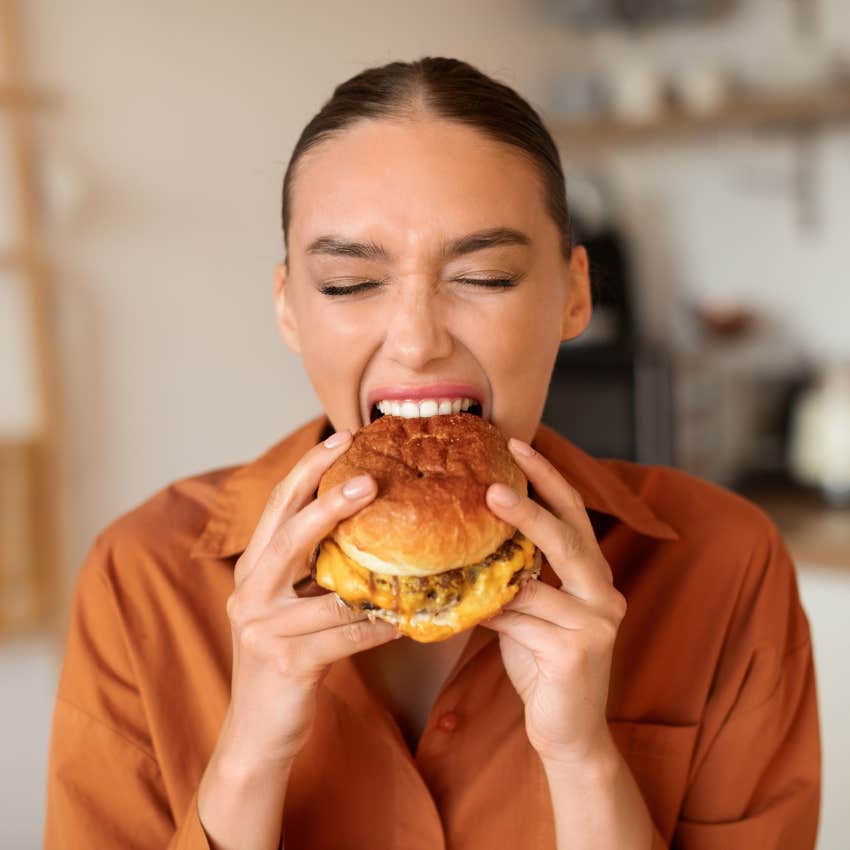
People who regularly eat meat are more likely to live to 100, according to a recent study.
 Prostock-studio | Shutterstock
The vegetarian diet has taken center stage in nutrition conversations for years, especially with growing numbers of obesity-related causes of death. Research has been clear that the low saturated fat content of plant-based diets is good for heart health, for example.
It would be natural to jump to the conclusion that eating a plant-based diet is better for you if you are trying to live a long life, right?
Lead researcher Yaqi Li and colleagues were very specific when targeting adults aged 80 and over in China, focusing on whether vegetarianism is associated with a higher likelihood of reaching age 100.
Surprisingly, they "had a lower likelihood of becoming centenarians relative to omnivores, underscoring the importance of a balanced, high-quality diet with animal- and plant-derived food composition for exceptional longevity, especially in the underweight oldest-old."
In a nutshell, the study found that for adults who had already reached the age of 80, dietary needs changed, making protein more important for continued longevity. That's not exactly a free pass to eat meat and ditch the broccoli.
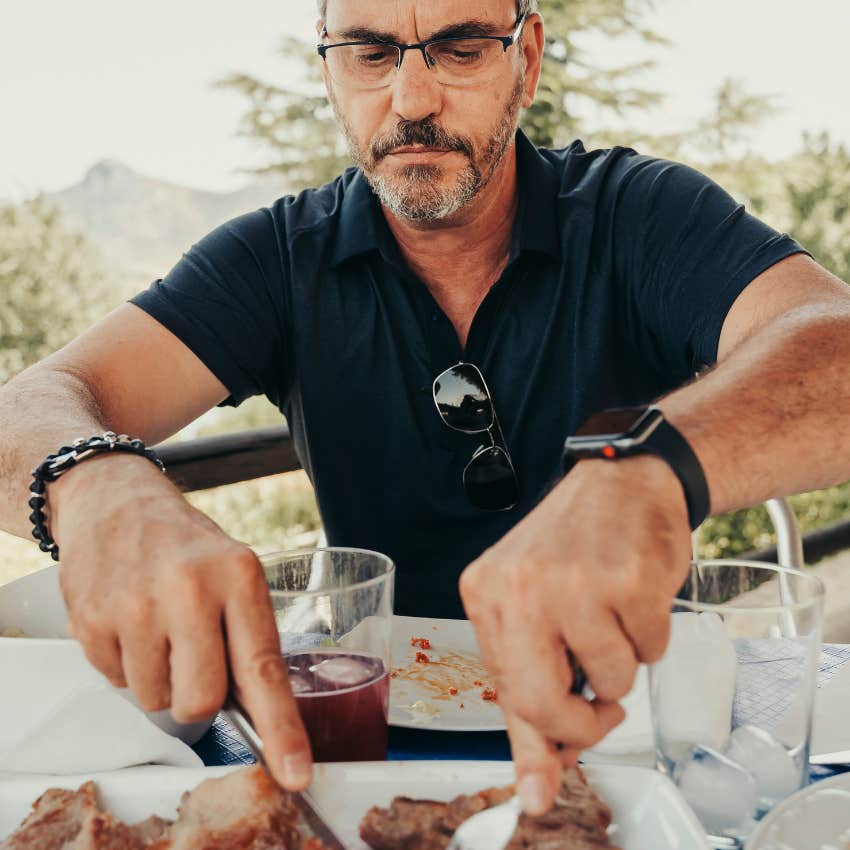
Researchers pointed out that as adults age, diets higher in protein become more important for longevity.
 Manel Ponce Rodriguez | Shutterstock
Dr. Chloe Casey, a Registered Associate Nutritionist, explained, "This study focused on adults aged 80 and older, whose nutritional needs differ markedly from those of younger people. As we age, physiological changes alter both how much we eat and what nutrients we need."
She went on to say, "In later life, nutritional priorities shift. Rather than focusing on preventing long-term diseases, the goal becomes maintaining muscle mass, preventing weight loss, and ensuring every mouthful delivers plenty of nutrients."
What that means is that when you're eating less and you're more frail, fat, and protein becomes more important. When you're young, however, and heart health is more integral to longevity, that's not the case.
As a vegetarian, I find it takes more preparation and intentionality to make sure I'm getting enough protein. Getting creative with tofu takes time, so I often opt to fry an egg and call it a day. It's easier for a person to eat a steak, but either diet still leaves them deficient in other food groups.
Science journalist Christa Lesté-Lasserre, who reported on the study, noted, “It is important to understand what nutrients are needed for a balanced, healthy lifestyle...This includes eating plenty of whole grains, fruits and vegetables, while minimising salt, sugar and saturated fats."
Remembering to add vegetables to my egg and toast, or a piece of kiwi, is me holding myself to a balanced diet, putting time and intention into the food I'm eating. This works for my lifestyle, along with some multivitamins, to give me enough nutrients and energy to start my day feeling fueled.
The study also highlighted the important fact that "the reduced likelihood of reaching 100 observed among non-meat eaters was not evident in those who included fish, dairy, or eggs in their diets." Essentially, protein and fat are key when you reach an age at which being underweight and frail becomes life-threatening.
Diets should change with age.
Look, diets should always change with age. The fats that babies and young children require in their diets to fuel their brains are not needed as we get older.
Dr. Casey added, "Older adults still require adequate protein, vitamin B12, calcium, and vitamin D, especially to preserve muscle mass and prevent frailty. In older adulthood, preventing malnutrition and weight loss often becomes more important than long-term chronic disease prevention." You are responsible for adjusting your diet, switching up the food plan that works for your palate, caloric goal, and muscle maintenance.
Dr. Casey emphasized the "crucial detail: the lower likelihood of reaching 100 among non-meat eaters was only observed in underweight participants. No such association was found in older adults of healthy weight." The overarching goal is to reach a healthy weight through nutrient-dense, whole foods.
Eating enough of the food groups is a balancing act. Broadening the scope of what nutrition means, the quality of the nutrients you are ingesting does make a difference in the number of years you have the potential to reach. Every body is different, and every body requires different fuel.
Emi Magaña is a writer from Los Angeles with a bachelor's in English. She covers entertainment, news, and the real human experience.
