
5 Life Skills Millennials Developed Naturally That Gen Z Wasn't Set Up To Learn
 Daniel Xavier | Pexels
 Millennials didn't necessarily plan to build certain life skills in their twenties; they just had to. Between financial instability, job market pressure, and figuring things out without as many digital shortcuts, many Millennials developed habits that shaped their careers, relationships, and the way they live their lives long-term. Those early life skills impacted everything from how they saved up (or didn't) for retirement to how they talk about and deal with their emotions.
Gen Z isn't necessarily less capable; they've just grown up in a completely different environment, one that didn't always require or encourage the same skills at the same stage of life. But the earlier you build these foundational habits, the easier everything gets later. Here are the life skills Millennials developed naturally that Gen Z wasn't set up to learn, and why they still matter.
The 5 life skills Millennials developed naturally that Gen Z weren't set up to learn:
1. They start saving early (even when it feels small)
Do you think you have time to save for retirement later in life? You may, but the earlier you start planning for retirement, the smoother your life will be later.
Let’s say that you begin saving $1,000 per year at age 22. If you stop saving that money at age 30 but don’t touch it, you’ll amass more than if you start saving at age 30 and end at 65. If your employer offers a 401k or other retirement savings account, take advantage of it. Changes in the tax code allow you to sock away more without incurring a penalty now. You may not feel like you have much money now, but over the years, you’ll watch your interest multiply.
2. They prepare for the unexpected before it happens
 Gladskikh Tatiana via Shutterstock
If you’re self-employed, but wait until you become sick or injured to buy insurance, you’ll pay a lot more. At that point, you may even find you can’t afford coverage at all. Disability insurance companies can attach riders to restrict particular benefits for pre-existing conditions. This restriction means you can’t obtain coverage for the conditions most likely to render you unable to work.
Develop a curiosity about your insurance options, and spend time researching them as you shift away from your parents’ plan. Buy life, health, and disability insurance to cover yourself before something goes wrong. Don’t fall into the trap of thinking you don’t have to worry about insurance because you’re “healthy.” No matter how strong you are, you can’t defeat a new viral strain or take on two tons of speeding steel without needing an insurance plan.
3. They treat their health like an investment
You’re young, so you might think you’re immortal. But think about the worst flu you’ve ever had. Reflect on how lousy you felt. How much did you actually do while you were sick?
Now imagine feeling that way all the time and struggling to accomplish basic tasks. If you lose your health, accomplishing anything proves to be a challenge akin to rolling a boulder up Mount Everest.
Take time to work out, even if you don’t need to lose weight. Experts recommend engaging in 150 minutes of moderate exercise or 75 minutes of vigorous exercise weekly. That equates to 30 minutes per day, most days of the week. Remember to stretch and use your muscles, too. It all counts!
Prep healthy meals on your days off that you can grab-and-go most days of the work week. It’s OK to occasionally cave into the siren song of the drive-thru, but don’t grab McDonald’s every day.
4. They choose their circle carefully
 CarlosBarquero via Shutterstock
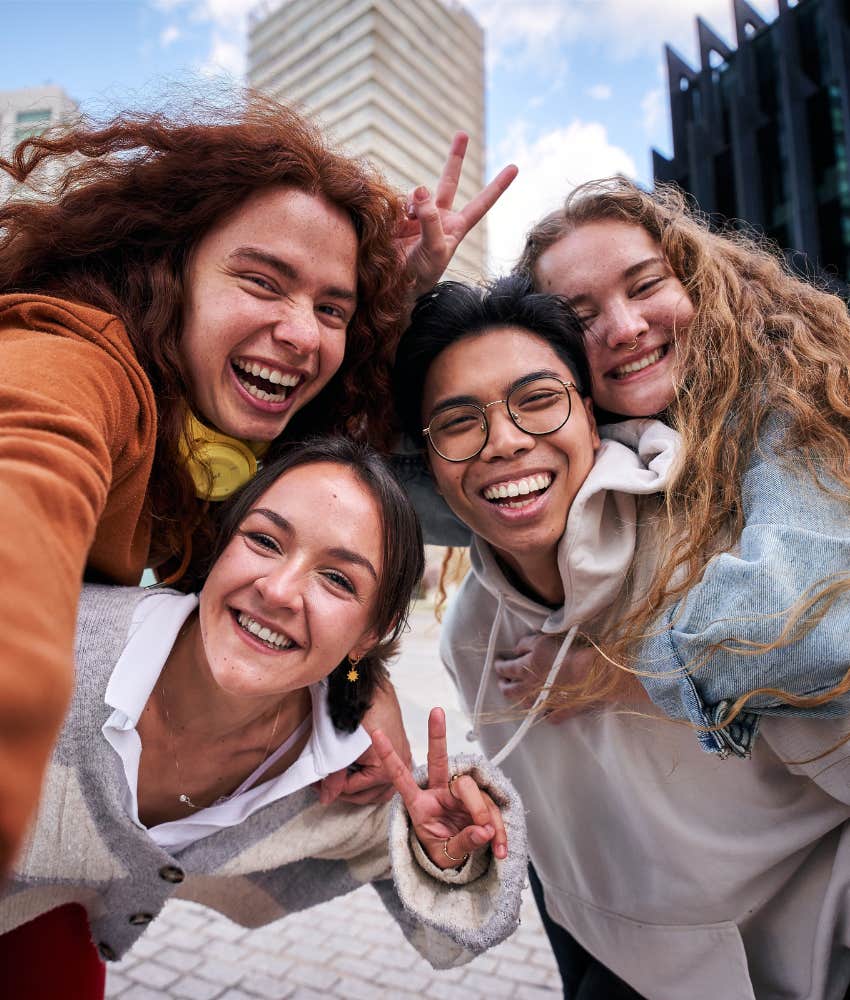
The people you hang out with influence every part of your life. If your friends are all party animals who rave until 5 AM, you may not follow suit, but the lifestyle may still tempt you. And even if your friends are “Instagram addicts,” you don’t need to spend your entire life on social media. Social media connections can run deep, but more often, they create unnecessary drama.
Instead, find healthy ways to get involved in your community to meet new people. It doesn’t matter if you’ve recently moved or just want to expand your circle to include more positive people. When you surround yourself with uplifters, your life will improve.
5. They learn to manage their emotions instead of being ruled by them
Your emotional intelligence determines as much about your ultimate success as your talent and IQ do. If you don’t feel like you need therapy or you don’t have health insurance to cover therapy appointments, try practicing mindfulness meditation.
Why? Mindfulness meditation awakens you to negative thought patterns, which empower you to overcome them. Take a few minutes daily to sit in mindfulness meditation. Observe your thoughts without judging them.
"Refrain from thinking that is limiting and self-defeating," recommended wellness coach Judy Molinaro. "Shut down negative thoughts immediately and replace them with ones that are favorable and affirming. The more you repeatedly send positive messages to yourself, the more confident you will become."
Does each idea have validity? How can you reframe your negative thought patterns to be more positive? With mindfulness, you can turn “I’m a failure” into “I know what not to do next time.”
These five life skills don't belong to one generation. They just tend to get built earlier or later, depending on circumstances. If you didn't learn them in your twenties, that's fine — you can start now. The sooner you build them, the easier your future becomes.
Kate Harveston is a writer who focuses on self-care, self-love, and health and wellness.
