
Kids Raised In The 60s And 70s Learned A Kind Of Civility Many Kids Today Don’t Naturally Develop
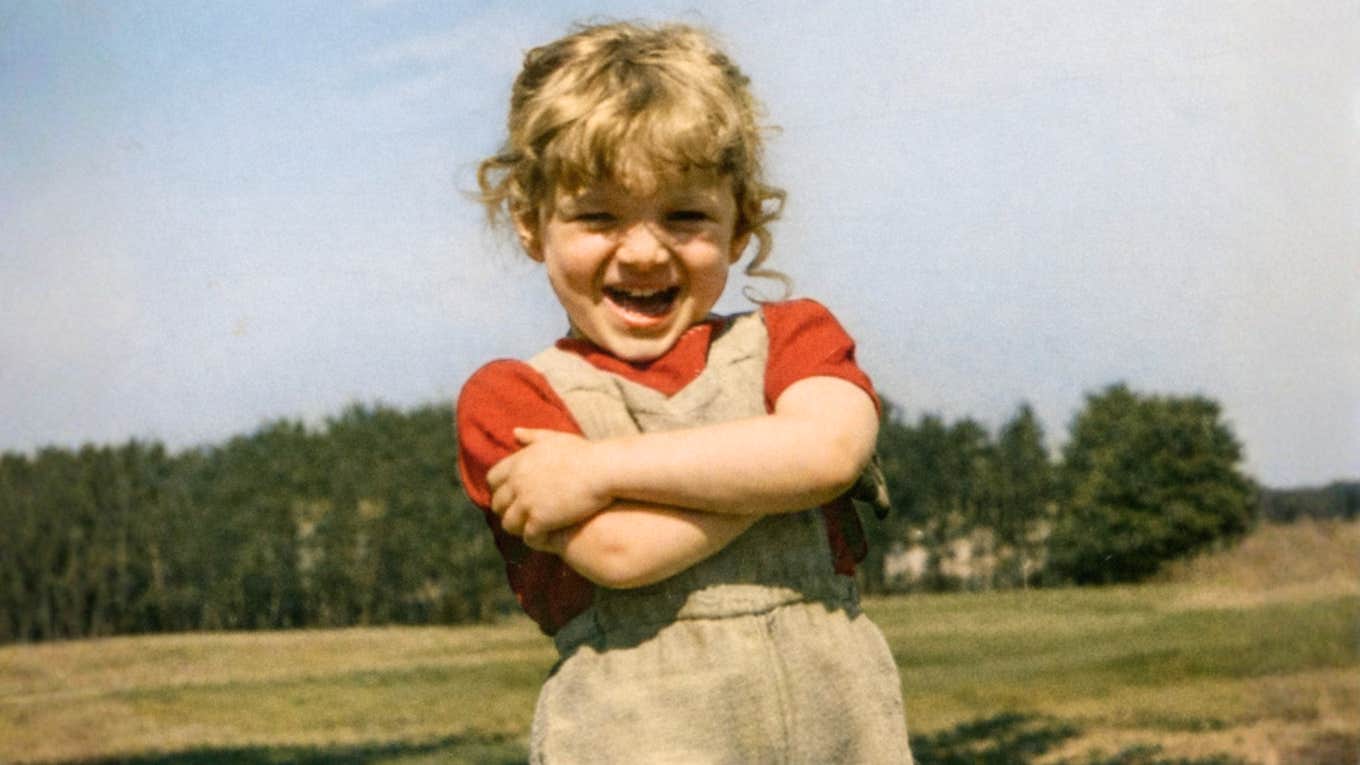 hipokrat | Canva
 As a kid raised in the 60s and 70s, I feel lost in today’s world. Sure, every generation seems to rebel, but I didn’t. I learned a kind of civility that many kids today don't naturally develop, and was content to live in the way we were taught:
- Always consider the impact of your actions on other people before doing them.
- Don’t cheat. Don’t lie. Don’t steal. Don’t take drugs. Don’t drink too much.
- Do the work you are paid to do.
- Don’t be rude to other people.
- Give up your seat on the bus for older people.
- Don’t put other people in a difficult position by asking awkward questions.
- Always give others more than you take for yourself.
- Give others the benefit of the doubt, even if you do have doubts. You don’t need to be right.
- Dress elegantly, neatly, modestly.
- Don’t expect anything from someone else that you wouldn’t give yourself.
Kids raised in the 60s and 70s learned a kind of civility many kids today don’t naturally develop:
1. Kids raised in the 60s and 70s didn't see everything as oppressed vs. oppressor
When our generation was rejected, couldn’t afford things, and couldn’t find jobs, we accepted it. That was life. We tried to find ways around it. Nobody is entitled to anything. My generation knew that. Subsequent generations seem to struggle with that idea.
Of course, if you only read old psychology books, they tell you young people develop resilience from adverse situations, and they learn to cope. However, current studies have shown that using a different approach towards a more sustainable resilience could "enhance decision‐making skills, and promote the development of robust support networks."
2. Kids raised in the 60s and 70s understood that rules served a purpose
 YAKOBCHUK VIACHESLAV via Shutterstock
Younger generations often lack the wisdom to truly lead because many of them don't respect rules. The plethora of rules I grew up with served a purpose. They kept society functioning. Then, somehow, all those rules were increasingly discarded by each successive generation. And now we live in a world where the most dreadful ideologies are dominant, and no doubt, I will be asked in super-aggressive voices what those ideologies are. It feels like young people don’t know anything about the older person they're talking to, which makes me feel lost.
3. Kids raised in the 60s and 70s didn't project and assume
I find the constant projection of kids today horrifying. For instance, I recently wrote a piece on how shocked I was at the hypocrisy of both the political left and right. Neither side showed any understanding of what I was saying. Instead, they projected onto my story what they had heard others saying. This constant projection in any conversation comes from both the left and the right — and seems to be a generational thing.
Yet, research conducted to debunk some of the myths of generations and generational differences found that age and aging as stages of development are more critical than generational similarities. The study basically suggests focusing on how people grow and change over the course of their lives when designing programs and policies, instead of relying on broad generational labels to represent age. As a kid raised in the 60s and 70s, no wonder I feel so lost.
Tessa Schlesinger is a writer who grew up in Africa and then lived in the UK, the US, and various countries in Europe, and brings with her a unique perspective on world events.
Editor's Note: This is a part of YourTango's Opinion section where individual authors can provide varying perspectives for wide-ranging political, social, and personal commentary on issues.
