
People Who Open Windows In The House No Matter How Cold It Gets Usually Have 8 Other Healthy Habits
 Drazen Zigic | Shutterstock
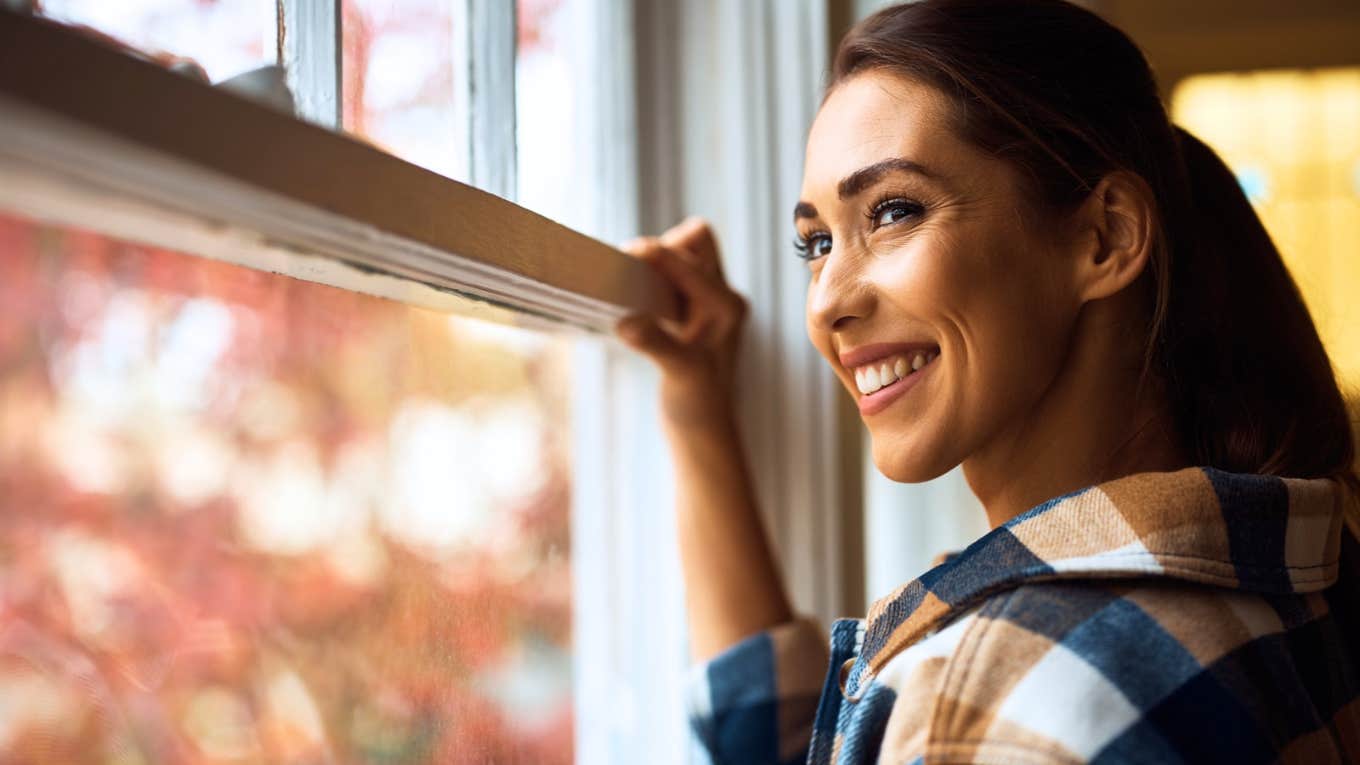
Are you opening your windows in the dead of winter? If you're not, maybe you should be.
Experts like chief science officer Ian Cull argue that outside air is often a lot cleaner than what's indoors. In Germany, airing out the home, known as "lüften," is truly an act of self-care and mindfulness. And the kinds of people opening their windows, no matter how cold it is outside, also have other healthy habits.
Healthy habits of people who open the windows at home, even when it gets cold outside
1. They take their sleep hygiene very seriously
 New Africa | Shutterstock
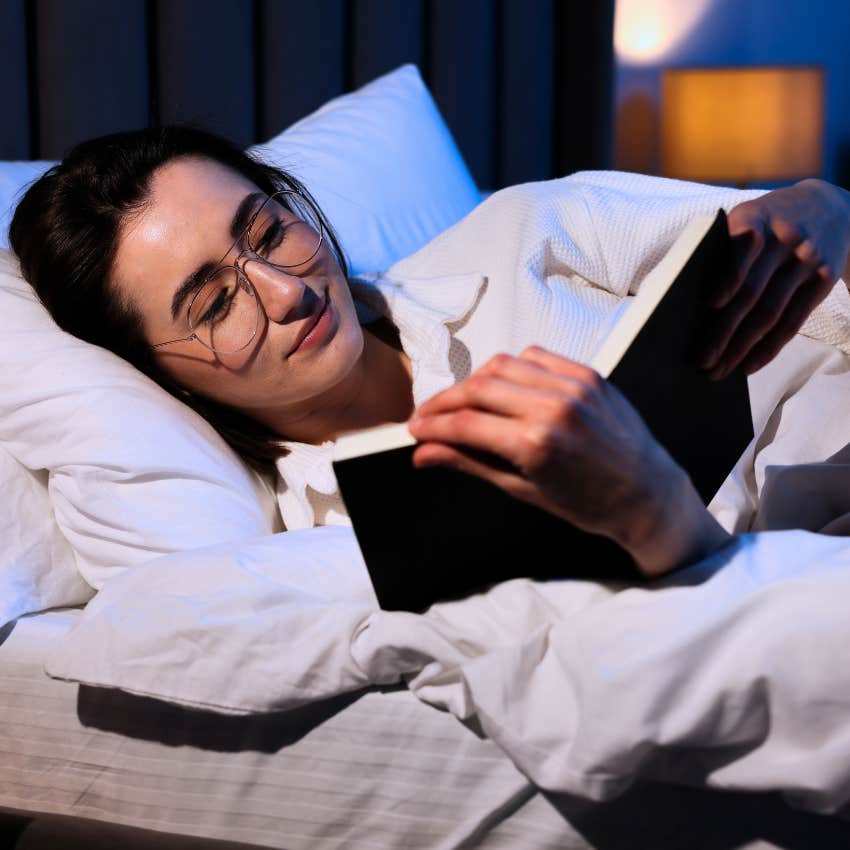
The peacefulness and ventilation that sleeping with open windows offers is great for sleep quality, according to a 2025 study. It might not be completely practical to sleep with open windows in the dead of winter, but a 5- or 10-minute refresh in your bedroom is enough to help you snooze soundly.
"You know that feeling when you've washed your sheets, and they're so clean and fresh?" Yale sleep psychologist Lynelle Schneeberg asks. With this fresh air practice, "it's almost like you're giving yourself that feeling on a daily basis. So I think it's really a great idea."
If you're in a busy part of town where there's always something going on, the sleep disruptions may not be worth the freshness. But for someone who's considering it, the likelihood that they take their bedtime routine and sleep hygiene seriously is probably high.
2. They go outdoors to clear their minds
When things get too overwhelming, people who take their well-being seriously use the power of being outdoors to their advantage. They're airing out their homes in winter because they know just how wonderful natural light and fresh air can be.
"Nature also frequently provides positive images for meditation," physician Dr. Wayne Jonas explains. "Just as winter turns to spring, one's self-healing capacity can move from sickness into health. The restorative quality of nature and your own body is an important image to hold onto throughout your health and wellness journey."
A BMC Geriatrics study even found that, especially for older people, living in places with better air quality and ventilation means being at less of a risk for depression and mental health issues. There's power in fresh air, whether you're bringing it into your home on a regular basis or stepping outside to clear your mind.
3. They appreciate the little moments of mindfulness
When sitting by a window to watch the trees outside and doing something meditative for just 10 minutes have such a positive impact on your life, why wouldn't you make space for them? People who understand the power of noticing the little things learn by doing them, but some just don't realize what they're missing.
You have to imagine that the people who are airing out their homes in winter know something that we don't, and it might be true. They can appreciate things like fresh air, which we experience daily but rarely feel gratitude for.
They know how to slow down enough to be in the present moment, and their ability to see the beauty in what's happening around them makes all the difference in their happiness.
4. They can make anything cozy and comfortable
There's nothing comfortable about living your typical routine in the middle of winter with your windows open, unless you live somewhere that never gets below a certain temperature. But that doesn't mean people embracing this practice aren't finding ways to get cozy.
No matter where they are or who they're with, they find a way to protect their well-being. They're cuddled up with a blanket and a comfort movie, with a warm mug of tea to sit by a window.
They're the last people to say "that would never work" or "I'd never do that," and it's that kind of openness that allows them to find success without getting stuck in stagnancy.
5. They're willing to take the unconventional route with self-care
 DimaBerlin | Shutterstock
Self-care is great. In today's society, it's also been spun into an overconsumer's dream. There are a million things people tell you to buy, and everything feels like an investment.
In reality, the best kinds of self-care are inexpensive and available at home. Things like calling a friend or taking a bubble bath are great, and with the right mentality, you can feel better without spending anything.
People who open windows at home may not realize it, but they're pushing back on toxic self-care culture, instead finding space for it in healthy ways. Even if they're not aware of all the benefits of fresh air, they feel better.
6. They sit with their emotions instead of running from them
To grow and evolve into our best selves, we have to be willing to tolerate discomfort. It's the foundation for learning from mistakes and stepping outside of our comfort zones. And yet, so many people avoid it to seek instant gratification and convenience.
"Every time you dodge a challenge, you send your brain a message: I can't handle this. And your brain believes you. Avoidance doesn't protect your confidence; it erodes it," bravery coach Jill Schulman says. "The more you insulate yourself from struggle, the more fragile you become. Your belief in your capability shrinks. Your sense of agency fades."
People who embrace discomfort in little ways for their greatest good, like cleaning their homes by opening the windows, are probably also tolerating bigger inconveniences, like sitting with a complicated emotion. They don't run from challenges because it's easier to.
7. They don't pressure themselves to multitask
People who open their windows to create pockets of mindfulness are the ones who avoid multitasking. They take pride in being able to slow down and avoid the fake sense of urgency.
We like to believe and often do think we are more productive when we're multitasking, but it's all an illusion. We actually overload our minds when we're balancing different tasks, and the switching that comes from multitasking only sabotages our energy and productivity.
"It's not about forcing stillness or emptying your mind like a meditation app might suggest. It's about making yourself fully available with every cell of your body," researcher and professor Jan Bonhoeffer says about embracing slowness. "When you drop your pre-sense of what's coming, you stop living as a particle bound to the clock and start resonating as a wave — open, attuned, receptive."
8. They avoid using a busy schedule as a distraction
 AYO Production | Shutterstock
Being at home with open windows often means staying put. You can't just leave them like that all day and keep a busy schedule. While some people will carve out a few minutes in between commitments to enjoy the air, most people are living a slower life when they create practices like this.
Instead of filling their social calendars and avoiding alone time with busyness, they appreciate their own company. A balance of socializing and this kind of solitude is important for everyone, but for these folks, making time for the latter isn't a chore.
Zayda Slabbekoorn is a senior editorial strategist with a bachelor's degree in social relations & policy and gender studies who focuses on psychology, relationships, self-help, and human-interest stories.
