
Gen Z, Millennials, Gen X & Boomers Have Very Different Ideas Of What It Means To Be Patriotic
 Polonio Video | Shutterstock
 Younger generations are much less patriotic than Gen X and baby boomers in the United States, at least according to a Pew Research Center study.
It’s really no surprise that Gen Z and millennials have totally different ideas of what it means to be patriotic than Gen Xers and boomers. They grew up in a different time and hold entirely new priorities. Ultimately, that shapes their appreciation for their country on a collective level.
Patriotism has different meanings for each generation:
Boomers and Gen X view loyalty, tradition, and respect as ‘patriotic’ traits.
For many older generations, respecting traditions and being loyal to the country, whatever that looks like on a personal level, is the key to patriotism. It's only right to respect what’s been sacrificed to build this country, and that's integral to appreciating the fruits of the American Dream by working hard.
 Tim Gray | Shutterstock.com
While it’s easy to sum up patriotism as a love for your country, the truth is that, especially in the United States, it’s actually a sum of a ton of different emotions and experiences. For a lot of older generations, the culmination of all these things crafts an important social belonging that’s foundational to their identity
Of course, differences across generations around what it means to respect your country and be a patriot create tension. It feels like an attack on that sense of belonging that’s so pivotal across generations, especially in such a polarizing time in our culture.
Younger generations express patriotism through change and challenge.
With educational shifts and social turmoil, it’s really no surprise that younger generations are less patriotic. Yes, older generations were taught a more America-positive mindset in school, but thanks to technology, millennials and Gen Z have access to all kinds of information that shapes their political perceptions.
While it’s certainly not solely a generational difference, with influence from party orientation and social identities, including class, upbringing, race, gender, and other factors, someone’s age and the social environment they were raised in shape how they perceive their country.
 Ladanifer | Shutterstock.com
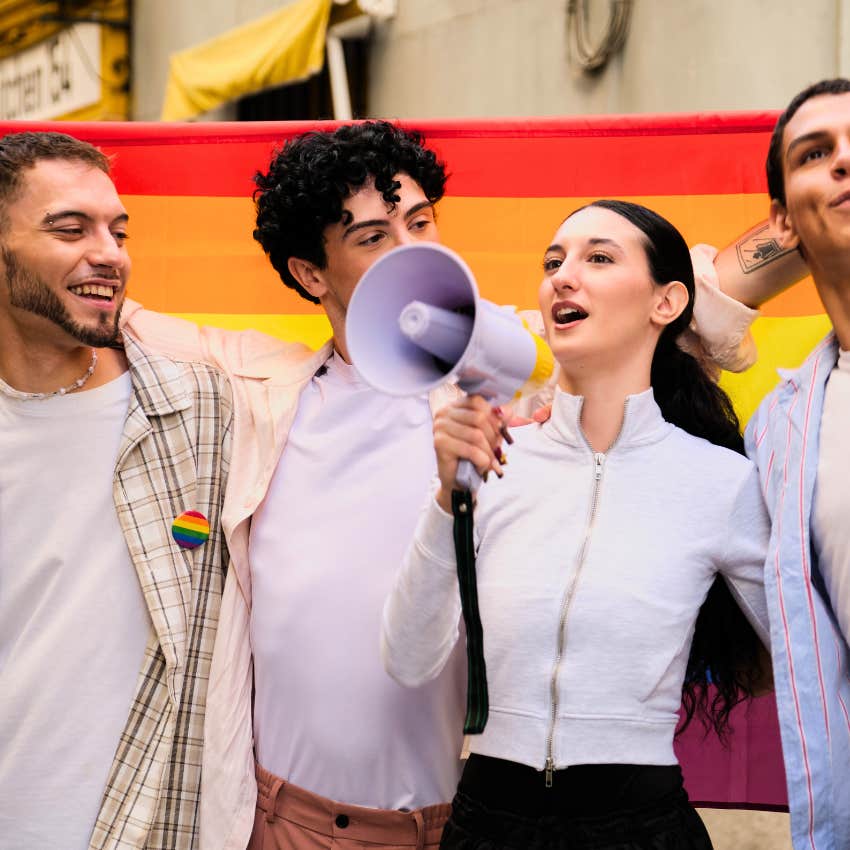
Gen Zers and millennials take a more constructive approach to patriotism. Many still love and appreciate many things about their country, but feel that things need to change. While advocating for change may seem disrespectful to older generations, for young people it’s often their way of expressing patriotism.
Young people are still voting, despite being unhappy with the justice and political system. They’re still participating in society, despite wanting certain norms to change. They’re still engaging in social communities, despite being bred for disconnection. It’s clear they care about their country, but often through a much different lens than other generations.
Patriotism is about much more than someone’s age or generation.
As experts at the Progressive Policy Institute explain, the last couple of decades have led to widespread disillusionment across age groups. But it’s not just about what generation someone’s in.
Unsurprisingly, it’s daily life experiences that shape their understanding most. Specifically, someone’s income and class. Add to that their upbringing and social community, gender and race, and the entire political and patriotic landscape changes.
It’s all intersectional, with party affiliation playing a significant role. When we can agree on and understand this unique picture of someone’s relationship with their country, we can start leading with empathy, rather than defensiveness and division.
Understanding the difference between constructive and blind patriotism may be our path to understanding.
Despite differences in opinions, values, and identities, there’s a path to understanding between young people and older generations, despite what social media discourse suggests. As a study in the journal Political Psychology explains, the type of patriotism people adopt shapes how protective and defensive they become.
 GBJSTOCK | Shutterstock.com
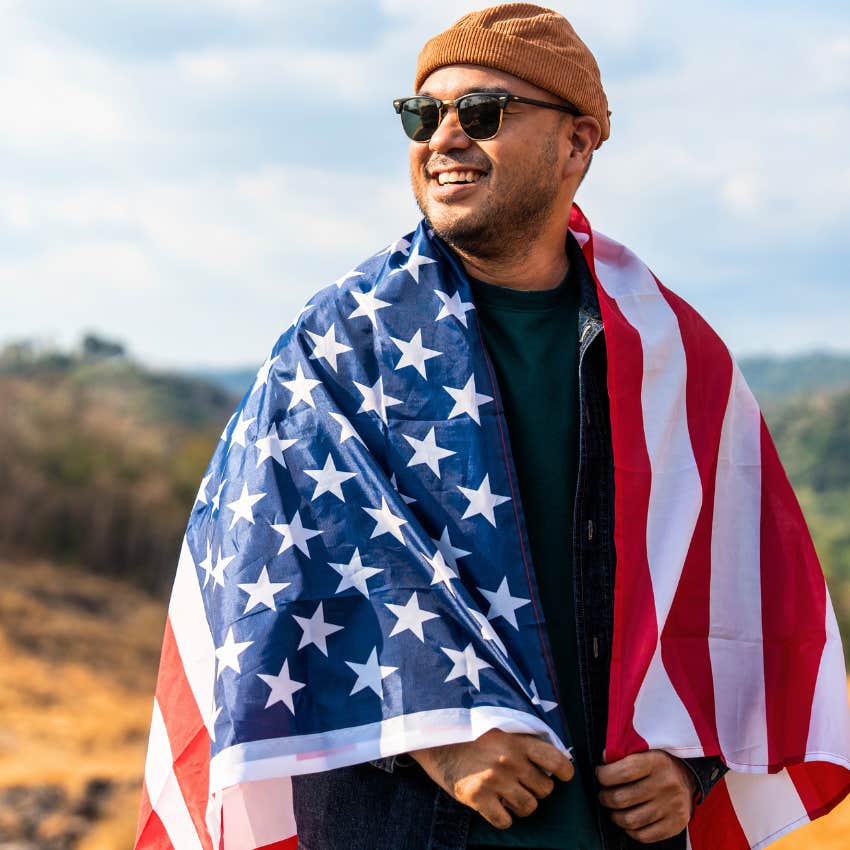
Some people are blind patriots, unable to accept criticism and with an unquestioning sense of loyalty. Others are constructive patriots, the kind of people who love their country, but are willing to advocate for change to make it better.
Yes, a better country looks different for everyone, but the polarization we’re experiencing right now could be partially healed with more constructive patriotism and respect for everyone’s unique circumstances, rather than traditions that serve only some groups.
It’s a touchy, sensitive topic in our country today, but that doesn’t mean that there’s not room to mend and heal the divide we’re all experiencing.
Zayda Slabbekoorn is a senior editorial strategist with a bachelor’s degree in social relations & policy and gender studies who focuses on psychology, relationships, self-help, and human interest stories.
