
Gen Z, Millennials, Gen X & Boomers Have Very Different Ideas Of What Makes A Good Gift
 Prostock-studio via Canva Pro
There's often a warm glow that follows giving a gift, according to science director Emiliana Simon-Thomas. It sparks the reward centers in our brains. But not everyone gives gifts the same way or can agree on what makes a good present. Generationally, the way people show their love and appreciation through gifts looks wildly different.
Gen Z, millennials, Gen X, and baby boomers have their own different ideas about what makes a good gift:
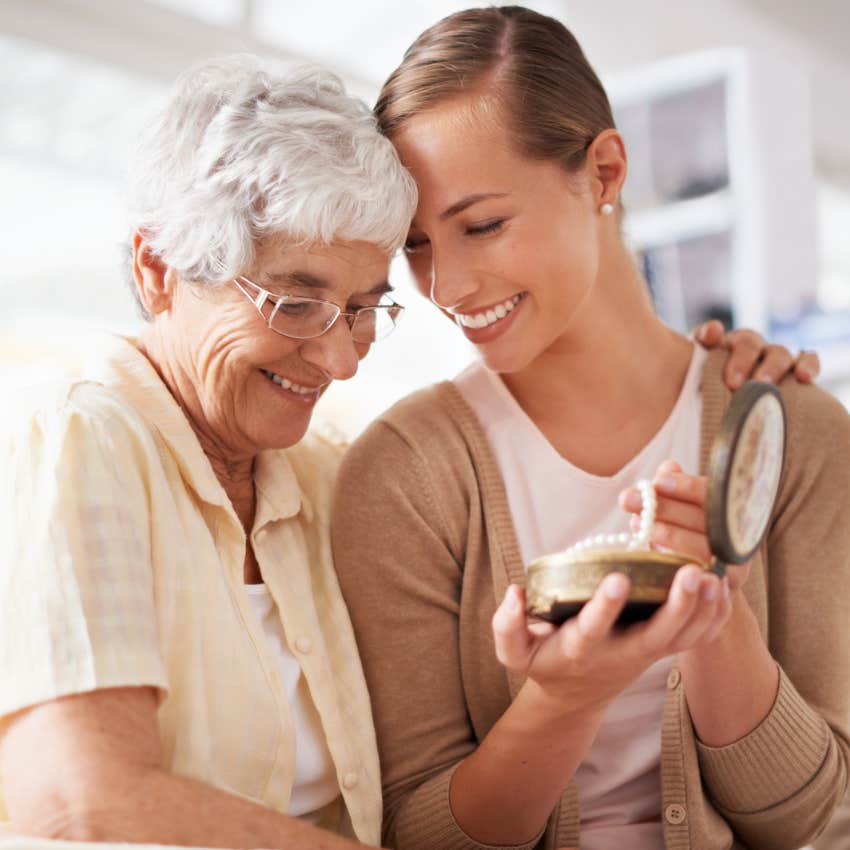
Boomers are sentimental, passing down family heirlooms and investing in lifelong items
Boomers are known for their family values. And while their Gen Z grandkids and family members may not appreciate all the ways they show their love, they're still determined to protect that legacy.
Their gift-giving behaviors reveal these values, with family heirlooms being a big part of how they show their respect to people in their families.
 PeopleImages from Getty Images Signature via Canva Pro
With a heart for generosity and charitable giving, they also spend a lot of money on causes they believe in. It's not just about material things, but investing in long-term organizations that do good on their behalf.
As a 2012 study suggests, boomers may give because it makes them feel good. But they're also social, community-oriented people who are intentional about sharing the wealth in whatever way that looks like for them.
Gen Xers are pragmatic and practical, and their gifts are the same
According to a paper from UCL Centre for Longitudinal Studies, more Gen Xers than ever are concerned with protecting their health than building their wealth.
But that doesn't mean they're going to spend hundreds on a flashy gift just because money is less important.
 fizkes from Getty Images via Canva Pro
In fact, they're probably going to lean the other way, helping others protect their well-being with practical gifts.
As the latchkey generation who were self-reliant and essentially raised themselves, they're all about buying things that make life a little bit easier. It's not about giving people shortcuts to hard work, but offering them tools that help them optimize their time.
Millennials lead the way for digital gifting and cash
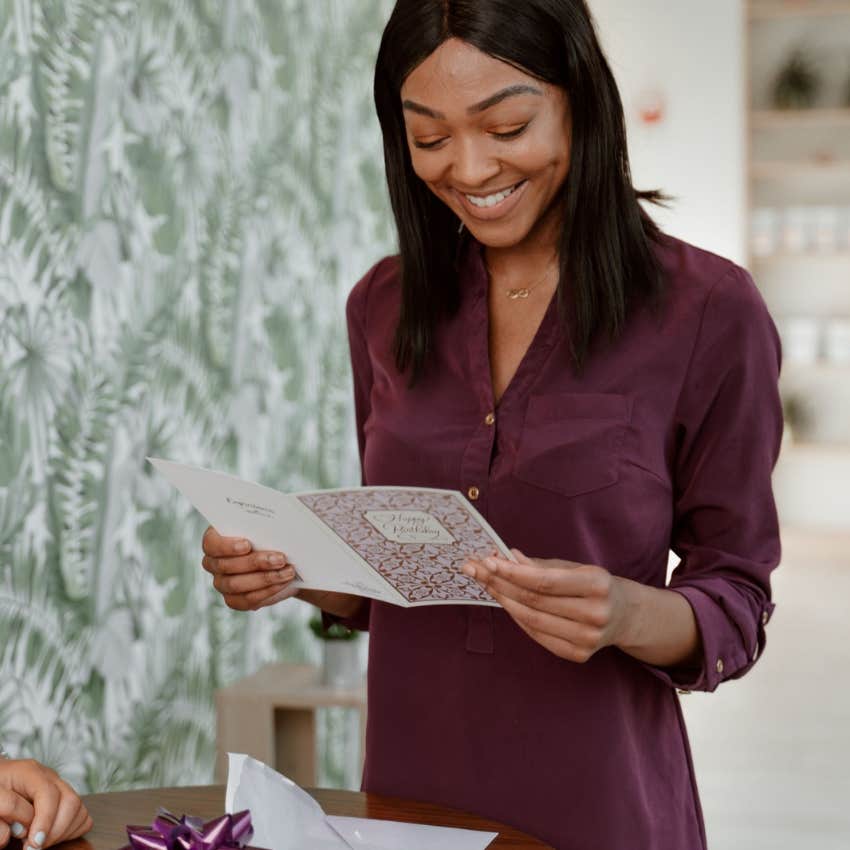
With many younger generations struggling financially, it's not shocking that most prefer cash for the holidays or their birthdays more than traditional wrapped gifts.
If there's a chance they're not going to use or enjoy what someone else picks for them, they'd prefer a gift card or cash in an envelope.
 RDNE Stock project | Pexels
The same mentality applies to their own gift-giving behaviors. According to a Wells Fargo survey, 28% of millennials prefer to give digital gifts, compared to only 7% of baby boomers.
It's easy and convenient for them, but it also gives people the freedom of choice. They don't have to worry about giving a bad gift. When they give a gift card or send someone money on Venmo, they can choose what they want.
Gen Zers feel pressured to give gifts that rely on crafting and sentimental value
Around 40% of Gen Zers are planning to buy gifts for people they don't even like, according to a survey commissioned by Beyond Finance. Another 62% are caught in a holiday spending spiral.
So, despite being the generation that's collectively known to invest in experiences, sometimes with money they don't have, their gifts are often rooted in practicality and frugality.
 Yan Krukau | Pexels
That's part of why Gen Zers are turning to gifts they can make themselves or make sentimental to avoid overspending. Their guilt might affect how and who they give gifts to, but their forced frugality decides what those gifts actually are.
If they're going to get through the holidays without spending money they don't have, they have to get creative. So, if you get a crochet gift from a Gen Z friend in your life, there's a reason.
Zayda Slabbekoorn is a senior editorial strategist with a bachelor's degree in social relations & policy and gender studies who focuses on psychology, relationships, self-help, and human interest stories.
