
Gen Z, Millennials, Gen X & Boomers Have Different Opinions On The Chores They Can't Stand
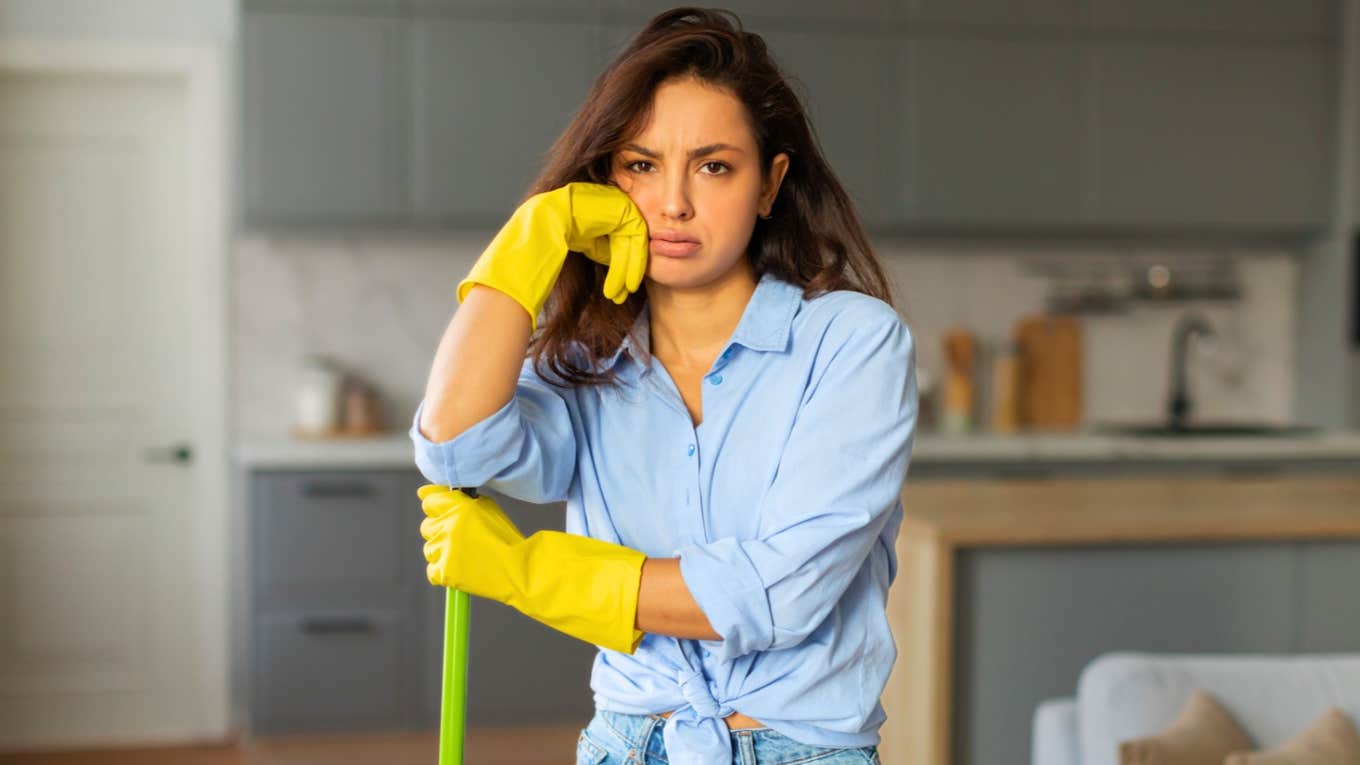 Photo Editor: Samantha Mafucci | Photo: Prostock-studio, Shutterstock
The average person spends at least one hour on housework per day. For some, it feels like another full-time job. And for each of the different generations, based on the way they grew up, some of those responsibilities are more disliked than others.
There's a generational divide in the things we despise. Out of all the household responsibilities, Gen Zers, millennials, Gen Xers, and boomers can't stand very different things.
Household responsibilities the different responsibilities hate doing the most:
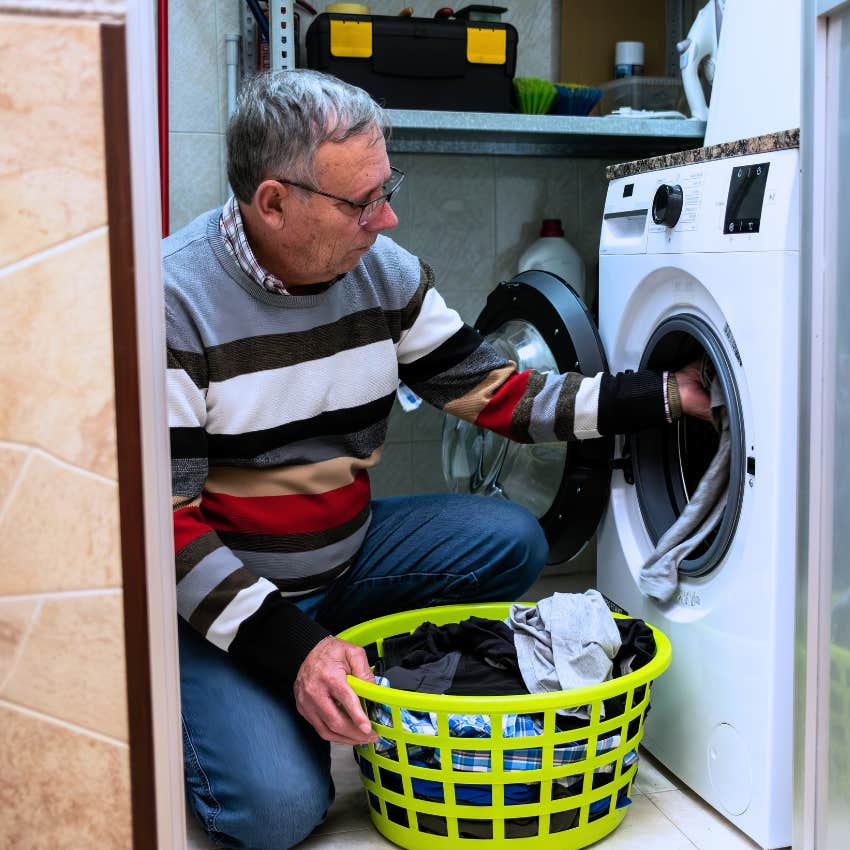
Boomers hate overly physical and demanding chores
Because they're more likely to do these demanding tasks more regularly than other generations, and because of the slow effects of aging on physical labor, chores like yard work and deep cleans are a boomer's least favorite thing to do.
 Manolines | Shutterstock
Household labor can sometimes help aging people keep up with physical activity, according to a study published in BMC Geriatrics, but it can also quickly become a burden.
Compared to younger generations who focus more on immediate, surface-level chores and avoid deeper cleaning or organization, older generations' commitment to this routine can become draining, as their bodies require more rest.
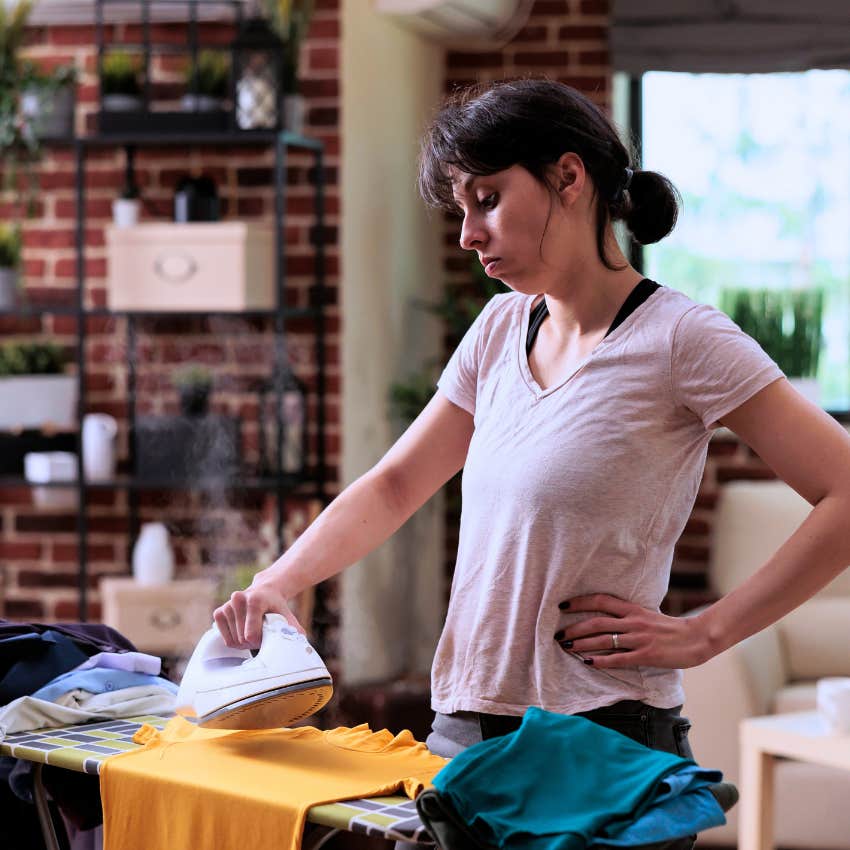
Gen Xers dislike typical chores like laundry and cleaning bathrooms
Gen Xers from the latchkey generation are perfectly capable of handling their chores and household labor without complaint, but there's nuance to their free time and the way they live their lives.
 DC Studio | Shutterstock
For Gen X women, who tend to do more household labor and childcare than male partners, the chores they're left to do either build resentment or give them the alone time they need.
They can handle it all and have the self-reliance to get through their to-do list. But there's a big difference between having to mow the lawn in cold weather and being able to finally watch your favorite show on TV with a basket of laundry to fold. It's all circumstantial.
Busy millennials can't stand having to organize their time and opt for quick fixes instead
According to an American Cleaning Institute survey, most people yearn for the fresh start of a clean space. More than 70% of respondents even suggest that being able to enjoy a clean and decluttered home benefits their well-being.
 Africa Studio | Shutterstock
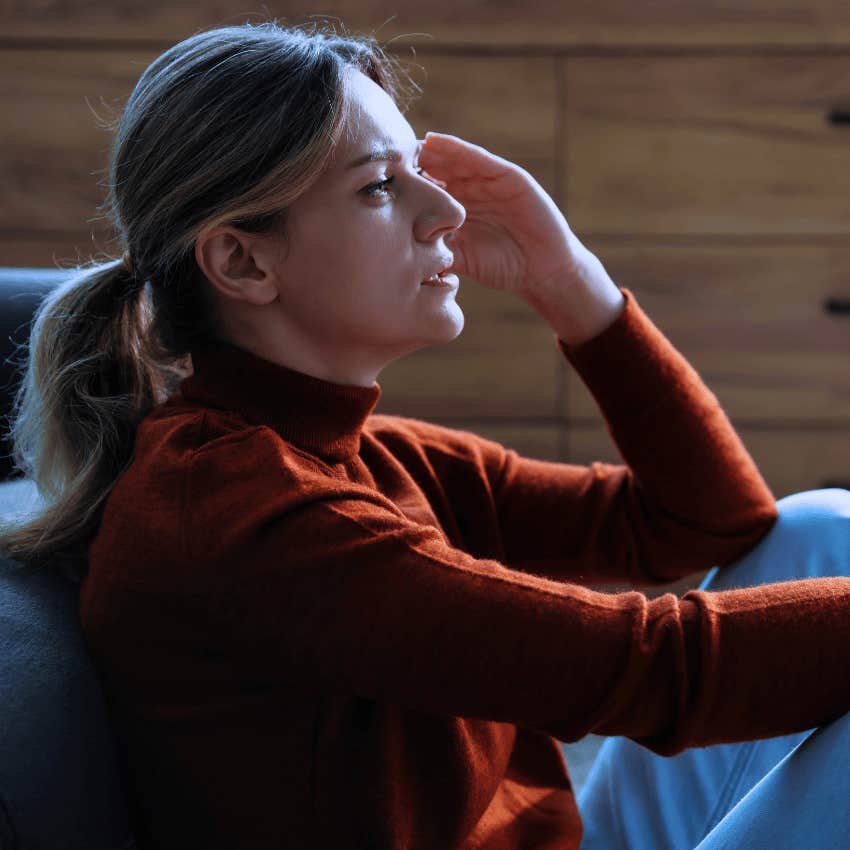
But for millennials who are in the throes of adulthood, many struggle to find the time to take on bigger organization projects. They will certainly clean the counters and vacuum, but other disasters like a junk room or a basement filled with kids' toys are being left untouched for a lot longer.
Despite being completely overwhelmed by stress and needing relaxing spaces at home, many of these bigger cleaning responsibilities get pushed down so they can find immediate relief.
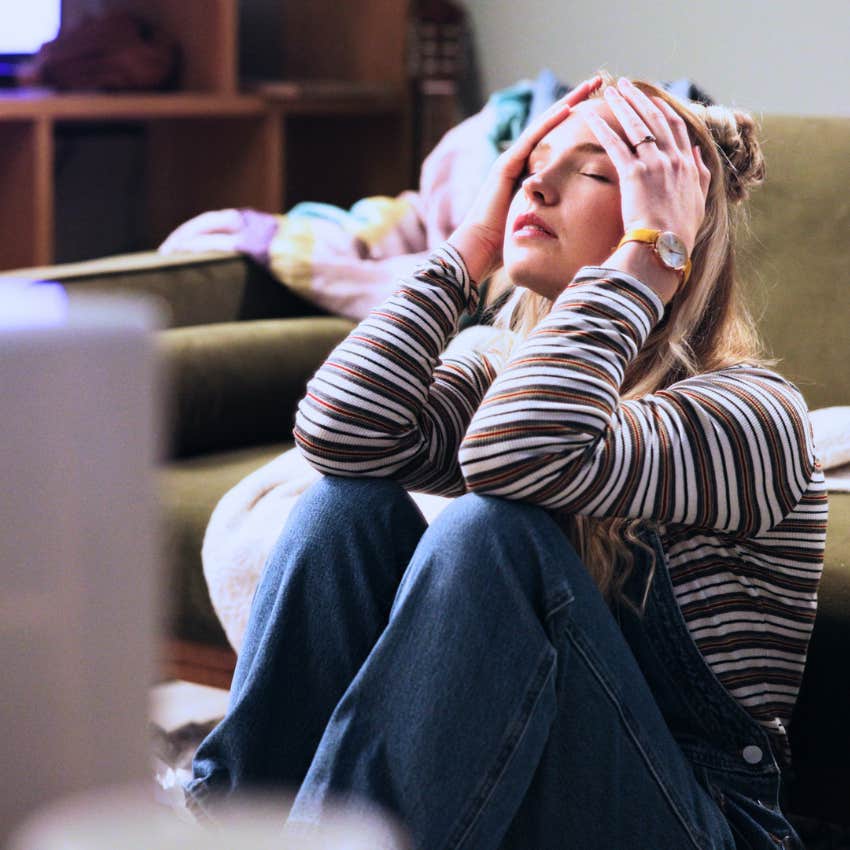
Gen Zers despise it all, with a protective mentality around their free time
Gen Zers are struggling in a lot of ways. They're financially stuck, with many still relying on their parents for support. They're missing third spaces and community.
That's part of what fuels their protection of leisure time. It's one of the only things that gives them satisfaction, at least according to a 2026 study.
 PeopleImages | Shutterstock
That means there's a laundry list of chores they really hate doing, but this desire to protect their time also seeps into other parts of life, like the workplace. Other generations tend to dismiss it, calling on the life lessons they've learned as evidence that young people need more hardship.
But there's something we could all learn from them. "Instead of complaining about their attitudes, unprofessional conduct, and disrespect, we should look for any kernels of truth and foresight into the future," leadership expert Tim Elmore says. "It's easy for older generations to assume the world is getting worse."
Zayda Slabbekoorn is a senior editorial strategist with a bachelor's degree in social relations & policy and gender studies who focuses on psychology, relationships, self-help, and human interest stories.
