
Gen Z, Millennials, Gen X & Boomers Have Completely Different Ideas Of How To Behave At The Airport
 Irina Shatilova | Shutterstock
 Airport etiquette is a hot topic, but not everyone believes the same habits and practices are normal.
Between Gen Zers, millennials, Gen Xers, and baby boomers, each has specific habits that make their travel experience unique. And while there's often tension between these different generations in any social setting, the airport can be a considerably stressful time for them to cross paths.
How you should behave at an airport, according to each generation
Boomers expect formal dress and traditional social etiquette
Many boomers grew up during a period of time when airplane travel was a luxury.
They were socialized into dressing up for travel on vacations or wearing work clothes for professional trips. That's in direct contrast to many of their younger counterparts today.
 Rawpixel.com | Shutterstock
In what is often perceived as entitlement to other generations, boomer passengers also value respect and traditional social etiquette while in the airport. They may talk on the phone on the airplane to pass the time. They may expect to be let off the airplane first or to board early for convenience.
It's not spiteful. It's just the future of access they expected while aging, especially from what they witnessed as kids and young adults.
They're traditional in other ways too. They prefer to print their boarding pass instead of using a mobile one, and even read the printed magazines and other media as a form of entertainment in the terminal.
Gen Xers value independence and ease
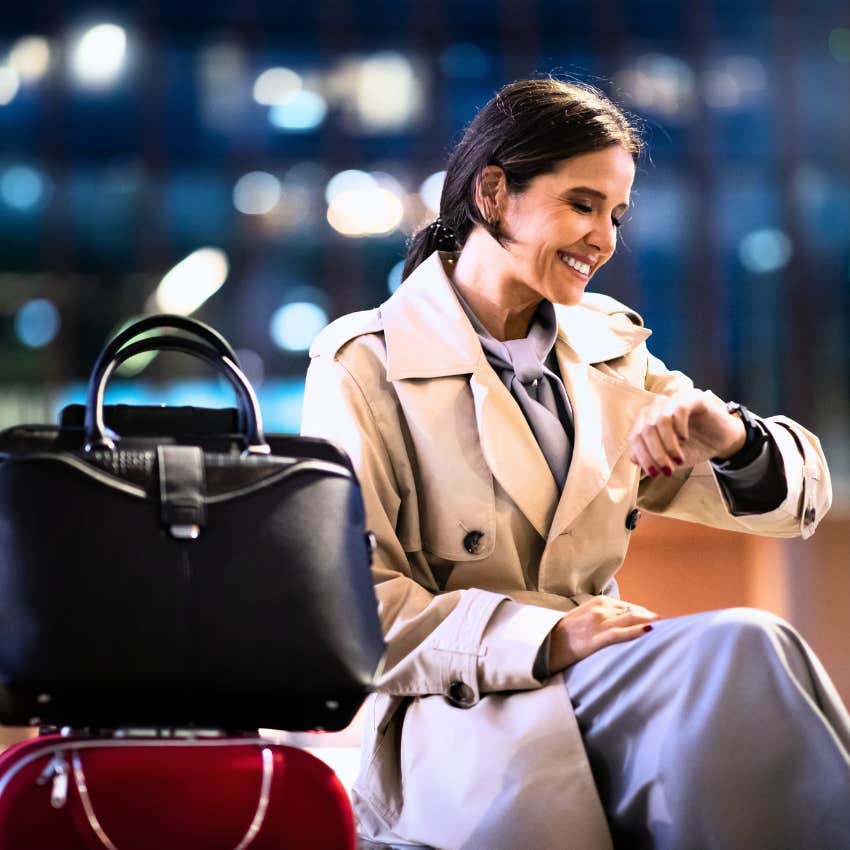
Gen Xers are surprisingly, in comparison to other generations' collective values, quite low-maintenance at the airport.
Yes, a Gen X dad might want everyone to get there four hours early, just in case their family is in the habit of running late. But once they're checked in, they're all about ease and independence.
 Prostock-studio | Shutterstock
Whatever is most practical is what suits Gen X the best, even if that means wearing comfortable clothes and using a digital boarding pass, or packing meals for the flight to avoid seriously upcharged convenience foods.
With the mentality that they're earning vacation time away from work, and even taking more rest-centric trips alone, they want things to be easy.
Millennials focus on preparedness and pre-flight rituals
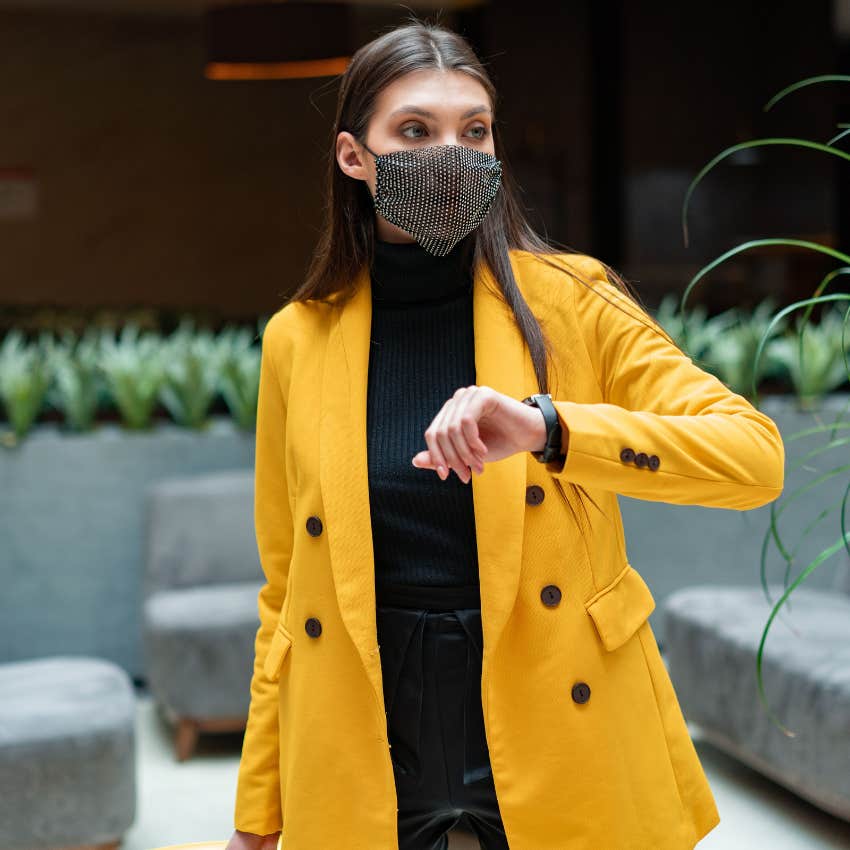
Because millennials are incredibly anxious for the most part, traveling can become something obsessive for them. While they want a good airport experience, they also want to stay ahead of the curve in case something pops up.
 Mikhail Nilov | Pexels
Whether they're constantly refreshing their airline app or keep taking out their passport or ID, they're extremely vigilant about having everything ready to board. They stay on top of their flight, and regularly check the status of their luggage and when to head to the gate.
But even if they're a bit stressed about being at the airport, they also stick to their pre-flight routine. They'll have a morning mimosa or cup of coffee, and snack on the food they brought to save money. And when it's time to board, they're the first in line.
Gen Zers are tied to digital convenience and comfort
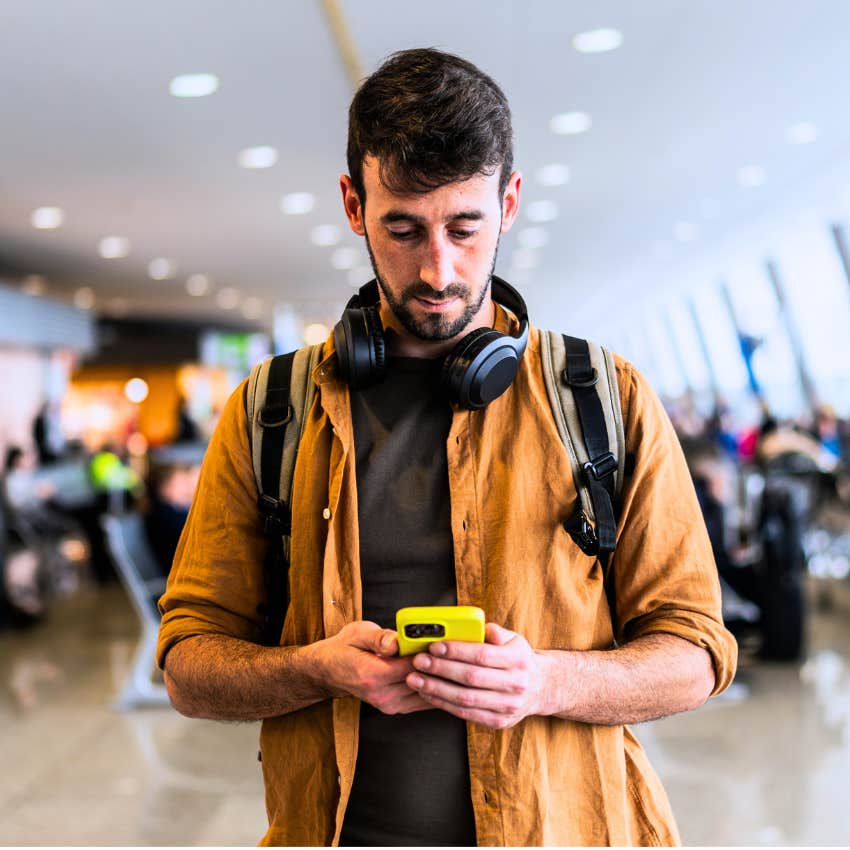
Many Gen Zers, despite using travel and vacations as a way to seek out new experiences, tend to keep to themselves in the airport.
They appreciate having devices for entertainment and wearing comfortable clothing to sleep on planes, compared to boomers and older people who are more social and chatty.
 Marti Rossello | Shutterstock
Unlike people with old-school expectations for airplane travel, Gen Zers are more than happy to wear sweatpants to the airport. While they're also practical, they value their personal time and aren't in the business of showing up hours early.
Even if that means cutting it close and sometimes bothering other passengers by rushing through the terminal, they'd prefer to protect their personal time than to spend all day waiting around in an airport.
Zayda Slabbekoorn is a senior editorial strategist with a bachelor's degree in social relations & policy and gender studies who focuses on psychology, relationships, self-help, and human interest stories.
