
Gen Z, Millennials, Gen X & Boomers Have Completely Different Ideas Of What Makes A Neighborhood Good
 Photo Editor: Sabrina James, YourTango | Photo: Andy Dean Photography, Canva
Homeownership is a huge part of the traditional American Dream, along with the white picket fence and two-and-a-half kids.
The white picket fence has gone out of fashion with younger generations, and so has the concept of the traditional American Dream. That includes what counts as living in a good neighborhood.
What living in a good neighborhood means to each generation
While each generation continues to dream of homeownership, if they're not homeowners already, that dream, of course, includes living in a good neighborhood. However, living in a good neighborhood is completely subjective to the person, or in this case, the generation as a whole.
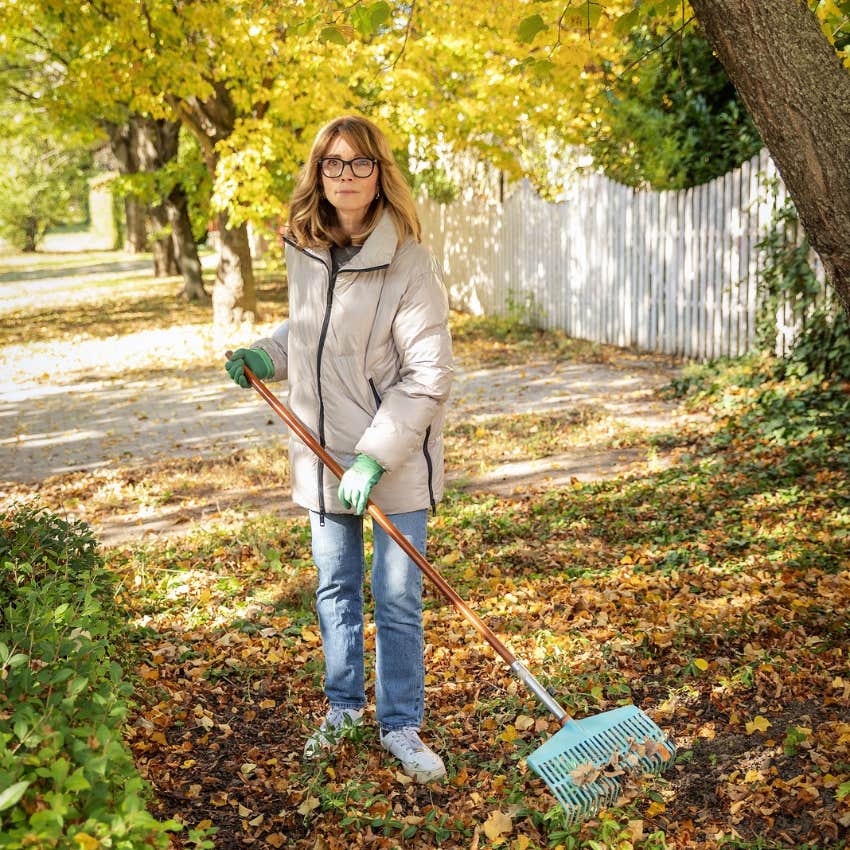
Boomers prefer secluded cul-de-sacs with a real suburban feel.
 Kinga | Shutterstock
Baby boomers, a generation of people born between the years of 1946 and 1964, are interested in living a quiet life for their retirement. This is why they prefer to live in cul-de-sacs.
According to a survey by the National Association of Home Builders Economic Research blog, 80% of boomers prefer living on a dead end over streets with "efficient traffic flow."
Going further, the survey found that 70% preferred that the neighborhood was classed as "typically suburban." That means the houses would be single-family detached homes. Their other preferences included being close to basic necessities like a supermarket and a designated park area with walking trails.
Basically, boomers think of the perfect neighborhood as one you might imagine from an episode of "Lassie." It's not crowded, but not sparse, and it's all very picture perfect.
Gen Xers are interested in bigger homes in the suburbs but only if they're a good investment.
Generation X is not too far behind the boomers when it comes to wanting the peace and quiet to relax for retirement. The oldest of Gen X are turning, or have turned, 61 this year, so they're only a few years from retirement, while the youngest still have a few years left to go but are definitely looking forward to slowing down.
New Home Source found that Generation X has a preference for single-family homes in the suburbs just like boomers.
Rose Quint, assistant vice president for survey research for the National Association of Home Builders in Washington, DC, said, "Gen Xers, even if in theory they want to live in the city, are moving to the suburbs because more of them want a three- or four-bedroom house."
While Gen Xers are moving to the suburbs to get the size of home they want, they're also researching the homes they may buy because they view their home as an "investment for their future retirement," says Kelly Dunn, sales manager of Weaver Homes.
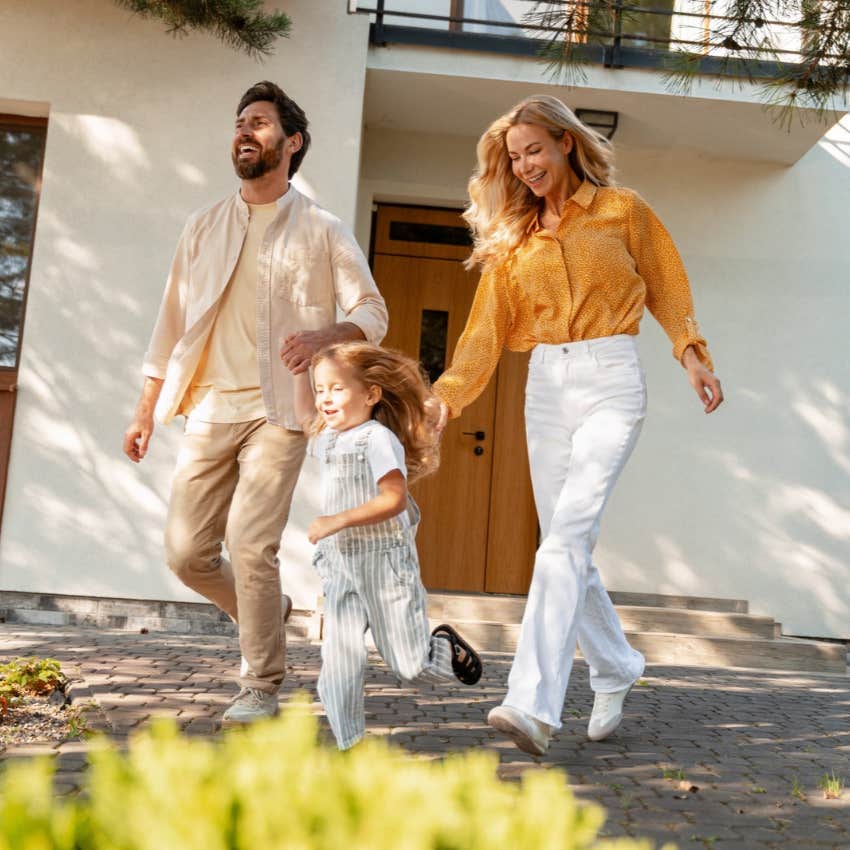
Millennials want a short commute and a neighborhood with good schools.
 AYO Production | Shutterstock
Millennials are the generation of parents right now. Work and children are their entire lives, so where they choose to live will affect not only them, but also their partner and children.
New Home Source found the top five priorities for millennials when choosing a place to live: access to restaurants and retail spaces, neighborhood safety, distance to work, good schools, and walkability.
While Millennials may be the majority of parents in the United States, that doesn't mean they don't still know how to have a good time. The desire to be near restaurants and retail spaces makes sense, since it helps them hang out with friends and have some fun without living in a city.
Millennials prioritize living close to both their work and good schools to save time on their commute and provide a good education for their kids. And of course, it doesn't hurt if their kids, when they're older, can walk to school, too!
Gen Z's biggest concern is having more space and paying less for housing.
Generation Z is an awkward generation of mostly people who are adults and some people quickly approaching adulthood. Many people in Gen Z either graduated high school or college in 2020 and were thrust into adulthood one way or another, barely being able to survive.
Newsweek reported on a study commissioned by Redfin on multi-generational renters and homeowners. They found that 41.4% of Gen Zers want more space as their primary concern and reason for moving.
Beyond space, 25.8% of Gen Zers said they would move for a lower overall cost of living, and 31.5% said they would move for lower housing prices. Gen Z is even willing to compromise their safety, as 23.7% said that they would be willing to live in a less safe area in return for the right house price.
Lyss Micalizzi is a writer covering human interest and pop culture, with a master's in Literature and Culture, a bachelor's in English Literary and Textual Studies, and over six years of writing and social media experience.
