
14 Everyday Habits That Will Help You Relax On A Regular Schedule
Relaxing shouldn't feel like a once-in-awhile reward.
 AntonioGuillem | Canva
 Stress has a way of creeping up on us in an instant. Whether it’s the pressure of an impending deadline, the panic of losing an important item, or worrying about some future events, stress is quick to arise and slow to shake off.
We all know of ways to ease our anxious thoughts — going for a 5-mile run, making some herbal tea, or taking 30 minutes to meditate. But sometimes, when panic is mounting, we don’t have time to do one of these methods.
Sometimes, all we have is a couple of minutes to calm down before we have to face a work presentation, college exam, or get back to running errands. It helps to have some 5-minute techniques to bust stress and relax, so you can fight off anxiety just as quickly as it arises.
Here are 14 everyday habits that will help you relax on a regular schedule:
1. Laugh
This tip is no joke. You might feel a little psychotic at first when you force out a fake laugh or smile, but the ridiculousness of this exercise will have you genuinely laughing in no time. Having a giggle stimulates circulation and relieves tension.
It also fires up the brain and encourages it to calm your stress hormones, releasing positive endorphins instead. According to research from Loma Linda University, laughter has been shown to exert stress-reducing effects by suppressing the bioactivities of epinephrine, cortisol, and dopamine catabolites, and the laughter-induced release of endorphins can help reduce depressed mood.
2. Breathe
 Rido / Shutterstock
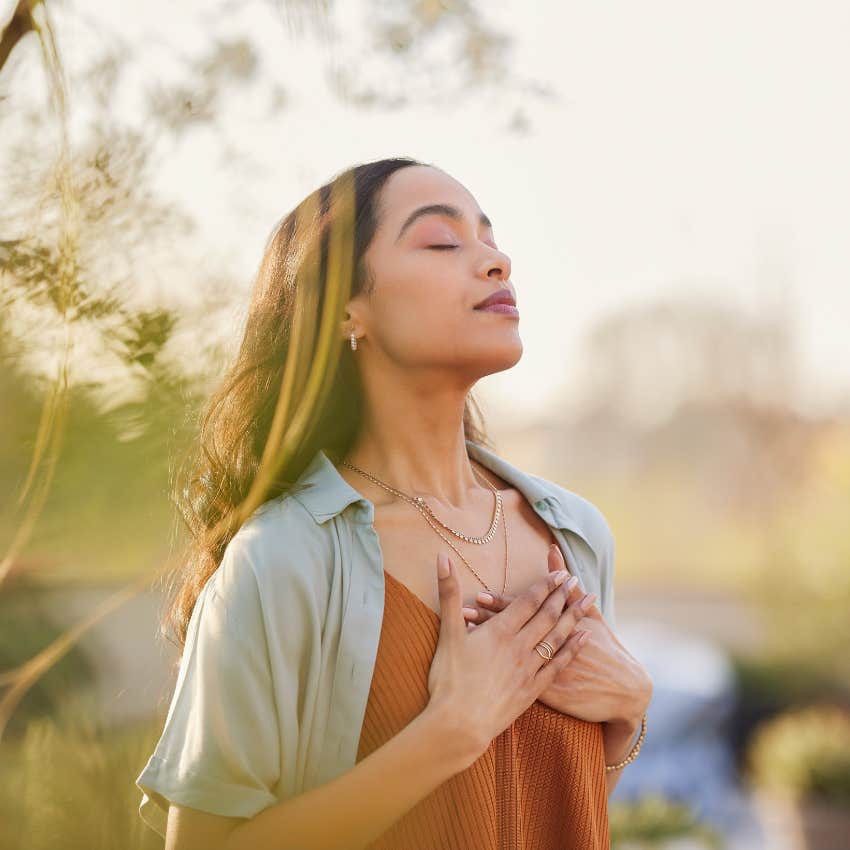
Breathing acts as a pacemaker for our brains, so if you find your mind running wild with stress and worry, it might be time to slow down your breath and concentrate your thoughts. Taking as little as 30 seconds to breathe deeply through your nose and exhale slowly through your mouth will regulate your brain activity.
Researchers at Stanford University discovered a tiny cluster of neurons linking respiration to relaxation, attention, excitement, and anxiety located deep in the brainstem, in what they call the pacemaker for breathing. This small cluster of neurons in the brainstem links breathing patterns directly to areas of the brain involved in arousal, attention, and emotional processing.
3. Vent
A problem shared is a problem halved. Sometimes, when you’re bursting at the seams, desperate for how to de-stress, it can help to share your concerns with someone close to you. Bouncing shared feelings off one another is proven to benefit your emotional state.
Watch out, though — this might take longer than 5 minutes once you get on a roll. It may also help to quickly write down a list of things that are bothering you if you don’t want to tell someone about them.
4. Use aromatherapy
Ever wondered where the phrase “Stop and smell the roses” comes from? Well, turns out nature has a powerful role in relieving stress, and it’s not just roses.
Many people swear by the benefits of aromatherapy and use scents of lavender, geranium, or orange to soothe their minds. Place a bouquet, diffuser, or carry around some essential oils for a quick stress-buster.
5. Chew gum
Turns out your go-to nervous habit might actually work! A 2008 study from Swinburne University in Melbourne found that chewing reduces the stress hormone cortisol in saliva by 16 percent during mild stress and nearly 12 percent during moderate stress.
But the benefits don't stop there. Chewing gum improved mean performance scores over non-gum chewers by 67 percent during moderate stress and 109 percent in mild stress.
6. Scream
A lot of the time, stress builds up — not because we can’t handle things, but because we refuse to let it all out. When you feel an anxious tightening in your chest, sometimes you just need a good scream to let it out.
Primal scream therapy has been a successful form of psychotherapy for anxiety and trauma since the 70s. Grab a pillow or go somewhere secluded and scream as loud as you can to feel some catharsis.
7. Stretch your body
Even if you don’t have time for a full yoga flow, taking a quick moment to stretch out your tense muscles will help invite feelings of calmness. Stretching improves blood flow and circulation, which helps to stabilize the nervous system. Try taking a quick cat-cow pose or touching your toes to destress throughout the day.
8. Play with a pet
It’s no surprise to pet-lovers that our furry friends can cure our stress — and science agrees. Spending a couple of minutes stroking your cat, playing with your dog, or feeding your hamster can relax you and incite feelings of joy.
Marriage and family therapist Lianne Avila agrees, noting that hugging naturally releases oxytocin, the hormone that reduces stress, and it will also boost your levels of serotonin and dopamine. If you don’t have a pet of your own, get out to a dog park and pet some pups.
9. Count in your head
Did your parents ever tell you to count imaginary sheep if you’re struggling to sleep? Mine did, and I still use this technique today to calm my racing thoughts.
Having something neutral to focus on diverts your attention from the factors causing you stress. Counting to 10 and beyond is a popular anger management technique as it calms the mind.
10. Dry brush yourself
Dry-brushing has amazing benefits for lymphatic drainage and cellulite reduction, but also calms anxious nerves. Stroking your skin with a dry brush stimulates nerve endings and activates the parasympathetic nervous system, which triggers a more relaxed state.
Dr. Leslie Korn, a traumatologist specializing in mental health nutrition and integrative approaches to treating mind and body, recommends dry brush therapy to patients with depression and anxiety. She writes that dry brushing is a "safe self-care activity that can be done daily as a way to check in and connect with feelings, sensations, and the boundaries and self-image of the body."
11. Drink herbal tea
 PeopleImages / Shutterstock
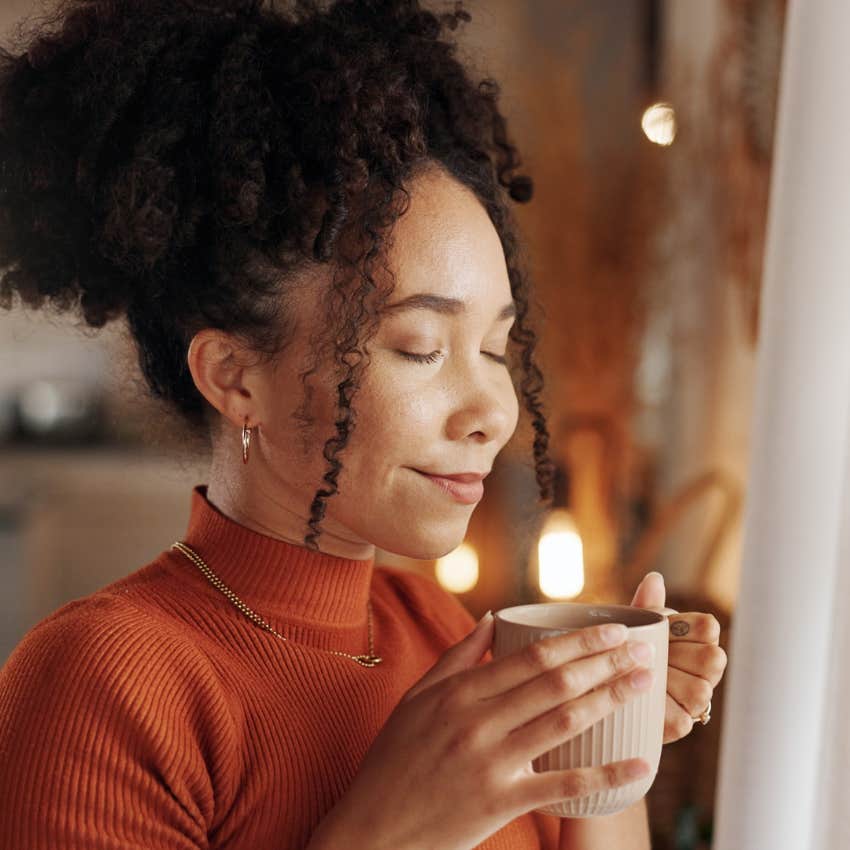
Some teas increase levels of GABA, an amino acid that promotes calm. Chamomile, green tea, and lemon balm tea are popular stress relievers. Black tea can also improve alertness and regulate stress hormones.
A University College London study found that 50 minutes after a stressful task, cortisol levels had dropped by an average of 47 per cent in the tea drinking group compared with 27 per cent in the fake tea group. Participants also reported a greater degree of relaxation in the recovery period.
12. Jog in place
Even if you don’t have time to do a full workout or go for your daily run, taking a moment to get your heart pumping and blood flowing has amazing benefits for relaxation. As life coach Dr. Rana Al-Falaki writes, "When we dance, we raise our vibration. Our energy lightens as we simultaneously release stress hormones and produce 'happy' hormones." The same principle applies to any quick burst of aerobic activity.
Aerobic exercise causes the brain to reduce cortisol levels (a stress hormone) and increases endorphin production, the brain's natural mood elevators. Try some burpees, jumping jacks, or jogging on the spot for quick relaxation.
13. Sing
Singing prompts the brain to release oxytocin, which plays an important role in allowing us to experience pleasure. It also stimulates the vagus nerve, which controls our relaxation response. Even if you’re tone-deaf, we all have an inner Beyoncé, so use those pipes!
According to the Sing Up Foundation, studies have shown that when people sing, endorphins and oxytocin are released by the brain, which in turn lowers stress and anxiety levels. Singing was also associated with significant reductions in negative affect and increases in positive affect
14. Massage your body
Isolating a body part that is carrying some tension is a great way to improve your overall mental state. This study examined nurses whose occupational stress levels were decreased after a month of twice-weekly massages. Even if you don’t have an in-house masseuse, rubbing out any knots and aches will relax the body and mind.
"Massage is proven to bring down the tension. It's amazing how mental stress translates to physical tension. Sometimes, the best way to achieve mental relief is through the physical," explains Dr. Cynthia Ackrill, a wellness coach and stress management expert.
Alice Kelly is a writer with a passion for lifestyle, entertainment, and trending topics.
