
6 Clever Space-Saving Tricks Designers Use When Your Home Starts To Feel Claustrophobic
 Hans | Unsplash
 No matter how old or young you are, it’s important to learn a few professional space-saving tricks when your home starts to feel claustrophobic. You can also replace "space-saving with "rightsizing" when a couple moves to a smaller home once their children have moved out of their own. Rightsizing is important; you want to be like Goldilocks and live in a home that's just right for you — neither too big, nor too small.
Here are 6 clever space-saving tricks designers use when your home starts to feel claustrophobic:
1. Consider how much space you really need
 RDNE Stock project / Pexels
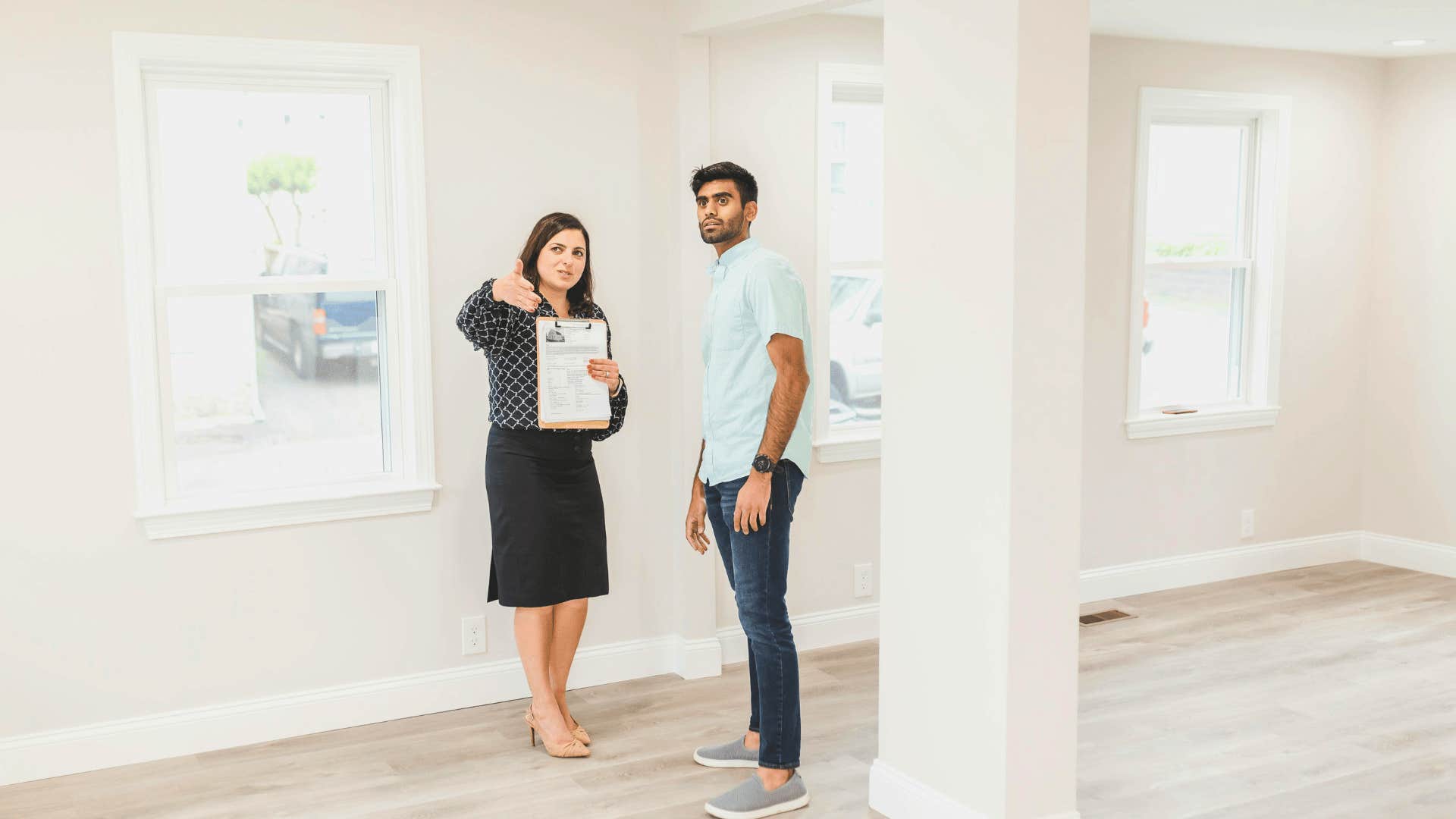
In the past, you would have thought about how many people would be living in the home, and then considered how many bedrooms you needed. Of course, the home would also have a bathroom or two, a kitchen, and a living space.
If you're a college student sharing a home and rent with fellow students, rightsizing depends on how many people can easily share the space and afford the rent. If you're a young, single person, you might just need a single efficiency room. My son had such an apartment for a short time. The one-room had a small living space, an alcove for a bed, a closet, a bathroom, and a kitchenette. It was perfect for him at the time.
2. Use furniture to carve out separate areas
 Blue Bird / Pexels
Researchers at Johannes Gutenberg University found that furniture placement directly affects how our brains process interior spaces. Their study showed that strategic furniture arrangement can create distinct psychological zones without actual walls, helping reduce stress by giving different activities their own defined spaces.
3. Scale furniture to fit the room
 Antoni Shkraba Studio / Pexels
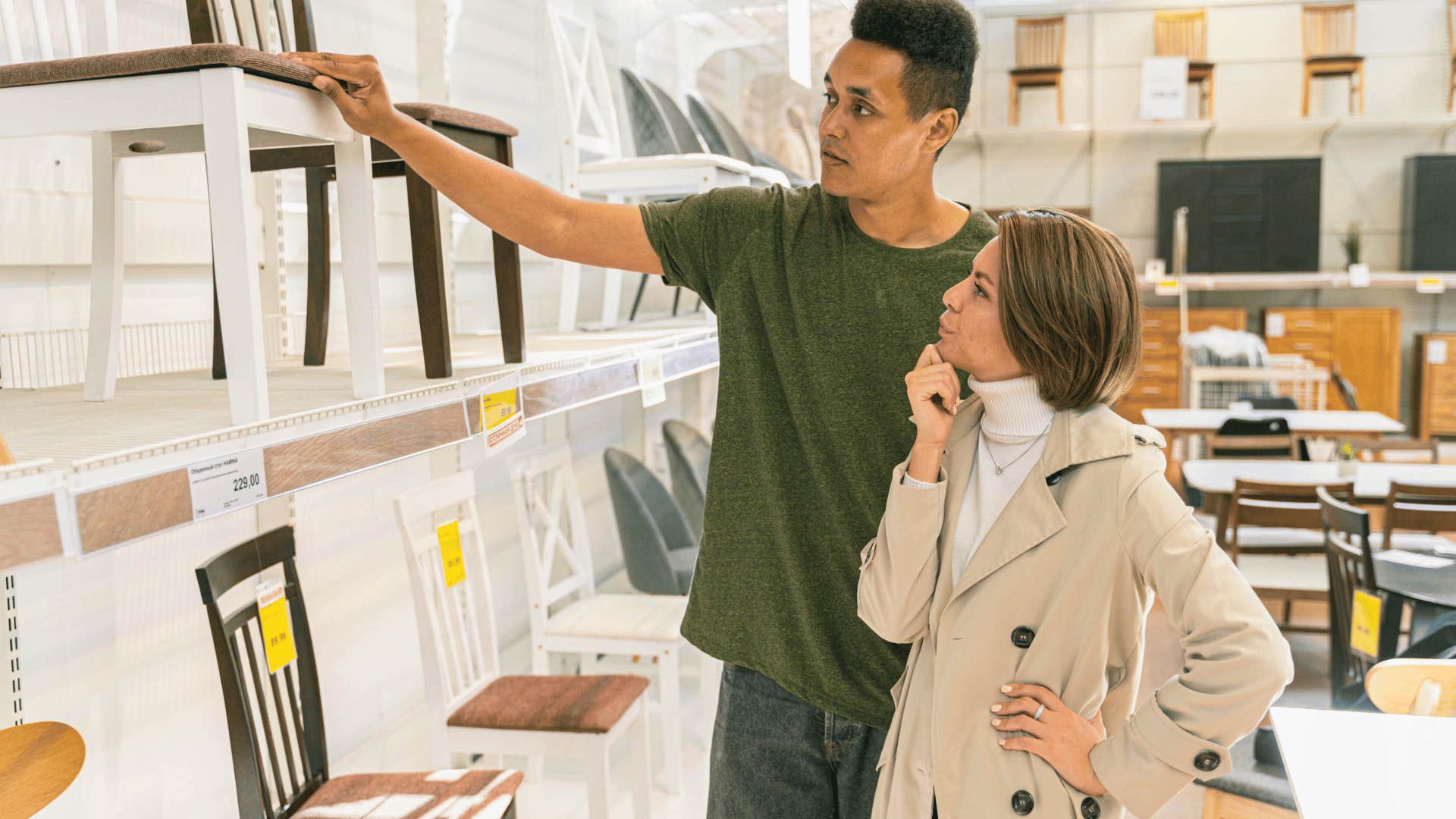
Environmental psychologist Çağrı Imamoglu's research on furniture density revealed something designers have known for decades but now have proof for: Her studies found that oversized furniture negatively influences how spacious a room feels, while properly scaled pieces create visual harmony that actually makes spaces more comfortable to inhabit.
4. Let certain rooms pull double-duty
 Ketut Subiyanto / Pexels
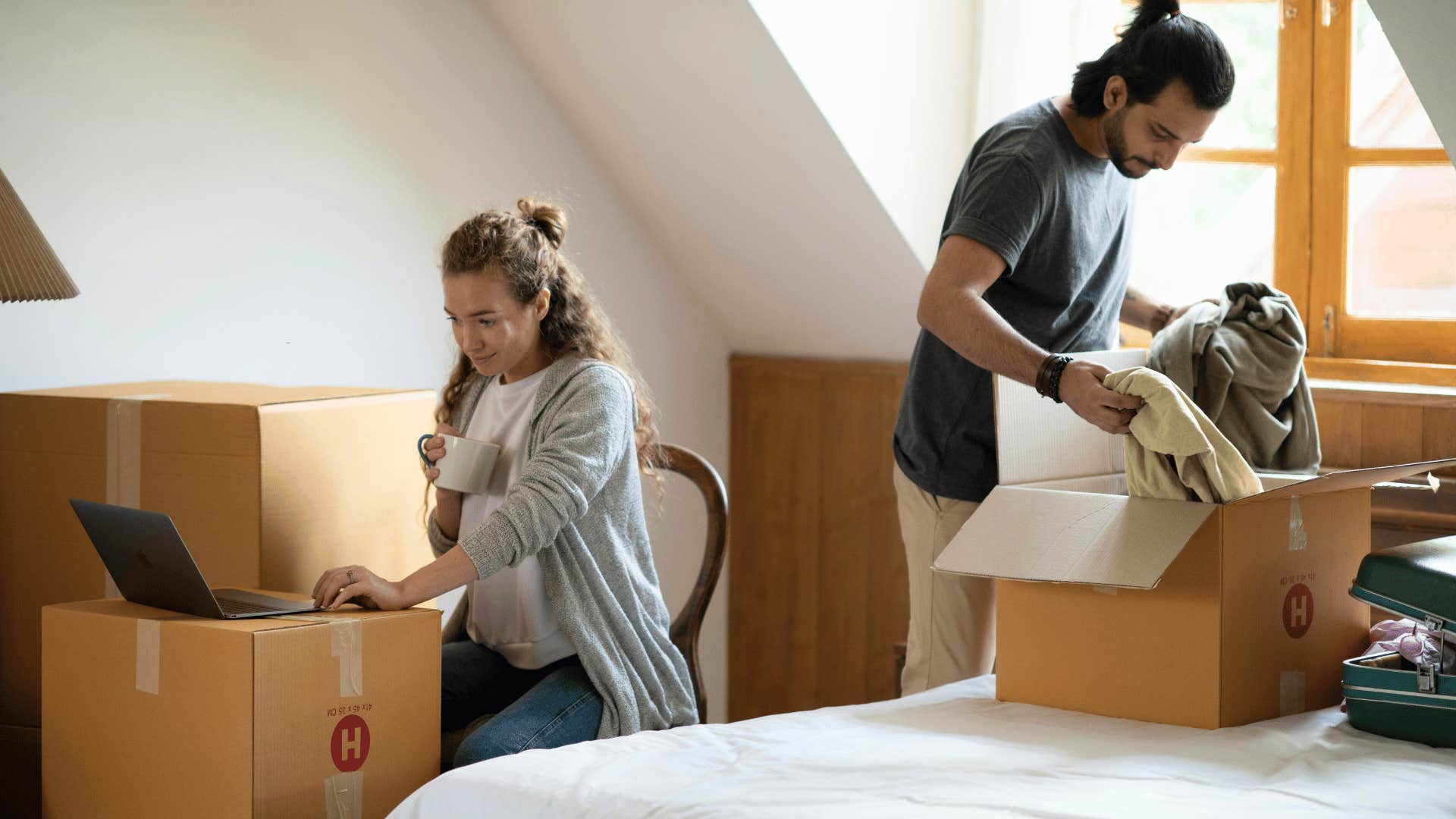
An older couple may want to stay in the home that had been big enough for their entire family, so they can repurpose those extra bedrooms. They may turn one or more bedrooms into office space and another bedroom into a mini-exercise studio. Rightsizing this way means they have everything they want to do already in their home.
A 2024 study on workplace design found that flexible spaces designed for multiple uses actually improve how people work. Workers in adaptable environments reported higher productivity and better work-life balance because the space could shift to meet different needs throughout the day.
5. Clear out what doesn't serve the space
 Gustavo Fring / Pexels
Figuring out how to incorporate a home office and a home school in the space that used to be a guest room can be a challenge. One strategy is to take everything out of that former guest room and store it temporarily in another room in your home. If space is tight, consider using a public storage facility for a limited amount of time.
Then, make a list of things that must come into that room. Sort that list according to the use of the room. In other words, what are the things you must have in the room to support an office, and what are the things you must have to support homeschooling? Will this also be a place for overnight guests?
6. Think up, not just out
 Anastasia Shuraeva / Pexels
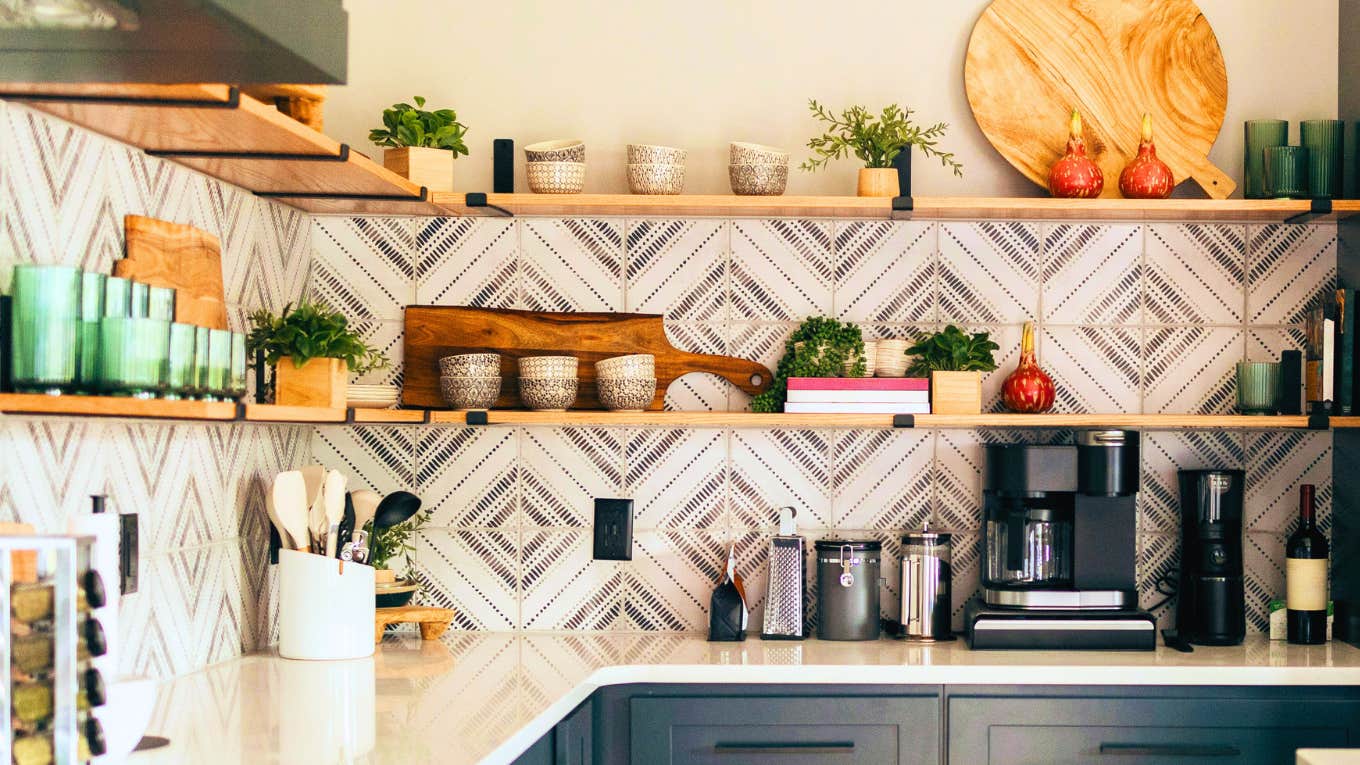
So often, we pile things horizontally on flat surfaces. Make use of the walls and install shelving. Have the top shelves hold things for the office, and the bottom shelves be dedicated to arts and crafts, for instance.
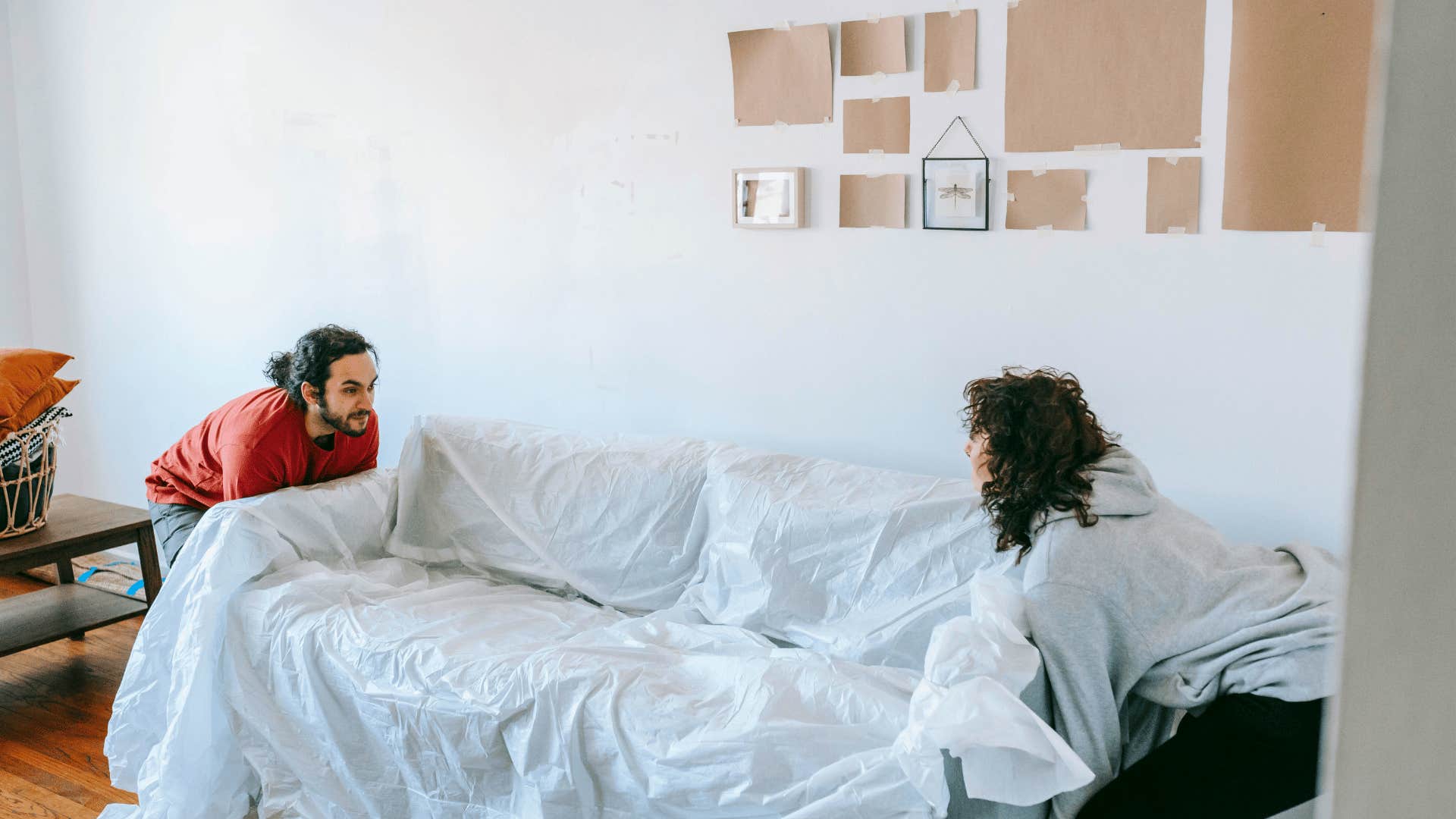
If you are right-sizing by selling your home and moving into an apartment, you may want to store some furnishings temporarily while you figure out what will or won’t fit in your smaller home. No matter what your plan is, the right size of your home is the size that supports how you intend to use your home.
Diane N. Quintana is a Certified Professional Organizer®, Certified Professional Organizer in Chronic Disorganization®, Master Trainer, and owner of DNQ Solutions, LLC, based in Atlanta, Georgia.
