
The Art Of Doing What You Can: 3 Simple Ways To Take Care Of Yourself When You’re Just Spent
 James Reyes | Canva
 Learning how to be more confident can be a stressful process in and of itself. But if you want to gain self-confidence and figure out how to deal with stress, learning to love yourself and practicing self-care is vital. But confident people know that the key to believing in themselves lies in their ability to handle things despite being stressed out, in an efficient and reliable way.
It is certainly not easy to shift out of a worried mindset into a sense of calm and confidence. How many times have you felt calm only to awaken feeling stressed and hopeless the next day — or even the next minute?
It’s frustrating and demoralizing. You may even believe that a calm state is just luck or fake, and the stressed-out person is the real you. This roller coaster ride that climbs and dives between motivated and defeated creates an internal pattern of insecurity.
How can you trust yourself if you are excited and ready to go on Tuesday and completely stuck on Wednesday? And there are many real-life costs to this stressful cycle. You may recognize yourself in these common complaints:
- "The only way to alleviate stress is to be out of my real life. So, I waste time doing things that feel 'relaxing' like surfing the net or playing games on my phone. This costs me precious time that I could be with my children, getting my work done, pursuing a hobby, or being with friends."
- "I don’t take great opportunities that come to me because I’m afraid I won’t be able to handle the stress. This leads me to stay in a dissatisfying but “safe” job and hate my daily grind."
- "I push people away because they take so much energy. Even when I consider making an effort, I worry they will see that I’m a bit of a mess and just reject me anyway. I long for companionship, but I’m better off by myself."
- "Every day, I reach for 'things' to calm me down, like food, alcohol, and drugs. They work for the moment, but then I feel worse later. The shame I feel when I look in the mirror the next morning is terrible and leaves me even more discouraged."
- "I’m getting older. Time is going so quickly, and I cannot stand that I’m still struggling and not really living my life. I deeply fear I’ll die unfulfilled."
So, how do you maintain a sense of confidence and calm even when faced with stress? If rising above the fear feels overwhelming and impossible, it's understandable. But, right this minute, take a long, slow breath in and out and consider how much better you will feel when you can trust yourself even a bit more each day.
You can learn to trust yourself in life and be authentically "you" without unhealthy distractions and loss of opportunity. It is completely possible, one step at a time and starting with the basics.
Here are 3 simple ways to take care of yourself when you’re just spent:
1. Address your physical needs
So often, I hear people say that they will take care of themselves when they have time. Work, family, social obligations, and almost anything else come first.
These stressed-out folks suffer constantly. They accomplish a lot, but feel chronically unfulfilled, insecure, and stressed. They lack a foundation of care to support their own lifestyles. Worse, our society tells them that it is just fine to do this!
Physical needs are primary. They are the bricks as you lay your foundation for lasting stress relief and self-confidence. Respect them. Investigate them. Understand them.
- Sleep: No joke. Adults need 7-9 hours.
- Proper nutrition: Real, healthy food and variety. (Vegetables are not optional.)
- Exercise: Move your body and breathe.
- Time in nature: Get outside for at least 15 conscious minutes per day.
Now that you have the bricks in place, you are ready to add the mortar that holds you together during stressful times. Research by the Sleep Foundation shows that sleep, nutrition, and exercise are all connected and constantly influencing each other in a feedback loop. When you actually take care of these basic needs, everything else gets easier because you're building a solid foundation that supports your energy, mood, thinking ability, and how well you handle stress.
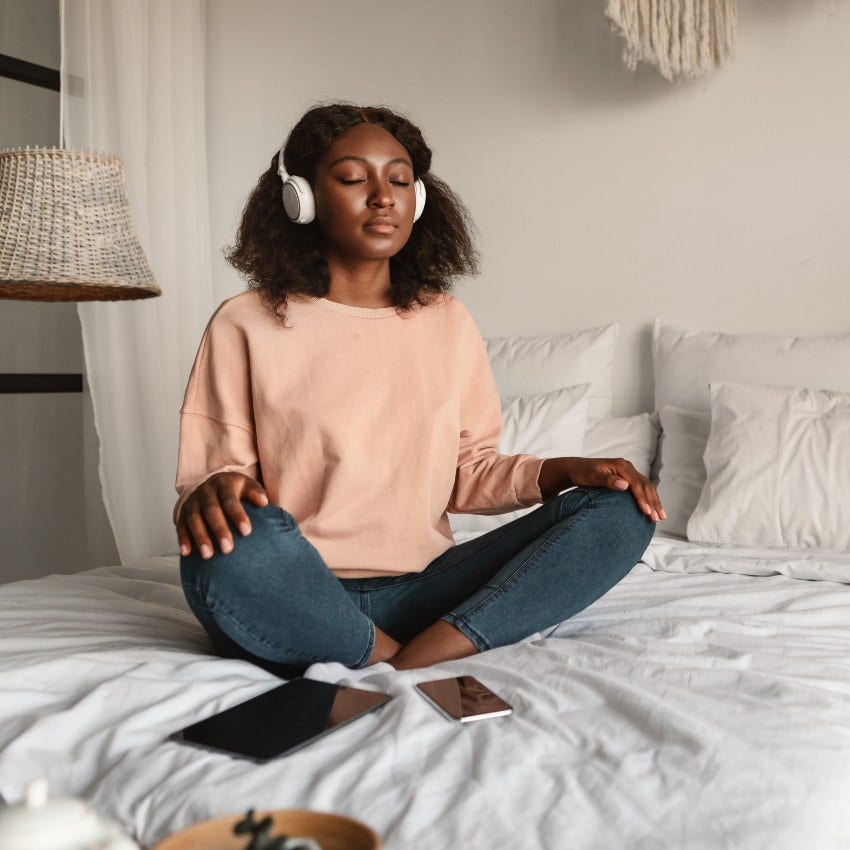
2. Respect and care for your mind and nervous system
 Prostock-studio / Shutterstock
Your mind and nervous system need your attention, too.
- Get to know your stress response and what is normal for all human bodies.
- Tone your ventral vagal nerve with simple practices.
- Discover ways to provide your nervous system with gratitude and guidance.
- Create your own personal tools to use when stressed.
Research shows that people with higher vagal tone — the vagus nerve being the main nerve of the parasympathetic nervous system — bounce back from stress more easily and handle their emotions better when life gets tough. The good news is you can actually strengthen your vagal tone through simple everyday practices like taking slow breaths or being more mindful, which helps your body switch from stressed out to calm and balanced.
3. Help your emotions work together instead of fighting each other
Along with the nervous system, the way you emotionally experience yourself in the world needs loving care and attention to maintain your sense of calm and connectedness.
- Remember that your emotions are not all of you, and learn how to help them.
- Get to know and offer compassion to the parts to all of yourself, even parts that worry.
- Learn how to love yourself through mistakes.
- Establish a practice to increase your sense of self-worth.
Stressors will always be present in your life. But once you learn how to deal with stress, confidence will follow. And once you have confidence, you can do anything you set your mind to do.
When you're kind to yourself during hard times instead of beating yourself up, you actually feel less anxious and depressed while becoming more emotionally balanced overall, research has shown. Self-compassion helps you handle your feelings better and builds the kind of resilience that makes you feel more confident when facing whatever wild ride life throws at you.
Ingrid Helander is a marriage and family therapist helping people who suffer from insecurity, doubt, impossible communication patterns, and overwhelming stress.
