
Introverts, Extroverts & Overthinkers Usually Gravitate Toward Completely Different Kinds Of Hobbies
 kiattisaklamchan via Canva Pro
Hobbies are an underrated yet essential part of our lives.
On top of improving our cognitive abilities and relieving stress, they connect us to our identities. Depending on what we enjoy, we reveal a little bit about our true selves. That's why introverts, extroverts, and overthinkers usually choose completely different hobbies.
The kinds of hobbies introverts, extroverts and overthinkers enjoy most
Introverts love low-stimulation activities, sometimes even with a close friend or partner around
Just because they prefer to be alone, it doesn't mean introverts aren't also interested in pulling other people into their hobbies.
They don't want to be overwhelmed by superficial connections, but they might read on the couch quietly with a partner nearby or play a board game with a friend. These are the hobbies that offer the deep social connection they crave, so it's worth it for them to spend their energy this way.
 Miljan Zivkovic | Shutterstock
Mindfulness also plays a huge role in the hobbies they like. Anything that has to do with nature and deep thinking is the perfect escape for them. While a balance of this kind of solitude and occasional socializing are necessary for everyone, introverts have a special ability to appreciate their own company without needing someone else to make it meaningful.
Things like reading a book outside on a nice day or watching a comfort movie combat their risk of overstimulation, as a 2025 study explains, while still giving them a sense of comfort and presence.
"Because you are sensitive to the stimuli around you, you are more likely to notice and appreciate the world. The singing of the birds, the colors of the trees, and the scent of the flowers are all more available to you," writer Susanna Newsonen explains about introverts. "This means you can truly experience everything in the world in all its magnificence."
Extroverts love anything that gets them out of the house, from book clubs to community events
Unlike introverts who are energized by alone time, extroverts recharge by being around other people and soaking up their energy. They enjoy the small talk that introverts hate and gravitate toward hobbies that include other people.
 bbernard | Shutterstock
They host game nights at their house, but also go out to parties or restaurants with the intention of meeting people and making new friends. They even love the things introverts find nightmarish, like trying out stand-up comedy or joining a running club.
Extroverts are often outgoing and confident in social situations, but there are also shy extroverts that just enjoy being around people, without needing to make conversation.
These are the people who take themselves on solo dates just to be around others. They enjoy group experiences like a soccer game or going to the movies where they can energize themselves without any social pressure.
Tactile hobbies help quiet an overthinker's mind, along with mentally challenging tasks that put their deep thinking to good use
Public discussion paints overthinkers in a negative light, suggesting that there's only anxiety and disconnection to come from their hyperactive minds. But according to psychology researcher Alice Boyes, there are so many strengths that give overthinkers an upper hand.
 Dragon Images | Shutterstock
"Overthinkers don't always recognize that other people are much less willing to exert cognitive effort than they are. Inherently, this is a strength," Boyes says. "People don't have productive ideas without putting in effort to do so. For example, the most creative people spend more time deliberately attempting to be creative."
Overthinkers also tend to be more self-aware and intelligent. That's because their tendency toward rumination and introspection allows them to put in the effort it takes to learn that not everyone's interested in.
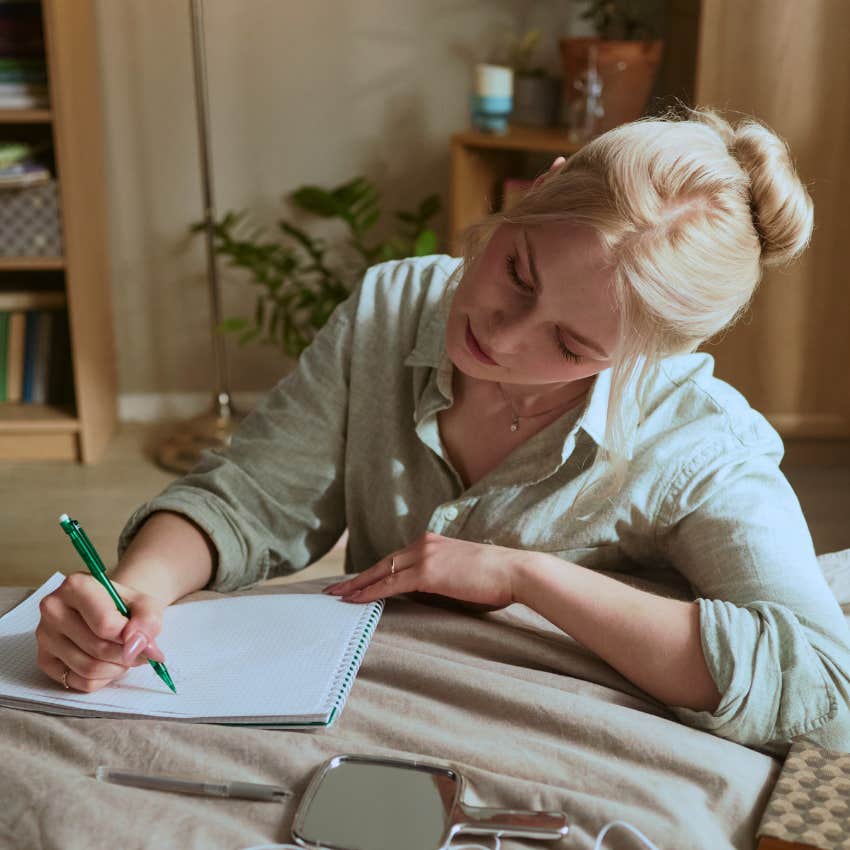
So, hobbies like journaling or researching complicated topics are an overthinker's favorite things. They quiet unproductive spirals and lead them into a more meaningful inner dialogue.
Outside of all the challenging stuff, overthinkers may also find a lot of value in hobbies like painting or knitting, where they use their hands and need to stay focused. They're creative and skillful, but they don't let their minds wander unchecked.
Zayda Slabbekoorn is a senior editorial strategist with a bachelor's degree in social relations & policy and gender studies who focuses on psychology, relationships, self-help, and human interest stories.
