
Gen Z, Millennials, Gen X & Boomers Have Very Different Ideas Of What Counts As Being Confident
 AT Global | Shutterstock
Being confident is defined by the American Psychological Association as having trust in your own abilities. Although that sounds simple, it doesn't mean the same thing to everyone. Gen Z, millennials, Gen X, and baby boomers define confidence differently, and what makes one generation feel confident might not matter (or might matter less) to another.
What it means to be confident is actually very different for Gen Z, millennials, Gen X, and baby boomers:
Confidence used to have more to do with the image someone projected. Now, younger generations think of it as how open they are to expressing themselves.
 Prostock-studio via Canva
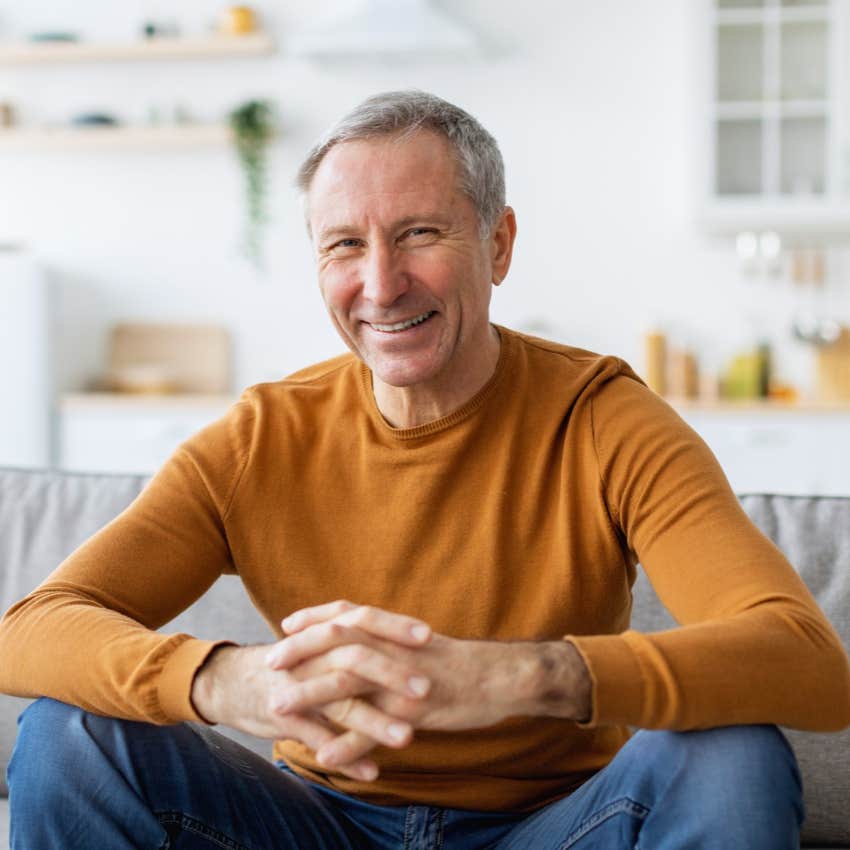
Baby boomers believe being confident means proving yourself through your achievements.
For boomers, confidence has as much to do with how other people perceive you as how you feel about yourself. Their image is important to them, especially professionally.
An analysis from Purdue Global called this generation "workaholics," while a study in Frontiers in Psychology found that boomers value structure, clear rules, and consistency in the workplace.
Boomers care about having the expertise to back up their authority. They don't just want to feel confident in their own abilities. They want other people to recognize their expertise and what they've accomplished, too. They’re an achievement-oriented generation that believes confidence comes from proving themselves.
Gen X believes being confident means knowing you can handle things on your own.
Gen X’s confidence is rooted in their unique upbringing. Dr. Billy J. Hensley, president and CEO of the National Endowment for Financial Education, explained that growing up as latchkey kids helped make Gen X resilient "self-starters" and comfortable taking initiative.
 Maridav via Canva
This generation knows how to take charge. According to a report from UC Davis, a lot of Gen Xers have taken on leadership roles in the workforce because it feels natural to them. Research from the Management Research Group also highlights how important it is for leaders to project confidence and appear capable to others.
Being confident means acting independently for Gen X. They can handle things on their own without anyone backing them up. This self-sufficiency is their biggest motivator.
Millennials believe being confident means being comfortable with who you are.
Millennials grew up when individualism was becoming more important. Psychology professor Jean Twenge, PhD, explained that millennials tend to have "very positive views of themselves" and high expectations for their futures.
 Dean Drobot via Canva
This generation has stood out from a young age. A 2010 Pew Research Center report described millennials as a confident, self-expressive generation, pointing to their openness to change and the many ways they express themselves.
In some ways, it seems like millennials have always been more confident. But the truth is they're often more comfortable expressing themselves than older generations. They value authenticity and believe being confident is about a lot more than just their achievements.
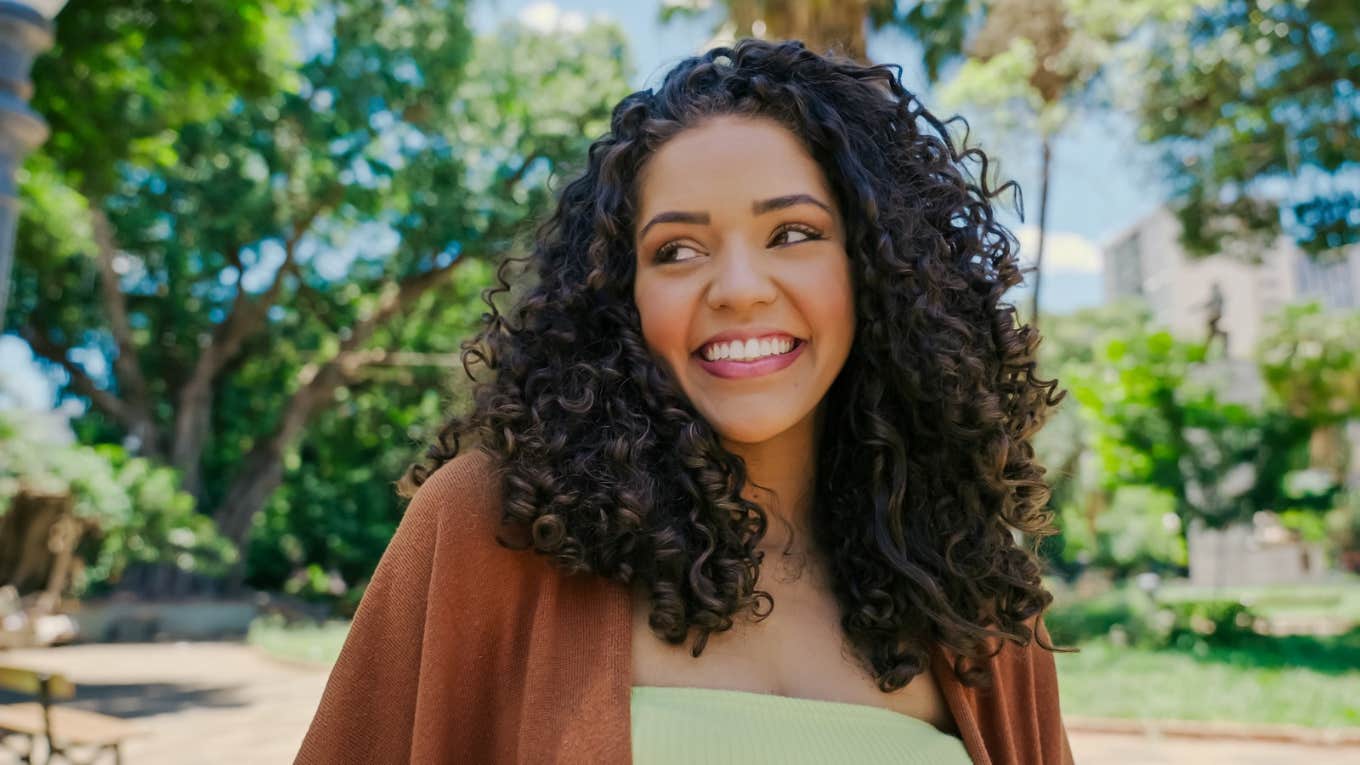
Gen Z believes being confident means standing up for what matters to you.
Gen Z’s version of confidence is pretty similar to millennials'. Stanford scholar Roberta Katz found through her research that Gen Z tends to be direct and willing to question authority because "they are so used to finding what they need on their own".
 Minerva Studio via Canva
This generation also doesn’t let lofty goals scare them. According to a report from McKinsey, "More than any other generation, Gen Z collectively demands purpose and accountability." They care about other people and about building a better future.
Being confident means being honest to Gen Z, even if it’s not popular with everyone else. They want to live a life that’s aligned with their values. They believe they’re capable of creating change and aren’t afraid to ruffle some feathers along the way.
Mary-Faith Martinez is a writer with a bachelor’s degree in English and Journalism who covers news, psychology, lifestyle, and human interest topics.
