
Kids Who Grew Up In Money-Stressed Homes Still Have 5 Odd Financial Habits As Adults
 JLBarranco from Getty Images Signature via Canva Pro
When you're raised in a home where worrying about money is normal, you tend to carry certain habits into adulthood.
Your childhood shapes who you become, as well as your own relationship with money. The financial habits we're shown as children follow us as we grow up, even if our circumstances have completely changed.
Odd financial habits of people who grew up in money-stressed homes
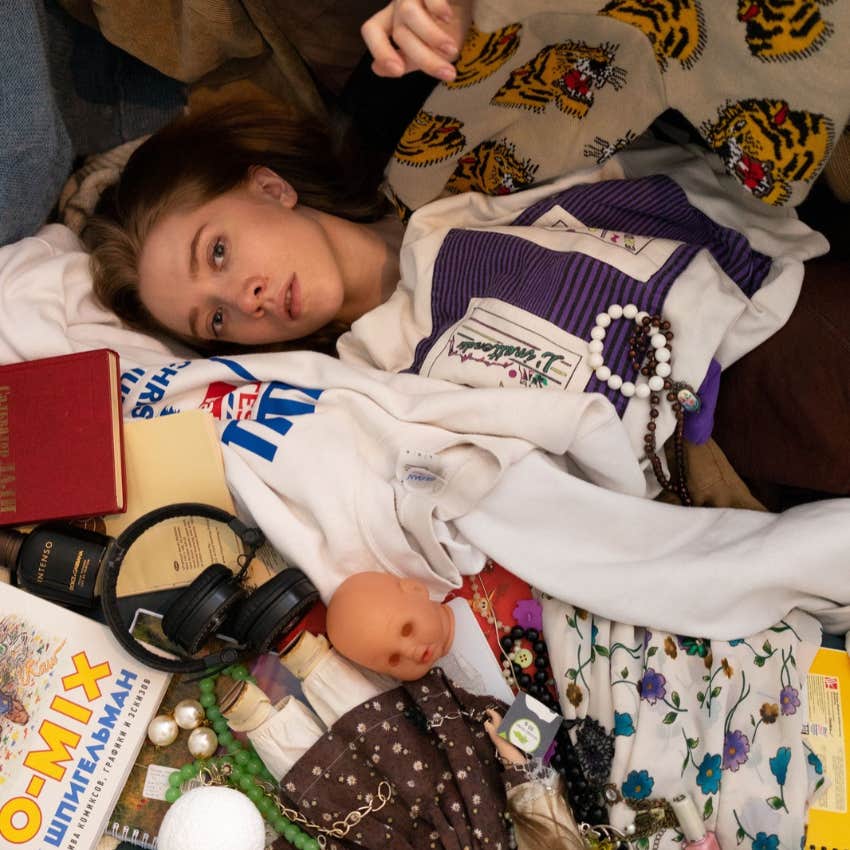
1. They tend to stockpile things 'just in case'
 Darya Sannikova | Pexels
When people grow up in an environment where necessities are few and far between, it can create a scarcity mindset. Because they're accustomed to worrying about if they'll have enough of something, they carry that fear into adulthood, even when they no longer have a reason to.
"If your parents or caregivers had a scarcity mindset, such as due to financial struggles, they may have focused much of their attention on meeting financial needs and less on other things, possibly making bad long-term decisions. They could have passed this approach on to you," medical reviewer Zilpah Sheikh says.
If a child's household was constantly worried about putting food on the table or staying afloat, as an adult, they may stockpile items. Somewhere, in the back of their mind, they're convinced they'll eventually run out.
People don't need all these things, but having them makes them feel a little more secure. They're used to having to figure out the next meal or next time they'll get the necessities they need, so having an excess amount of supplies seems like a luxury.
2. They keep emergency money stashed away
For people who come from financially stressed homes, they likely have money stored away somewhere in their home, not in a bank. They never want to find themselves in a situation where they don't have access to anything.
According to Empower's "The Vanishing Wallet" study, 40% of people feel safer when they have emergency cash on hand. And while a majority of Americans have about $500 put aside as a safety net, around 30% still don't.
So, by setting money aside, it brings these people a sense of ease and security. To them, it's not just about the dollar amount, but being able to support themselves if anything goes wrong.
3. They have financial guilt when they buy themselves something nice
Financial guilt is a common experience for people who were raised in homes that struggled with money. Even if they made a life for themselves where money isn't a huge stressor, even buying something little makes them feel guilty.
As a study published in Aging & Mental Health found, kids who experience financial strain in childhood often suffer from anxiety and loneliness in adulthood.
"Even when people's financial circumstances improve later in life, the emotional residue from early hardship can linger far longer than we expect. Financial stress creates surprisingly long-lasting consequences," says psychologist and lead researcher Deborah Finkel.
People like this grew up in a home where little extras weren't an option. They likely watched their parents budgeting for every penny and reusing items just to make ends meet. They associated spending money with irresponsibility.
4. They constantly need to 'get their money's worth'
 frantic00 | Shutterstock
People like this feel a constant need to get enough use out of something they've paid for. It may be taking home leftovers they don't even want or keeping a subscription just because they've already spent money on it.
When wasting money wasn't really an option growing up for these folks, they tend to develop a habit of squeezing every last bit of value out of everything they buy. Unfortunately, they might find themselves doing things they don't even enjoy simply because of the financial aspect of it.
They may not have had the luxury of "wasting" money as a child, but that doesn't mean every purchase they make as an adult has to come with an obligation to get their money's worth.
5. They struggle to replace things in their home that break
Instead of replacing items that break or throwing away things that have been way too overused, some people have a tendency to hold on to them. As a child, they were taught to fix things that broke, and developed an "I can fix it" attitude where they can bring anything back to life with enough effort and skill.
If their favorite coffee grinder breaks, they'll look up tutorials on how to repair it. Even if the cords are frayed and may even be a hazard, they'll put in the time to get it working again because they simply can't part with it.
According to journalist Francine Russo, "Our belongings fill many emotional needs. They comfort us amid loneliness and boost our confidence about our abilities. In fact, our possessions do not just make us feel secure by substituting for important people in our lives; we actually see these objects as an extension of ourselves."
Julia McNulty is a writer with a Master's degree in Literary & Cultural Studies who specializes in lifestyle, relationship, culture, and human interest topics.
