
Kids Who Are The Oldest Sibling In Their Family Usually Carry 6 Habits Into Adulthood
 mae_chaba | Shutterstock
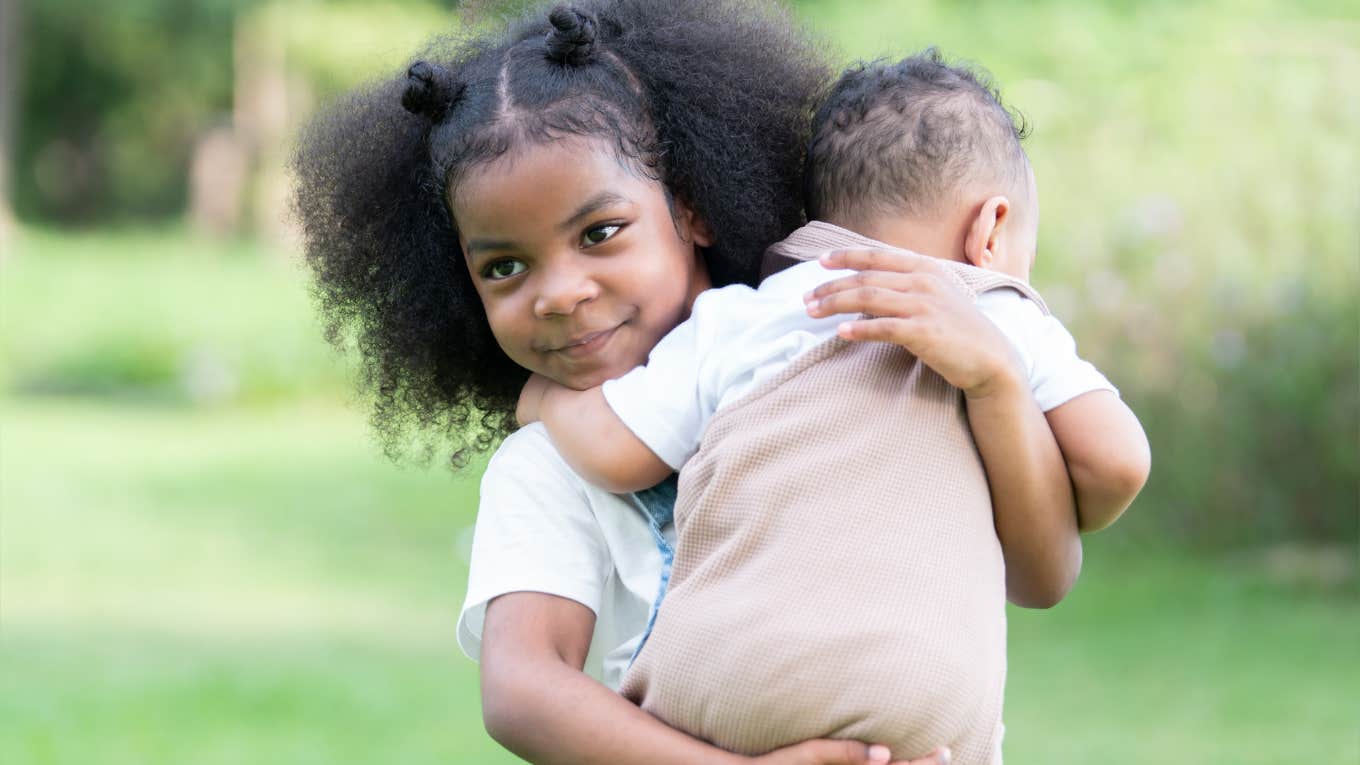
Have you ever heard that the oldest kid is the most mature and maybe even the most uptight? I'm sure you have. But there's more to birth order than just these stereotypes. The roles we have as kids and within the family shape who we become as adults and, most of all, how we act.
Habits the oldest kid in the family carries throughout their life:
1. They have a hard time asking for help
 Fabio Principe | Shutterstock
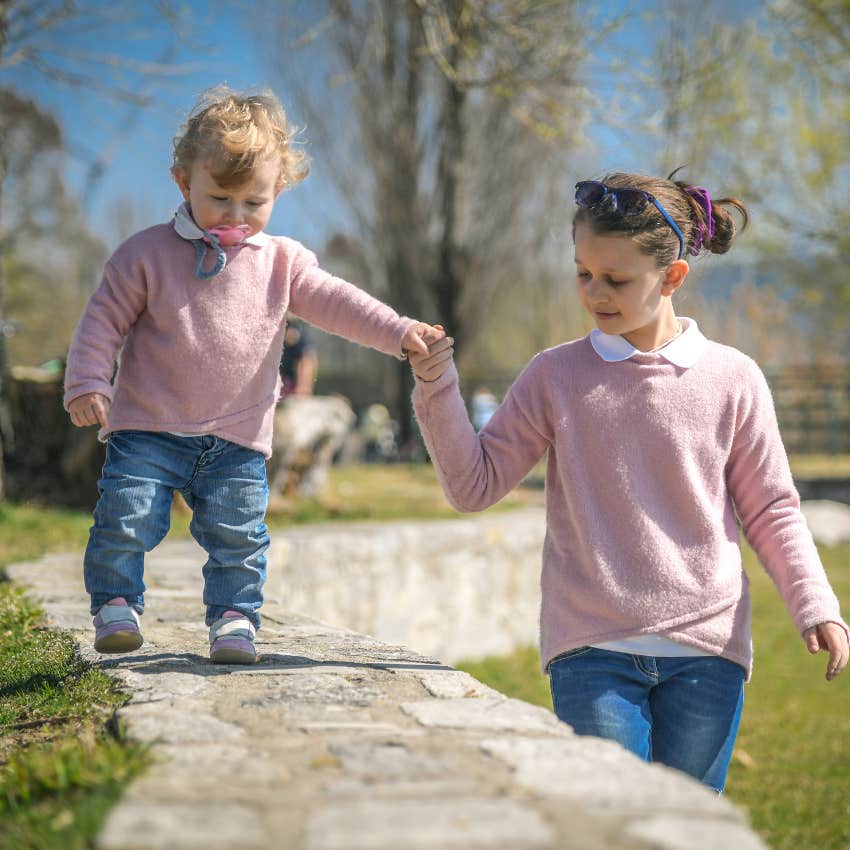
Oldest children grow up with the expectation that they're the sibling who's mom and dad don't have to worry about. Since they're the oldest, they should know better, shouldn't they? While this isn't always the case, and I certainly don't believe older siblings never need help, it's a trait they tend to carry with them.
Maybe you're the older sibling, and you relate to this, or maybe you're not. Every single oldest kid I know is someone you go to for help, not necessarily someone you think to ask if they need it. Even in my own family, I've noticed this dynamic. When you're so accustomed to being the person others rely on, it can be difficult to turn around and rely on someone else.
2. They can be perfectionists
Over time, oldest children can internalize a lot of the expectations placed on them growing up. Many of these expectations revolve around being responsible and taking care of others.
When you're used to being held to a certain standard, you can quickly develop a perfectionist habit that makes you feel the need to get everything right and meet the high expectations you've set for yourself.
3. They are hard on themselves
 Elena Efimova | Shutterstock
When you become an older sibling, the task of setting an example for your younger siblings is often put on you. It's your job to set a good one. When you grow up with this expectation, you can become harder on yourself than someone who didn't have that same pressure. And I'm not always talking about family matters.
Now, as an adult, you could be kicking yourself for not waking up for that 6 a.m. workout class or showing up five minutes late to work. When you're constantly told to be better and do better as a kid, those expectations can seep through the cracks into your adult life. Even when nobody else is holding you to those standards anymore, you might still be holding yourself to them.
4. They tend to put others before themselves
Oldest siblings aren't always just hard on themselves. They also put others before themselves.
Growing up, parents tend to put more responsibility on older siblings when it comes to looking after their younger brothers and sisters. Sometimes, it can border on the lines of parenting, which is an issue in and of itself. But even more casual, everyday responsibilities, like having the older brother babysit for the evening or the older sister drive everyone else to school, can establish this dynamic.
You get used to putting someone else's needs before your own, and even when everyone is grown up, you might still find yourself doing it. You're the person who offers to help, checks in on everyone, and makes sure everyone else is taken care of before thinking about what you need.
5. They naturally take charge
Although oldest siblings can be hard on themselves and struggle to ask for help, these experiences can also make them comfortable taking charge. That makes them really good leaders in adulthood.
They're often used to being the person who makes decisions and tells everyone what needs to happen next. This can carry over into adulthood, whether it's a project at work or choosing where to go out to eat. To the oldest, being in control is a familiar feeling.
6. They tease the people they love most
 De Visu | Shutterstock
And now for my older brother's favorite. Oldest siblings are almost always the best rage baiters. They know exactly what will push their little siblings' buttons, and they are pressing those babies all day long. At least in my experience, this is a trait that carries over into adulthood.
As an adult, you might find yourself doing the same thing with your friends or partner, playfully teasing them or making one little comment just to get a rise out of them. Maybe teasing has become your love language. Of course, it's usually all in good fun, but that doesn't make it any less annoying for the people on the receiving end.
Julia McNulty is a writer with a Master’s degree in Literary & Cultural Studies who specializes in lifestyle, relationship, culture, and human interest topics.
