
Kids Who Constantly Moved To Different Houses Growing Up Often Have 6 Specific Traits As Adults
 Pressmaster / Shutterstock
Moving to a new place or school is difficult for many children. They may lose friends or classmates they’ve really grown to like having around. Those kids whose parents were constantly moving to different houses throughout their childhood don't really know any different way of life, but that kind of movement still leaves its mark. As they cope with the tumult and lack of consistency, they often develop specific traits over time that they carry into their adult lives.
6 traits kids who were constantly moving to a new house usually have when they grow up:
1. They are especially adaptable to new situations
 Pavel Danilyuk from Pexels via Canva
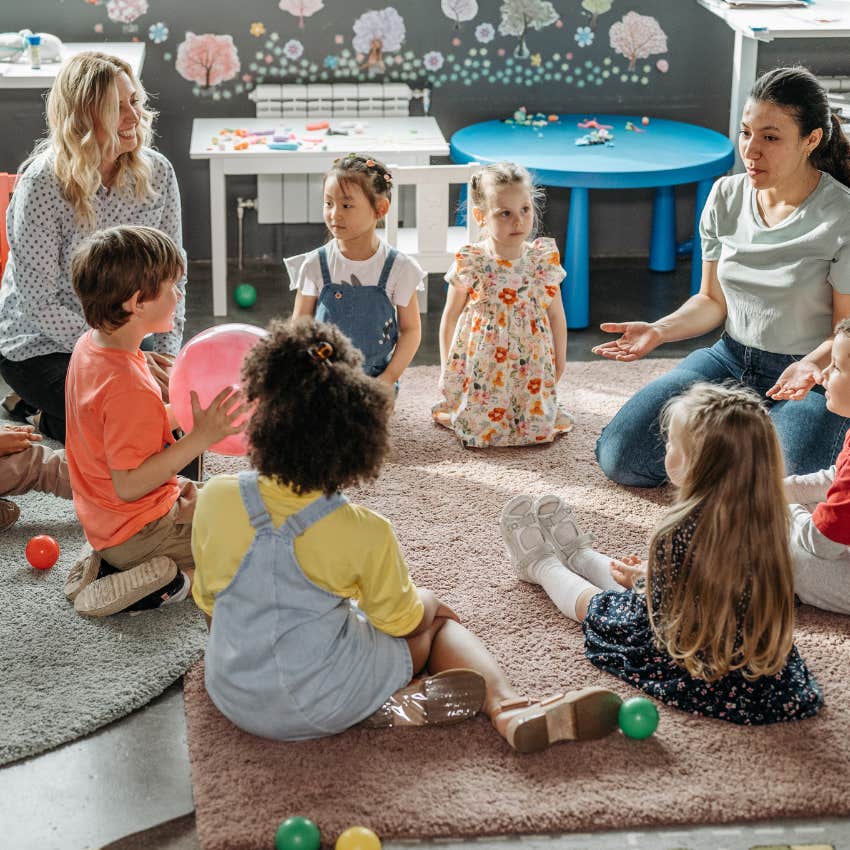
Most children aren’t used to change, and many of them may not even like it. They can easily become upset and miss the friends they'd made before another move. But moving can help the child become used to adjusting to new environments.
These kids are able to adapt to a new routine or quickly learn the ins and outs of their new home. When it's time to move again, this skill is sharpened and makes them more comfortable with change. As adults, they are able to thrive in new environments. They embrace change and know how to control their emotions when things are uncertain.
2. They are highly independent
A child who moves a lot tends to do more things on their own. They may learn how to pack and organize their items to make the change easier on their parents and themselves.
A child learning to be independent also learns to be confident in themselves and their abilities. They know they can lean on their parents for help, but they try to handle tasks or problems on their own. This trait can show up in adulthood as they learn to manage their life without relying on anyone and having strong decision-making skills.
3. They are resilient
Resilience is a skill many people don't learn young. Kids who are always moving are often resilient and are able to keep going when things get hard. Kids like this can solve problems and control their emotions without allowing what's happening to change them. If they have an accident, they get back up and ask for help from an adult.
Once they're all grown up, they’re able to handle hardships and stress without letting it take over their life. They can manage their problems, but are still able to reach out for help when they need it.
4. They are open-minded
 olia danilevich from Pexels via Canva
Since they're always moving, they have become used to change and are more open to it. Being open allows them to expand their knowledge and have new experiences.
They are willing to make friends at their new school and learn new things. They may even try new activities such as painting or playing a new sport. When they’re older, they become well-rounded. They’re comfortable being wrong and learning from their mistakes and experiences.
5. They are empathic
Many children are naturally empathic, especially those who are used to moving a lot. They understand what it’s like leaving behind something they love and having to move on without it.
When they're interacting with others, they understand other people may have a different experience than they do and are able to help and connect with someone who needs a bit of extra support. Adults who grew up being empathic know how to express their feelings in an appropriate manner and are compassionate about the people around them.
6. They are curious
 Ali Raza via Canva
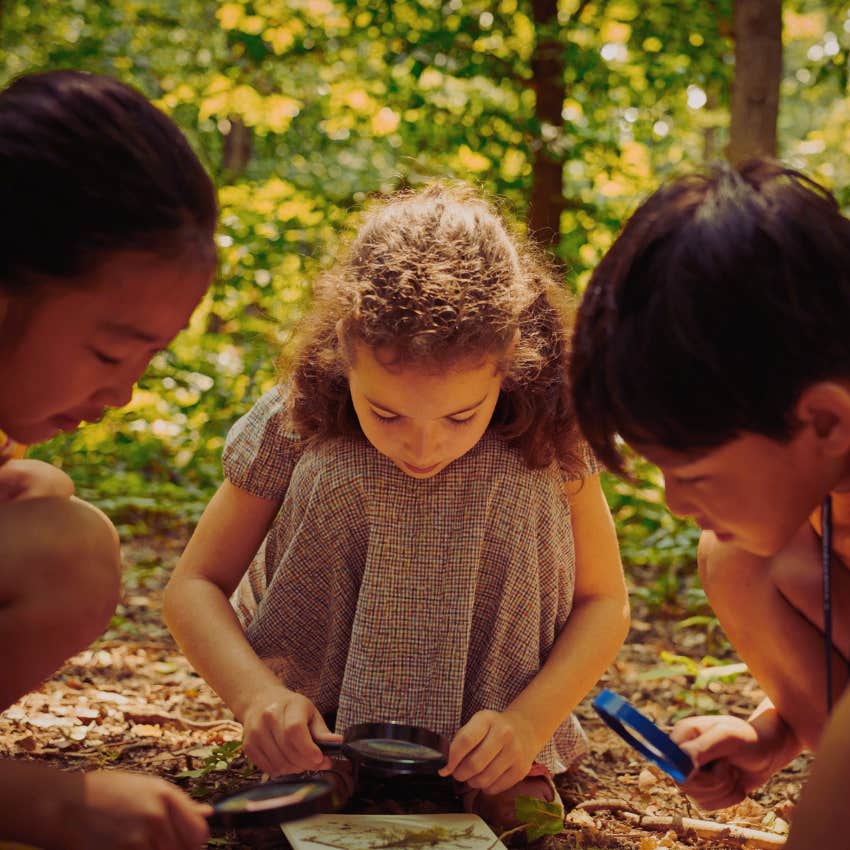
Even though moving is hard, these kids may become curious about the new place they are moving to. They learn to embrace their new environment and are interested in learning all there is to know about it.
They will explore their home and discover new things about the town they’re living in. They may also become interested in the new kids they will meet at their new school. Curious kids become adults who travel a lot and are open-minded to new experiences.
Aricka Croxton is a writer with a Bachelor’s Degree in Creative Writing from the University of Michigan who covers relationships, self-help, and wellness.
