
Kids Raised By An Unkind Mother Usually Carry 9 Habits Into Adulthood
 cottonbro studio | Pexels
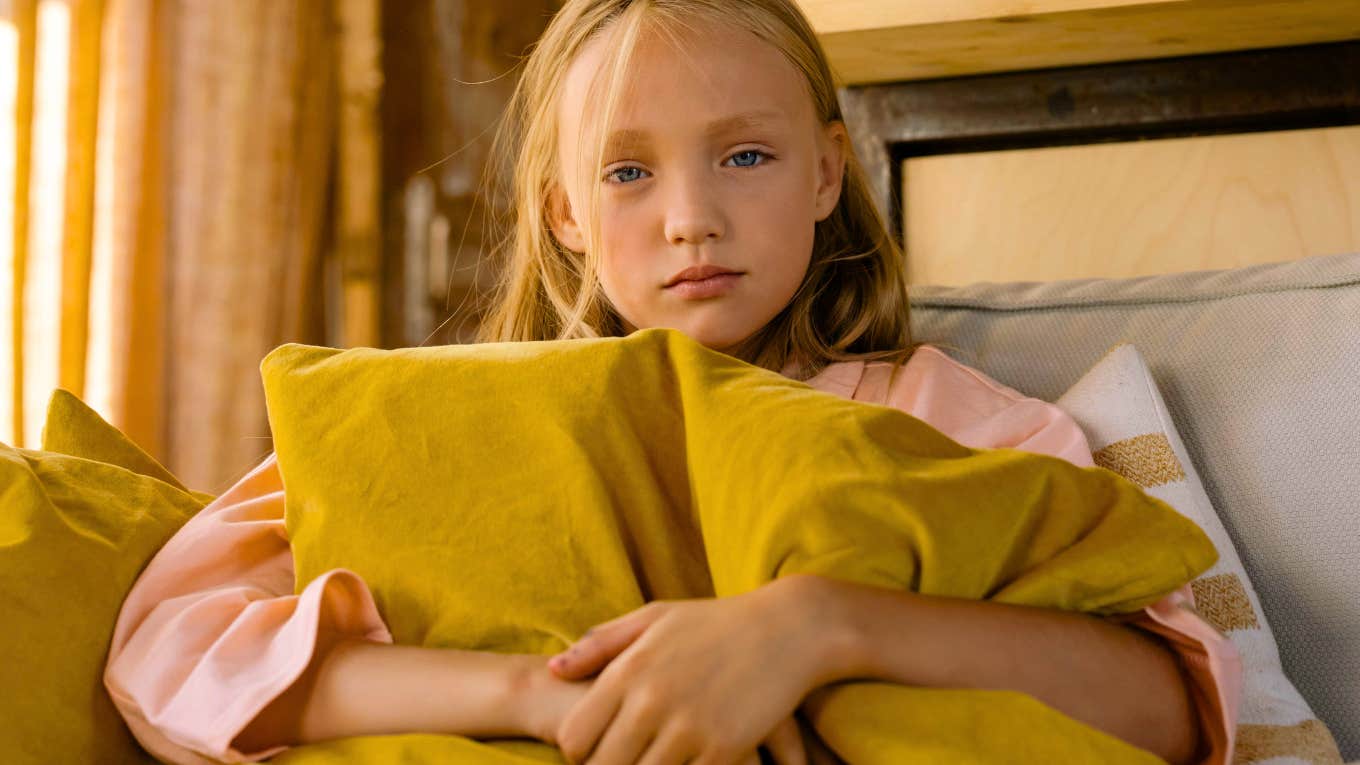
 Mothers are often the emotional backbone of a family. But living up to that role can feel overwhelming, and they may carry resentment that causes them to treat their children poorly. Unfortunately, when kids are raised by an unkind mother, they take those unhealthy coping mechanisms and habits into adulthood.
Their mom may have told them they aren't good enough or that they're a burden. She may have discouraged any kind of emotional expression and refused to show compassion through tough times. Some mothers are deeply troubled and take their frustration out on their children, but it's never acceptable.
When kids are raised by an unkind mother, they develop certain habits as adults
1. They're defensive
 Diva Plavalaguna | Pexels
We rely on our parents for everything as we grow up. We expect them to show us love and support, but when they're unkind, it can change how we see ourselves as adults.
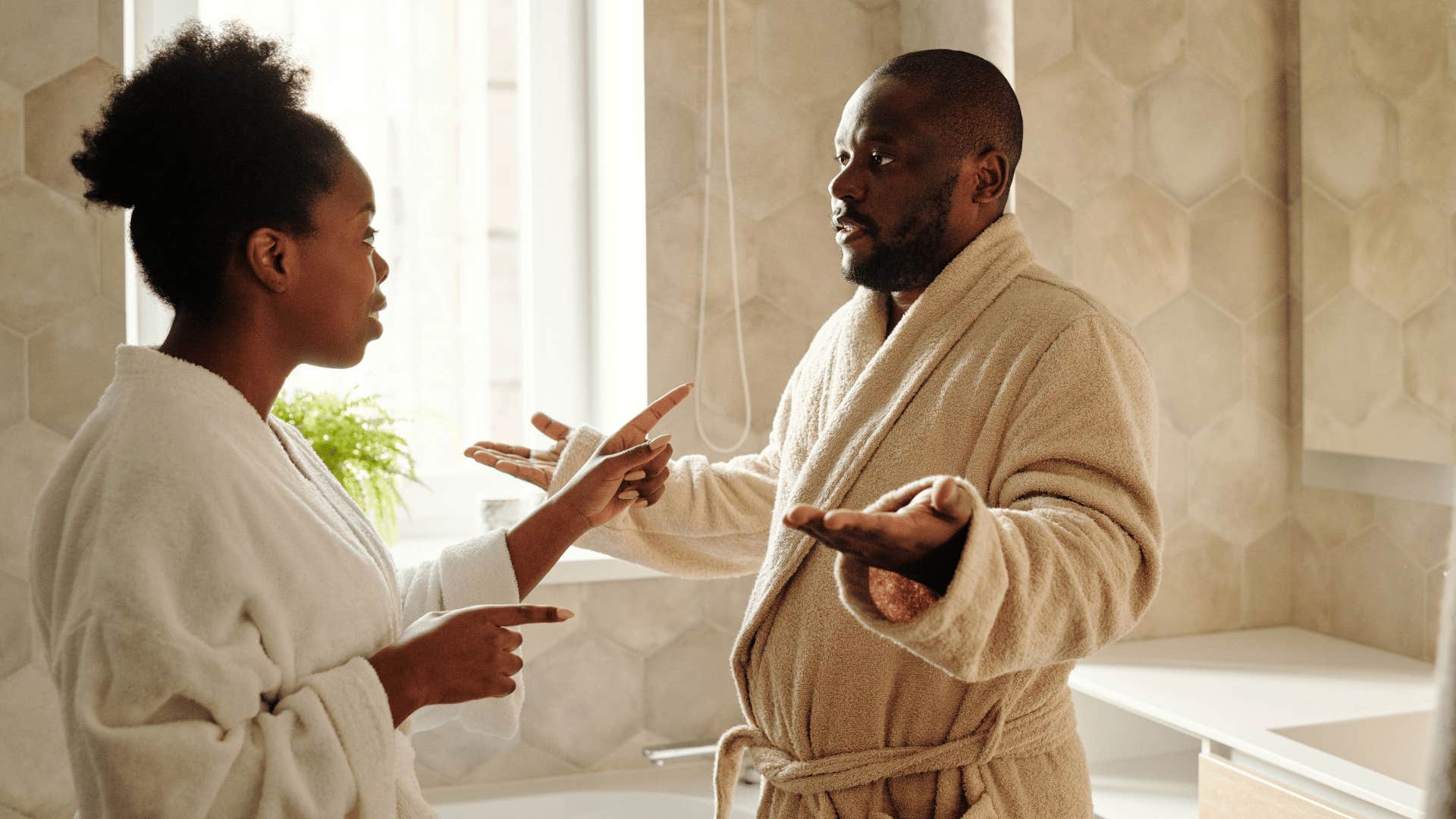
A person who grew up in this home environment becomes defensive as an adult, leaving them with their emotional guards up. When conflict comes up, if someone tries to be kind to them, it can feel like an attack. They may react poorly because their mother constantly scolded them.
It's hard for them to accept feedback when it was delivered harshly at home. The root of this behavior is often linked to childhood trauma.
2. They lack confidence
 MART PRODUCTION | Pexels
Unkind parents cause low self-esteem in their children. Constantly feeling like they're under a microscope or are being insulted for everything makes them doubt their identity.
Being encouraged and validated by our parents is important to building trust and confidence. Without it, children may carry these feelings into adulthood.
Childhood emotional neglect can make children question their self-worth. Without kind, reassuring parents, they often feel like they aren't good enough for anything. It can stifle their growth, both in their personal and professional lives.
3. They monitor everyone else's emotions
 Vitaly Gariev | Pexels
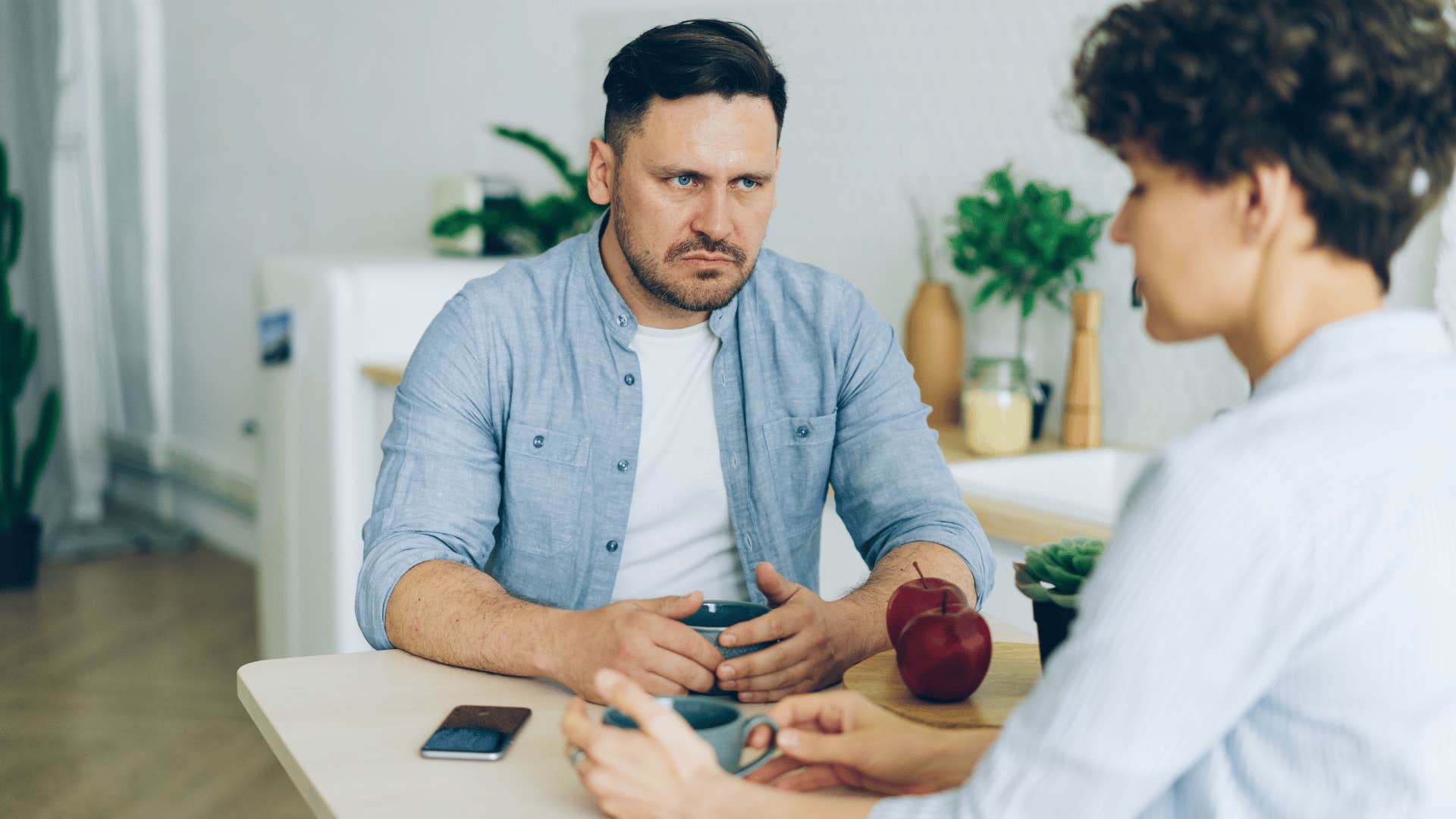
Emotionally unstable and unkind parents are hard to read. You never know when they will snap or what will set them off. Growing up under these conditions leaves people on edge.
No matter how far removed they are from their parents and childhood, they can still feel defensive and worried around other people. Finding comfort in others feels unnatural to them.
According to a study published in Social Science & Medicine, parents influence how children react in situations. Instead of feeling relaxed, they're constantly reading the room, wondering if people are upset and going to start an argument. They hope to fix everything before it erupts into an argument that reminds them of their childhood.
4. They're critical of themselves
 Johannes Plenio | Pexels
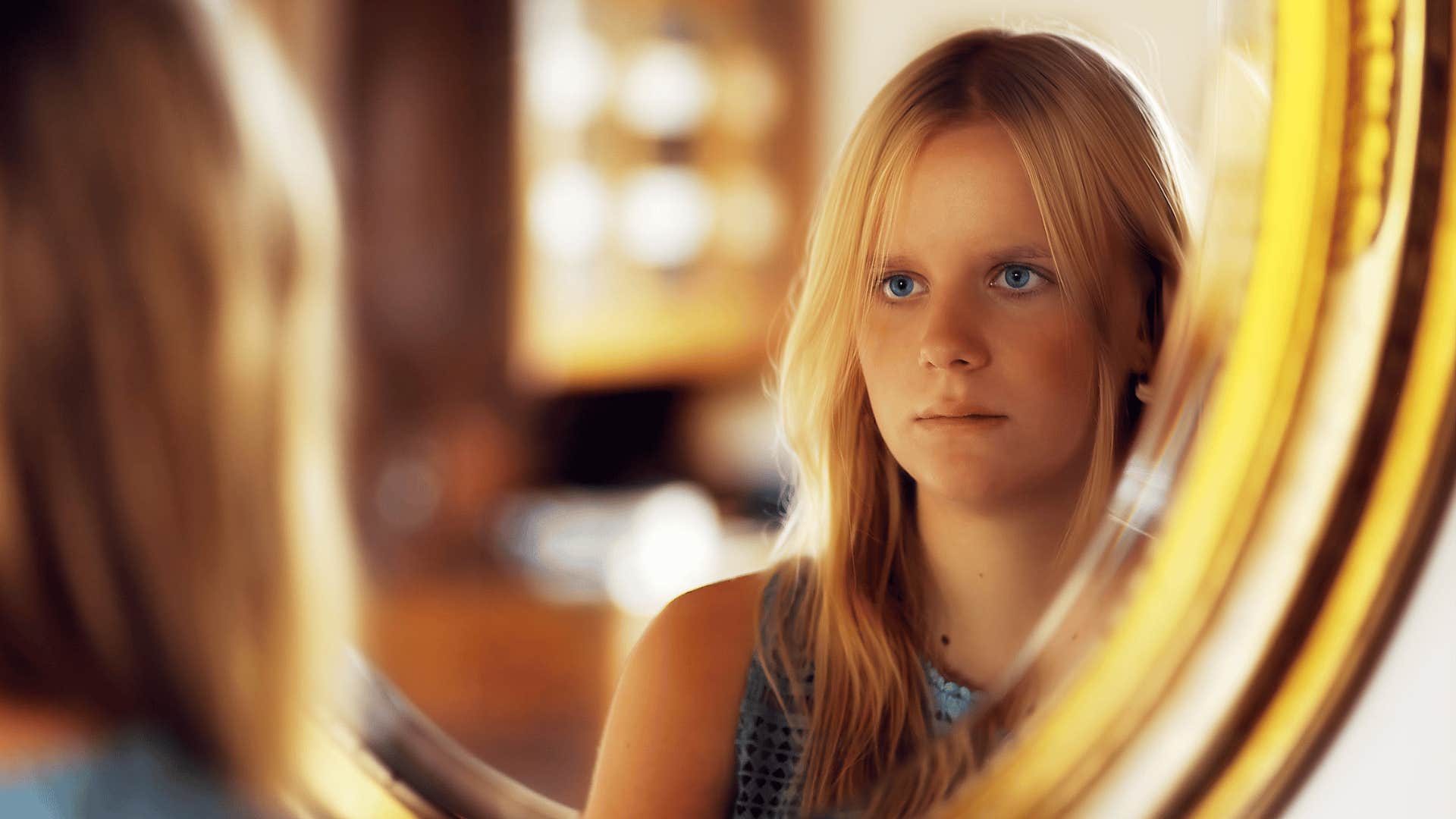
It's common for children to blame themselves when something goes wrong. A mother who didn't support and praise them made them feel like they weren't good enough. They were constantly scolded or picked apart by the person they loved most.
As adults, they question their skills. When they do something wrong, it's difficult for them to forgive themselves. From their appearance to their skill set, they have a hard time feeling confident.
5. They struggle to trust other people
 SHVETS production | Pexels
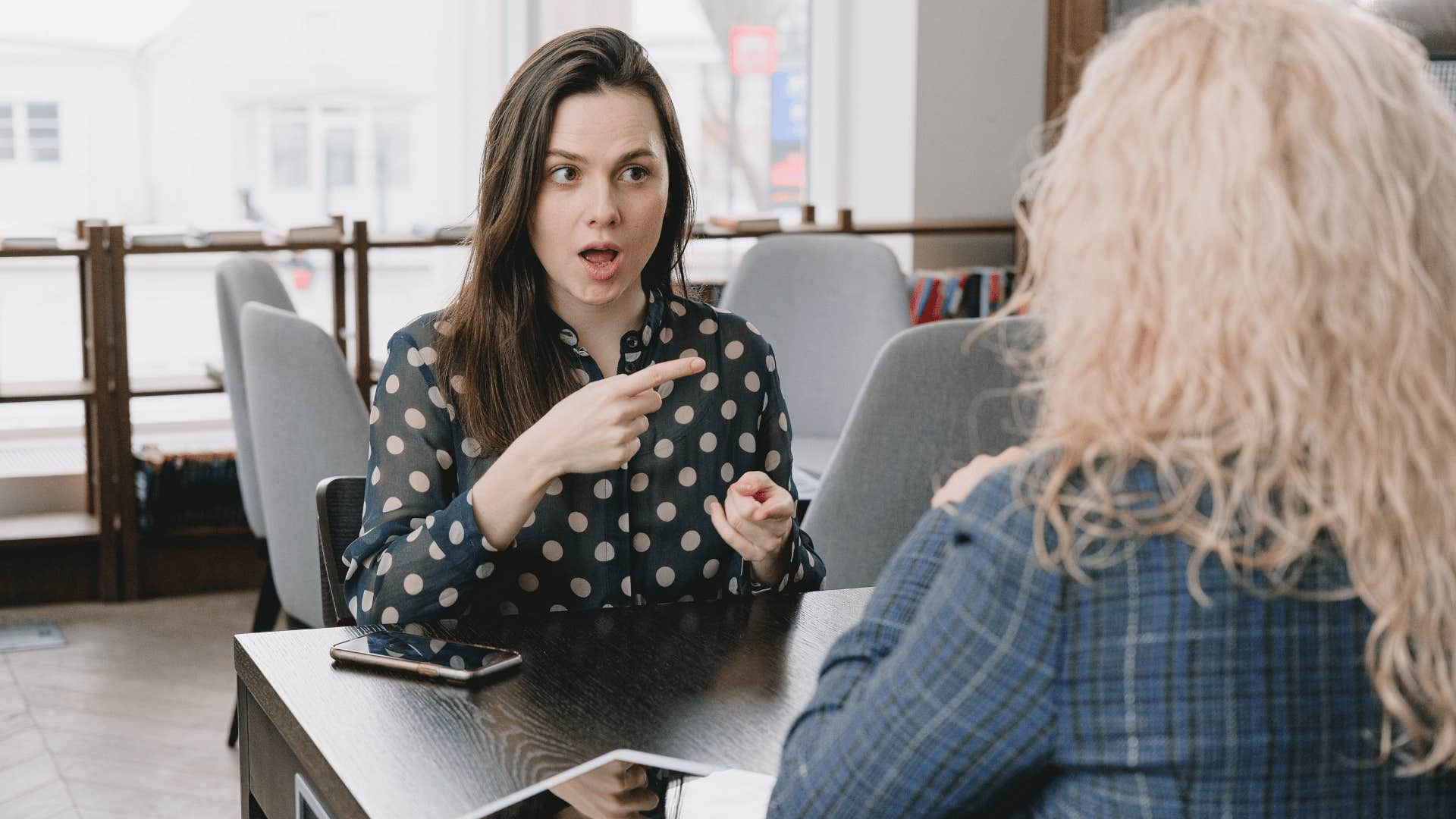
We have no other option but to trust our parents during childhood. Sadly, this doesn't mean they're always looking out for our best interests.
When someone's unreliable, unkind mother lets them down time and time again, they come to expect it from others. They can't rely on the one person they should have been able to, which creates lifelong trust issues.
We all struggle with trust at some point in our lives, but many of us have the skills to move forward and work through these issues. Unfortunately, not having parents you can trust can lead to a cycle of distrust.
6. They put up with poor treatment
 Liza Summer | Pexels
Your self-worth shapes how you allow someone else to treat you. When you know what you deserve, it's easier to put your foot down and walk away from situations that don't feel comfortable.
But kids who grew with an unkind mom in an emotionally unstable home found it hard to stand up for themselves. Their mother was constantly disrespecting them, and as adults, they continue to just accept bad treatment from others.
Instead of advocating for themselves, it's easier to go along with how they're being treated. They're used to the worst and can be afraid to stand up for the respect they deserve.
7. They struggle to set boundaries
 kaboompics.com | Pexels
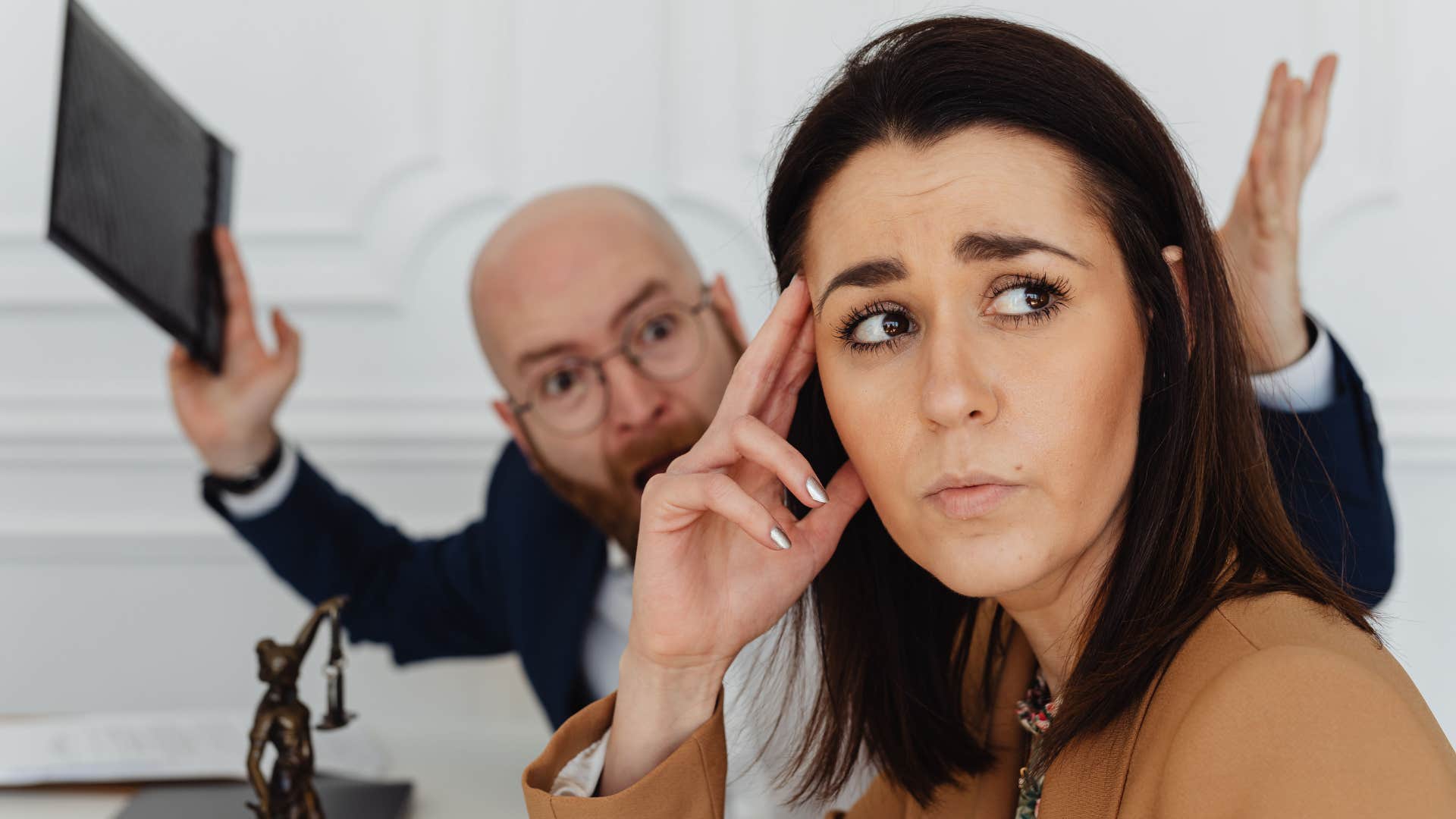
Childhood trauma has a lasting impact on boundaries in adulthood. Often, their mother wasn't someone they could trust. They were also expected to do whatever she said.
As adults, they may be pushovers. Instead of creating boundaries that garner respect, they're susceptible to doing everything for everyone else.
Weaker boundaries lead to them being treated poorly, which they experienced in childhood. This unhealthy cycle doesn't give them space to take care of themselves because they're constantly more concerned with doing things for others than for themselves.
8. They feel guilty for enforcing boundaries, too
 Timur Weber | Pexels
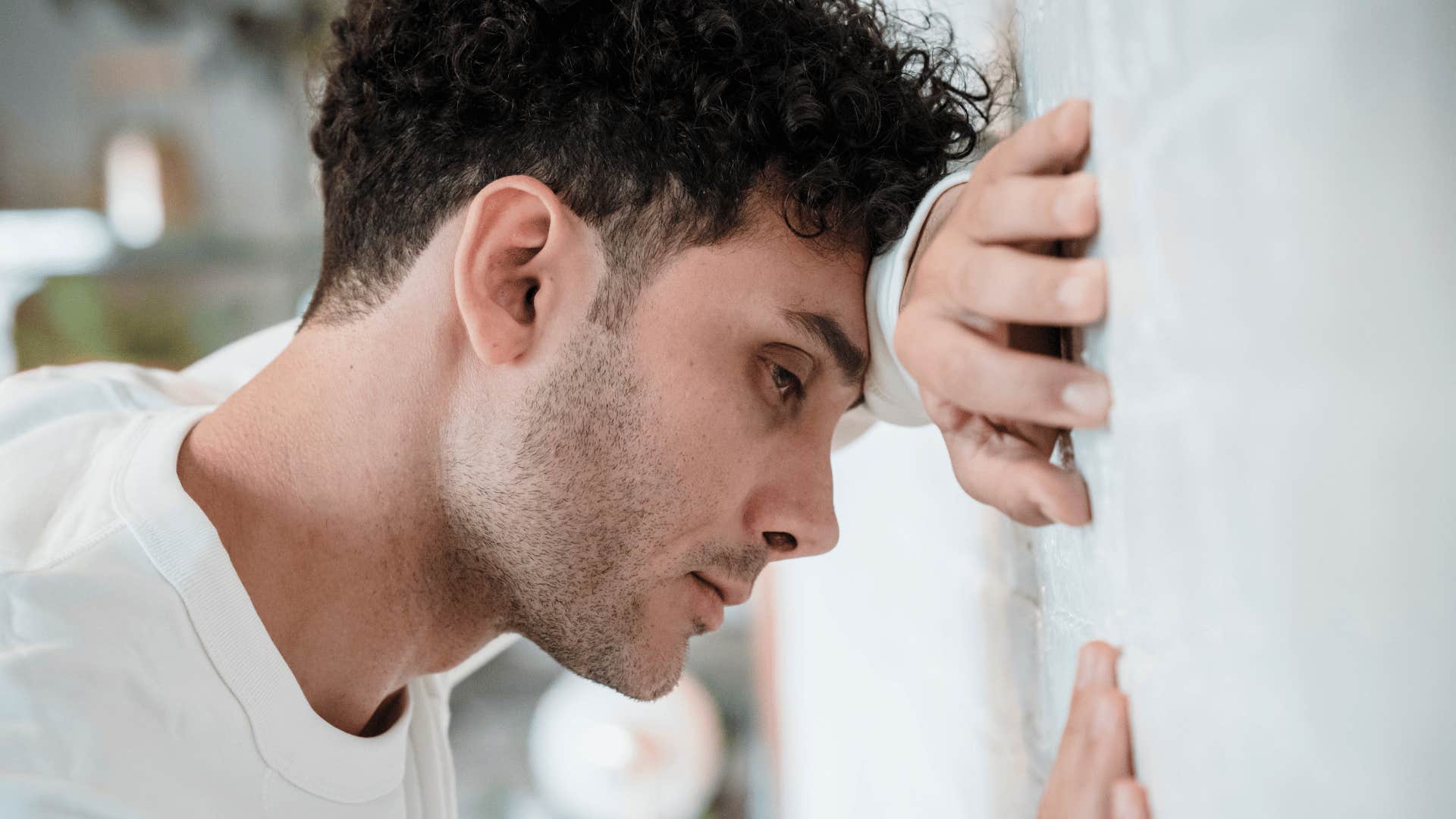
When someone like this develops the skills they need to set boundaries, enforcing them becomes another issue. They likely tell others how they'd like to be treated, but when that doesn't happen, they may fall into the same cycle of letting people walk all over them.
Boundaries are meant to create respectful relationships, but they can cause further resentment when they aren't enforced or respected. It all comes back to how their mother treated them in childhood. Because if they tried to set a boundary with her, she constantly overstepped it.
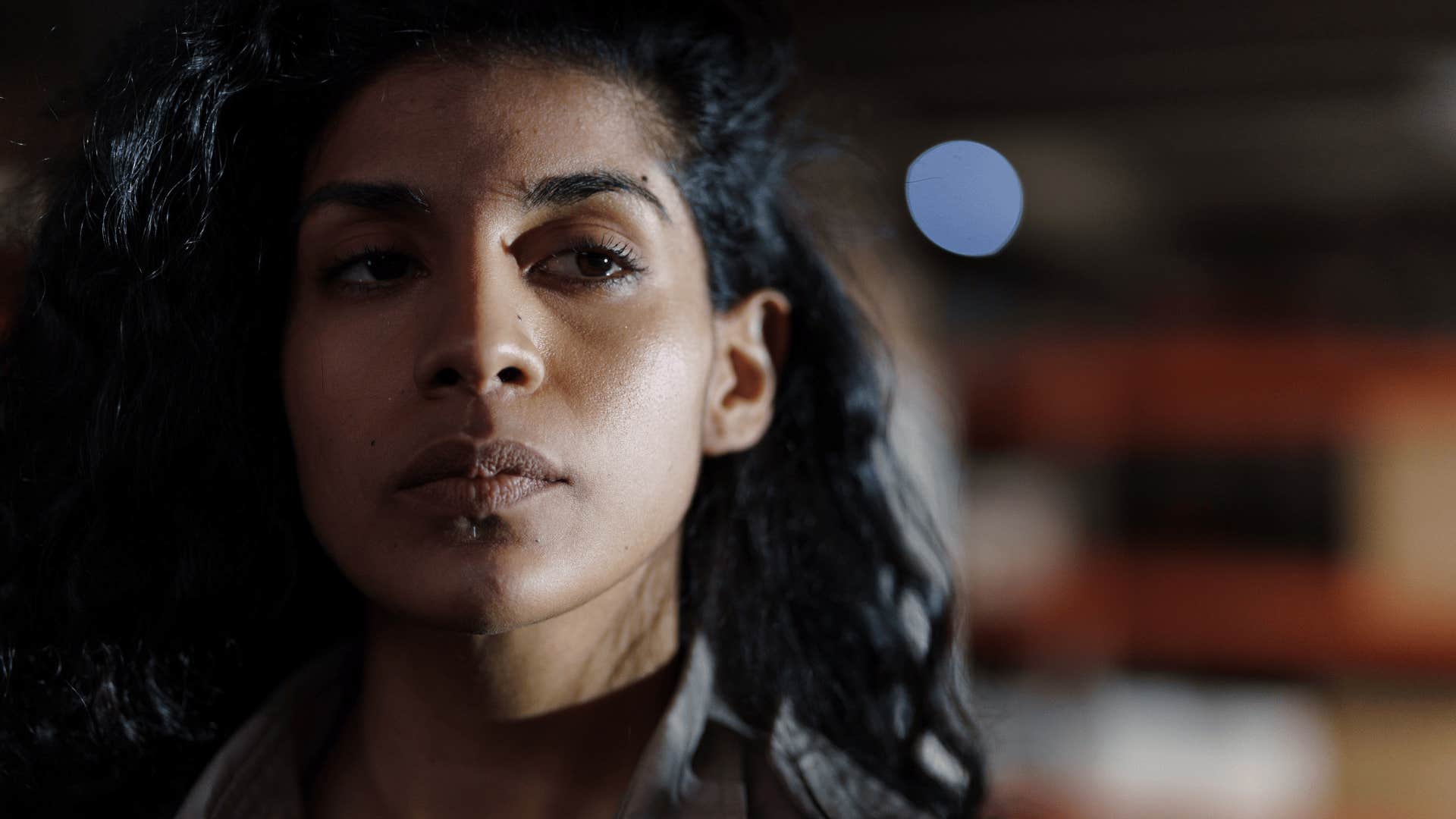
9. They're passive
 cottonbro studio | Pexels
Living with someone who never let them use their voice, or treated them poorly when they did, sets kids up for stress and anxiety in adulthood. They might fear conflict completely.
If their mother was constantly on the verge of a blow-up, they'd do anything they could to prevent it. Now, they're passive adults who do everything to avoid arguments.
Passive people lack the skills to stand up for themselves. They don't care if someone is causing them pain, as long as they can avoid an argument. It leaves them feeling resentful and overwhelmed.
Haley Van Horn is a freelance writer with a master's degree in Humanities living in Los Angeles. Her focus includes entertainment and lifestyle stories.
