
Women Who Grew Up Hearing They Were Wise Beyond Their Years Usually Carry 6 Habits Into Adulthood
 Anatoliy Karlyuk | Shutterstock
 Girls who were repeatedly praised by their parents for being wise beyond their years may develop habits as adults that reveal how much harder it is to embrace making mistakes and accept support and care from others.
A girl can become wise beyond her years because she genuinely has a thoughtful and mature personality, but she can also become that way because she learned early that being well-behaved and responsible made life easier for everyone around her. She was taught that being capable made her valuable, and that mindset carried with her as she became an adult.
Habits of women who were told as kids that they were wise beyond their years:
1. They are extremely self-sufficient
 SHVETS production | Pexels
When a girl is praised for being mature, she may quickly become accustomed to handling things on her own. She may even become uncomfortable asking for help. In most cases, self-sufficiency can help someone become confident and independent. Unfortunately, this lesson in young girls often leaves them believing that being capable means always doing everything on your own.
Simply put, a woman who grew up being praised for her independence may have trouble accepting help even from the people closest to her. This can become especially complicated in romantic relationships.
2. They take care of everyone around them
When adults treat a young girl as a caregiver, she starts adopting the role, and that will carry with her as she grows up. Eventually, as an adult, she becomes the person everyone calls when they need advice or help.
She becomes the advice-giver who never receives any emotional support. She was taught to prefer it that way and may minimize her own struggles because solving other people's problems fills the void of not receiving the care she needed when she was young.
3. They have a hard time admitting when something hurts them
 Diva Plavalaguna | Pexels
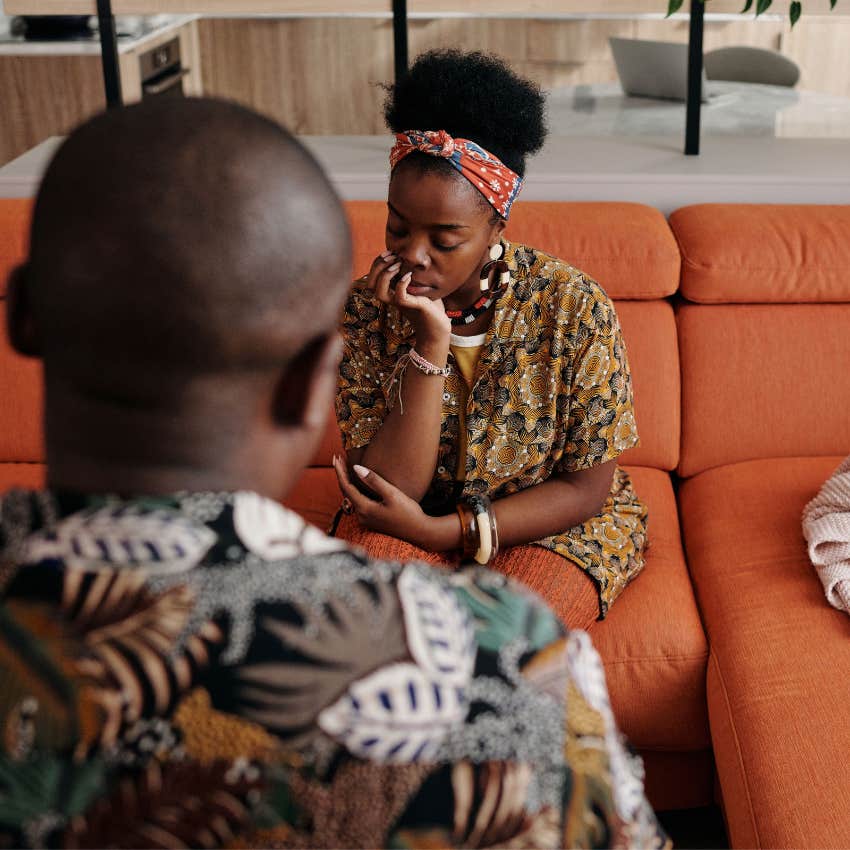
A girl who is praised for being mature may learn to process difficult emotions quietly. She doesn't complain or make a scene. Adults likely praised her for it. So she learns that hiding her pain yields a positive response. As an adult, she becomes a person who hides behind a smile and only falls apart when she's alone.
She fears being called dramatic or sensitive, so she is always composed. The hurt won't disappear, and it will affect all her close relationships. She might even get resentful without anyone seeing the signs until it's too late.
4. They feel guilty when they make mistakes
When a girl is praised for being responsible, mistakes become the villain. She doesn't realize that they are opportunities to learn and only views them as personal failings.
As an adult, she'll lean into perfectionism. She won't be able to delegate, and she will likely apologize for everything even if it's beyond her control. The worst part is she'll beat herself up for missing even a minor detail instead of learning from it.
5. They resist being taken care of
There is something strangely vulnerable about being cared for when you've spent your entire life being the capable one. That vulnerability is something these women are not comfortable with.
A woman who grew up hearing she was wise beyond her years prefers being in control and caring for others. She simply doesn't believe she has earned care and help from others, even though she never sees fault in offering the same to the people she loves.
6. They struggle to be completely carefree
 Letícia Alvares | Pexels
This may be one of the most subtle habits. When a girl is repeatedly praised for being mature and responsible, she can become very attached to that identity. While those qualities are impressive, it's also important to embrace a little whimsy as well. Life should be fun.
There is nothing wrong with being responsible, but a full life needs room for play. These women struggle to put down a schedule and need to be constantly busy even when they are exhausted.
MeShanda Deason is a writer with a BFA in Creative Writing from Stephen F. Austin State University and minors in Business Communication and Literature, who covers storytelling, culture, identity, and human connection across editorial, journalism, and marketing spaces.
