
Kids Raised By Parents With Major Narcissistic Tendencies Usually Carry 8 Habits Into Adulthood
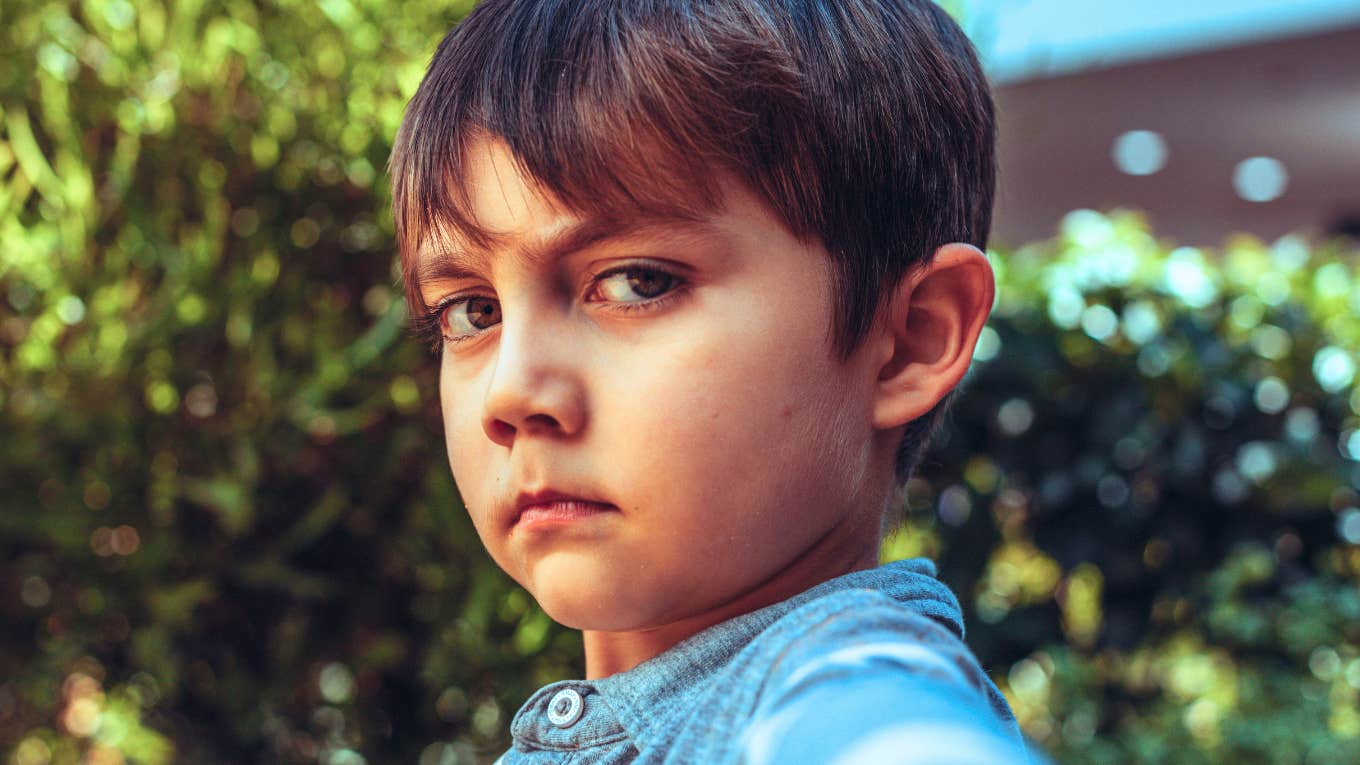 Chaleco De Mono | Pexels
 Kids raised by narcissistic parents consistently end up with lower well-being. But it's more complex than just having a fragmented family dynamic.
These children are often a vessel to meet their parents' needs, rather than having the freedom to be loved and supported. On top of childhood trauma, when children have parents with major narcissistic tendencies, they carry certain unfortunate habits into adulthood.
Habits kids raised by narcissistic parents usually carry into adulthood
1. They try too hard to please others
 Rawpixel.com | Shutterstock
Narcissistic parents operate from a place of entitlement and grandiosity. Their needs and comfort always come first, even when it comes at the expense of the people around them.
Kids who grow up with these kinds of parents end up becoming people-pleasers. They've been taught that their needs are always less important than those around them.
When they did express emotions or ask for help, they were punished. As adults, they try to please everyone around them, dismissing and invalidating their needs along the way. It's all to avoid being rejected or abandoned for simply asking for what they need.
2. They invalidate their own success
Many narcissistic parents get competitive and jealous of their own children as they get older and start to build their own lives. They need to be the center of attention. If they can't gain some kind of social status or take ownership for their kids' success in some way, their accomplishments are a personal attack.
Children in these households learn to hide and suppress their success, instead of sharing it and taking pride in it. They often end up stagnant and isolated because they're afraid to not only ask for what they want, but to share their strengths and goals with others.
3. They seek constant reassurance
Narcissistic parents rarely meet their children's needs. They're so hyper-focused on their own needs that even the bare minimum is something kids end up having to beg for or meet themselves. When children grow up with this kind of neglectful parent with little empathy, insecure attachment styles thrive.
They grow into adults who don't feel secure about themselves or their worthiness of healthy love. Whether that transforms into a self-protective kind of avoidance or an anxious journey for constant reassurance, their adult relationships suffer.
4. They speak negatively toward themselves
Much like their parents modeled for them growing up, kids in these family dynamics transform into adults with a wildly insecure sense of self. Their self-worth is tied up in status and constant validation, rather than formed by a sense of assuredness and trust internally.
They struggle with self-doubt and self-esteem because their parents never offered them space to feel seen and heard without proving or performing in some way as kids. Instead of having a parent to reassure them without judgment, now their inner critic works for them.
They're used to feeling unimportant and unworthy, and their inner pathways in the brain are structured in a consistent way to keep this feeling of uncertainty and self-doubt going, even well into adulthood.
5. They try to prove themselves
 DimaBerlin | Shutterstock
Having high standards for yourself and taking pride in your work is important for adults. But when it transforms into a need to prove self-worth or success, it can take a toll on mental health.
Kids of narcissistic parents unfortunately struggle with the latter, having spent their most impressionable years having basic support and praise weaponized and withheld.
They're constantly in a state of performance, trying to cope with their own self-doubt and insecurity by proving that they're worthy of the bare minimum. Unfortunately, every single time someone takes advantage of or actively judges them, it's a strange reassurance for all the insecurities their parents already cemented in their minds.
6. They suppress emotions
When children don't have a safe space to express their emotions or witness healthy communication at home, it can linger in the form of emotional suppression and defensiveness for their entire lives.
In adult relationships and social situations, they can't be vulnerable. Their parents taught them a misguided lesson that their emotions are bad and worthy of punishment.
Their parents were always reactive, especially when their kids' emotions brought up embarrassment or insecurity. Now, these adult children still expect people to react in defensive and angry ways, so they hide their emotions as a defense mechanism at their own expense.
7. They avoid setting necessary boundaries
When your parents don't respect the boundaries you set early in life, you start to believe that you're not important enough to have your needs met. Many kids of parents with narcissistic tendencies learn to tolerate unspeakable behaviors from the people they're supposed to trust most. It makes it easier for them to shrug off their own pain and emotional needs later in life.
The emotional damage of a narcissistic parent can be subtle and linger for a long time, but the self-blame and shame these kids take with them into adulthood is most obvious. They're accustomed to putting others first, even when they're actively harming themselves in the process.
8. They compete with others
 PeopleImages | Shutterstock
Some children tend to compensate for their narcissistic parents' behavior in adulthood by becoming smaller, less empowered versions of themselves. Because they were taught a very self-centered identity during their formative years, it's also possible that adult children grow into a similarly narcissistic version of their parents.
They believe that to be secure and important, they have to beat everyone else. They compete at work and in relationships. They dismiss people's accomplishments and invalidate their emotions. They run from accountability to save face.
All of these habits are rooted in their childhood trauma, but that doesn't excuse the consequences they have on later relationships.
Zayda Slabbekoorn is a senior editorial strategist with a bachelor's degree in social relations & policy and gender studies who focuses on psychology, relationships, self-help, and human interest stories.
